In a carbon-intensive art market, can discussions about environmental concerns reach beyond lip service into concrete action? The charity Gallery Climate Coalition (GCC) thinks so. The GCC’s “10% Of” initiative returns to Frieze London, with 13 galleries pledging to donate a tenth of proceeds from a nominated work on their stands to the charity. Dealers can choose whether that is a tenth of the sale price or the gallery’s portion of it.
After raising £33,000 in its inaugural edition, the scheme is back with participants including Hauser & Wirth, Victoria Miro, Thomas Dane Gallery and Kate MacGarry. “There’s definitely a lot of concern and a lot of action,” says the GCC director Heath Lowndes.
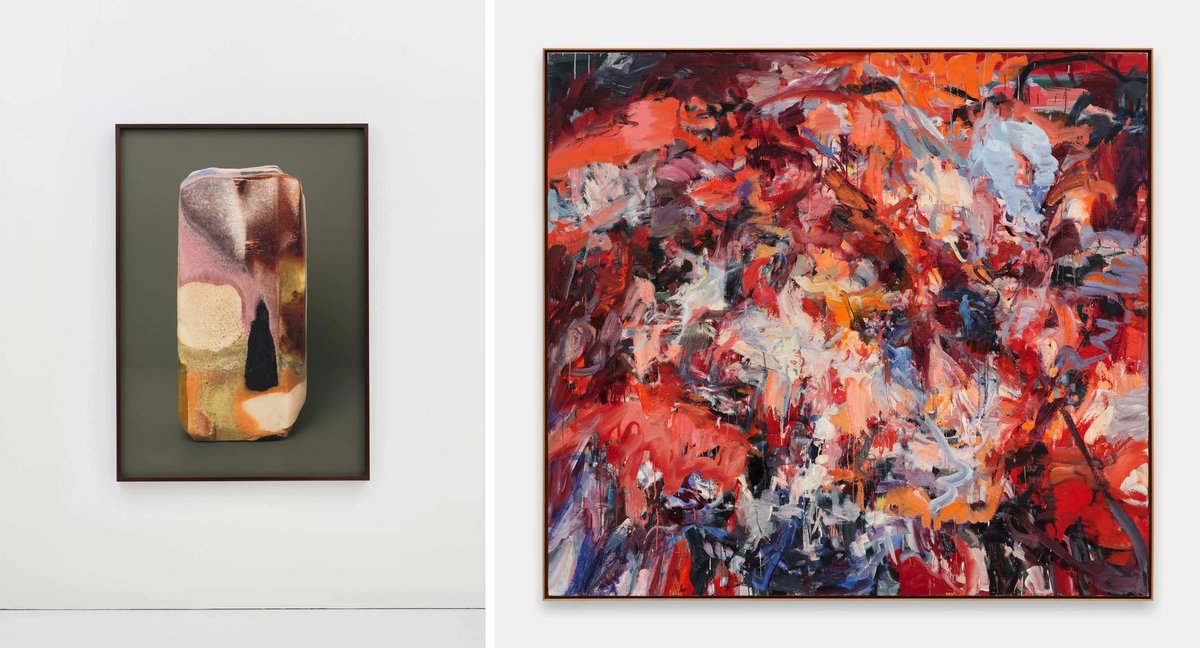
Two works donated by the artists Igshaan Adams and Patricia Leite will also be offered in separate sales at Christie’s this week, with the hammer price shared between the GCC and the environmental law charity ClientEarth.
However, the environmental crisis appears to remain a smaller concern within the broader gallery world. Though GCC boasts more than 400 member galleries, only 16 are listed as active members, which means they “have implemented environmentally responsible best practice in line with GCC guidance”. Furthermore, the number of galleries participating in “10% Of” has almost halved; Gagosian and Sprüth Magers are among those to drop off the list.
Lowndes is undeterred. Last year, GCC published its first Stocktake Report, which found that 79% of early members had reduced their carbon footprints by over 25%. “There’s an evidence base that the methodology works and lots of people are doing this,” Lowndes says. “We just need to scale that.”
Since GCC’s founding in 2020, a small industry focused on sustainability in visual art has emerged. In 2024, Murmur, describing itself as offering “arts leadership for the crisis of our times”, was established. Earlier this year, Murmur provided seed funding for Climate Action Services International, a climate-focused consultancy founded by the team behind GCC.