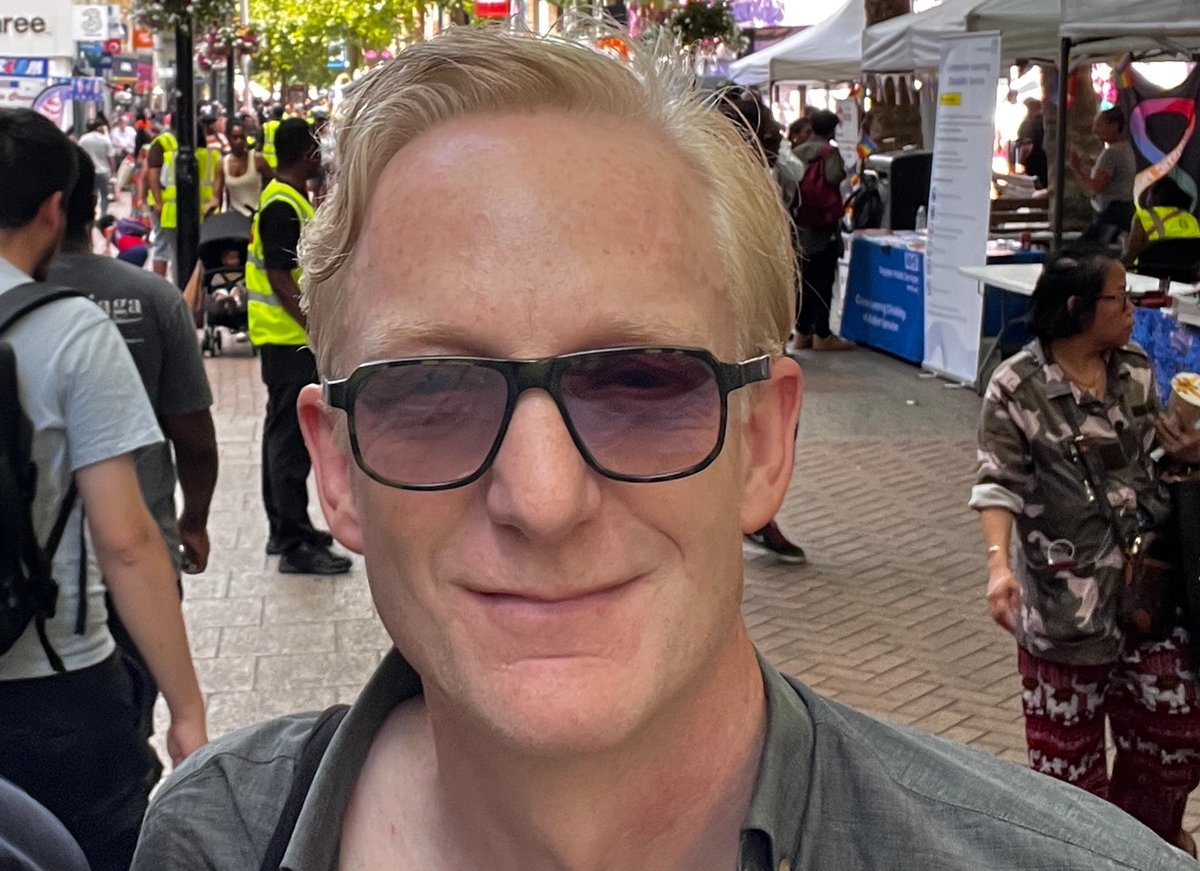
Charles Asprey is a collector and philanthropist in the mould of the historical art patron. Rather than simply gathering trophy works of art, he says he prefers to support artists, galleries and institutions holistically and, often, over sustained periods. A scion of the family luxury goods firm, Asprey got his start in the art world in 1990s New York, where he worked for the dealer Andrea Rosen. On his return to London, he established himself by turns as a collector, dealer and publisher.
This year Asprey, a proponent of extending access to art outside of London, donated more than 50 works from his collection to the Pier Arts Centre in Orkney, Scotland, which is one of the UK’s most remote museums. He also co-runs Picpus, a pocket-sized arts quarterly, and operates a discreet exhibition programme of his own. This Frieze week, he is showing new paintings by Alessandro Raho at the inaugural London Invitational art fair.
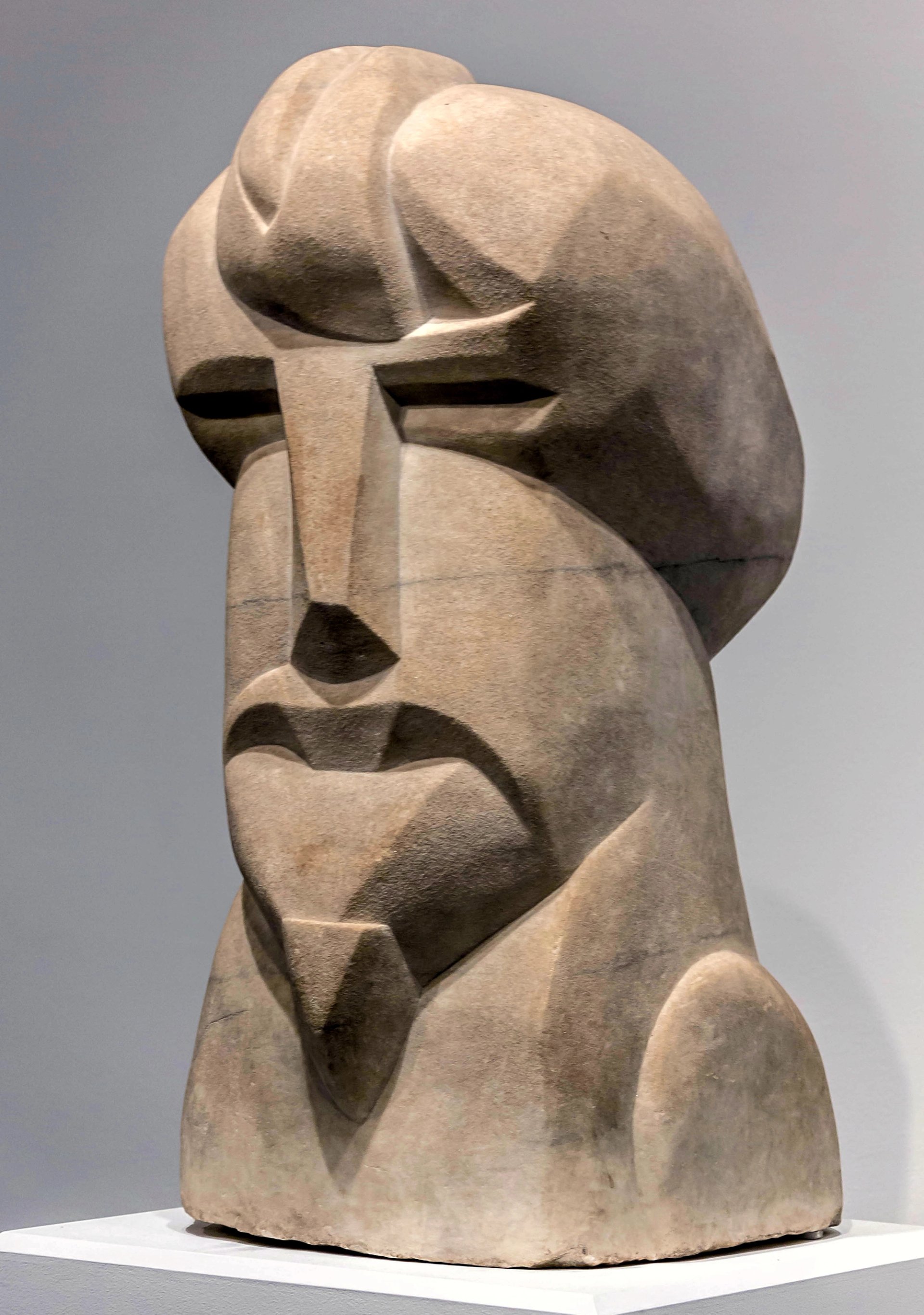
Henri Gaudier-Brzeska’s Hieratic Head of Ezra Pound (1914) is on Asprey’s art wishlist Photo: Léna/Wikimedia Commons
The Art Newspaper: What was the first work you ever bought?
Charles Asprey: A Matthew Barney photograph. I was living in New York and had a friend working at Barbara Gladstone Gallery. It was approximately $3,000, half of which I had to borrow from my father. That was in 1995.
What was the last work you bought?
A Prunella Clough. It was a work that had been owned by Bryan Robertson, the legendary Whitechapel [Gallery] director who was one of her greatest supporters during her lifetime.
How quickly do you decide to buy a work of art?
I think when you know, you know… But that doesn’t preclude procrastination.
What do you regret not buying when you had the chance?
Noah Davis. To my embarrassment, I had never heard of him before his [2025] show at the Barbican and I was just gobsmacked. Sometimes, you think you have a good radar and then you realise that it’s full of holes.
If you could have any work from any museum in the world, what would it be?
One is Jay DeFeo’s The Rose (1958-66). Bruce Conner made a film about getting it out of her studio. The other one is [Henri] Gaudier-Brzeska’s Hieratic Head of Ezra Pound (1914). Gaudier-Brzeska is one of the true legends of the 20th century. And the head looks eerily like [British artist] Mark Leckey, so I’d like it for that reason, too.
Where do you like to eat and drink during Frieze London?
Clerkenwell has the greatest eateries in London—Clerkenwell and Farringdon.
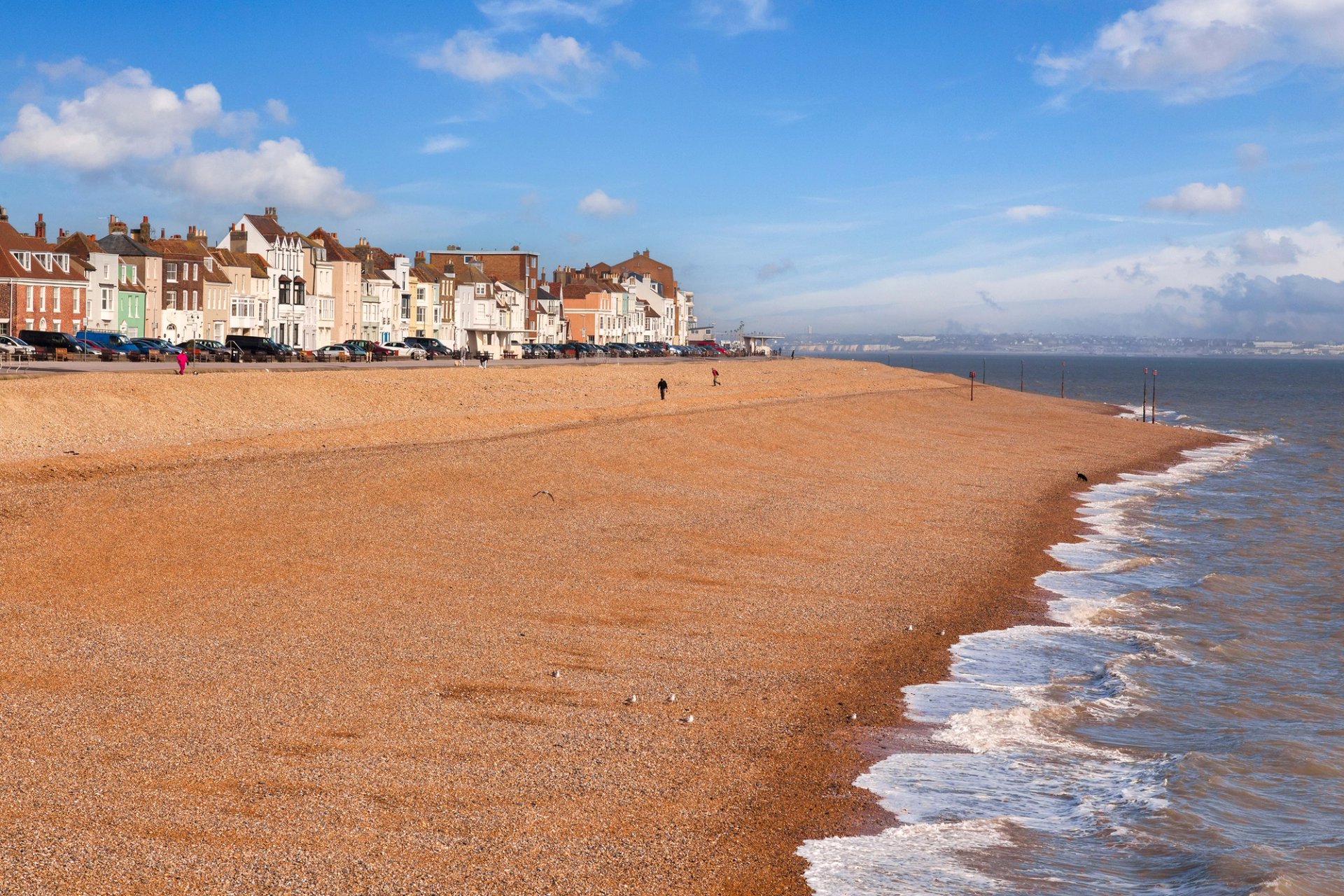
A breath of fresh air: Asprey recommends getting away to the seaside town of Deal in Kent when London gets too much © 2015 Colin & Linda McKie
Do you have any parties lined up?
[I host a party on the Monday], to kick off the week. It’s become an annual event. I always host it with Michael Callies from Dépendance, the Brussels gallery which has sadly just closed. But he was keen to carry on the tradition.
What is your least favourite thing about art fairs?
Fairs have become an essential part of the whole commercial enterprise, but they also seem to have become these gigantic halls of produce. They’ve spawned a sizeable secondary orbit of smaller fairs, which are often more interesting, but that adds even more pressure to the act of visiting and trying to absorb what’s on display; trying to appreciate the effort that these galleries have made, which is always extraordinary. The onus on the visitor has just become too much. I crave a return to the boutique fair.
Where do you go in London to get away from it all?
My favourite part of London is that stretch between Bloomsbury and Clerkenwell, which is now full of great galleries like a. SQUIRE, Brunette Coleman and Pusher. But to really get away from it all, you need to get out of London. I’d recommend Deal in Kent.
What tip would you give to someone visiting London for the first time?
Prepare to be amazed.