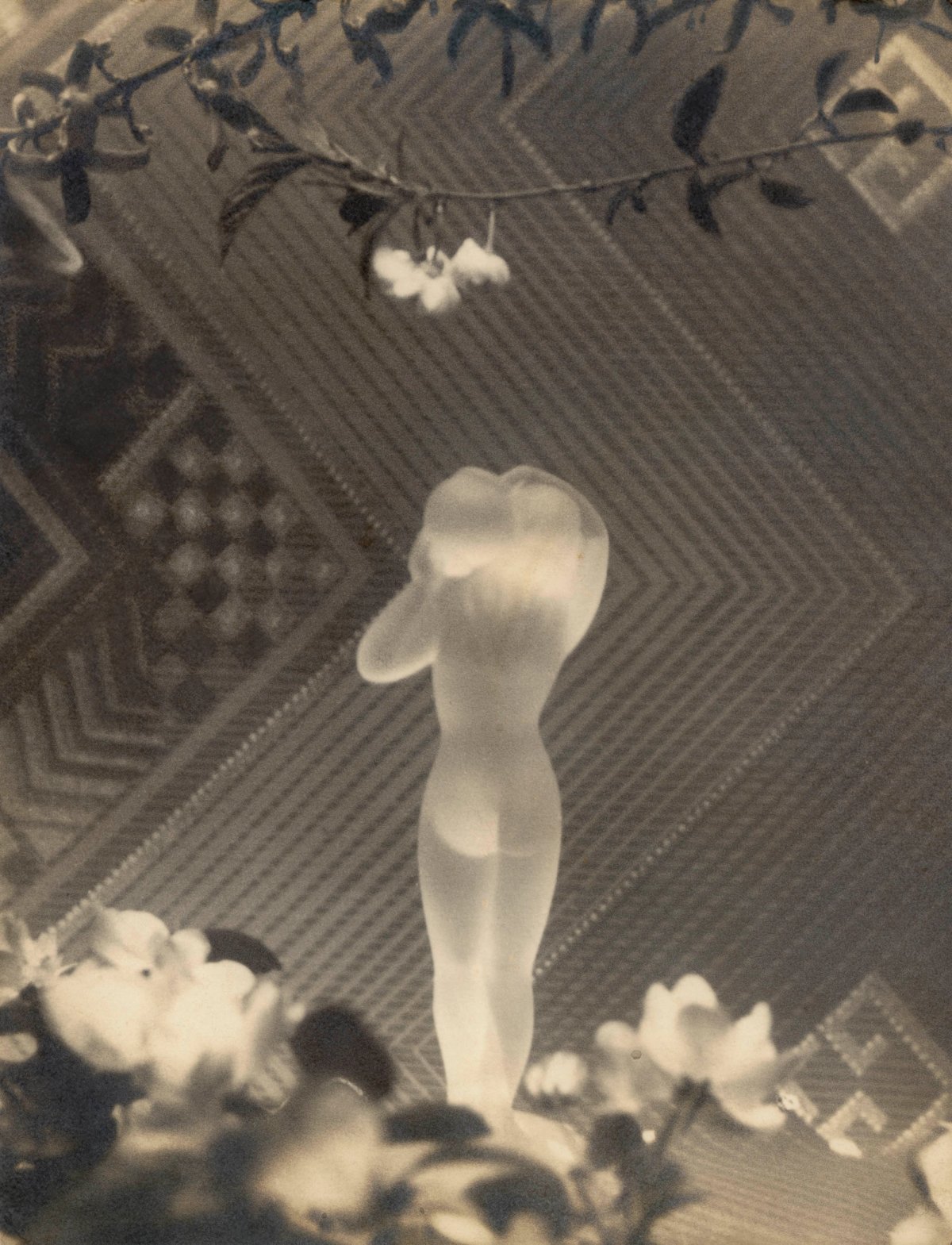
“This is probably our first ever revisionist photography exhibition,” says Charmaine Toh, the Tate’s senior curator of international art photography. “In the past we’ve celebrated certain movements or certain themes. But this time we wanted to do something different.” Toh is talking about Light and Magic, Tate Modern’s new show about Pictorialism, the salon-based photography movement that is perhaps most strongly associated with soft-focus, deliberately artful Edwardian pictures, and which sought to establish photography as an art form on a par with painting or sculpture.
But Toh is keen to get a different perspective across. “Pictorialism used to be seen as very old fashioned and a narrow kind of practice,” she says. “It supposedly ended in the 1920s and 30s, and was confined to Europe and North America. But there were people making work into the 1950s and 60s, all over the world, who are using the word Pictorialism. So, what is all this work being made after Pictorialism had supposedly stopped in all the photography textbooks you pick up?”
It is a subject that would appear to be close to Toh’s heart; this is her first major exhibition since being appointed to Tate in 2024, and she wrote her PhD thesis on the Pictorialist movement in her home city of Singapore. This was part of the ongoing Pictorialist movement that persisted into the decades after the Second World War, and was supported by a network of international clubs and exhibitions that provided a focus for photographers to disseminate their work.
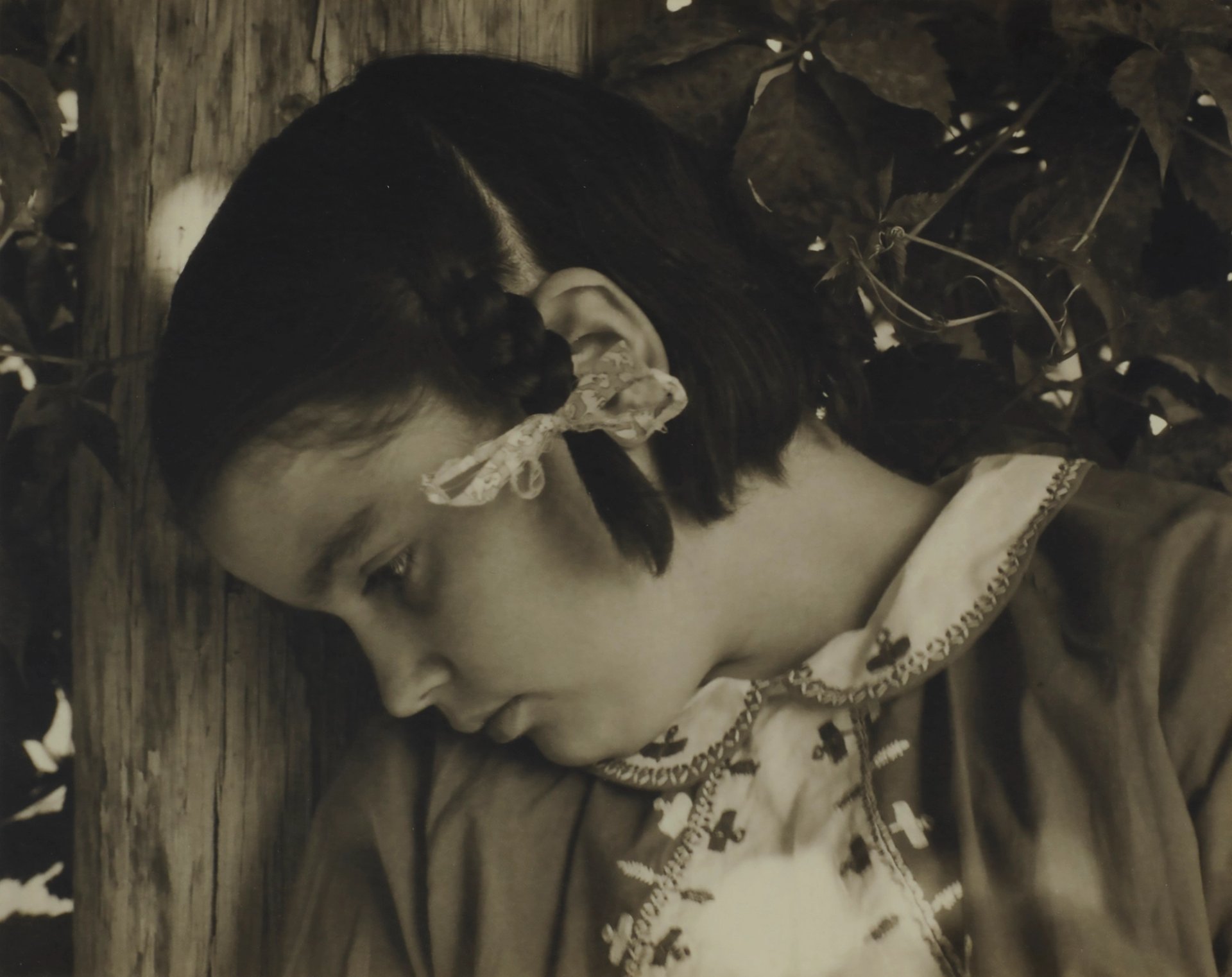
US photographer Paul Strand’s Miss Thomson, New Mexico (around 1922) Wilson Centre for Photography; © Paul Strand Archive; Aperture Foundation
Toh defines Pictorialism as “fundamentally, a desire for photography to be accepted as fine art”, and the pioneers of the style were the smoky, atmospheric pictures by the likes of Alfred Stieglitz, Clarence Hudson White and Henry Peach Robinson. These were photographers in the late 19th and early 20th century who sought to manipulate the visual elements as a direct response to the idea that photography was an objective record of its subject.
Hence the early Pictorialists seemed to emulate the more subjective forms of art: Aestheticism, Impressionismand the like. Toh has included in the exhibition studies by the French Pictorialist Robert Demachy that are dead ringers for Edgar Degas’s paintings of ballet dancers (apart from the black-and-white colour scheme), and pictures by the Chinese photographer Luo Bonian that resemble traditional ink drawings. Toh has also highlighted another strand of Pictoralism: its interest in dance, and particularly kinetic, near-abstract figure studies that offered another way to counter static documentary observation.
The importance of clubs
The curator is at pains to point out that Pictorialism was a far wider phenomenon than its early style tropes might suggest. “That’s just where they started from,” Toh says. “I think this idea of style is a red herring that we tend to blindly follow because it’s just easier for us as curators and historians because we’re trained to think that way. But fundamentally, it was a desire for photography to be accepted as fine art. The contribution of Pictorialism was the networks that were set up.”
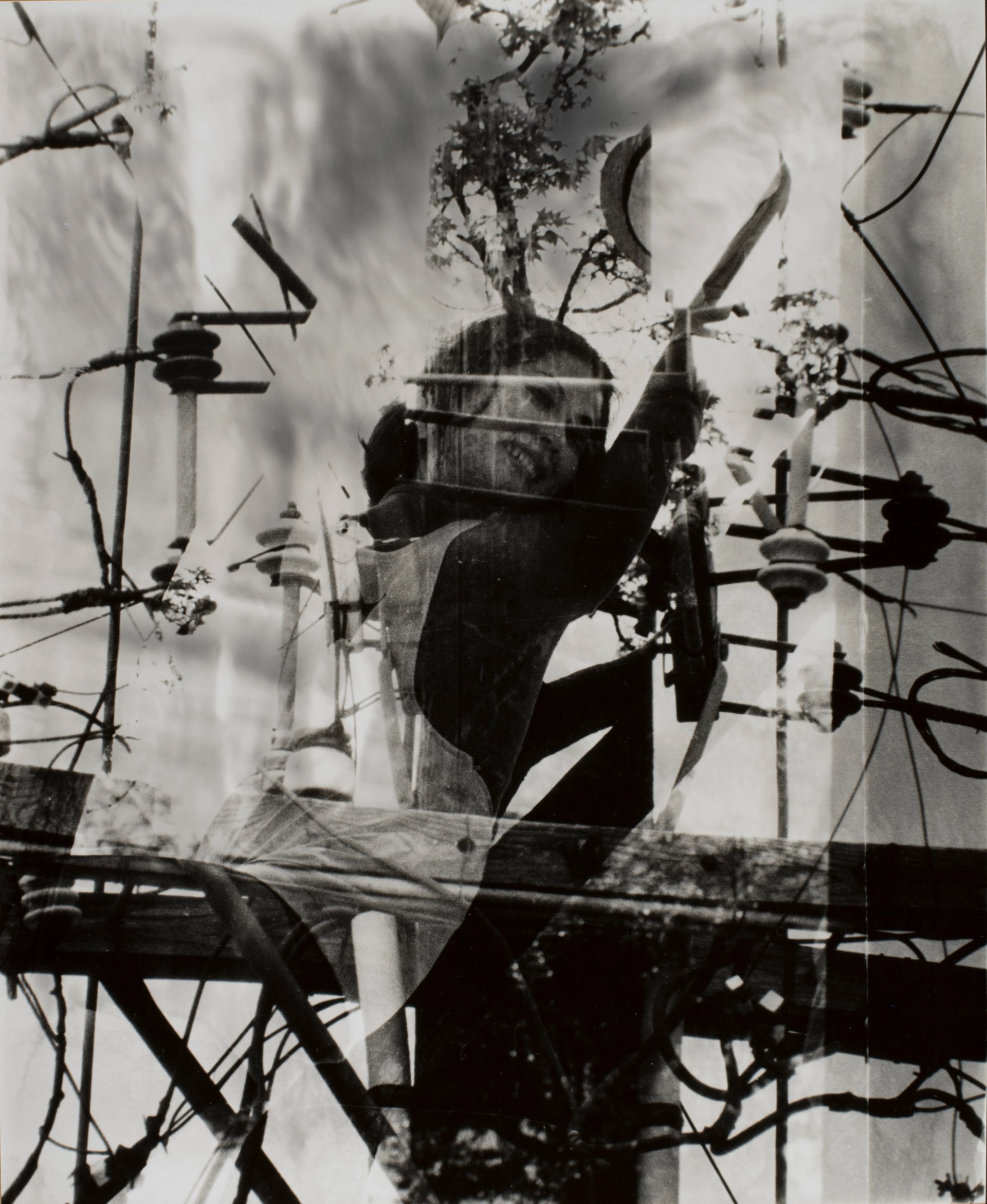
A photograph (title unknown) by Shigeru Onishi (around 1950s) Tate; © Estate of Shigeru Onishi
Clubs like the Linked Ring in London, the Photo-Club de Paris, Photo-Secession and the Vienna Camera Club were, Toh says, crucial organisations that gave hundreds of photographers an outlet through their international exhibitions. Even someone like the Soviet Constructivist Aleksandr Rodchenko would send pictures to club shows through the Moscow-based All-Union Society for Cultural Relations with Foreign Countries.
“And this happened not just in the centres like London and San Francisco,” Toh says. “In Singapore, it was a point of pride for them to have an international exhibition. They thought: look, we might be a British colony, but we’ve got an international exhibition and we’re going to judge the British works that are being sent to us. And that happened in Brazil. It happened in Australia.”
It may perhaps be a slight curatorial indulgence, but in the end Toh says she wants to reclaim Pictorialism’s place as a vital 20th-century artistic movement alongside, but not superseded by, Modernism. “The relationship between Modernism and Pictorialism is something that I’ve been very interested in,” she says. “It is as though Modernism needed Pictorialism to be what it wasn’t.” She adds that Modernist photography defined itself as “clear, sharp, about being in the city, about modernity”, while Pictorialism in contrast was defined as “non-Modern”.
“It was a strategy as to how to position Modernism,” Toh says. “I call it the curse of the avant-garde: we believe so strongly in the rule of the avant-garde, in its linearity, that we then struggle to fit things that don’t match the avant-garde into that story.” She adds: “The works I look at are outside of North America and Europe, and they don’t fall in the avant-garde story. That becomes an exclusion—and very important for me personally.”
Light and Magic: The Birth of Art Photography, Tate Modern, until 21 February 2027