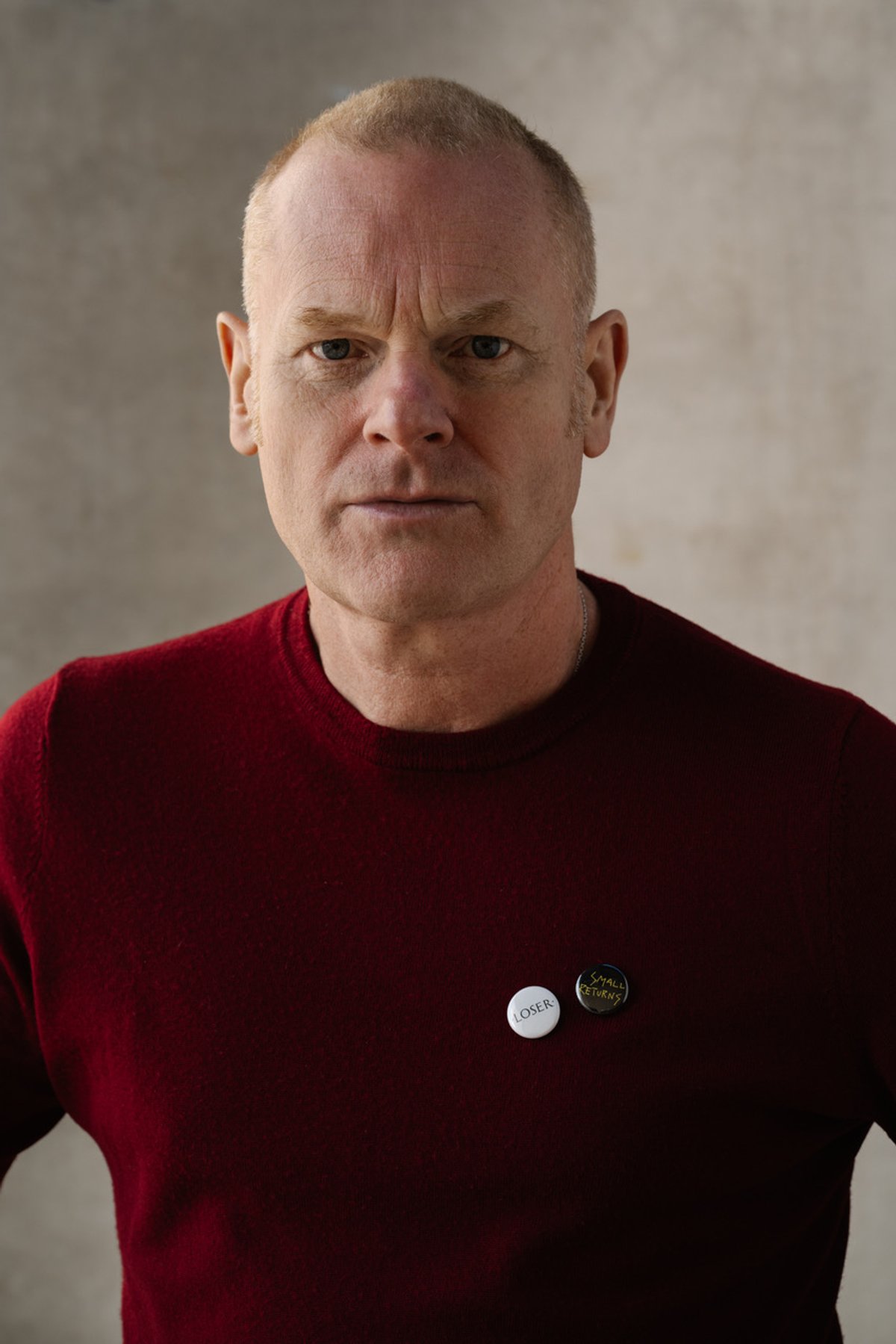

George Shaw, who was born in 1966 in Coventry, UK, makes paintings and drawings that are a response to a particular place but also a deeply personal engagement with memory.
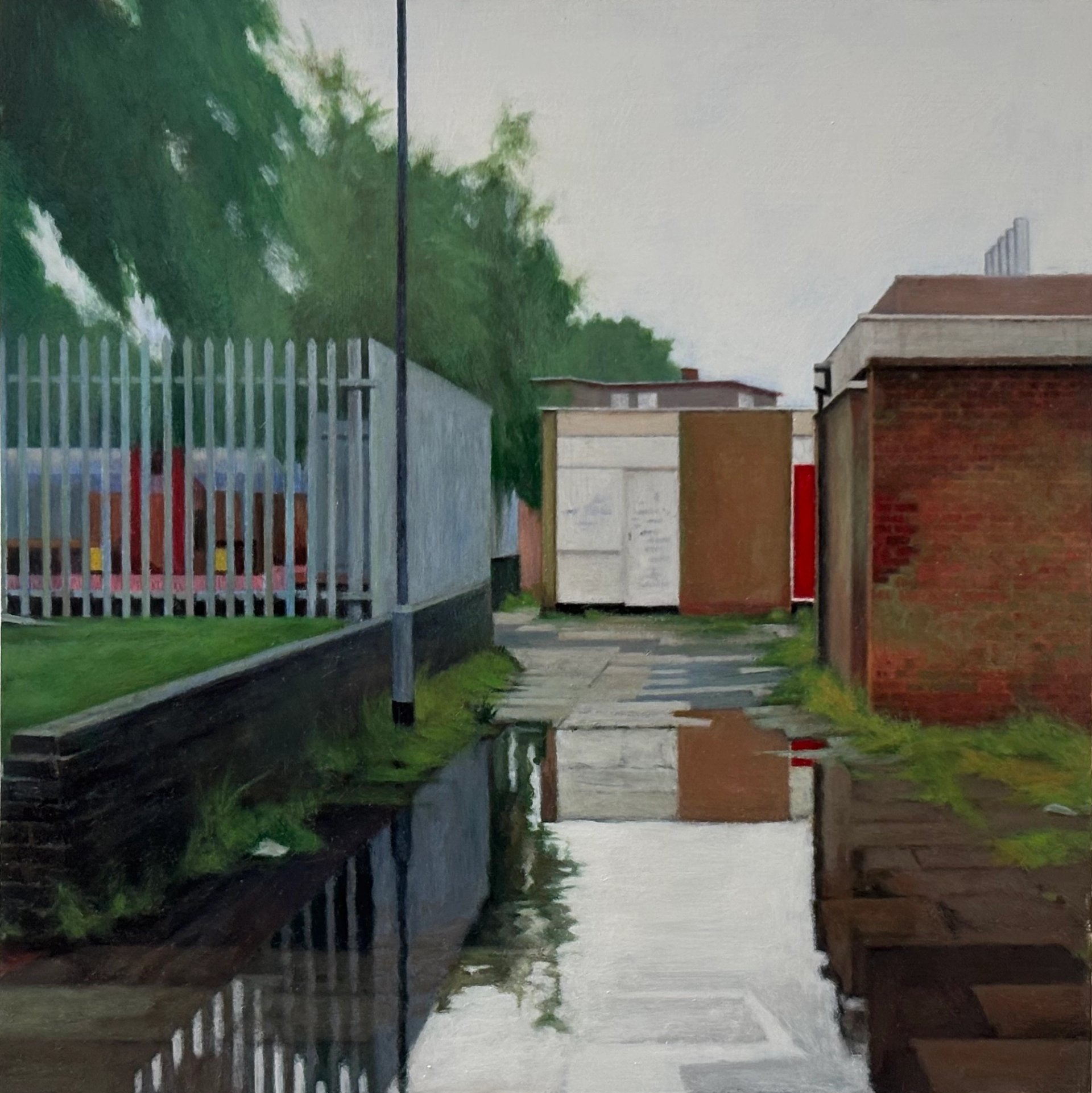
George Shaw's Small Revolutions 8 (2026)
Courtesy Anthony Wilkinson Gallery
Although his paintings depict identifiable locations within Tile Hill, the postwar housing estate on which he grew up in the suburbs of Coventry in England’s Midlands region—from the houses and garages on the estate, to playing fields, community centres, pubs and shops and the woods beyond—they are steeped in recollection, potent with signs of human presence, including Shaw’s, but barely ever occupied by people, and even then only by the artist. As a result, these paintings have a curious relationship with time, a factor only enhanced by his use of his own photographs as the source image for his compositions.
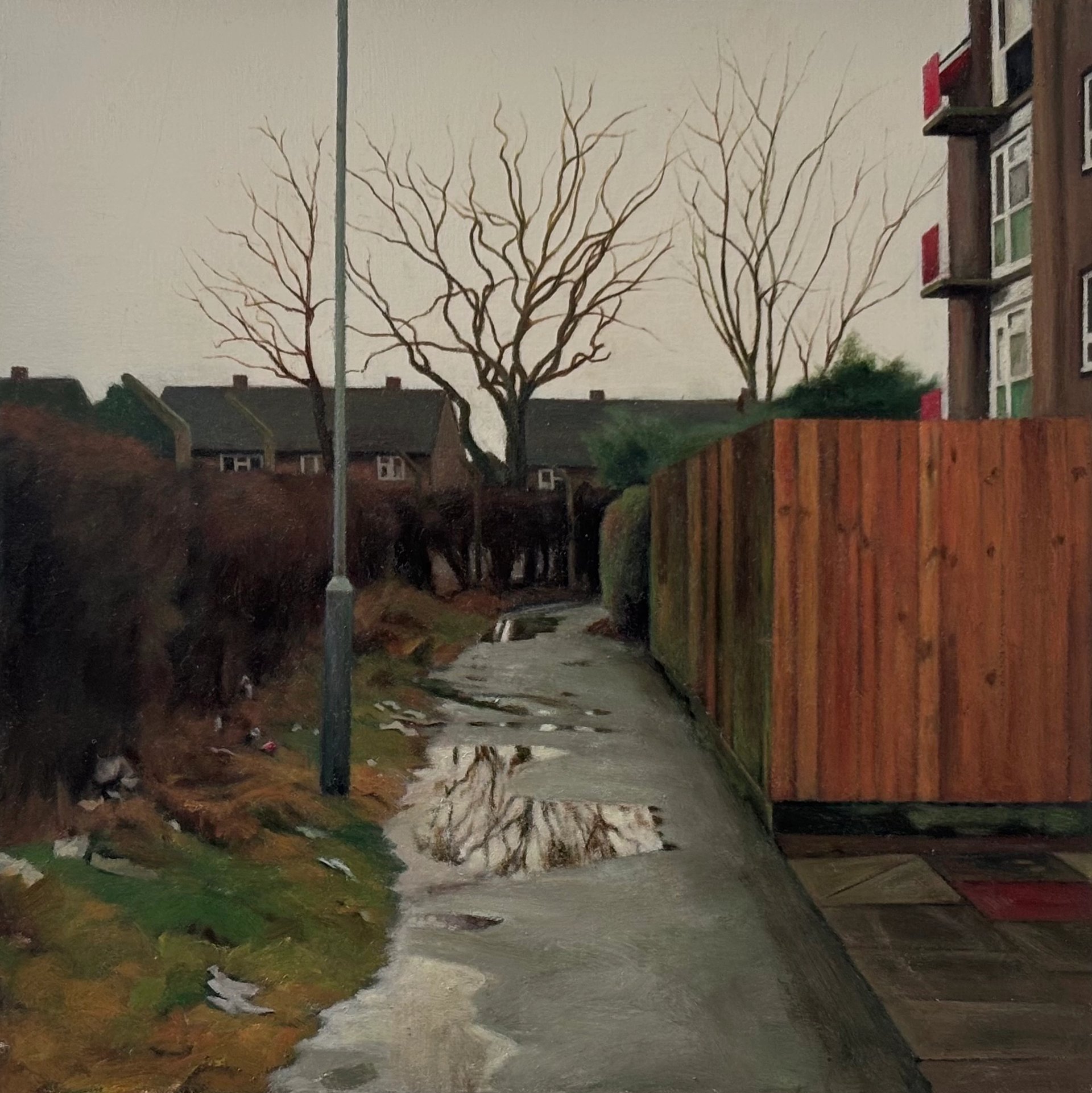
George Shaw's Small Revolutions 1 (2026)
Courtesy Anthony Wilkinson Gallery
Tile Hill is the setting in which his identity was formed as a young person, in which he became himself, and the hundreds of paintings he has made of it since follow its changing face, moments of aging, destruction, dereliction and renewal. Over time, this lifelong magnum opus has come to tell a multi-volume story of Shaw’s life—a multifaceted self-portrait.
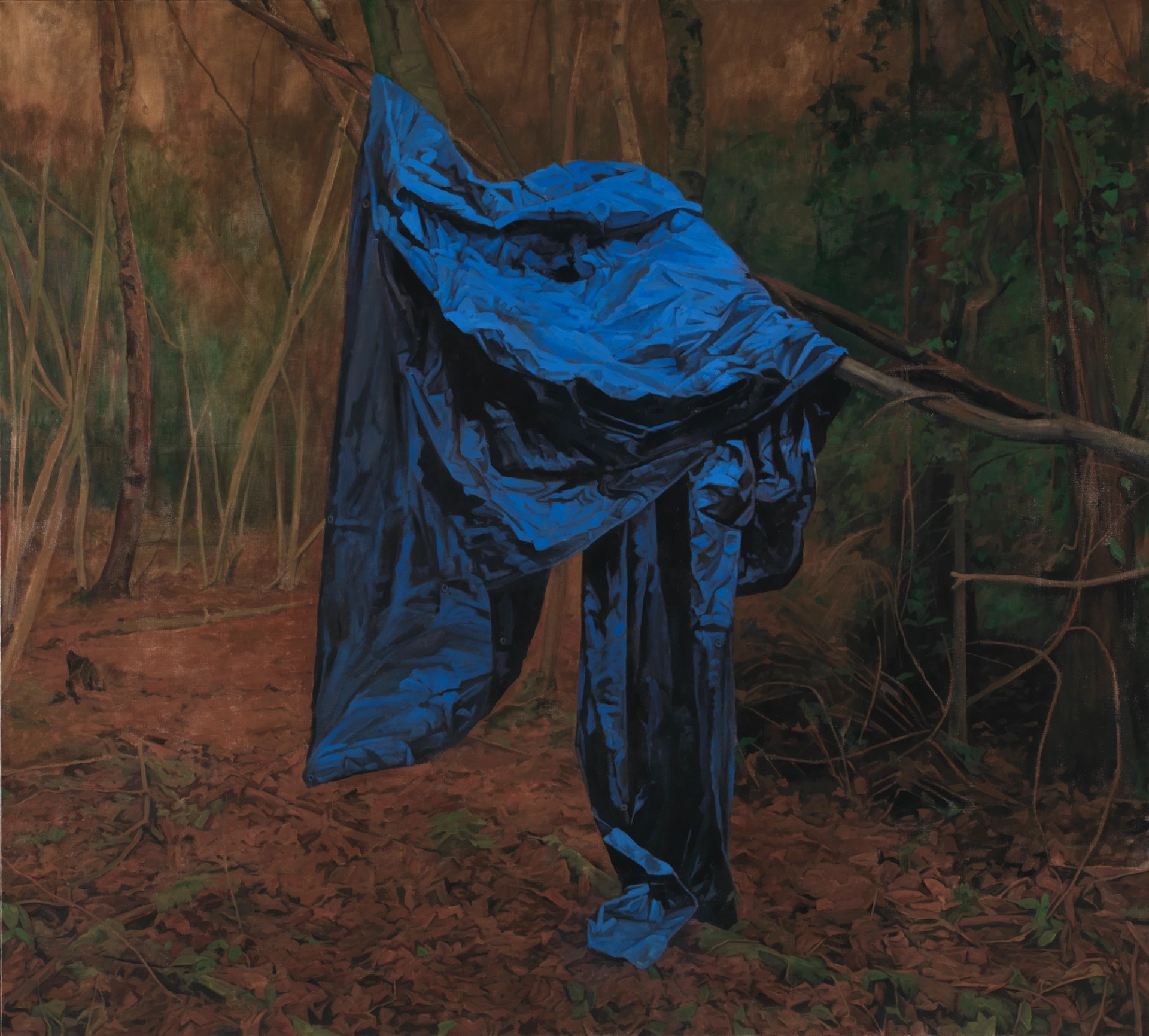
George Shaw's The Rude Screen (2015-16)
Courtesy Anthony Wilkinson Gallery
He reflects on this idea of reflecting a person or body through place, with reference to one of his more enduring heroes, James Joyce. He also discusses the symbiosis of his subject matter and his use of enamel paint and the relationship between his photographs of Tile Hill and the paintings he makes from them.
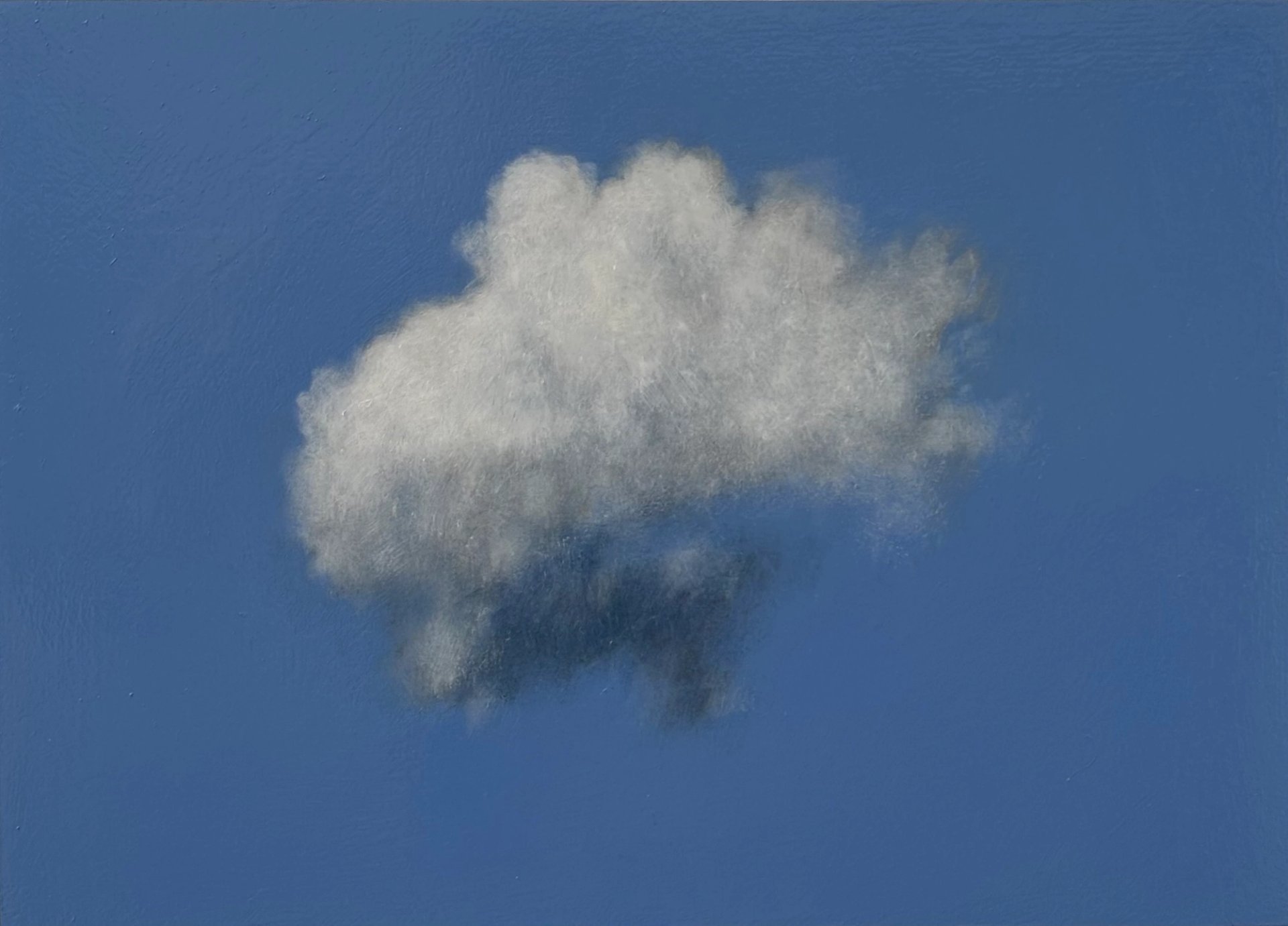
George Shaw's History of England (2026)
Courtesy Anthony Wilkinson Gallery
He reflects on the importance of music and the social and political culture around it in defining his identity and its legacy in his life and work today. He discusses the role of imagination in the extraordinary output of William Blake, his early response to fantasy artists like Chris Fosse, and a huge wealth of historic painters that have been important to him since, from John Everett Millais to John Constable, Mike Kelley, Titian and Rembrandt. He also reflects on the role of his father’s “curriculum” of films that he watched from his youth onwards, and its significance in relation to his paintings. Plus, he gives insight into his studio life and answers our usual questions, including the ultimate: what is art for?
George Shaw: Albion Groans—Part Two, Anthony Wilkinson Gallery, London, until 14 November; George Shaw: Living Room, curated by Jonathan Watkins, Apt Architects, London, until 18 December; George Shaw: My Haunts, Mead Gallery, Warwick Arts Centre, Coventry, UK, 7 May-27 June 2027.
This podcast is sponsored by Bloomberg Connects, the arts and culture platform.
Bloomberg Connects offers access to a vast range of international cultural organisations through a single click, with new guides being added regularly. They include several organisations in which George Shaw has had solo exhibitions, including, at the Yale Center for British Art in New Haven, Connecticut in the US, and, in the UK, The Holburne in Bath, the National Gallery and South London Gallery in London, and The Box in Plymouth. On the guide to The Box, you can explore the breadth of its holdings from the fine and decorative arts via natural and social history, archaeology and film collections. Features include videos taking a closer look at the 4,000-year-old Whitehorse Hill Archaeological Collection, the red leather boots once worn by the explorer Gertrude Benham, and Mildred, one of the mammoths whose fossils are part of the collection, and who has been reimagined as a lifesize model. There are also audio features, including on collection works like William Daniell’s dramatic 19th-century painting of the Eddystone Lighthouse during a Storm, and past exhibitions, such as the Beryl Cook show that took place in the spring of 2026.