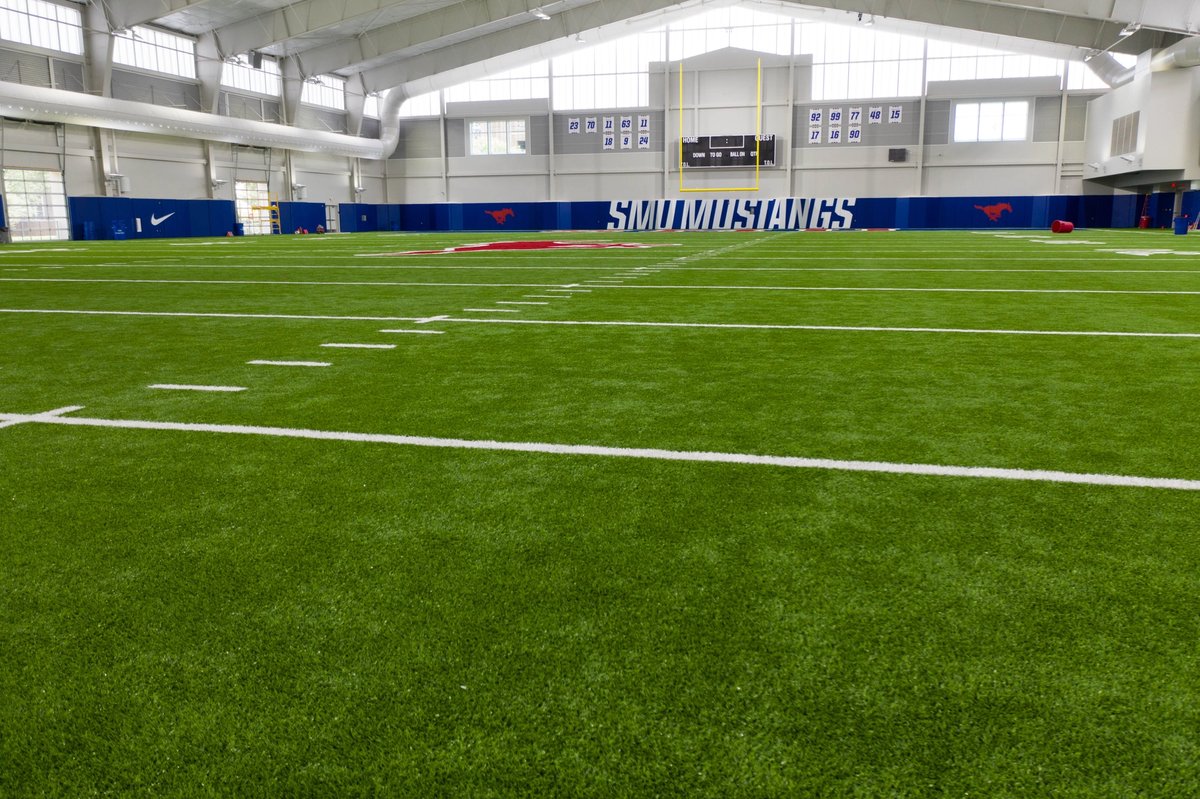
The Dallas Art Fair will move to a new venue for the first time in its nearly two-decade history, relocating from downtown Dallas to an American football training facility on the campus of Southern Methodist University (SMU) for its 2027 edition. The fair, one of the leading independent commercial art fairs in the US, will take place 15-18 April at the university’s Armstrong Fieldhouse—an indoor training facility for SMU’s football team.
The move will give the fair more room to accommodate galleries and improve visitor experience, says fair director Kelly Cornell, while offering a fresh setting for an event that has outgrown its longtime home. “FIG has been an excellent home for us for the past 18 years, but it's also had its limitations in the sizing and amount of booths—those nitty-gritty details of producing a fair have been challenging,” Cornell says.
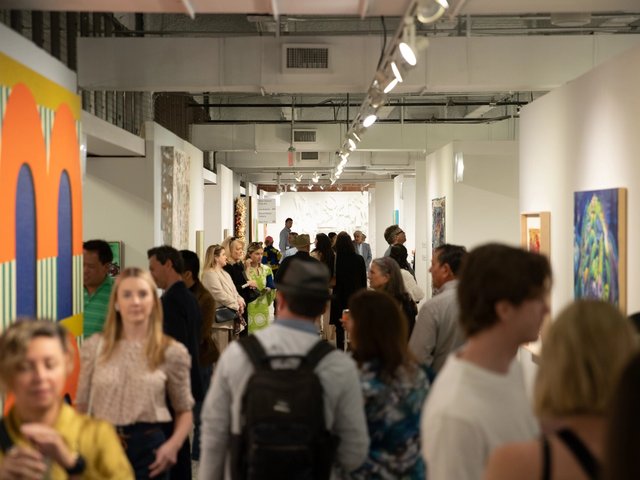
Since its inaugural edition in 2009, the Dallas Art Fair has occupied the Fashion Industry Gallery (FIG), a wholesale fashion market venue in downtown Dallas. FIG is owned by the local real-estate developer John Sughrue, who co-founded the fair with the curator Chris Byrne; Byrne left the organisation in 2017.
Earlier this year, FIG announced that it had extended its lease on the building until 2033, and local media reported that the fair would continue to be held there. Cornell says the organisation had been searching for a suitable alternative for nearly a decade, and that plans to relocate in 2027 came together quite quickly.
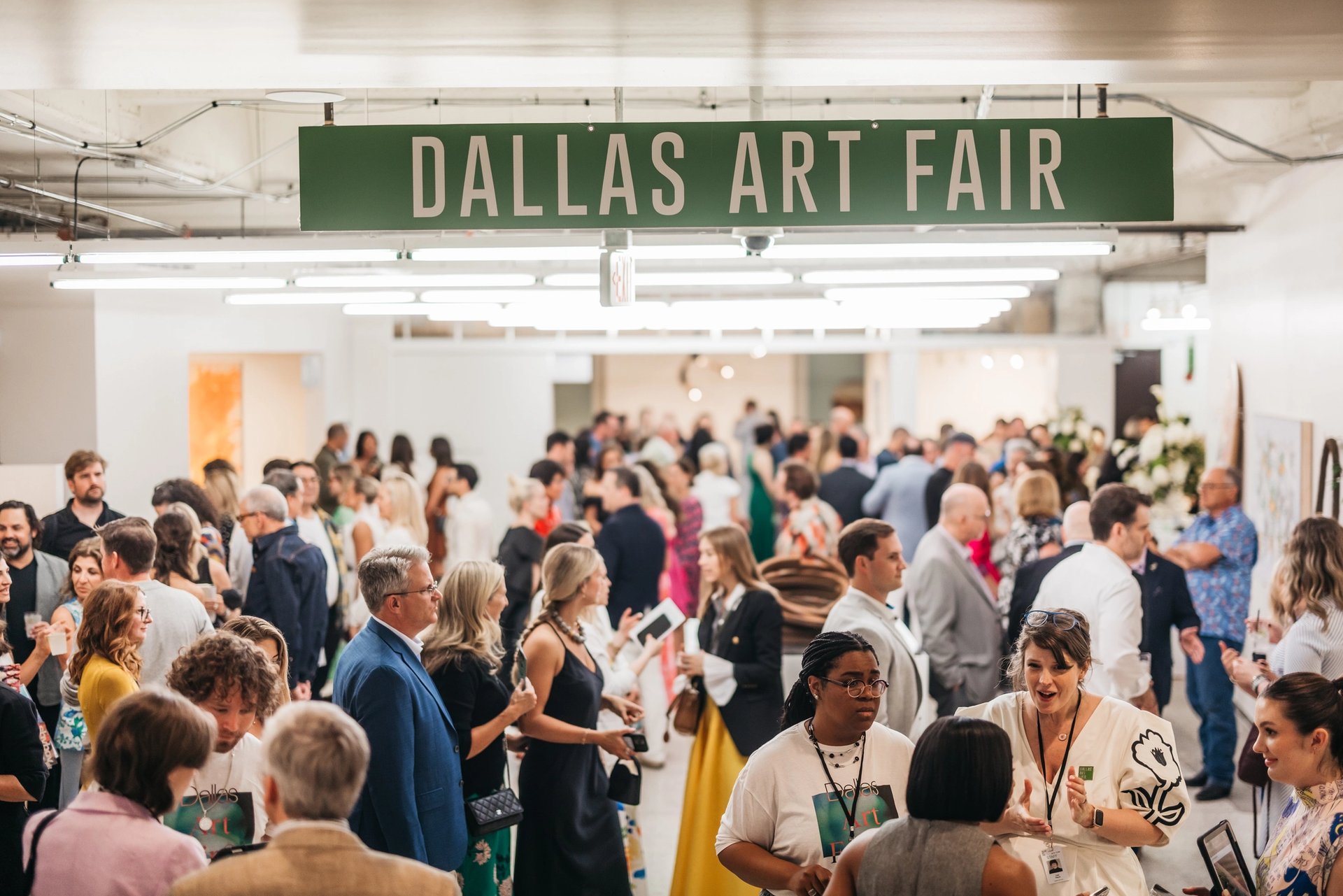
The Dallas Art Fair at its former home at FIG (Fashion Industry Gallery) Courtesy Dallas Art Fair
The Armstrong Fieldhouse offers a more flexible layout than FIG, where fair exhibitors had been split across two floors with limited visibility between them. The new venue will bring everyone together on one level playing field—literally—with higher ceilings and fewer physical obstructions to work around.
The fair will need to cover the playing surface, but Cornell says she intends to retain the field goals. “It’s an easy blank slate that we can load one story in and out,” she says. “The logistics were excellent, and then it took getting the university support and buy-in.”
The fair first became interested in the fieldhouse three years ago, Cornell says. The ushering in of SMU’s president, Jay Hartzell, and provost, Rachel Davis Mersey, in recent years have helped bring the university on board to partner with the fair.
The private university, nicknamed Southern Millionaire’s University, has more than 12,000 students. It is located in University Park, around five miles north of downtown Dallas, and borders Highland Park, an affluent neighbourhood that is home to many of the city’s art collectors. Cornell says the fair’s new location will be walkable for many visitors, and the partnership with SMU could bring good relationships with both the university’s board and students having their first experiences with commercial art.
The fair does not intend to expand dramatically in exhibitor numbers for its 2027 edition. It typically presents around 90 galleries (with the total closer to 100 in the years before the pandemic), but the limitations of FIG left little scope for growth. Now, the new venue is expected to give participating galleries greater flexibility to create larger installations and more immersive presentations.
The move will also allow the fair to improve circulation and introduce an upscale dining option on site. Other planned upgrades include higher walls, improved lighting and infrastructure, and more space for hospitality and sponsors.
“The intention is to continue to increase the quality of the fair and provide better space for our galleries,” Cornell says. “Twelve-foot walls, nicer infrastructure and lighting, being able to provide more hospitality and sponsor spaces within the footprint—the goal is to be the best fair of our size in the world.”