Near the desert cliffs of Cerro Azul, 170km south of Lima, visitors are likely to stumble on El Huarco. This is a place where architecture was not merely the result of conquest but served as an aggressive form of visual propaganda, designed to overwrite the history of a vanquished society. Recently, maritime and coastal archaeological research has revealed that an imposing imperial structure, erected by the Inca in the 15th century, was not intended to be seen from land but instead to scare off enemies approaching by sea.
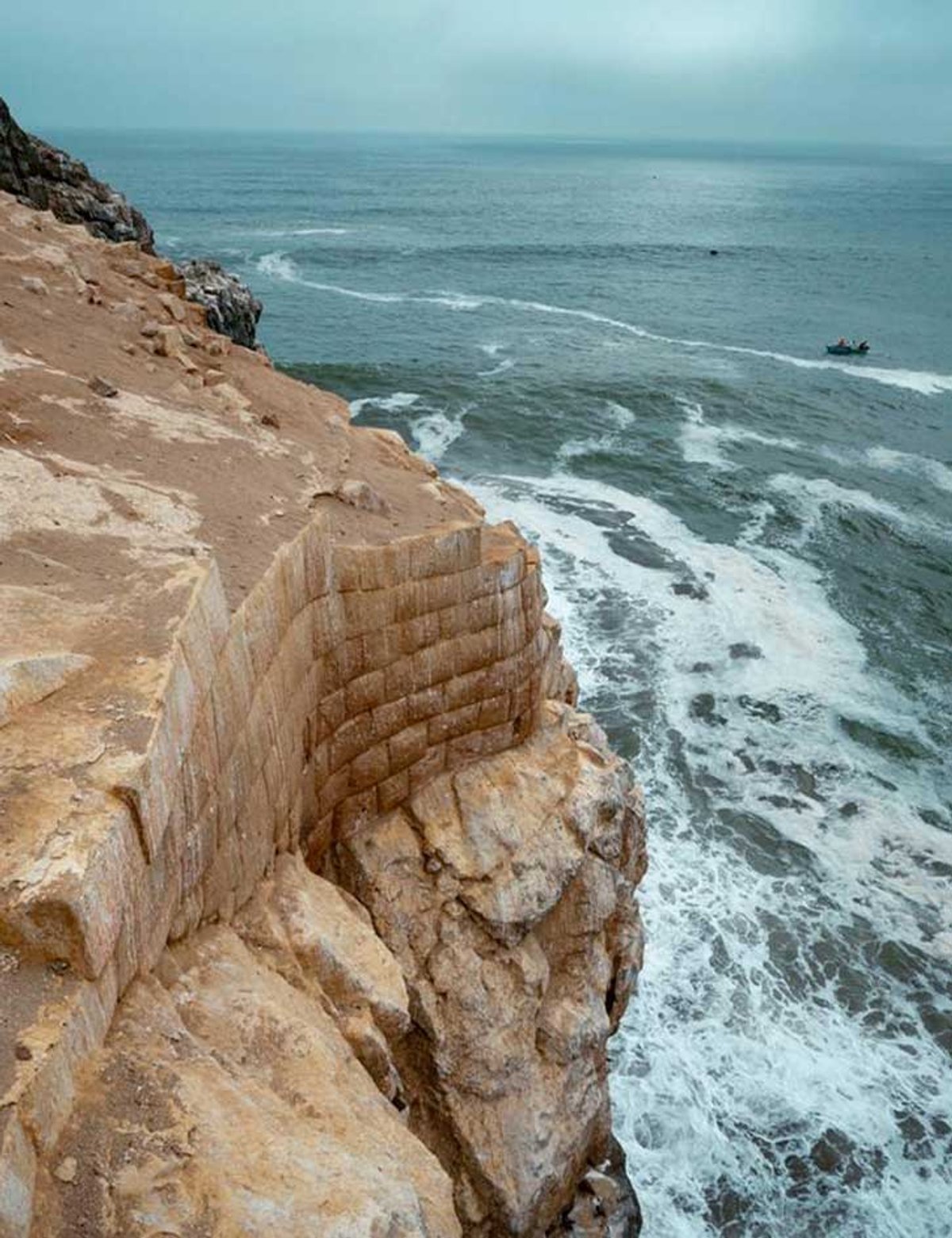
To secure their dominion, the Inca undertook a radical aesthetic transformation of the cliffs, creating a landscape specifically designed to both impress and intimidate. “Recent studies along the bluffs have identified 17 architectural elements,” the archaeologist Rocío Villar Astigueta tells The Art Newspaper, “including walls and orderly lines of stone that provide evidence of the intense modification of the cliff face overlooking the sea.”
She adds that this architecture was deliberately planned to be viewed from the ocean: “Its visibility from the sea acted as a political marker for sailors, communicating the presence and power of the Inca Empire on the central coast,” linking this architecture to a system of ports or paths that formed part of the network of the Qhapaq Ñan (the Inca road system).
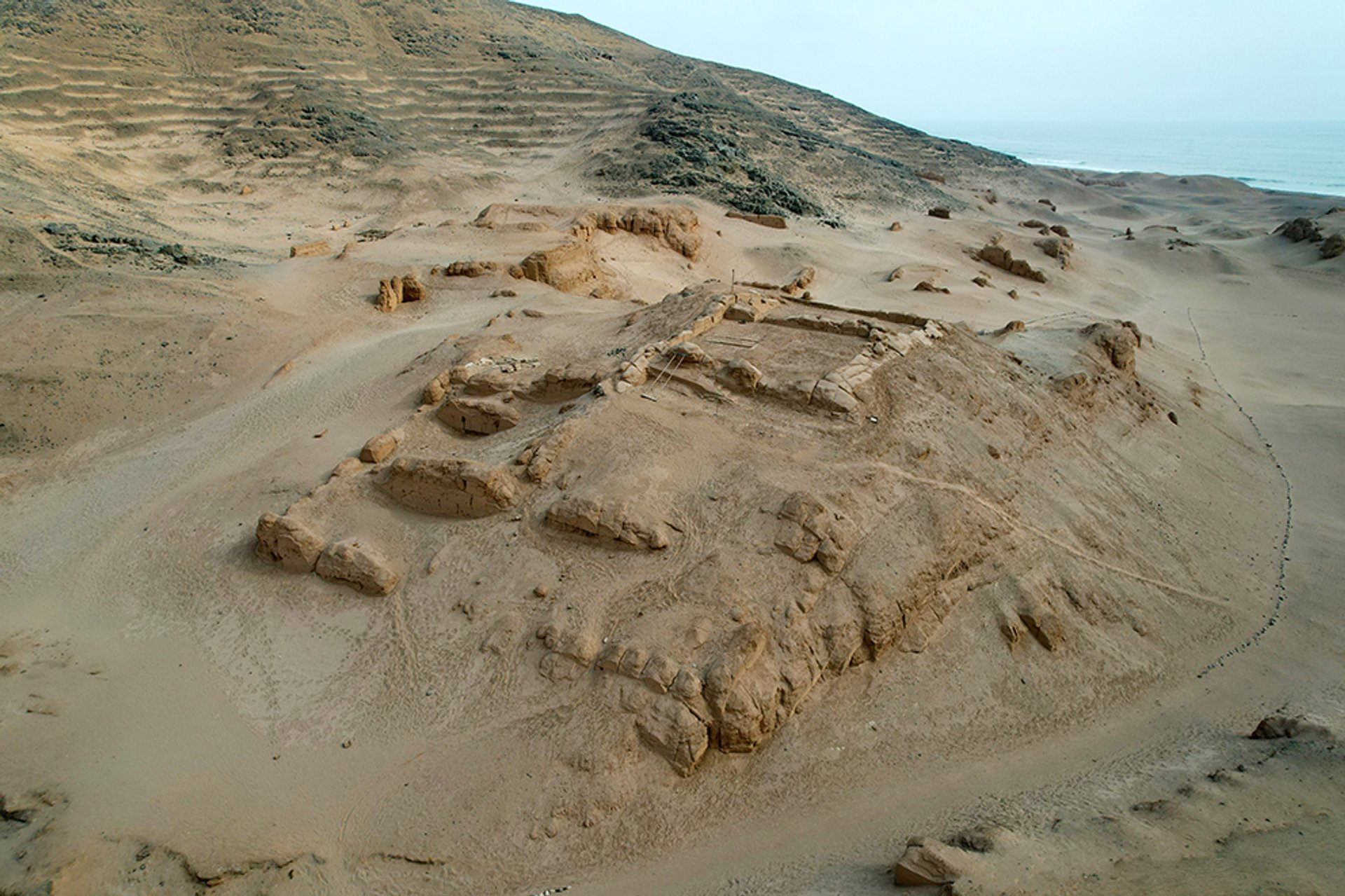
El Huarco Archaeological Site Rocío Villar Astigueta/Ministerio de Cultura de Perú
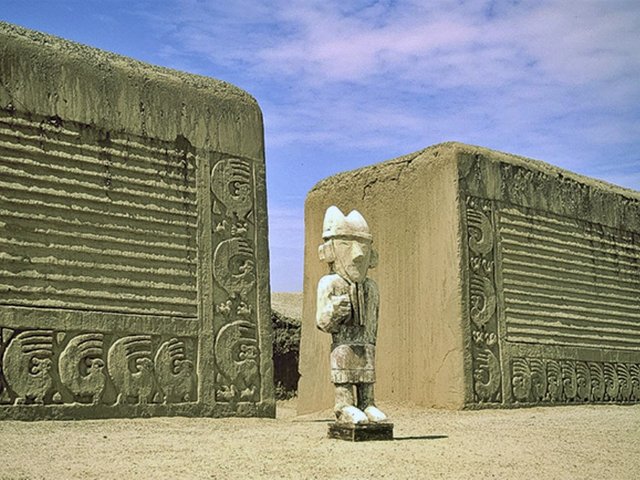
Prior to the expansion of the Inca Empire in the 15th century, the lower part of the Cañete Valley belonged to the Huarco Confederation. The Huarco were master fishers, hydrologists and architects of the landscape. Their architectural language was defined by tapial—massive walls of rammed earth that reflected the dusty shades of the cliffs—and small sun-dried adobe bricks. For centuries, this organic architecture served a proud society that tenaciously defended their autonomy.
In his Crónica del Perú (1553), the Spanish conquistador Pedro Cieza de León describes the war between the Inca and the Huarco as one of the most brutal chapters in the pre-Hispanic history of the Andes. The Inca forces faced stubborn resistance for four years, and their victory ultimately came not through a direct military advance but trickery.
As the story goes, the Inca emperor’s wife used the area’s spiritual traditions to devise a deadly trap. She sent a mission to propose a great ritual ceremony of joint fishing to honour the goddess of the sea, promising the Huarco that the Inca would recognise their sovereignty over the valley in exchange for their participation. The Huarco agreed, abandoning their clifftop fortresses to board the ceremonial rafts. Once the hidden Inca army had left the Huarco defenceless at sea, it entered the valley, took control and captured the population. The Inca hanged the Huarco leaders and most of the local inhabitants.
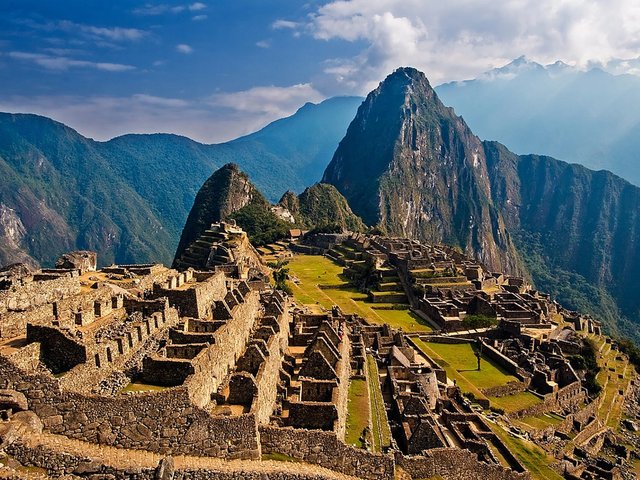
To create the imposing cliff structure after their successful conquest, the Inca introduced elite stonework techniques to an environment built entirely of earth. Villar stresses that the architectural styles found on the cliffs include imperial masonry with finely rounded and assembled stones, comparable to what is found in the palaces of Cuzco—the historic capital of the Inca Empire. For anyone sailing along the coast, the sight of these enormous stone structures, perfectly fitted together and gleaming on the desert cliffs, held an unmistakable message.
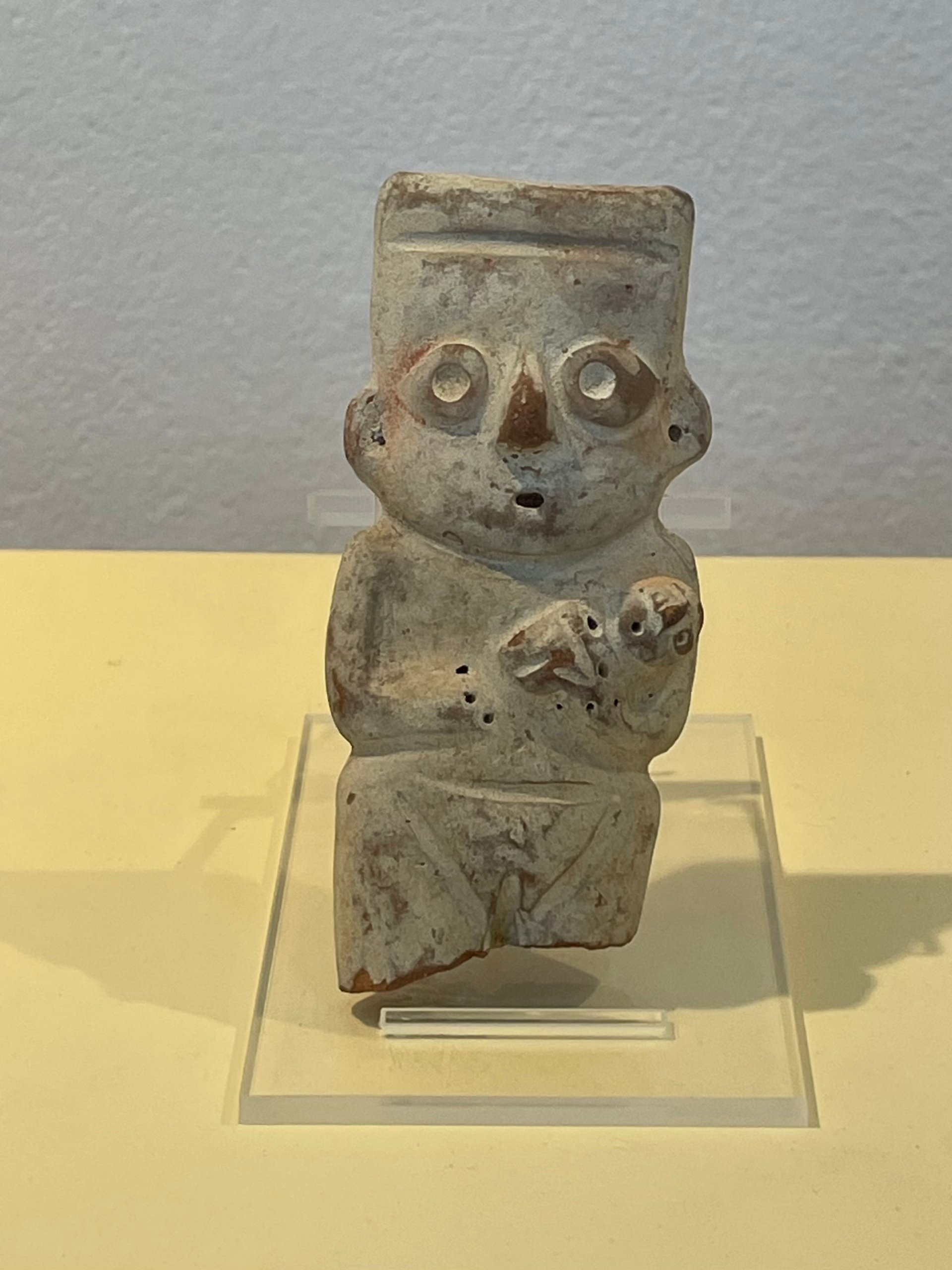
A ceramic sculpture recently found in the waters off El Huarco Rocío Villar Astigueta/Ministerio de Cultura de Perú
Diving for treasure
Recent archaeological research in the waters just off El Huarco’s cliffs followed reports from local fishers of strange objects and shapes spotted beneath the waves. Peru’s cultural ministry organised groups of divers to see if they could find anything. They discovered submerged stone walls, once part of the coastal settlement (now underwater because of changes in sea level, erosion and earthquakes) as well as Inca artefacts tied to early navigation and fishing. Many of the surfaced artefacts are now held at the nearby Municipal Museum of Cerro Azul.
“The museum’s entire collection consists of objects that residents have voluntarily contributed,” says the archaeologist Astrid Suárez. “The fishermen’s associations also support fieldwork aboard their boats. Children play a crucial role, insisting to their parents that they hand over objects discovered by their grandparents or aunts and uncles and passed down from generation to generation, after learning that this is cultural heritage and we are all responsible for protecting it. The children also act as museum guides in exchange for tips.”
As Peru’s cultural ministry uses some of these new findings as proof of the importance of the site—an effort to eventually declare it Cultural Heritage of the Nation—the cliffs of Cerro Azul continue to bridge the gap between myth and reality. The site remains an enduring monument to the way empires, water and stone can rewrite human history.