Provincetown, the harbour community perched on the tip of the Cape Cod peninsula in Massachusetts, has a well-earned reputation as a haven for artists, but that status is under threat due to a lack of affordable housing. Geographically secluded and aesthetically distinctive, the town, which experienced an influx of Portuguese sailors in the 1850s, has attracted artists for almost a century, particularly queer painters, writers and poets.
Provincetown’s Fine Arts Work Center(FAWC) has been at the heart of this creative community since it was founded in 1968 by a group that included the painters Robert Motherwell, Myron Stout, Jack Tworkov and Fritz Bultman. The painter Sam Messer and Pulitzer Prize-winning poet Mary Oliver were among the centre’s early residents, followed in ensuing decades by artists including Lisa Yuskavage, Jack Pierson, Ellen Gallagher, Jeffrey Gibson, Firelei Báez, Elliot Hundley, Jacolby Satterwhite and Jennifer Packer.
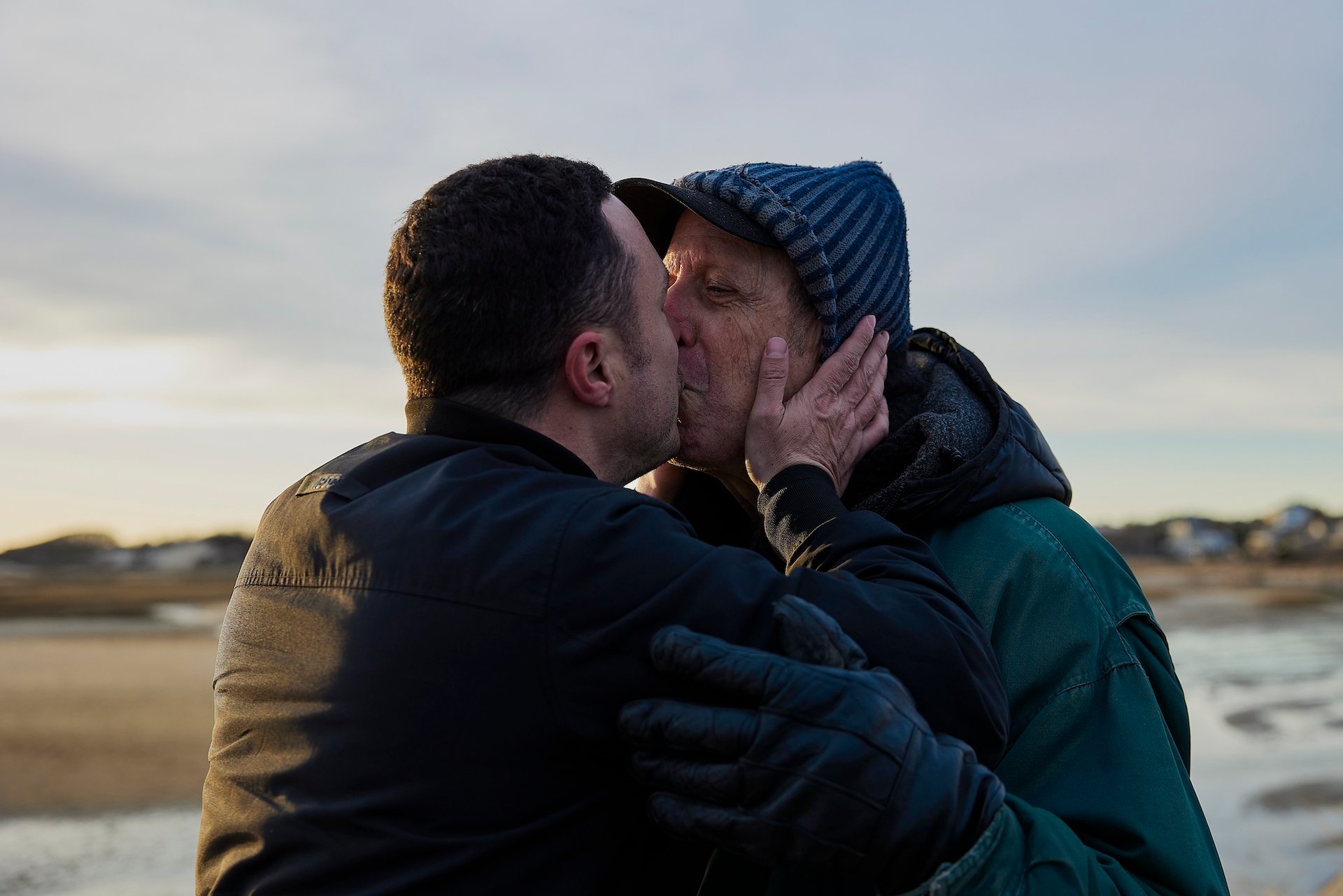
Miguel Braceli, True love Kiss: a Queer Fairy Tale in Provincetown, 2024 Courtesy the artist
Today, the non-profit grants artists access and community in a town that is among the most expensive in New England during the summer season. Providing room and support for queer artists remains a priority. The Venezuelan artist Miguel Braceli, for instance, completed his 2024 residency by orchestrating the public performance True Love’s Kiss, in which strangers were invited to lock lips at the granite breakwater on the shore’s very western tip.
Located in the Provincetown’s residential east end, the FAWC is best known for its residency programme, which provides ten artist fellows and ten writers with lodging and studio space for seven months every year, between October and April. Among this year’s artist residents are Abigail Dudley, Alina Perez, Nasim Hantehzadeh and L.J. Roberts.
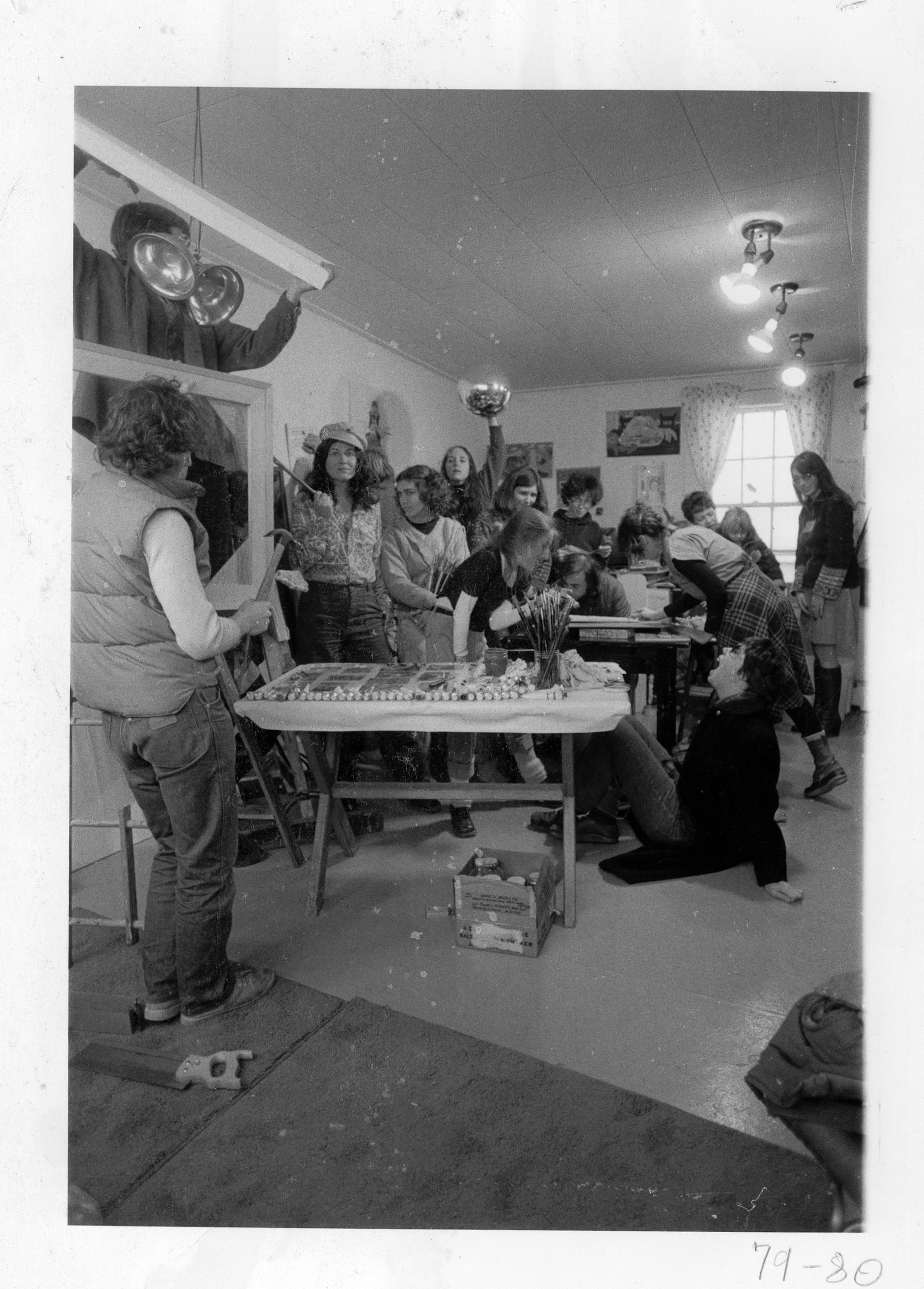
The Fine Arts Works Center's 1979-80 fellows in the studios Courtesy the Fine Arts Works Center, Provincetown, Massachusetts
“People have come here for generations to live their identities to the fullest and they have heavily contributed to the artistic creativity that makes Provincetown what is,” Sharon Polli , the centre’s executive director, tells The Art Newspaper. “The unique experience residents feel the second they drive down Route 6 or step off the ferry comes out in the work created here.”
The centre has been in a continuous state of expansion and renovation for much of its 58-year history. What was once the longtime Provincetown resident Hans Hoffman’s studio is now a fraction of the centre’s main grounds, named Days Lumberyard, which includes multiple living units, studios, offices, an auditorium, a gallery space, an outdoor area and a printshop that still houses Motherwell’s own press. The centre acquired a heating supply building in 1972 for around $120,000 and has gradually transformed its coal bins and other disused or dilapidated areas into its main hub.
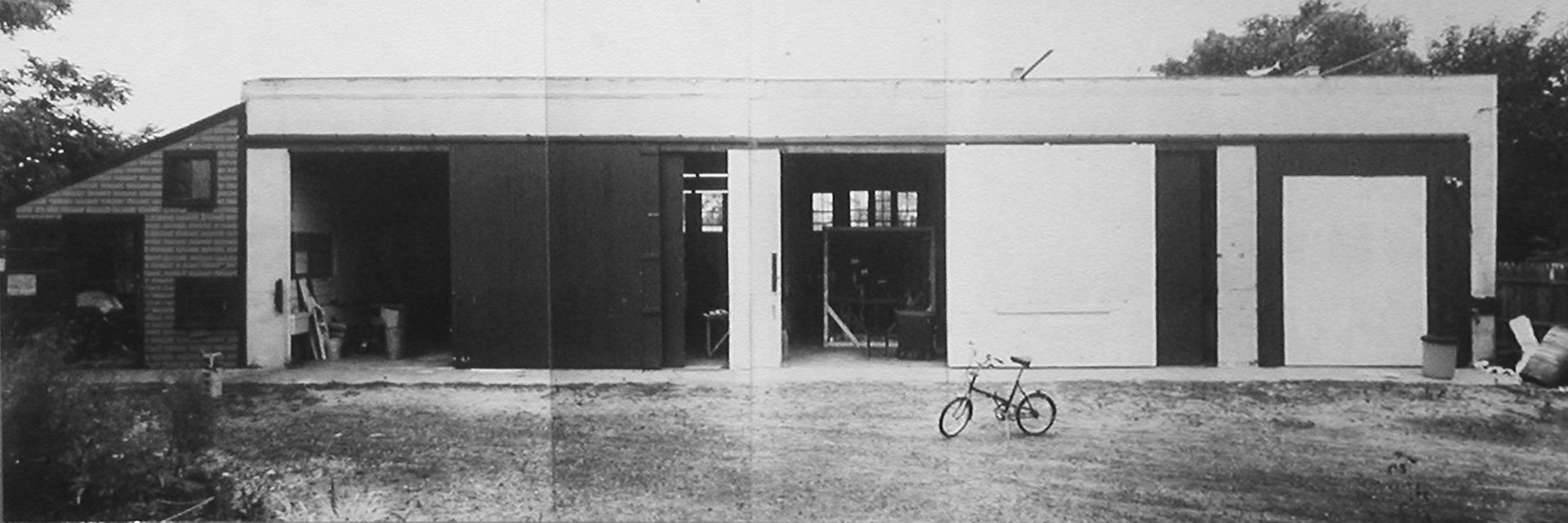
The Days Lumberyard building at the Fine Arts Work Center in Provincetown, Massachusetts, date unknown Courtesy Fine Arts Work Center, Provincetown, Massachusetts
Polli says the lumberyard’s growth and importance to the community are proof of “Provincetown being a place where there has always been room for artists and writers who maintain the town’s cultural identity” since the middle of the 20th century. The centre operates on an annual budget of around $3m, $600,000 of which this year was raised at its annual summer gala at the Pilgrim Monument at the Provincetown Museum.
The centre’s core role in maintaining the town’s artistic and intellectual identity has recently been officially acknowledged. The municipal board made a pledge this past summer to grant the centre $1.5m toward a planned $12m transformation of its 4 Brewster Street building. Located around the corner from the main FAWC complex, the lot the centre acquired in 1997 is in line for a totally new build. The Boston-based firm Hacin Architects was selected to double the housing square footage for fellows and staff, while adding a community space and a rooftop garden.
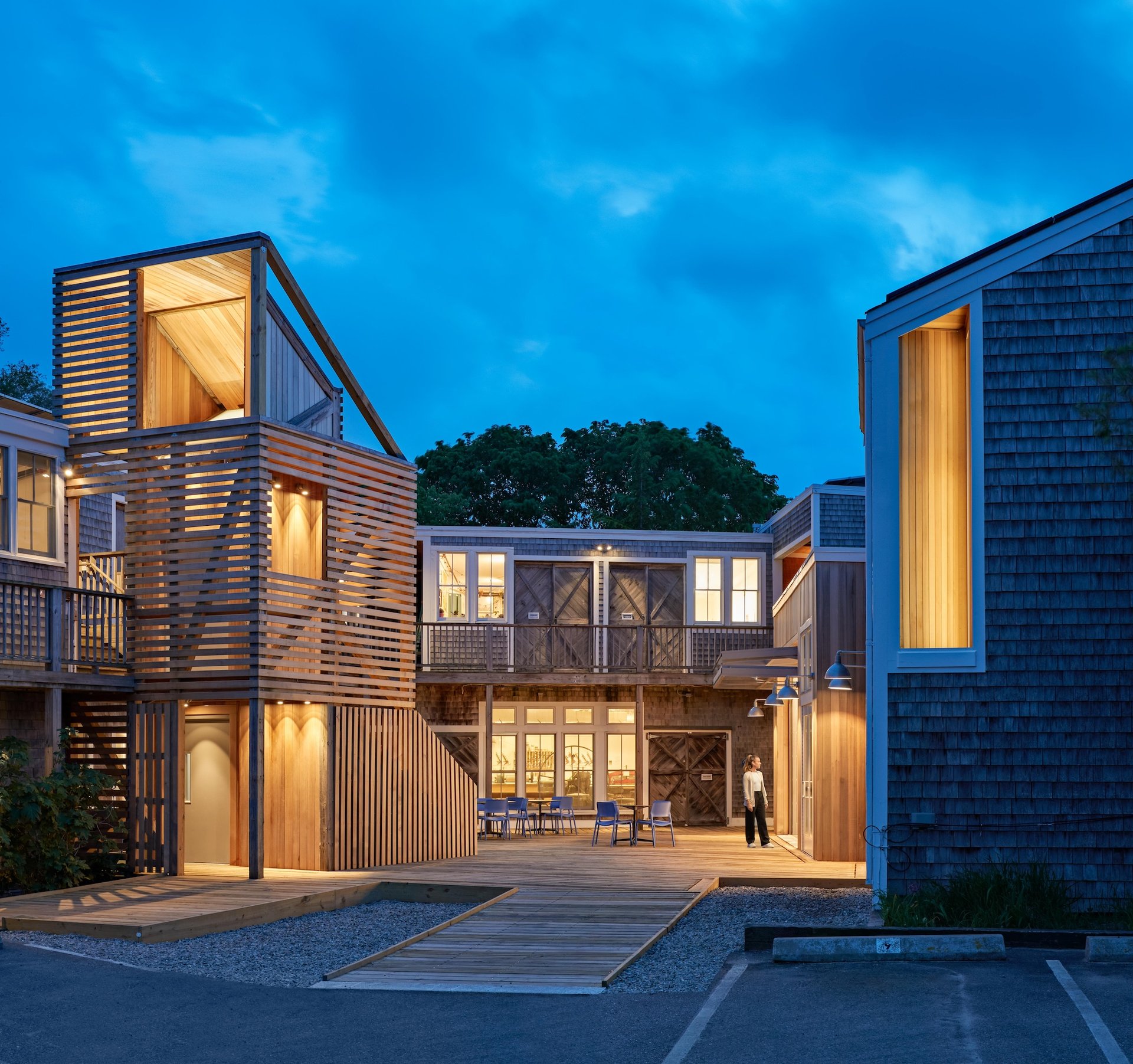
The main Fine Arts Work Center complex in Provincetown, Massachusetts Photo: Robert Benson
“We are hoping that the municipal support will help us leverage private funding,” Polli says. She and her team of 12 full-time employees keep the conversation and cultural exchange active throughout the off-seasons by offering a community-oriented programming. The year-round calendar includes FAWC Fridays, group exhibitions with past fellows, Queer Week, workshops and public talks with artists such as Catherine Opie, Ilana Savdie and Doron Langberg.
Polli says the centre’s off-season programming is even “more important than anything we do rest of the year because we give people a place to engage with high-calibre dialogues where many locals have working practices”.