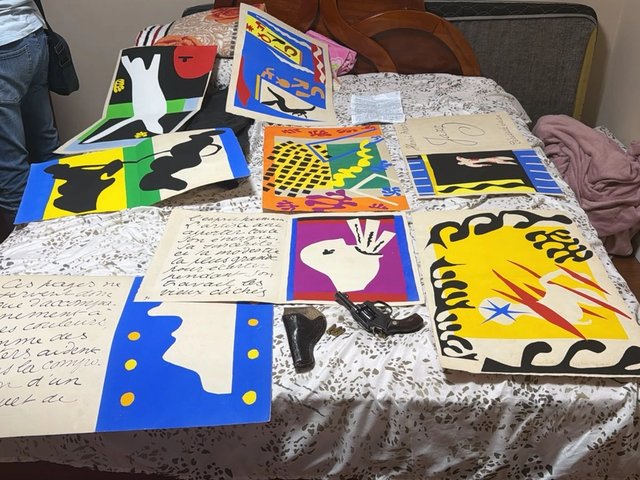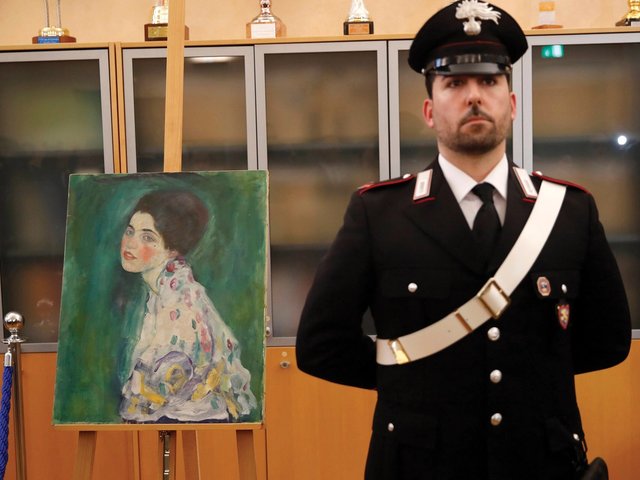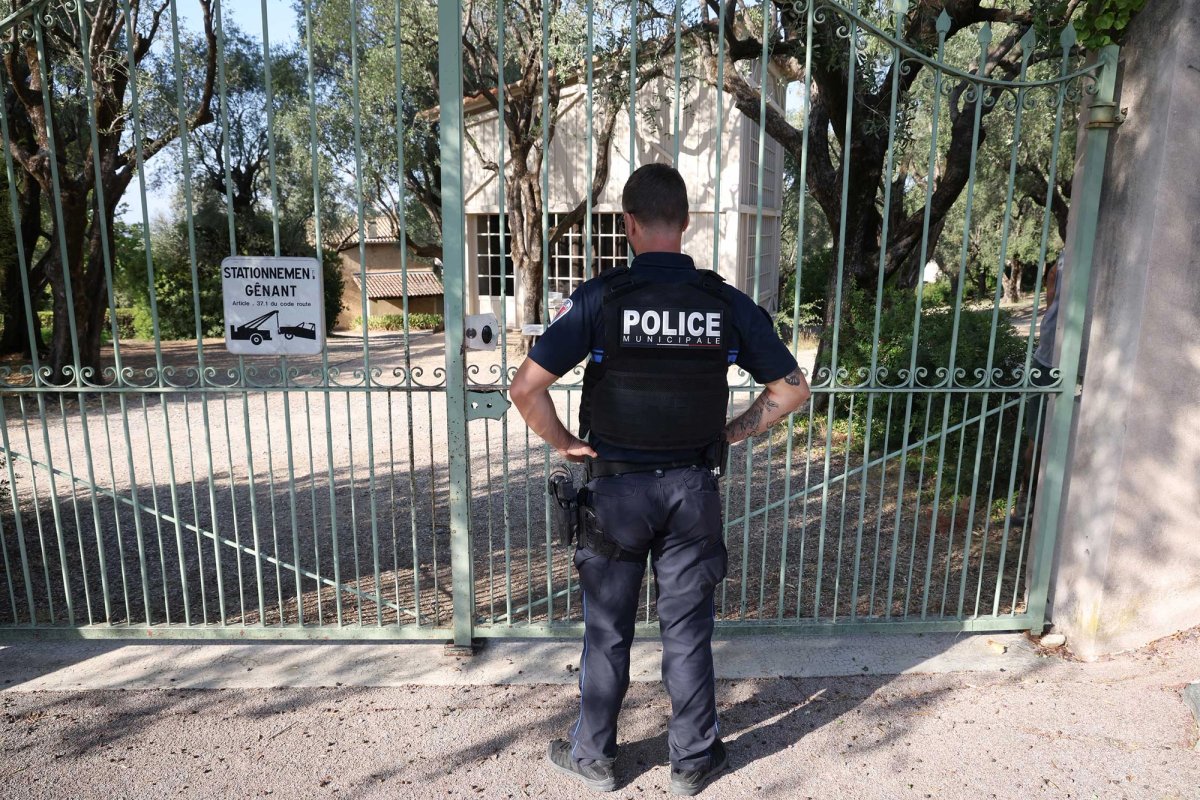
Europol’s warning that museum thefts are becoming more violent and frequent could hardly have been better timed.
Published on 24 August, its report, Changing Tactics, Changing Targets: The Evolving Nature of Museum Heists, was followed within days by a string of high-profile thefts. On 27 August thieves stole a “priceless” Bronze Age hoard from Spain’s Museum of Villena; the same day a robbery at Vienna’s Museum of Applied Arts netted a diamond necklace worth several million euros. On 8 September thieves broke into the Musée Renoir on the French Riviera, with two works by the artist still missing.
There are plenty of regulations. The real problem is the lack of effective enforcement
“We have observed a clear and steep increase in the number of museum robbery cases since around 2022/2023,” says Jean-Yves Goriou, the head of the EU Organised Crime Unit, within Europol’s European Serious and Organised Crime Centre (ESOCC). Precious metals and stones, as well as Chinese cultural artefacts are identified in the report as increasingly popular targets, a trend which the report argues can be attributed to the objects’ high financial value.
“Some buyers in China will bid on these objects—sometimes to astronomical levels—but when they cannot acquire them legitimately, there appears to be a market for stolen Chinese treasures,” says Christopher Marinello, the founder and chief executive of Art Recovery International. He disagrees however, with the report’s claim that they “are likely to be easily sold on the art market”, arguing that “there are plenty of regulations on the books, many of which place significant burdens on honest dealers. The real problem, in my view, is the lack of effective enforcement of those regulations.”
Louvre’s €88m loss
The concentration and visibility of attacks, particularly against museums holding exceptionally valuable jewellery and precious metals, certainly feels prominent on the public agenda—boosted perhaps by the recent anniversary of the 2025 heist of €88m worth of jewels from the Musée du Louvre in Paris.
However, given that many museum thefts have historically remained unreported—often due to embarrassment or to prevent highlighting security vulnerabilities—“the lack of substantial consistent data has long made it a challenge to establish a workable sample size”, says Julian Radcliffe, the director of the Art Loss Register.

“In the sense of volume of crimes [against museums], there’s not been a change,” says Robert Read, the head of art and private clients at Hiscox insurance. He adds that around 50% of insurance claims continue to stem from accidental damage but adds that there does appear to be a shifting set of motivations at play. “Whereas financial value has long been understood as the key driver of such crimes, there is a sense that items could be being stolen to order, used as collateral, or even just to embarrass public institutions or governments,” he says.
Europol’s research describes a shift from the “traditional trafficker” towards an “emerging aggressor”. The former is characterised as a specialist, non-violent offender operating within a structured criminal network focused on cultural property. The latter is an ad hoc and decentralised perpetrator, prepared to use high-risk violence and operate across criminal markets, rather than concentrating exclusively on cultural property.
Organised networks
“A lot of these trends [in the Europol report] are not new, but they’re arguably occurring on a more pronounced or regular scale,” says Julian Radcliffe.
Certainly, the possibility of items being stolen to order by organised networks and with an eye on art market trends (notably the surge in demand for Chinese antiquities) has drifted in and out of public debate over museum thefts before. In 2016, for example, members of an organised gang were jailed for £57m worth of Chinese and rhino horn thefts from several UK museums and auction houses. Similarly, there is established understanding that the illicit trade in antiquities can involve networks spanning multiple types of criminality.