

Digital Editions
Newsletters
Subscribe
Digital Editions
Newsletters
Art market
Museums & heritage
Exhibitions
Books
Podcasts
Columns
Art of Luxury
Adventures with Van Gogh
Venice Biennale
Art market
Museums & heritage
Exhibitions
Books
Podcasts
Columns
Art of Luxury
Adventures with Van Gogh
Venice Biennale
Museums & Heritage
news

Archaeologists find ruins of vast Medieval Nubian cathedral in Sudan

Polish team used remote sensing techniques to detect the building, the largest of its kind in the region, as well as a possible tomb of an archbishop

Emi Eleode
6 July 2021
Share
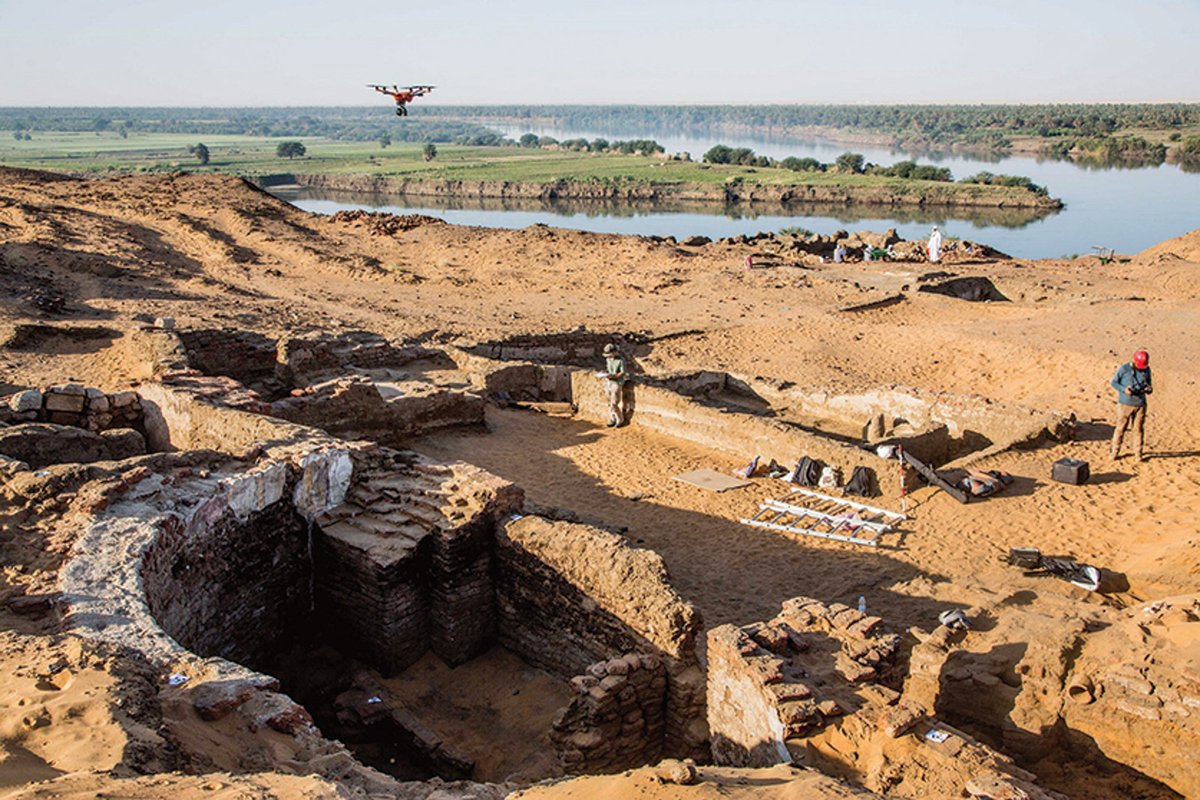
Excavations in Old Dongola revealed two walls of a 6m-wide apse as well as the dome of a large tomb Polish Centre of Mediterranean Archaeology, University of Warsaw/Mateusz Rekłajtis

Excavations in Old Dongola revealed two walls of a 6m-wide apse as well as the dome of a large tomb Polish Centre of Mediterranean Archaeology, University of Warsaw/Mateusz Rekłajtis

Archaeologists digging in Old Dongola, northern Sudan, have discovered the remains of what appears to be the largest Nubian church ever found in the region. They suggest that it could have been a Medieval cathedral that was a seat of power for archbishops in the Nubian kingdom of Makuria, where Christianity took hold in the mid-sixth century.

Artur Obłuski, who directed the expedition for the Polish Centre of Mediterranean Archaeology at the University of Warsaw, says remote sensing techniques led his team to investigate an empty space in the centre of the ancient town’s subterranean citadel in February. They had “not expected to find a church but rather a town square which could have been used for communal prayers”, he says. Until now, a church outside the citadel had been considered to have been Dongola’s cathedral.

The excavations revealed two walls of the church’s apse, decorated with paintings depicting monumental figures, and the dome of a large tomb to the south-east. The church building appears to be 26m wide, and as tall as a “three-storey block of flats”, Obluski says, with a 6m-wide apse.

The discovery of the tomb was even more surprising. Extrapolating from a cathedral found in the 1960s in the ancient Nubian city of Faras, which was located in the centre of a citadel with a bishop’s domed tomb to the east, Obluski suggests the Dongola tomb could also be that of an archbishop. Medieval churches were significant landowners and the backbone of society, often run by members of elite or royal families.

Dongola flourished as a Christian centre until the 14th century, when Islam gained ascendancy with the arrival of forces from Egypt and elsewhere. Polish archaeologists have excavated in the area since 1964, and since 2018 have been bolstered by a €1.5m European Research Council grant intended to help chart the twilight of Christian Dongola and the evolution of pre-colonial African communities.

Obłuski and his colleagues hope that further research will enable them to date the church’s construction. Because of the coronavirus pandemic, and other complications, the team has had to skip one season of work but will resume this autumn.
Subscribe to our daily newsletter

Museums & HeritageHeritageChurchesSudanOld DongolaArchaeologyAntiquities & ArchaeologyArchitectural HistoryArchitecture
Share
Subscribe to The Art Newspaper’s digital newsletter for your daily digest of essential news, views and analysis from the international art world delivered directly to your inbox.
Newsletter subscribe
Information
About
Contact
Cookie policy
Data protection
Privacy policy
Frequently Asked Questions
Subscription T&Cs
Terms and conditions
Advertise
Sister Papers
Sponsorship policy
Follow us
Instagram
Bluesky
LinkedIn
Facebook
TikTok
YouTube
© The Art Newspaper

Related content

Conservation & Preservationnews
16 July 2021

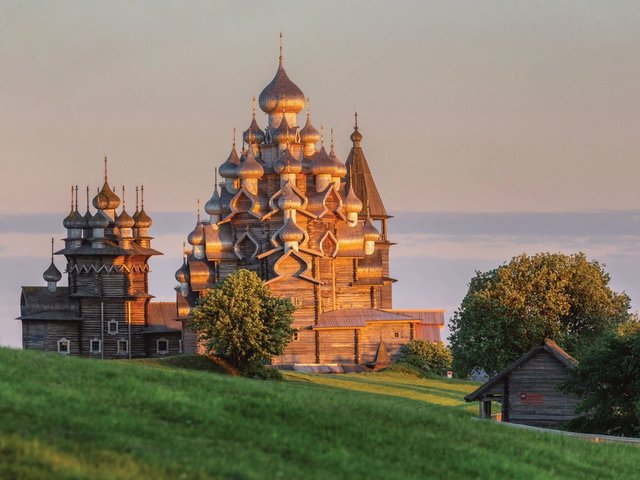
Nailed it: Kizhi Pogost church is finally restored on Russian island of remarkable wooden buildings

Newly reopened 18th-century Church of the Transfiguration, topped with 22 domes, is said to have been built without a single nail

Sophia Kishkovsky
Museums & Heritagenews
15 September 2023

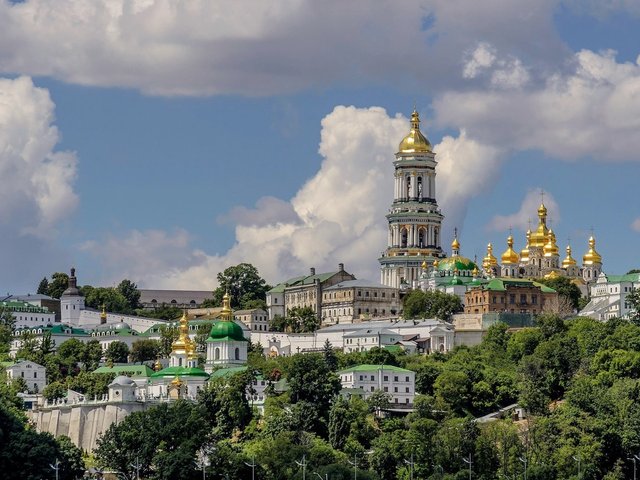
Unesco adds sites in Kyiv and Lviv to list of world heritage in danger

Amid the ongoing Russian invasion of Ukraine, Kyiv’s Saint Sophia Cathedral, the Kyiv-Pechersk Lavra and the historic centre of Lviv join Odesa on Unesco’s endangered list

Elena Goukassian