As two bills are passed by the US congress this week to better address the epidemic of violence Indigenous women face, an exhibition of photographs and other artworks organised by the Ziibiwing Centre of Anishinabe Culture and Lifeways in Mount Pleasant, Michigan, hopes to bring further awareness to the issue.
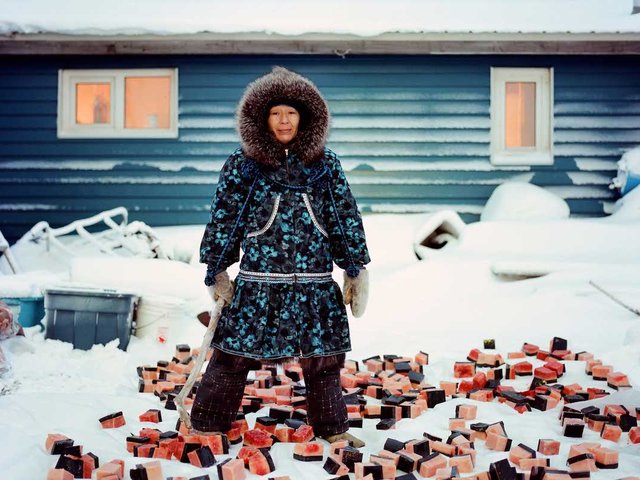
Boontak! (Stop it!): Stolen Daughters of Turtle Island features 94 low-light photographs of Indigenous women taken by the photographer Marcella Hadden, the tribal historic preservation officer of the Ziibiwing Centre who organised the exhibition with the curator William Johnson. She began capturing the photos in the show after attending a Round Dance, a ceremonial dance performed in the wintertime to honour deceased persons, which had focused on missing and murdered Indigenous women and girls (MMIWG).
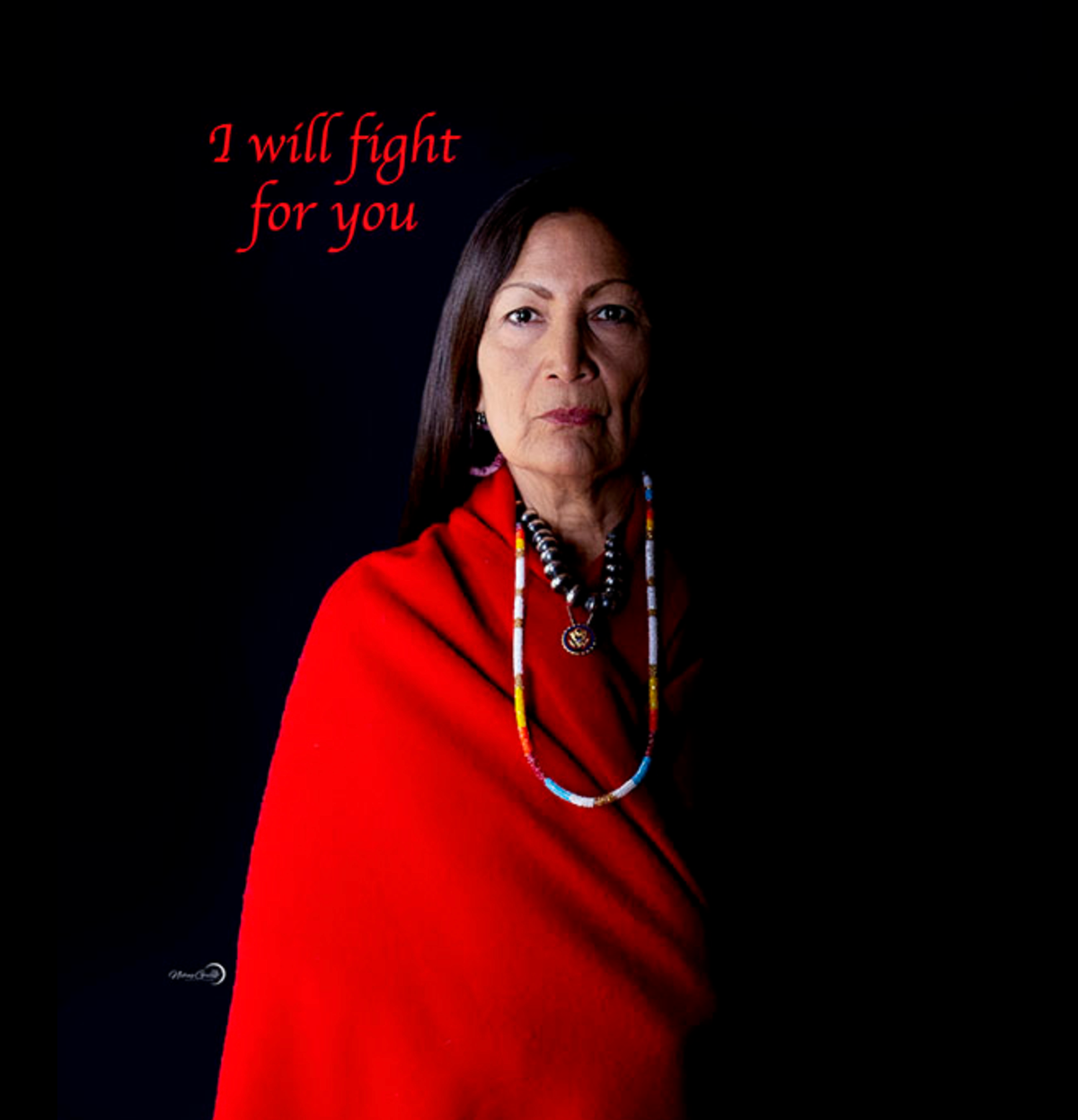
“I didn’t choose the subject of the photographs—it chose me, and the community chose it,” Hadden says. “I put out a call on social media and asked women in the community if they would like a free photograph in order to raise awareness for MMIWG, and got an overwhelming response. I shot more than 100 portraits, including one of US representative Deb Haaland, who has been at the forefront of the new bills.”
Indigenous women face murder rates that are more than 10 times the national average. And according to government statistics, 84% of Indigenous women experience violence in their lifetime ranging from domestic violence, sexual assault and sex trafficking. The bills, called Savanna’s Act—titled after Savanna LaFontaine-Greywind, a Spirit Lake tribe woman whose baby was cut from her womb after she was strangled at eight months pregnant in 2017—and the Not Invisible Act are aimed at protecting Indigenous women from violence by establishing better law enforcement practices to track and prevent the epidemic.
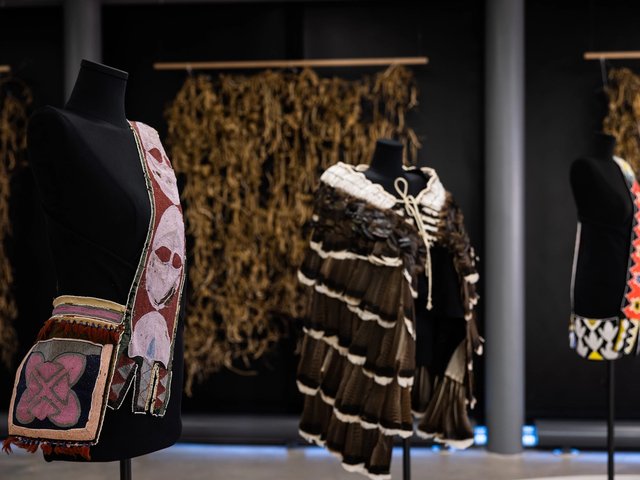
The show builds on an art memorial installation titled Walking with Our Sisters envisioned by the Métis artist Christi Belcourt to acknowledge the grief of families of MMIWG. The work began in 2012, when Belcourt crowd-sourced thousands of moccasin tops created by more than 200 people in the US and Canada. The installation was first shown at the University of Alberta in Edmonton in 2013 and has travelled extensively since it was conceived, making its final stop at the Ziibiwing Centre in 2016, where it included several moccasins from tribes in the community.
“The ceremony and the spiritual connection for the community was the greatest takeaway from that exhibition, which represented the unfinished lives of these women,” says Shannon Martin, the director of the Ziibiwing Centre. “The show brought community awareness and involvement.”
While the two bills introduced this week aim to make an impact on the federal level, the organisers of the show emphasise that grassroots efforts remain the driving force in the movement to protect MMIWG. “People are wanting to know what they can do to help,” Martin says. “Indigenous people are always looking for allies—you can get on your computer, contact the White House, urge Donald Trump to sign these bills, and encourage local law enforcement to understand the importance of the bills and how they can work cooperatively with Indigenous communities.”
She adds: “We welcome anything that can help us decrease this crisis.”