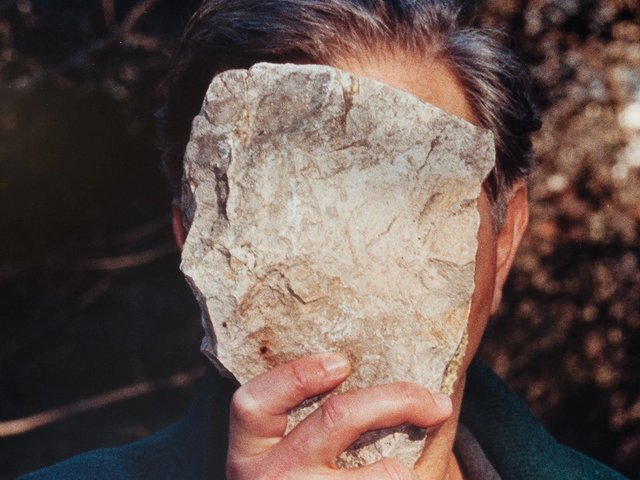
This British Museum’s South Africa: Art of a Nation (until 26 February 2017) tells the story of 100,000 years of art making. The show takes visitors on a journey from the earliest cave drawings to art being made today in South Africa. There is even one object in the exhibition that makes the case that this survey could reach back further in time. Three million years before Marcel Duchamp submitted his urinal to the Society of Independent Artists, a humanoid in southern Africa stumbled upon a naturally formed stone with a face-like markings and carried it to a nearby cave. Was this the very first readymade?
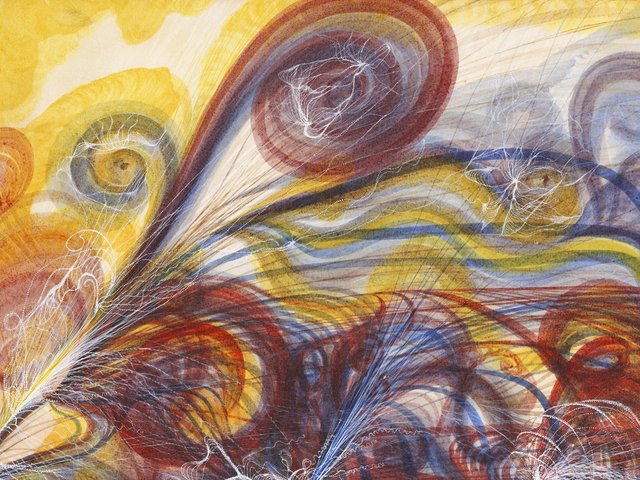
One of South Africa’s best-known contemporary artists, William Kentridge, has a major exhibition across town at the Whitechapel Gallery. Thick Time (until 15 January 2017) includes six large-scale installations, such as his room-filling, five-channel Refusal of Time (2012), with its cacophonous megaphones and symbolic breathing machine. But it is the more intimate, smaller works that are most captivating. Among these are Second-hand Reading (2013), a flip-book film made from drawing directly onto the pages of the Shorter Oxford English Dictionary, and Right into her Arms (2016), a miniature model theatre that uses projected images, drawings and props to channel the spirit of Dada.
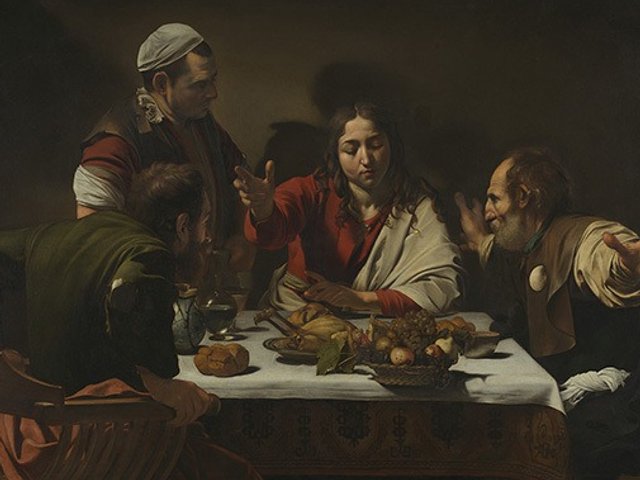
Beyond Caravaggio at the National Gallery (until 15 January 2017), looks at artists such as Orazio Gentileschi and Jusepe de Ribera through 49 works borrowed mostly from UK and Irish institutions, private collections and churches. The shows opened hot on the heels of the art historian Michael Fried’s new book, After Caravaggio, released by Yale University Press in July. What explains the widespread interest in this generation of painters? “I think we simply know a great deal more about these Caravaggesque artists than was known, say, 30 or even 40 years ago,” says Letizia Treves, the curator of the show. “As we have come to understand Caravaggio better, we’ve also been able to define more clearly the artistic personalities of those who came after him,” she adds.