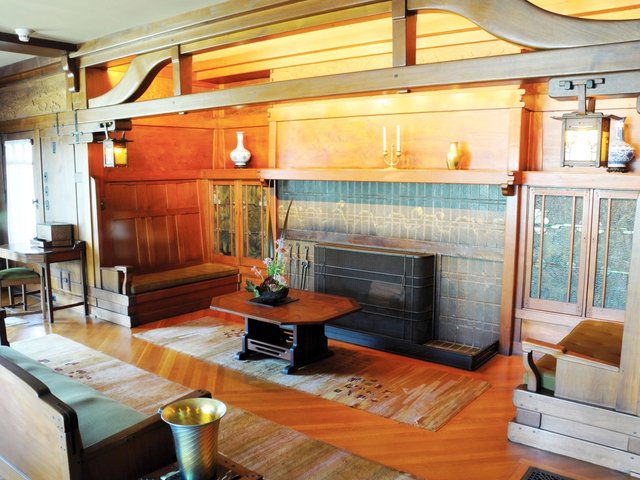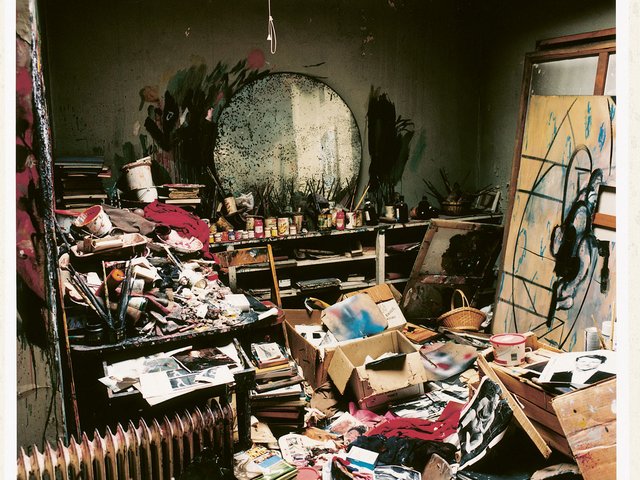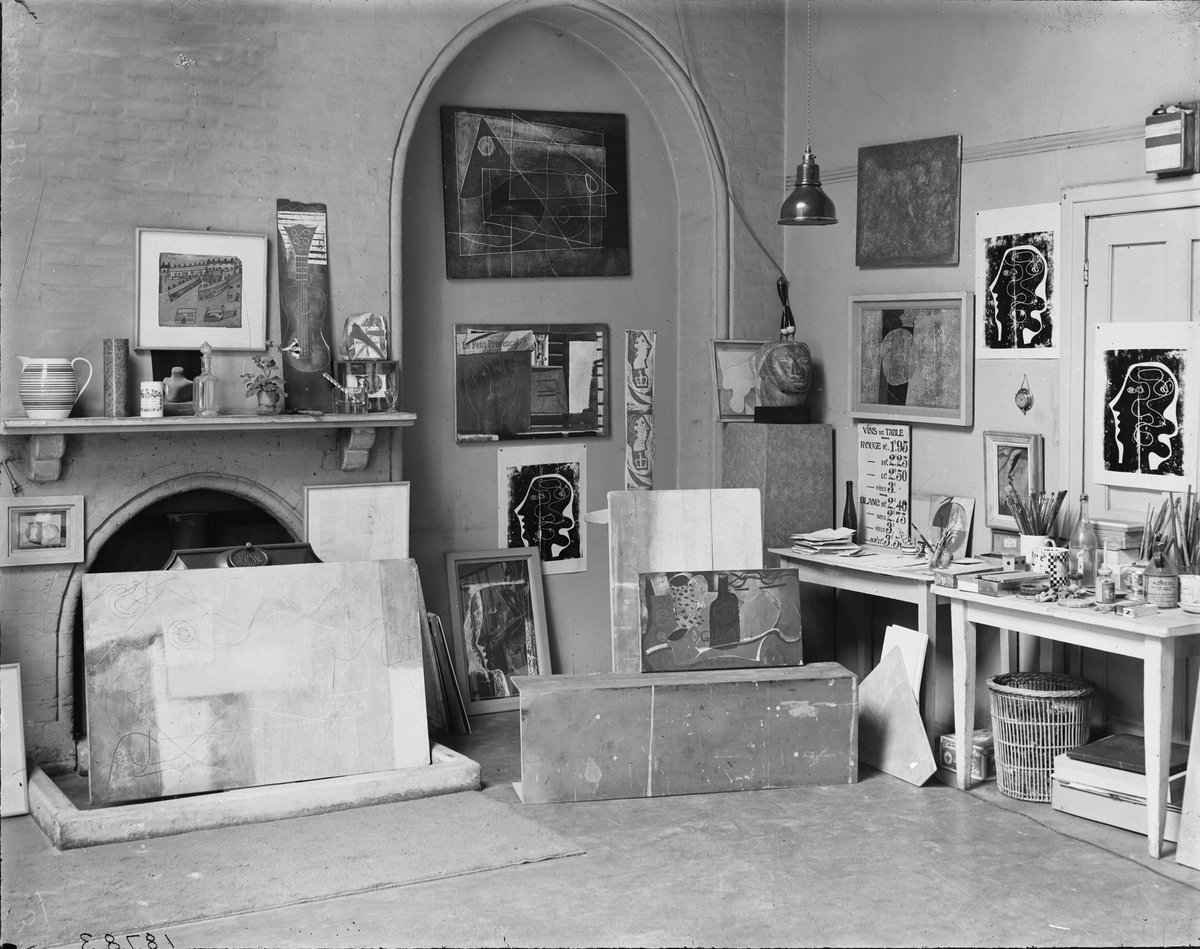
Studio Lives is an unusual and authoritative contribution to the history of British art and architecture between the end of the 19th century and the Second World War. Equal importance is given to the architect and the artist, to the design of the studio and its function as a place of work. The traditional role of the architect dominating the client is challenged through the analysis of 16 case studies; artists are revealed as “exceptionally opinionated and demanding clients”, and architects as “highly receptive to their ideas”.
The main narrative is chronological, following shifts in architectural styles from Arts and Crafts to Modernism, and changes in the economic position of British artists, from the golden 1890s to the volatile years between the wars. The case studies are a mixture of the familiar and the unexpected. G.F. Watts, William Orpen and Augustus John are obvious choices both for their celebrity status and the complex narratives surrounding their studios; however, Campbell also selects the sculptors William Reid Dick and F.E. McWilliam, the stained-glass artist Henry Payne, the textiles manufacturer Alastair Morton and four women, Winifred Nicholson, Eileen Agar, Gluck and Dora Gordine.
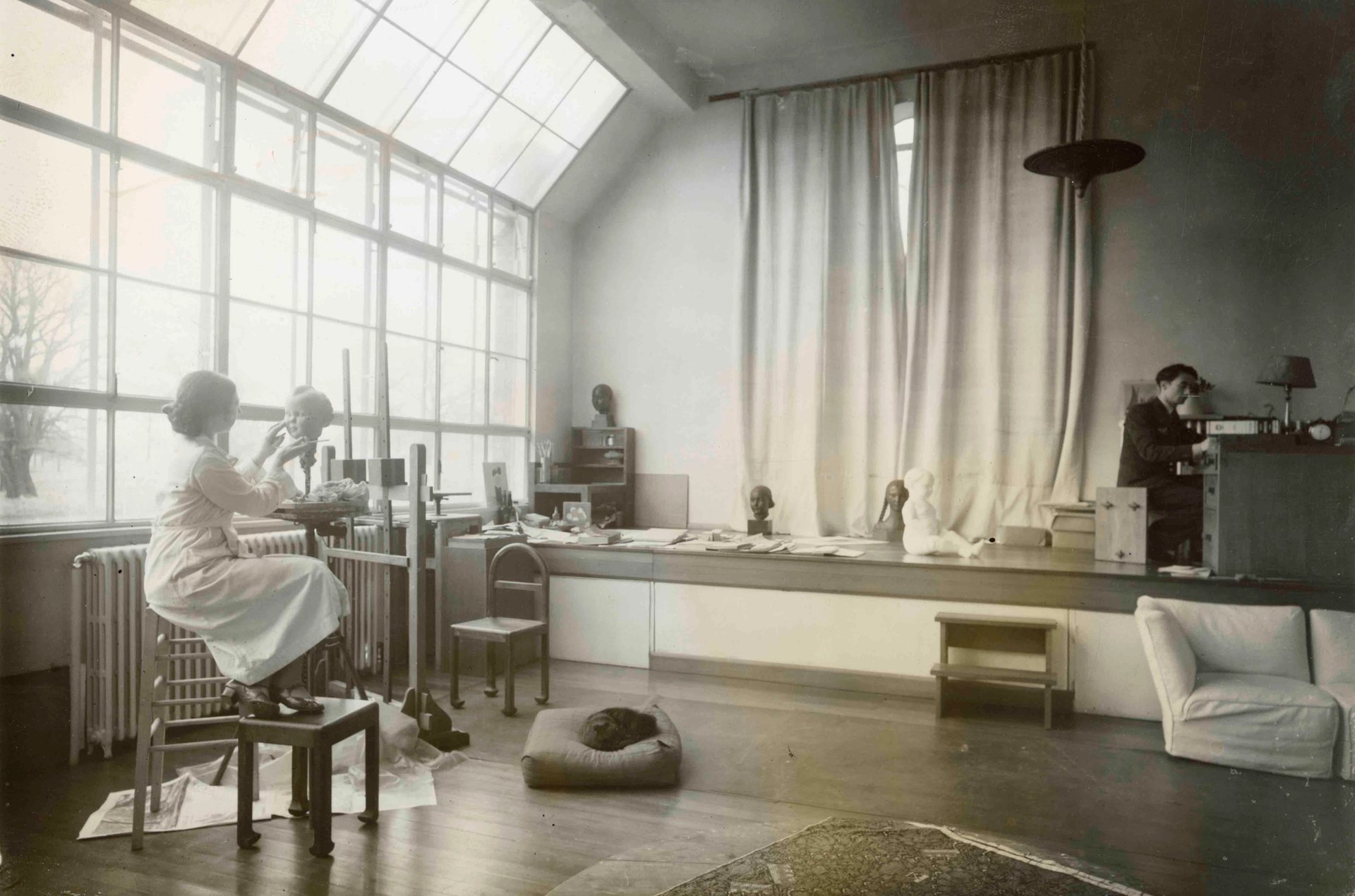
The sculptors Dora Gordine and Richard Hare at work in Dorich House, Richmond, London, the house they themselves designed Photograph: Historic England Archive
We are not confined to London, but taken to Banks Head in Cumberland (the Nicholsons), to Brackenfell in the Pennines (Alastair Morton), to St Loe’s in Gloucestershire (Payne) and Fryern Court in Hampshire (John).
The book is enhanced with over a hundred colour and black and white illustrations, many of which are from private collections and have not been previously published. Campbell demonstrates convincingly the power of contemporary magazines with their illustrated interviews and architectural features to build a picture of artists “crafting an image” of themselves through the planning, design and decoration of their studios.
• Louise Campbell, Studio Lives. Architect, Art and Artist in 20th Century Britain, Lund Humphries, 288pp, £35 (hb)
Caroline Dakers is the Professor of Cultural History at Central Saint Martins. Her publications include Fonthill Recovered. A Cultural History (2018) and The Holland Park Circle. Artists and Victorian Society (1999). She is currently researching the public image of artists in British society 1850-1950