The natural environment is at the core of the work of both the Los Angeles-based artist Sam Falls and the Milan-headquartered luxury menswear brand Zegna. Falls’s works land somewhere between Land Art and plein air photography; by leaving his materials out in the elements, he captures an image of a specific environment on a scale of time that is more celestial or geological than human.
For Edoardo Zegna—the chief marketing, digital and sustainability officer at the Italian menswear brand Zegna (founded by his great-grandfather Ermenegildo Zegna)—at the core of what the brand does is the 100 sq. km of forest in the Italian Alps known as Oasi Zegna the company has stewarded for more than a century. That sense of environmental stewardship echoes Zegna’s approach to how it sources and works with its materials, and how its garments are crafted to be durable, intergenerational heirlooms. This is also reflected in the brand’s commitment to contemporary art, from commissioning public pieces by Daniel Buren, Dan Graham and others, to its Visible project (initiated by Cittadellarte-Fondazione Pistoletto and Fondazione Zegna) to provide fellowships to socially engaged artists.
During Miami Art Week, Zegna (a global partner of Art Basel since 2024) has created an invitation-only pop-up space in the Design District called Villa Zegna that features a selection of Falls’s works; he will also have several pieces on view at 303 Gallery’s stand at Art Basel Miami Beach as well as in the Ruinart Lounge at the Miami Beach Convention Center.
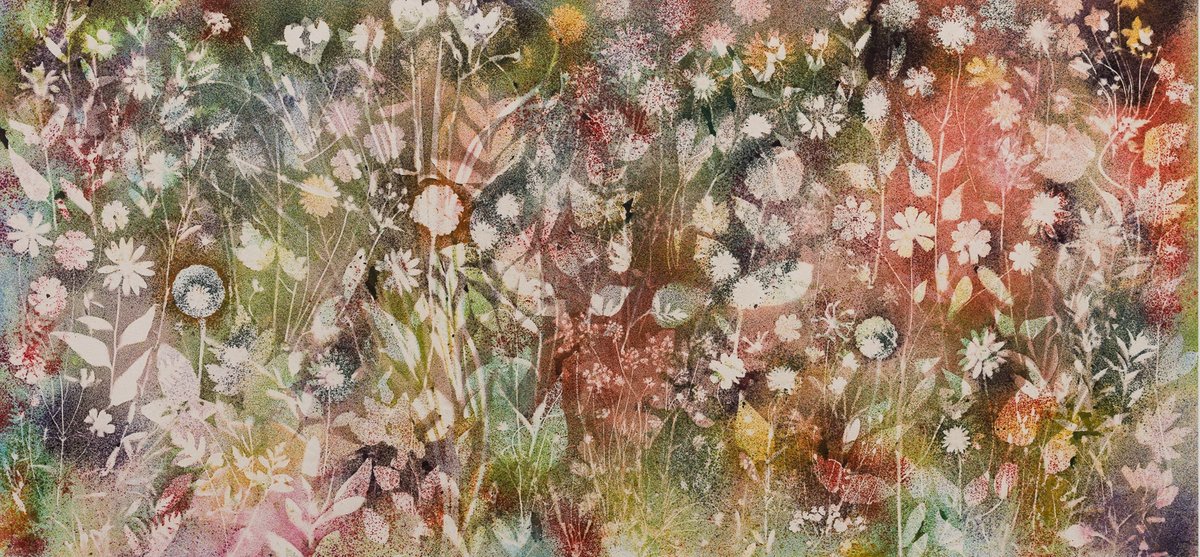
Sam Falls, Harmonic, 2025 Photo: Ed Mumford. © Sam Falls. Courtesy 303 Gallery, New York
The Art Newspaper: You come from very different histories and professional backgrounds, but both of your work is in some way shaped by nature and time. How did you come to focus on those themes?
Edoardo Zegna: My great-grandfather in 1910 had a mad idea: how do I create a factory making wool and make the best fabrics in the world? The challenge was that, to bring people up there and to do this well, success was correlated with the wellbeing of the employees. He believed that giving back was the right thing to do, so he built a half-Olympic swimming pool for them to enjoy in the summer and a ski resort for the winter. He built a road that connects all these places, had half a million trees planted and bought all the land around what is today Oasi Zegna. It is basically a 100-sq.-km national park; we’re talking about 33 times the size of Central Park. Coincidentally, Sam went to it semi-randomly several years ago.
The fact that it is not known probably stems from this beautiful sentiment: my great-grandfather didn’t do it for ego, money or fame. He did because it felt right. And in today’s world, where everything is so commercialised and polarised, doing something right is such an amazing sentiment; it’s what I think real luxury is. Real luxury is time. We play with the word “forest”, and if you divide it, it becomes “for rest”, which speaks to this idea of connectivity. Our real success as a company, as a family, is to not be known for a product—but I’d love to be known for a tree.
Sam Falls: My appreciation for nature and my connection to it has really changed from when I was younger. I grew up on a farm and took it for granted. And as I was beginning to study art, I was more of a hard-line conceptual artist and studying things of the moment like abstract photography, video art and new media. But through that conceptual agenda, I got interested in artists like Robert Smithson and Nancy Holt, and Land Art in general. Being a student in New York, where you’re homing in on this medium specificity while also trying to stay alive in a tiny studio and a tiny apartment—that’s what brought me to work outdoors. And thinking of my experience in childhood, parks and forests were not just public spaces but also very private places; you could be alone there.
I started going out into nature and working with this idea: how do you focus on contemporary issues in art, like abstract photography? I started working with the sunlight and the rain, then moved to California for the sun, and then I started using plants as geolocators. That’s where I came full circle and got very interested in nature and environmental issues again.
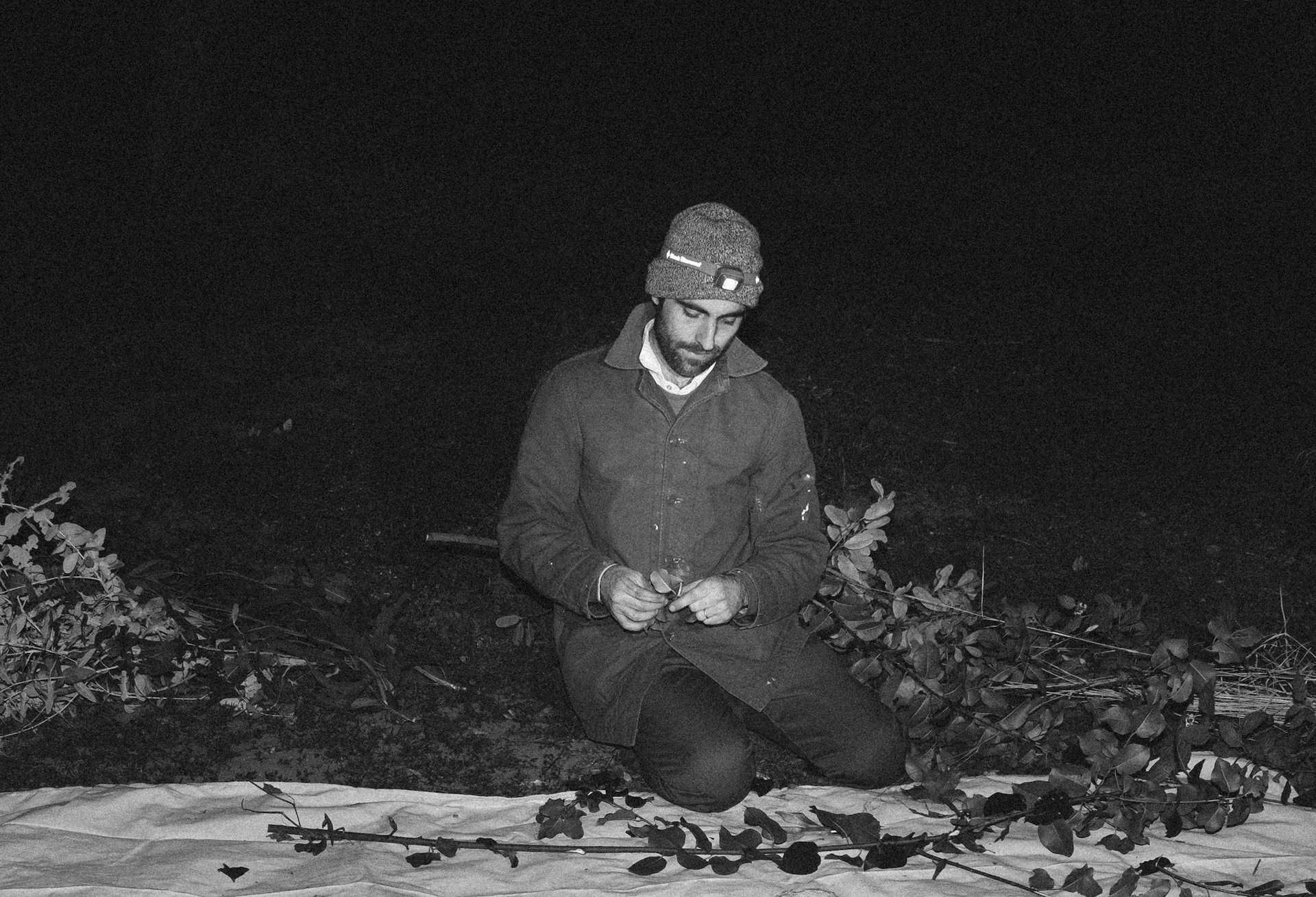
The artist Sam Falls working in nature Portrait by Tin Ojeda
I was thinking of Ansel Adams, first for working outdoors with art, but then second for how he raised awareness for national parks and had actual progress made through art, not just in a conceptual way but in a social way. So I started working in national forests and—I say this a lot but it's true—that the art led me into environmentalism in a much bigger way. It’s such a huge topic that had been left behind in contemporary art. It’s now appearing again, but I remember 15 years ago there was this conversation about the problem of beauty in art and even a criticism, because I was using flowers or ferns that really harken back towards Symbolist-looking work. I would always say: “Well, there are reasons these are in the work, that's not the primary goal.” And now people are like: “Oh, it’s about the environment.” It has always been, but the dialogue is really focusing on that now and, unfortunately, it’s because it’s such a big issue for the entire world. For me, it’s been this long trajectory of engagement with nature that is very fruitful; as a medium in the way that I use it, it seems never ending.
And to tag onto what Edoardo was saying about Oasi Zegna, I did go there on the way to Mont Blanc several years ago. My wife, Erin, who also knows Edoardo, said: “Oh, we're going to go past the place, we’ve got to go there and stay the night.” I had no sense that it was connected to the actual business. And I truly appreciated that, because it felt like a very pure connection to nature. It reminded me, for instance, of visiting a century-old cheesemaker in the Alps—there is this feeling that work is being done here somewhere, but it’s about the integration with nature.
Was there a specific moment, for each of you, when you realised that nature and environmental issues were going to be central to your work?
SF: There were a few. One was that I was in school when Walead Beshty and Wade Guyton were making waves, and rightly so, with contemporary art through printing and photography methods. So I started using the sun and thinking of my childhood walking in the woods and finding, for instance, an old T-shirt that had faded in the sunlight. That was a direct, hidden reference for me and that’s what brought me outside.
And in Los Angeles, I was shocked by the car culture and the waste in the city, and originally I used tires on top of fabric and would leave them in the sun for a couple years, because they’d make a perfect circle. So you have this abstraction, but also the scale, the life-sizeness of it was a direct index to car culture, which created this doubling of abstract and representational imagery.
Thirdly, the more I did it, I realised that tires actually cost money to throw away so I started collecting them rather than buying them used as this small but true effort in reuse. Then I was visiting my mom in Vermont, and I had a show coming up, and I had been trying to think: “If that's kind of in relationship to darkroom photography, like Wade Guyton making these giant prints with printers.” If you get rid of the printer but work on that scale, you could use the rain. My mom is a craft-based artist. She paints botanicals on silk in Vermont, in this hippie style. I had always felt that was not anything I’m interested in, but I was there and the pigment she uses is a fabric dye that’s water-reactive for cold water. She gets it from France, it’s a Jacquard product. She was like: “You could try this.” And it worked perfectly. I'd been trying all sorts of things. And our house there is on farmland with a lot of ferns that were iconic for me, from childhood. I had been doing weird darkroom stuff and my mom was like: “You see, I knew you’d come around to plants and dyes.” It was an “aha” moment.
Lastly, I was using single plants—when I came back to Los Angeles, I was using palm fronds for the second round of these rain paintings, because those were iconic Los Angeles. Then I did a piece for the Hammer Museum where I went to every national forest in California, in reference to Ansel Adams and also a John Baldessari piece where he had written “California” in photos from places in California. And when I did that, I’d be driving ten hours from home and I couldn’t just return if it rained too much or was windy. So I reused the canvases night after night and started using multiple species and creating landscapes. That led me in this direction of painting a picture of a place, not just like an index, not just using one plant but using many. That led me to researching which plants grow where and why. When I was doing that project for the Hammer, there was the big Woolsey Fire, and these places I was making paintings of would burn fully away, so they actually became an archive in a sense of the plants that were there. That all tied into this world of environmentalism.
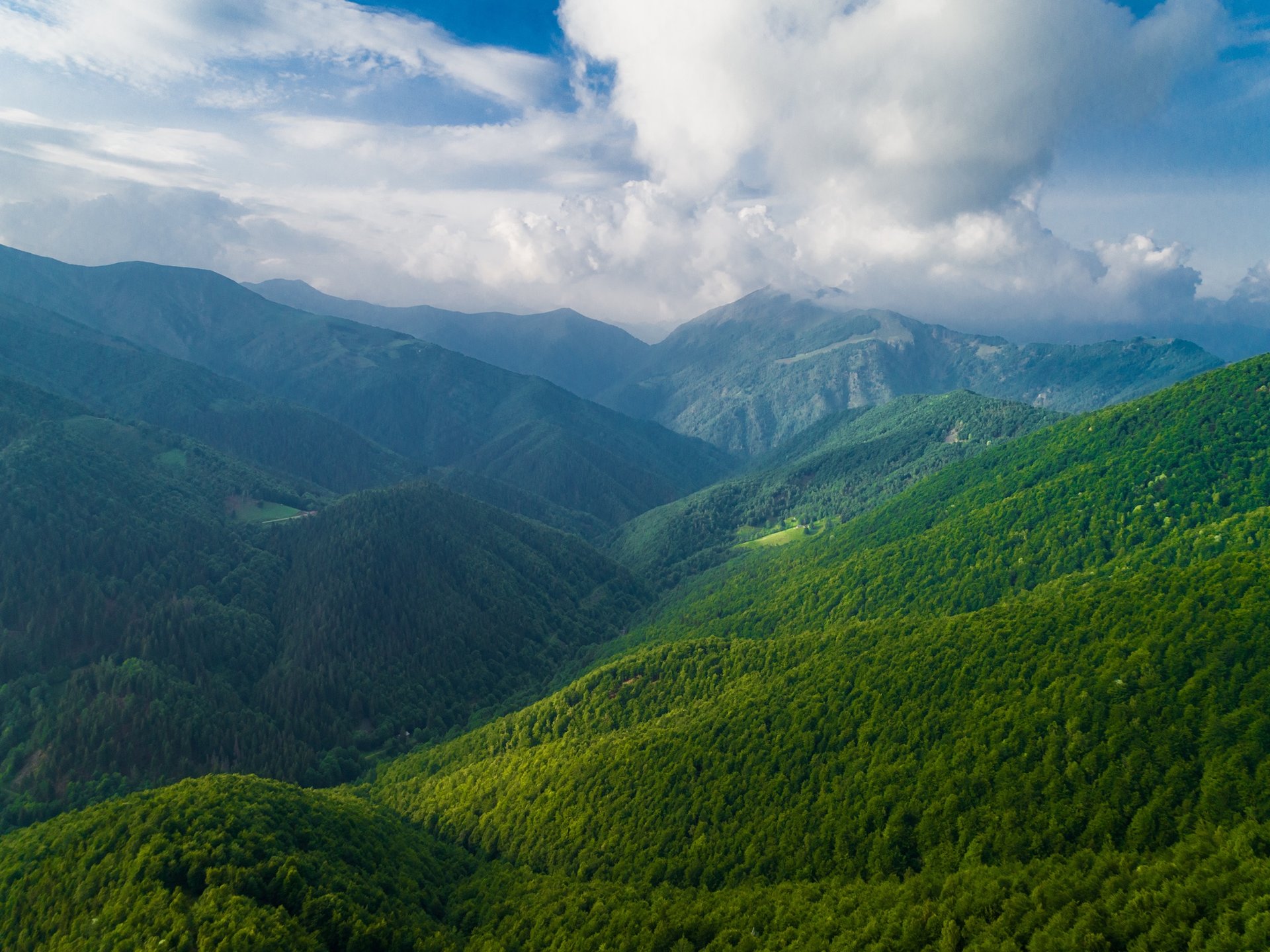
An aerial view of Oasi Zegna in Italy Courtesy Zegna
EZ: For me and the family, let’s call it sustainability and caring for the environment is not really a trend, it’s how I was brought up, this is who we are. It’s a style of life, it’s a way of respecting, it’s a way of giving back. Just to give you a sense of how the company’s intertwined with the story of Oasi, we have a baby forest where for every employee who has a child, we give the parents a tree, and we ask the parents to come and plant the tree. So that forest represents all the babies of all the employees who were born—you have a tree with your own name. But it’s fascinating how the place we decided to plant this forest is a place that actually is bare and was an avalanche risk, so it served two purposes: it was good for the company from a cultural perspective, but also was great for the environment in protecting or solidifying the ground.
The story of our business is that we are still fabric makers. We own a large farm in Australia, where a large percentage of our wool comes from. We get the wool from those sheep, we ship it to Italy, we wash it, we clean it, we dye it, we spin it, we make fabric and then it goes to a shop. The food industry is an interesting one, because we are so obsessed, rightfully so, with going to a supermarket and looking at where the food came from, is it organic, and so on. Why is that not the case with clothing? Know what you eat, and know what you wear. It’s a cultural mindset.
Sam, how do you choose the locations and spaces where you make your work?
SF: Now it is driven by things like the vulnerability of a space. Especially these days, politically, there are national forests and the Bureau of Land Management that are being defunded, out West especially there are large swaths of these. So I'll work there; they also happen to be great places to work, they’re expansive and no one’s there, which is why they’re special. In the winter, especially in California, I’ll go to those places because the climate is good. The sun pieces take about a year at least, usually. So I’ll set those up, kind of like in an oven, and then they just sit there.
In the summer, we have a place in the Hudson Valley. It’s humid and rainy there all summer, and a big part of my interest is art history and the relationship of contemporary art through that. And in terms of American art, the Hudson River School is really one of the first accepted, historical Western art movements. Frederic Church built this estate there called Olana, and the first time I went there I was like, “Oh my God.” I always thought those landscapes fantasised to a degree. But when you see Olana and the view of the river and the clouds you realise this is real. That really brought me there. Partly also because I have this history in Vermont, there’s a very organic connection which I don’t have in the West. And then this connection to art history. So it's really both.
And then also, I’ve been getting into gardening, which was never an interest of mine, but through the work, through studying French symbolism and the use of plants, I started planting in gardens in both places things that I can use in paintings. So it’s grown into this zone of different things.
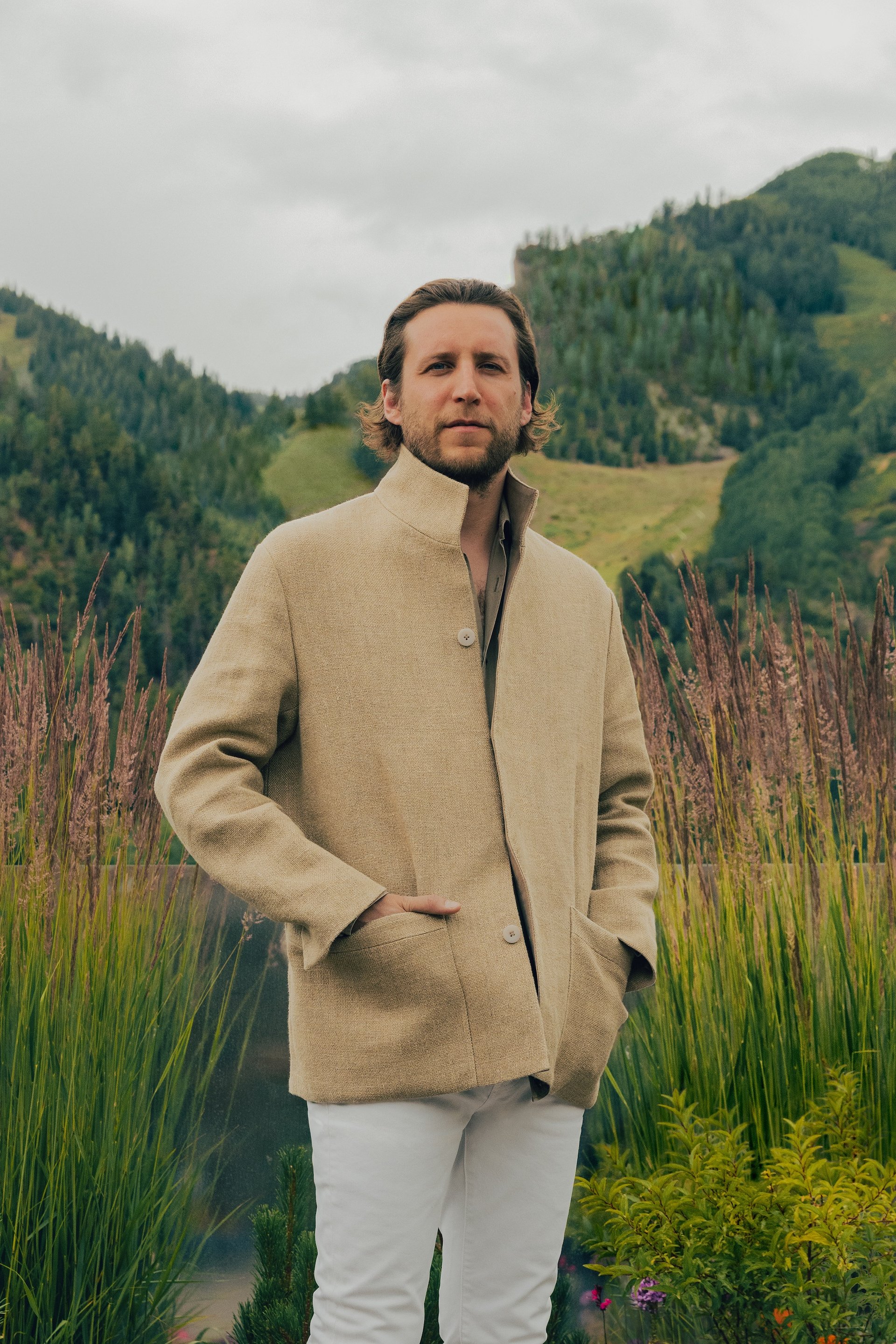
Edoardo Zegna Courtesy Zegna
EZ: To follow on from what Sam was saying about national forests being defunded, we have been working for the past two years to launch the Oasi Zegna Global Initiatives. And this past summer we planted 160,000 trees in Colorado, helping the US Forest Service as well as local organisations around Aspen and the valley as a whole. So it’s not just an Italian thing, it’s about how to bring it to other places. Every year we will find somewhere else.
I would love one day to create an atlas of manmade forests around the world. It’s one of the most romantic projects. This is not connected to Sam, but I’m gonna pitch it to Sam right now. What always shocks me is that there isn’t a worldwide language of forests. There is not a language for telling a child: “This is how a forest works, how it speaks. This is how you could be part of it.” I don't know how familiar you are with aspen trees, but they have this insane single root under the entire thing, which makes it even more magical.
SF: It’s a unifying element. Nature is like a shared language in that way, where everyone is humbled underneath it—you can’t change your relationship to it, it’s much bigger than we are. That’s why it’s also great as a subject in art. It’s something universal, just like major themes should be in art.
Yes, and like a spectacular experience of nature—say, walking through an ancient forest or seeing a solar eclipse—art is one of the ways we can be viscerally reminded of that relationship.
SF: That's the most difficult thing with art in general, is that’s often the catalyst for making art, that feeling, which is momentary and fleeting, and how can you preserve that? That was something I had big trouble with in the studio. You go for a walk in the forest and then you’re supposed to come back to this white box and replicate that feeling somehow. I’m always surprised that so many artists work in this place of repetition. Like Edoardo was saying, I’m much more vulnerable to influence going out to these places.
Edoardo, how did art come to be so important to you and your family?
EZ: As a family, we’ve collected but within reason. However, my excitement about collecting art was always without reason, meaning I would overspend my budget and invest it in art. I bought my first piece when I was 16, and it’s still very dear to me, this tiny little painting, but it’s still my journey. Clearly I come from a different place, I am a collector rather than an artist. Art helps me punctuate time in many ways. I remember very well who I was, where I was and why I bought Sam's work and what moved me in buying it. And I remember this gallery on the fifth floor of a big Chelsea building where colour overpowered this wall of fleeting canvases. They were probably leaned on a rectangular sculpture, they created this shape in the middle and colour just overtook you.
I live for emotion and I live my life very passionately, and having artists that move you—whatever that movement it is, it doesn't have to move you to bits—being surrounded by stories and emotions is what I like. I started collecting lesser-known artists and better-known artists since the beginning. Every artwork has a story, and every moment I bought it has a story. And actually my second piece of Sam’s that I bought, I visited his studio in Los Angeles because I wanted to know more about him. His wife Erin [Falls] was there, and I actually ended up buying some other work from her gallery. So these stories are all intertwined.
Now I have the pleasure of intertwining work and pleasure and expanding this collection. My family has been investing in art for a long time, and major moments of our lives have been connected to certain artists. Our collection is a pretty good one, but I think it’s just the beginning. Ultimately I couldn't do my job if I didn't believe in it, and to me it makes sense that art linked to the environment is a zone that we’re starting to move into. And it’s not a surprise that a person like Sam was on our list to approach and to work with.
Time is a huge factor in both your work; how do you think about time in relation to what you do?
EZ: My dream is that people will remember us as the slowest company in the world. Time is the biggest luxury we have, and actually doing things slowly is the biggest luxury we have. Doing things slowly doesn't mean that we’re not fast as a company. We’re extremely fast in service. We’re extremely fast in delivery. We’re extremely fast in reacting to customers’ needs. But I mean the reason behind making a product, how thoughtful that product is as a whole and also how long-lasting it is. You always think of an art piece as something that outlasts you, as much as a tree will outlast us. Well, I think of my clothing as stuff that will clearly outlast me. The fashion show we’re about to do in January is about memories, that is, how much does a garment tell a story of a family or of a person?
Actually, one of the most thoughtful and I think clever things we do is, for our customers that have been customers for a long time, when there is a celebration in their family, we ask the father to come in with his son and his old suit, and we refit the father’s suit on the son. And we put a piece of fabric inside with a stitched message from the father to the son. It's almost a rite of passage, and cost for us is zero but the symbolism of the father having his suit fitted on his son and his son proudly wearing it is invaluable. So yes, “slowness” to me is a very sexy word.
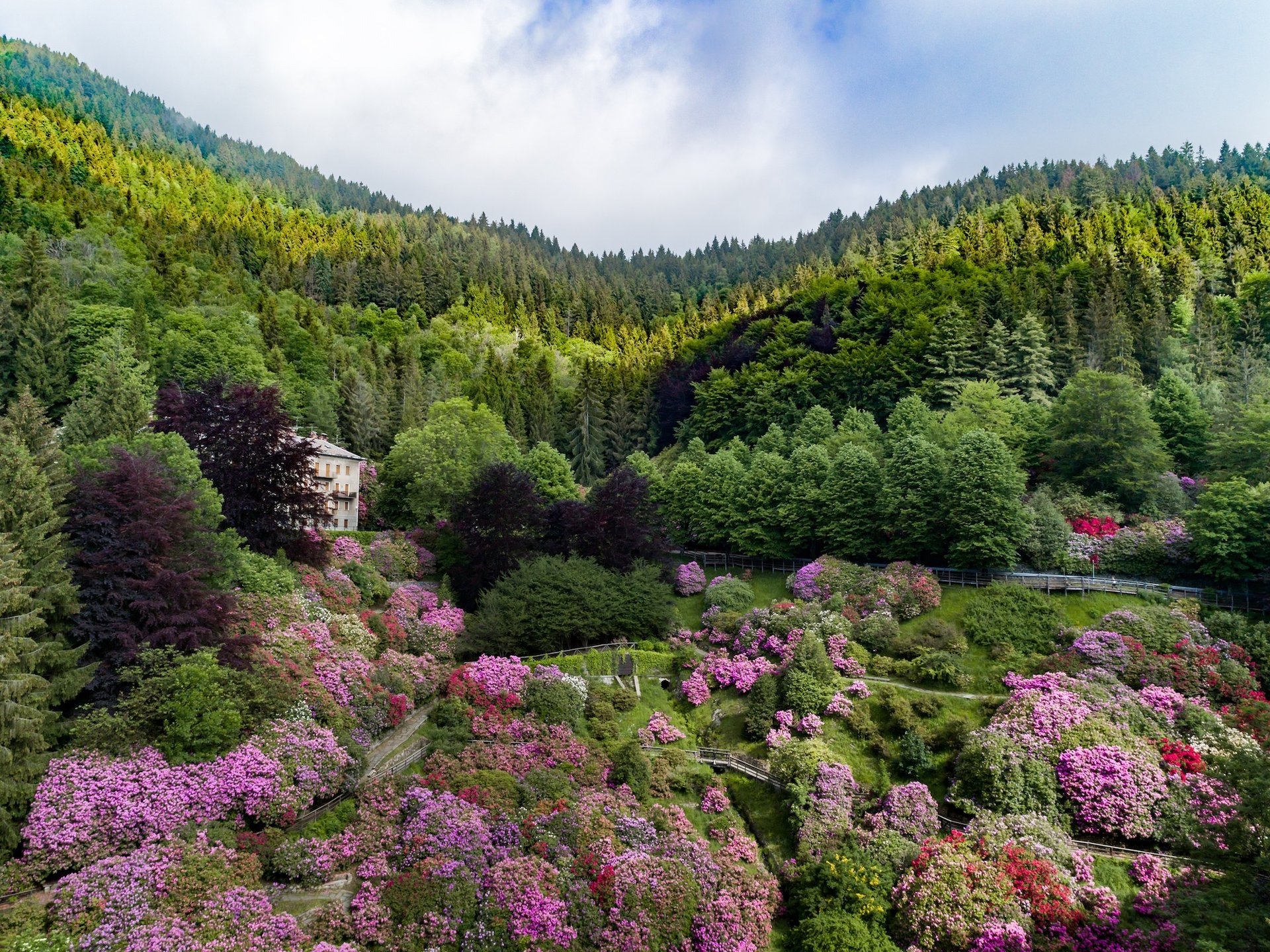
Oasi Zegna in Italy Courtesy Zegna
SF: Time for me is the biggest part of my art besides nature. That’s how I got interested in art: I had been studying physics in college for two years and then I was getting into the deep math and space stuff, and just felt this expansive time of the universe was giving me so much anxiety. And I was switching to philosophy and my mom was like: “You remember, when you had to go to therapy when you were in second grade because they said you have severe anxiety of time: ‘Can't manage conceptual time.’” It’s been a very emotional contributor to my life. I think of it like a sense. And with photography, the way I switched my studies to photography was through a lot of the writing from the Frankfurt School on photography being this tool of addressing the universal anxiety of time and how it can function.
But the more I got into photography, the more I felt like it was even more separated. What I would notice isn’t the memory so much as—that’s over and I can't relate, or how is a viewer expected to relate to it? The millisecond of capturing something and then it's transferred to film, transferred to paper behind a frame, the scales change. So with my art, a big part of it was how to make a primary source from beginning to end. So what has experienced the place and the actual time you’re in a space is what the viewer sees in real life, and also the atmosphere—the rain or the sun—that’s a big component of your experience of time, your surroundings and how to try and collapse as much of that into an artwork. So it’s about expansive time and collapsing it. It’s like the constant struggle of life.
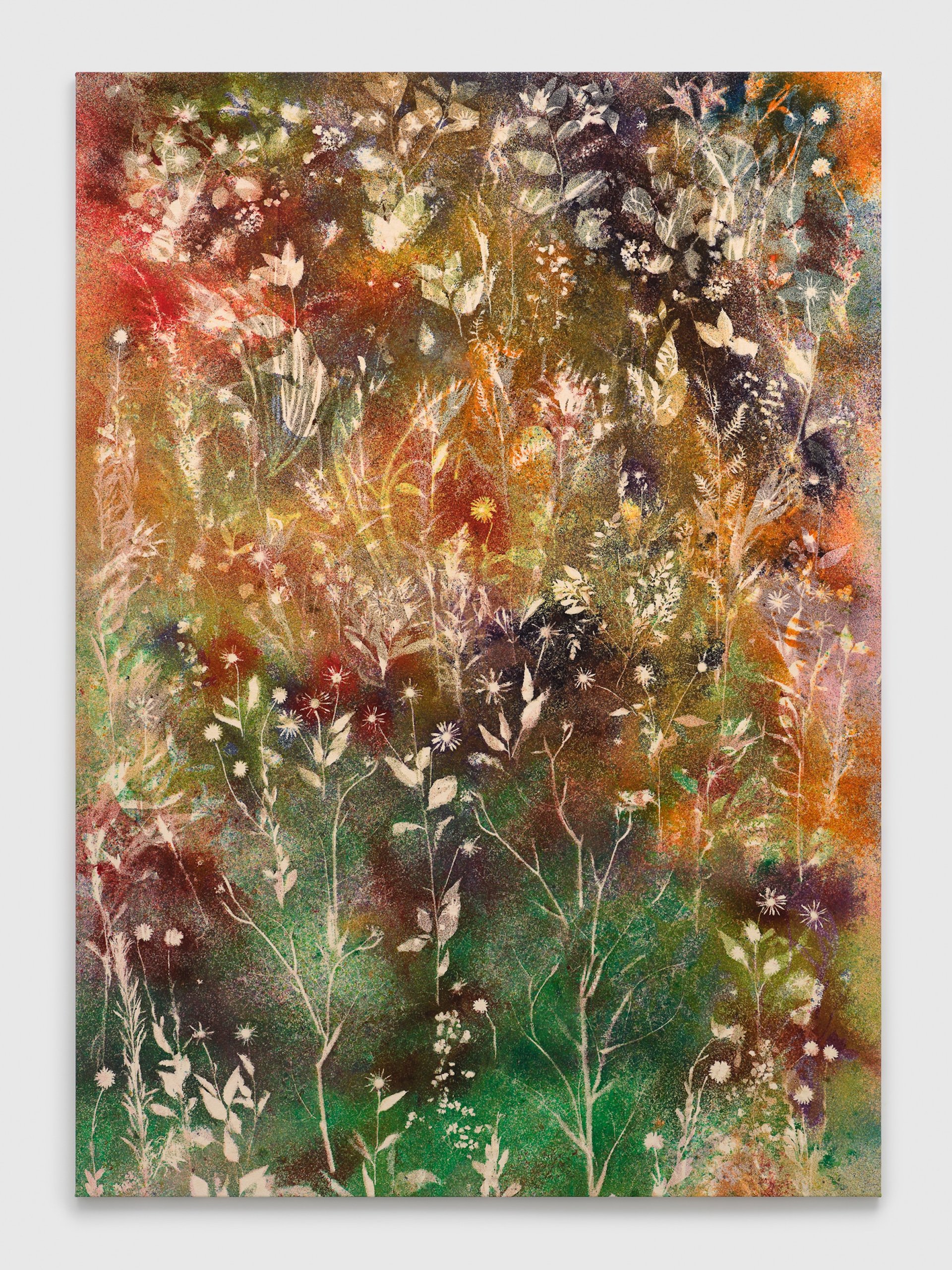
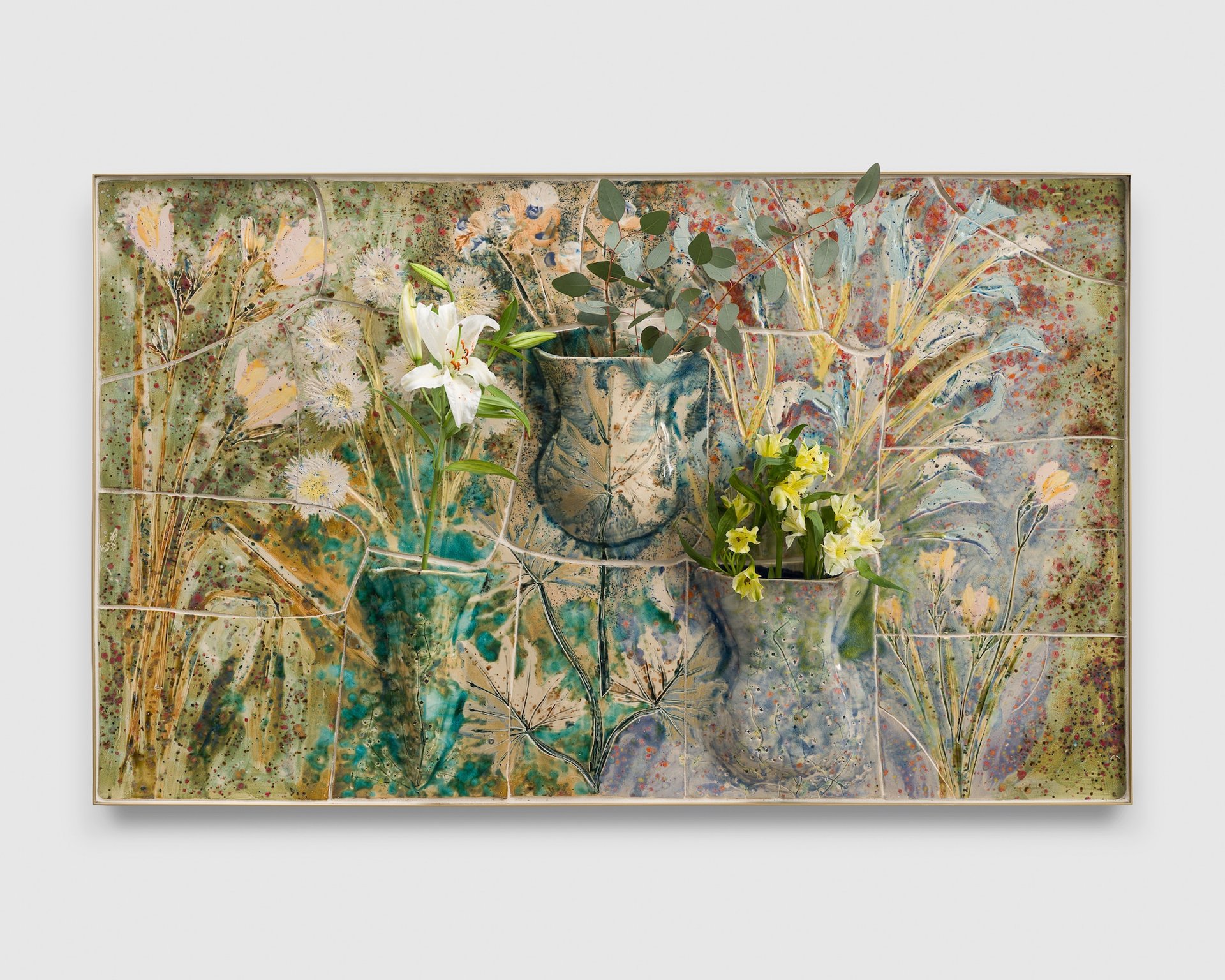
Sam Falls, Chimera, 2025 Photo: Justin Craun. © Sam Falls. Courtesy 303 Gallery, New York
The best example of this is, I’ve started making these pieces with 4x5 Polaroid film when I started planting gardens. In the beginning, the flowers I planted, when they would finally bloom in the spring, there would be one day of pure enjoyment, and the next day I'd be like: “Oh, my God, they’re gonna die.” It was so crazy to have these beautiful flowers and then to be checking on them. Are they doing OK? What’s going to happen? I started taking Polaroids of them in full bloom. And then when they would die, I cut the dead flower and rolled it into clay and made a picture frame with the ceramic of this kind of fossilised, life-size flower, and then put the Polaroid in it. So you have the height of life and then its memorial connected together. It mimics so much the experience of having children, where there’s this pure beauty of life, but then when I had kids was really when I started being afraid of death. All of a sudden I became severely healthier and worried about my longevity, just to experience their life longer. That’s something I think about making art: how can I capture that feeling?
Sam, you’ve been making work in nature in this unconventional, plein air painting-meets-Land Art mode for a while now. Are there things about working in nature that still surprise you?
SF: I’d say I'm more surprised by how encompassing it has been creatively, this thing that you’re surrounded by your whole life and kind of take for granted. Maybe you go hiking or skiing, but actually working with it is a whole different relationship that has been really surprising. The way I look at leaves and how they’re going to lay on a canvas has completely changed. I’ll be walking with my kids and think: “Oh, that's a good plant. I should remember that plant.” It’s become like a medium that I connect to in a whole new way. I’m looking at the dimensionality of plants and the scale of plants.
Another thing this makes me think of is my galleries are always asking if I can make smaller works. You would think that would be a nice, relaxing thing, but I find it very difficult because I just want to encapsulate more. And when you’re working in a field surrounded by trees, a 20ft painting doesn't seem that big. So I’m surprised by the scale. A work I showed at Art Basel Unlimited was 150ft, and after I finished it I said: “I’m never doing that again.” It was so exhausting. And now two years later, I really want to do that again, because it’s so rewarding. That surprises me. It’s like opening a kiln or developing a photo. I know there's something there, but when I see it I’m surprised by how much I like it.
- Works by Sam Falls are on display in the Ruinart Lounge at Art Basel Miami Beach, as part of the champagne-marker’s Conversations with Nature series and on 303 Gallery’s stand (D24)