
To VIP or not to VIP? The art market is currently caught between two competing dynamics. On one hand, the longtime ultra-wealthy are demanding increasingly exclusive treatment now that it seems everyone (with money) can enjoy the finer things in life. On the other hand, the next wave of the rich, notably younger generations and women, is eschewing the old-school trappings of exclusivity in favour of a more socially-minded approach to luxury.

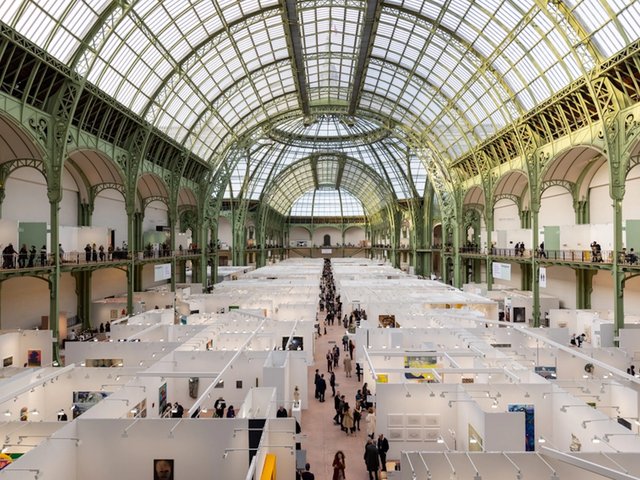
The clash of demands played out at October’s Art Basel Paris, which hosted a very, very important preview—called Avant Première—where the champagne- and light-filled Grand Palais seemed to cater very, very well to the galleries with seven- and eight-figure works, although some of the more emergent exhibitors felt sidelined. Meanwhile, the fair’s organisers have gotten rid of the term “VIP”, renaming its dedicated department as “collector and institutional relations”. Art Basel’s chief executive Noah Horowitz told the Financial Times that, in the pursuit of a new generation of buyers, some people could find the term “off-putting”.
It chimes with what Art Basel and UBS find in their latest Global Survey of Collecting—namely that women, who are increasingly influential in the wealth universe, also tend to be more driven by experience-based motives. Meanwhile the men “emphasise elitism and exclusivity” in their spending, the survey says.
A different crowd in Paris was living it up in a subterranean pop-up nightclub, courtesy of the Berlin-based curatorial platform Trauma. Conceived in 2018 by the artist Adrian Ghenie, Trauma’s mash-up of art, music and performance has, in its own words, “actively challenged the art world’s entrenched hierarchies by bringing subcultural, youth-driven and often marginalised artistic practices into contexts that typically dismiss or exoticise them”.
Inclusivity—with a guest list
Other events have riffed on a similar theme—witness the popular Basel Social Club, an art fair in everything but name but also, its website says, “open to everyone and free of charge… without exclusivity, fixed models or commercial mandates”.
There was still a guest list for Trauma and if your name was not on the door, you did not get in—as one observer wagged, it was easier to get a table at Le Bristol or the Ritz that week. But the sense of exclusivity was definitely dialled down. Drinks were available, but only if bought from a bar that served just beer, and the dress code was, well, very casual.
It might seem hard to believe, but when the Art Basel and Frieze fairs came about, they too aimed at inclusivity. Bringing all the galleries into one place, in rows of functional stands, was designed to dispense of the off-putting pretensions of contemporary art. It was the demands of exhibitors as well as visitors that upped the ante—“You can’t be a punk forever,” observed the Frieze co-founder Amanda Sharp to me in 2021. As exhibitor fees went up, to meet needs such as added security as well as finer surrounds and initiatives previously known as VIP relations, understandably so did gallery expectations.
The idea of making luxury more democratic seems both noble and impossible, and the art market seems likely to grapple with these twin dynamics for a while. The new exclusive is inclusive, but for how long? Now that is the question.