As far as exhibition spaces go, not much could be further from the white cube than a fenced-in vacant lot, or a sales floor of wholesale diamond dealers, or a combination parking garage and Vietnamese family restaurant. And while white walls may make an art space appear more like a traditional gallery, stepping into a domestic space tends to dash the division between a professional and personal visit, between guest and host—a division that many galleries prefer to uphold.
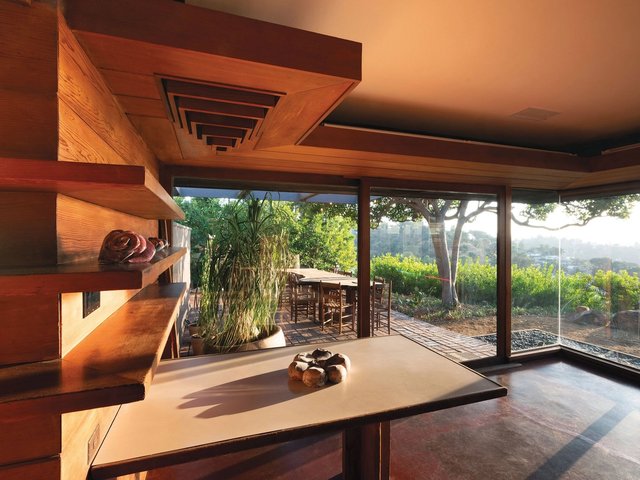
“Unlike the many alt spaces that aspire to be clean, commercial outfits, this spot leans into the informality of its space—speed, risk, mistakes… they’re all welcome,” says the Los Angeles-based artist Greg Jenkins, who recently opened a venue called Paramount-Artcraft in his former apartment, now studio in the Fairfax District. “The nature of the space—small, hidden, tucked far away from the Eastside scene—makes it a perfect testing ground for ideas that counter the normative strands of art. Shows can be a little fast and mean, and can respond to culture quickly, since there’s no real formal expectation,” Jenkins says. Paramount-Artcraft’s first exhibition, The Deer Park, is a group show with artists including Zoe Alameda and Scott Benzel as well as the Los Angeles historian and critic Norman Klein (until 1 March).
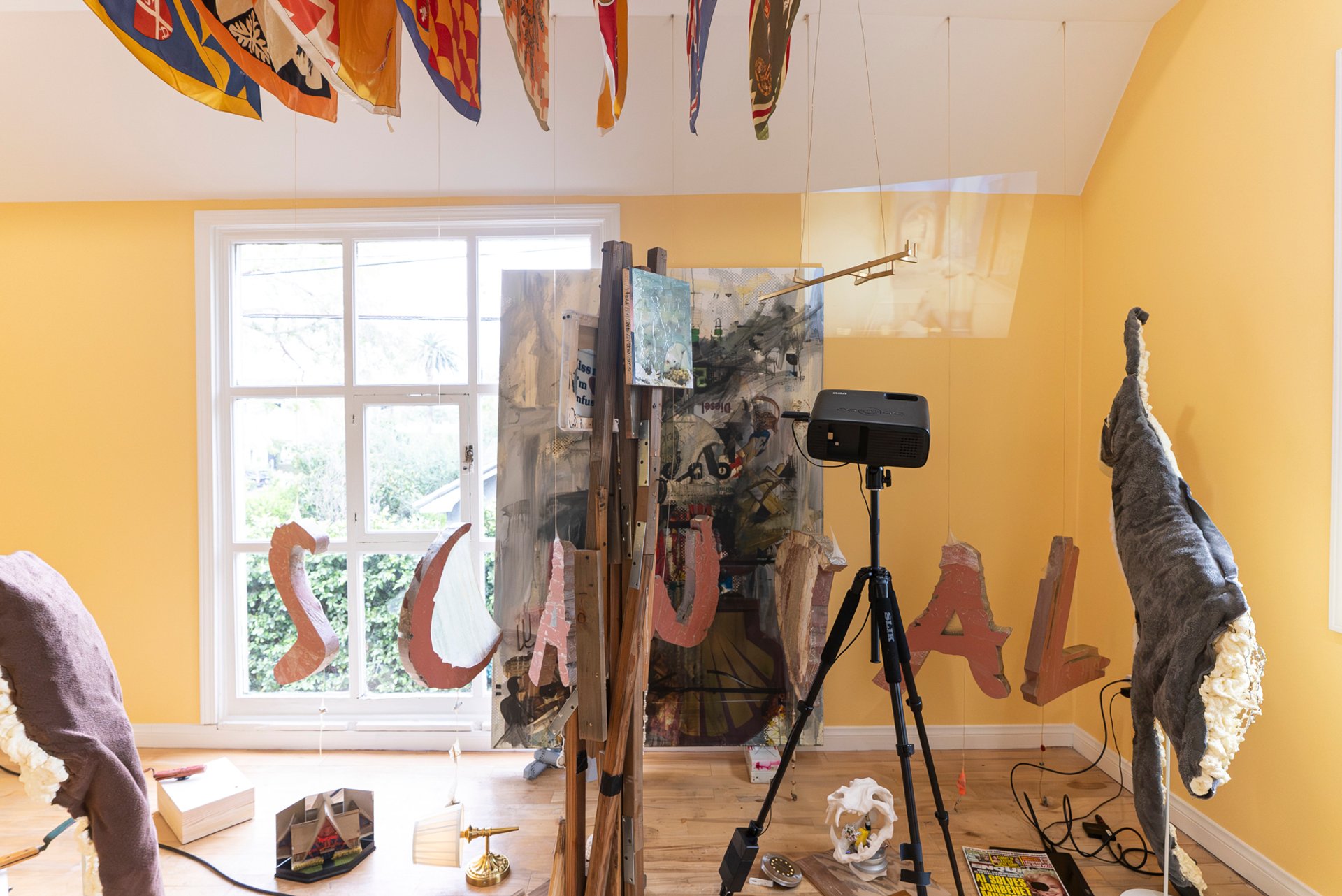
The artist Greg Jenkins’s Paramount-Artcraft gallery, which he opened last year in his former apartment Courtesy of Greg Jenkins
Home is where the art is
While Los Angeles has long had a hearty and heterogeneous map of house and apartment galleries—with new additions including Vardan Gallery, 839 and Frankfurt Ordorica at Meier St., operating out of a Mar Vista Tract home—spaces for art have naturally extended to the garage, seen in newer galleries such as the Village in Echo Park and Tiffany’s Door in East Hollywood.
In Chinatown, the artist Ian James runs Leroy’s—officially, Thanh Vi Restaurant dba Leroy’s—a former Vietnamese restaurant owned by his friend Leroy. Though not regularly operating as a restaurant anymore, Leroy’s now welcomes guests in other ways: the walk-in freezer, toilet, industrial kitchen, dining room and bar host exhibitions and artist-led events. One can reach Leroy’s through the empty parking garage on Ord Street—a vast underground space that stages performances, readings, night markets and late-night concerts.
James has maintained a studio above the restaurant since 2013, where he and the artist Matt Siegle ran a project space called Metro PCS, after the former mobile-phone chain. The floor above Leroy’s now houses two art-centric ventures: Fulcrum, a publisher and photography-focused gallery whose most recent exhibition included work by Janna Ireland, and Gene’s Dispensary, a gallery whose recent show paired the works of Sophia Le Fraga and David Horvitz.
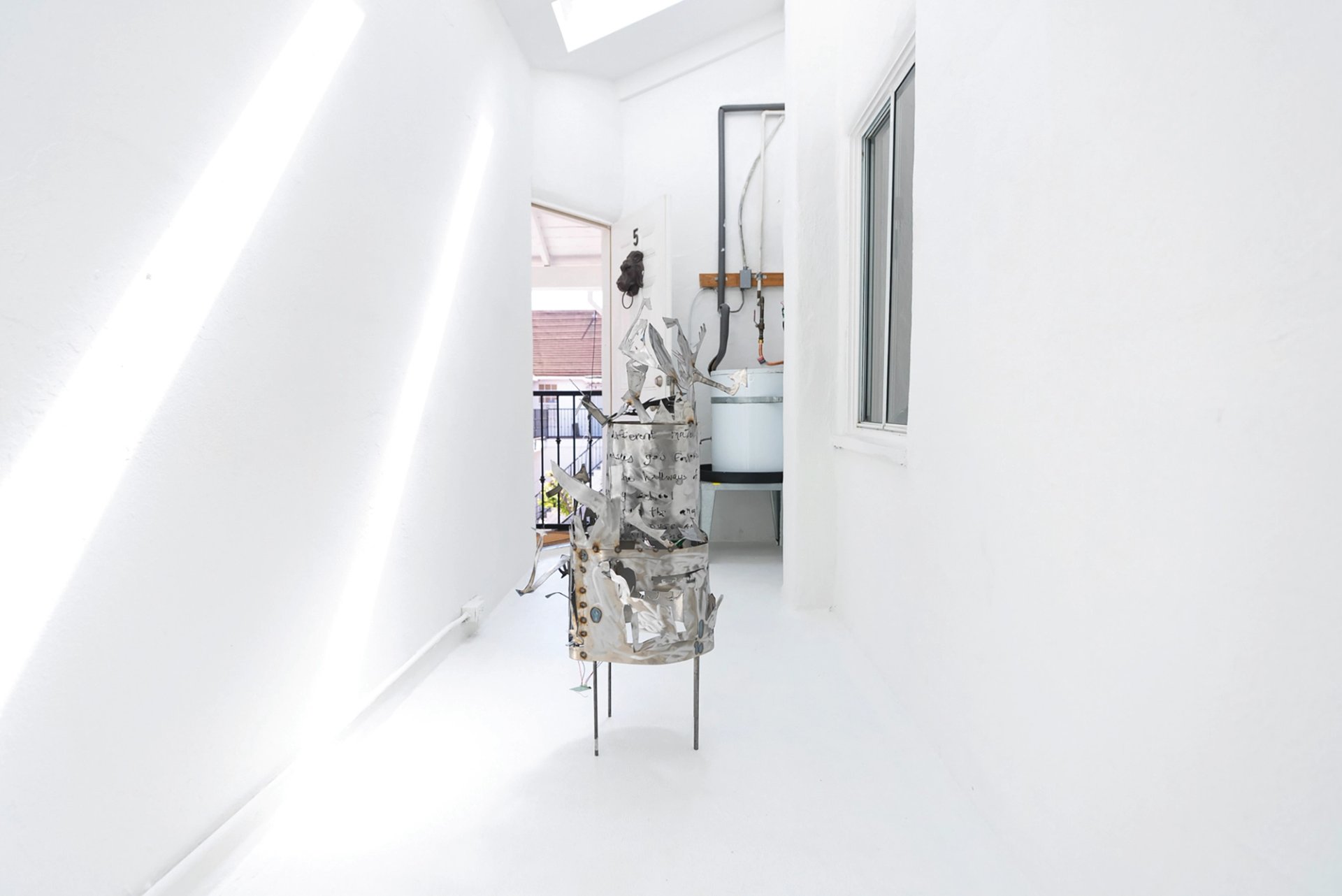
Heaven Machine, an installation by Nikki Ochoa, was shown in the artist Greg Jenkins’s gallery space Paramount-Artcraft Courtesy of Greg Jenkins
Horvitz himself is no stranger to unusual exhibition spaces. Five years ago, he created the 7th Ave Garden in a gated, empty lot in Arlington Heights. Located near his studio, the space had stood empty ever since the house on the lot burned down several years earlier. Horvitz nurtured the small piece of land back into a state of wildness with the help of the landscape architecture firm Terremoto, reintroducing approximately 100 native plants—including cuttings from his grandmother’s nearby garden. Broken concrete slabs and rebar left over from the Los Angeles County Museum of Art’s revamp were hauled inside. These dot the garden with camouflaged seating and makeshift plinths; they are used in the space’s sunlit readings, moonlit installations and single-day exhibitions.
“It’s obviously a garden, so all the works are outside and constrained to those conditions—such as the weather and limited lighting and electricity,” Horvitz tells The Art Newspaper. “So it’s not only an alternative space in the traditional sense—it has these other limitations.” The garden’s recent Look at the Moon event featured readings by the poets Erica Dawn Lyle (of the band Bikini Kill), Philip Good and Sarah Steadman. It was organised by Poetry State Forest, an organisation dedicated to preserving and restoring the home of the late poet Bernadette Mayer in East Nassau, New York.
Jewellery, religion—and art
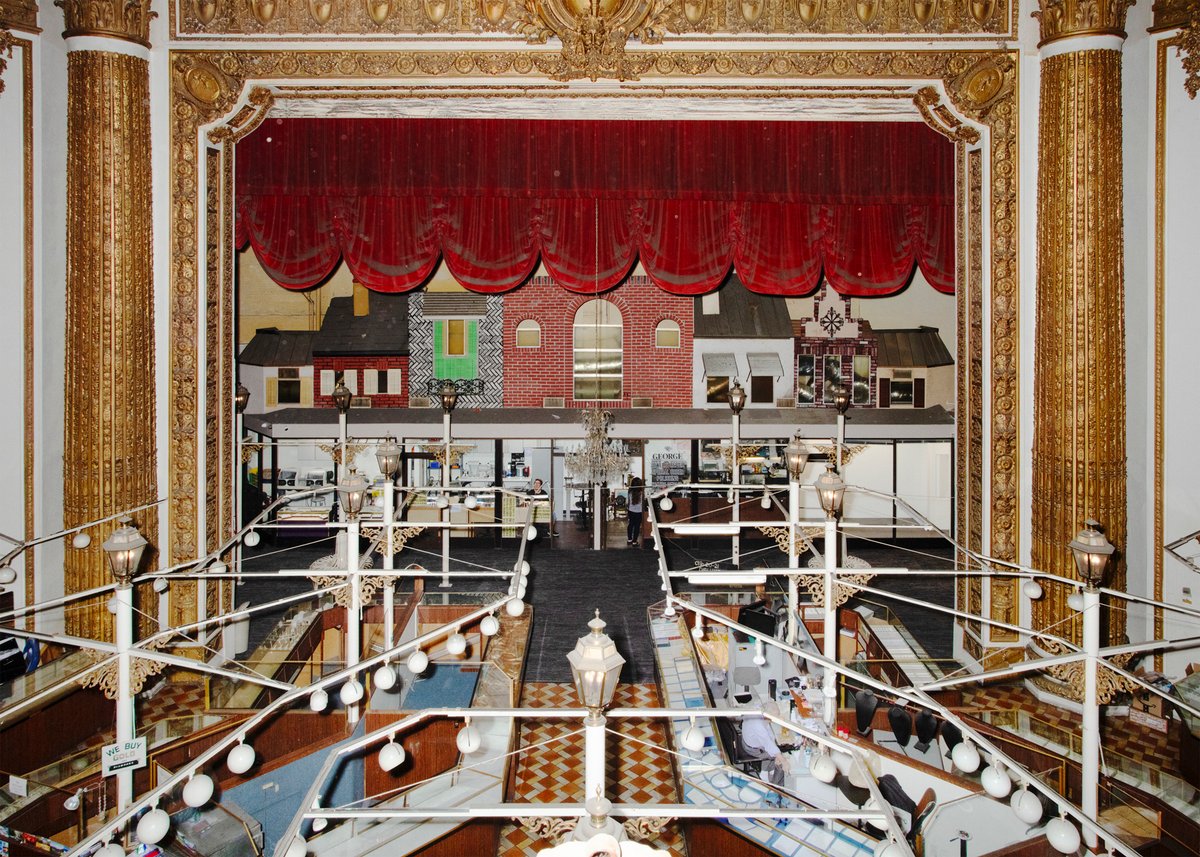
Angelenos have been inspired to show art in places traditionally devoted to commerce. At the Downtown Jewelry Exchange, the Jewelry Theatre Building on West 7th Street operates as a wholesale gemstone and precious-metal marketplace. The Beaux Arts building has retained architectural features from several of its past lives. The former Pantages Theatre screened films there before it was converted into the set of a televangelist church and, finally, a maze of counters for retail and wholesale jewellery sales. The back space of the Jewelry Theatre Building is carved up into small offices, generally open by appointment for custom bezels and repairs, but its latest tenant is an artist space.
The artist Andrew J. Greene took the corner offices—former site of the televangelist’s stage—and opened Matinée in November 2025 with a presentation of videos made by Gretchen Bender (1951-2004) between 1986 and 1991. This was the first in a series of exhibitions in Greene’s two-year-long programme focusing on work made in the 1980s and 90s—a time when the Cold War, the ascendancy of neoliberalism and the culture wars “reflected deep currents of collective anxiety through materialist practices”, according to the gallery’s opening statement. Artists today, it continues, can see how this period offers important instruction in how political stakes and historical realities can meaningfully shape new aesthetic paradigms.
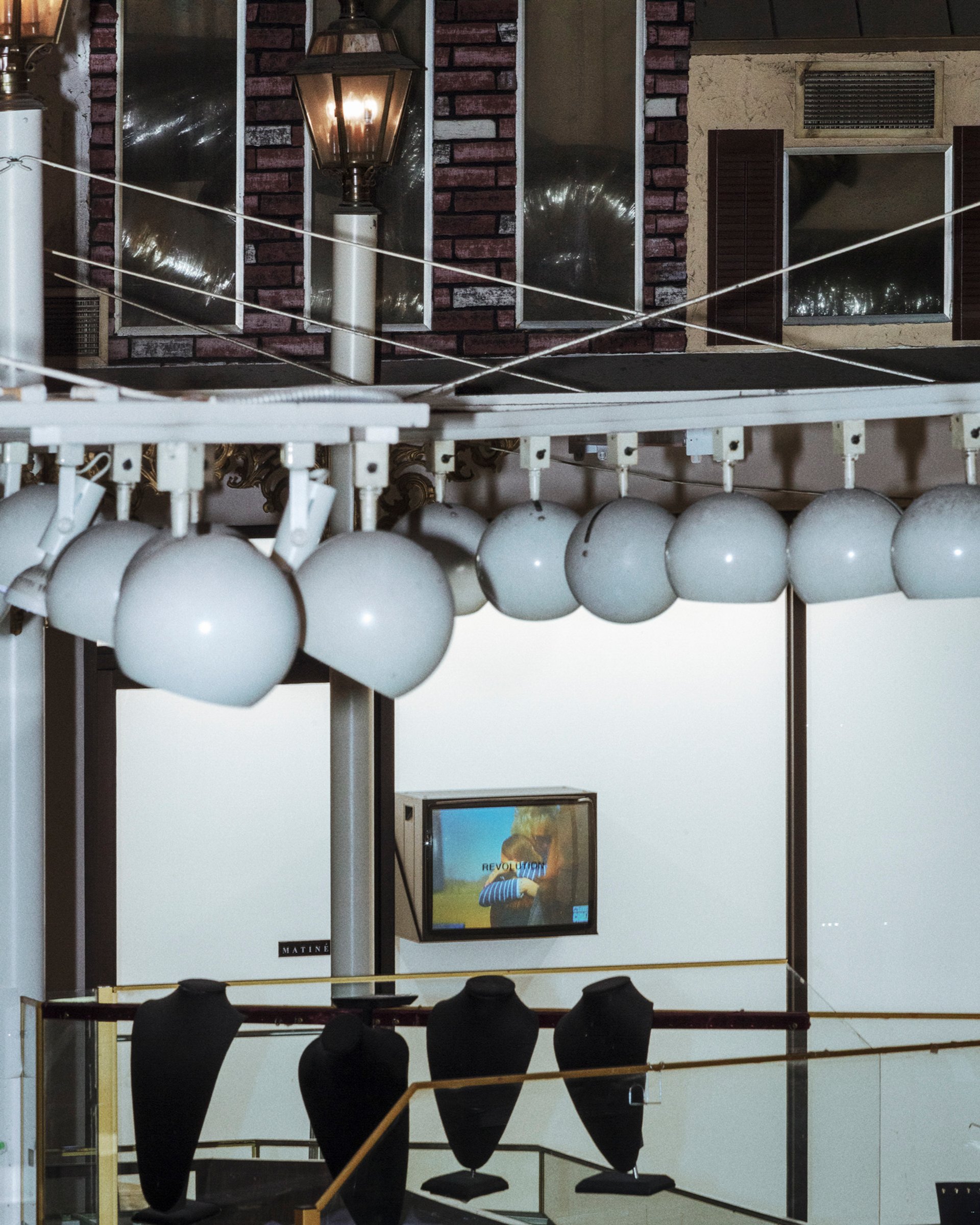
A view of an exhibition dedicated to the late video artist Gretchen Bender at Andrew J. Greene’s Matinée gallery Courtesy of Matinée
Matinée’s second show features works by the conceptual artist and critic Ronald Jones (1952-2019), who served on the National Endowment for the Arts (NEA) peer-review panel in the early 1990s. This was a time when the NEA’s controversial policies in arts funding drove highly politicised determinations of what could be considered “obscene” in art—a division that anticipated the political and cultural atmosphere in the US today.
“I stumbled across the building by chance a couple years ago while searching for a gift,” Greene says. “I returned a year later, and there was a space for rent. I was drawn in by the architecture and specificity of the space. But then I was intrigued by operating this kind of programme in an environment with an active public, particularly one oriented around commerce. It’s the kind of place that makes Los Angeles special—it’s a secret hidden from plain sight… I knew it was the perfect setting to enact this project.”