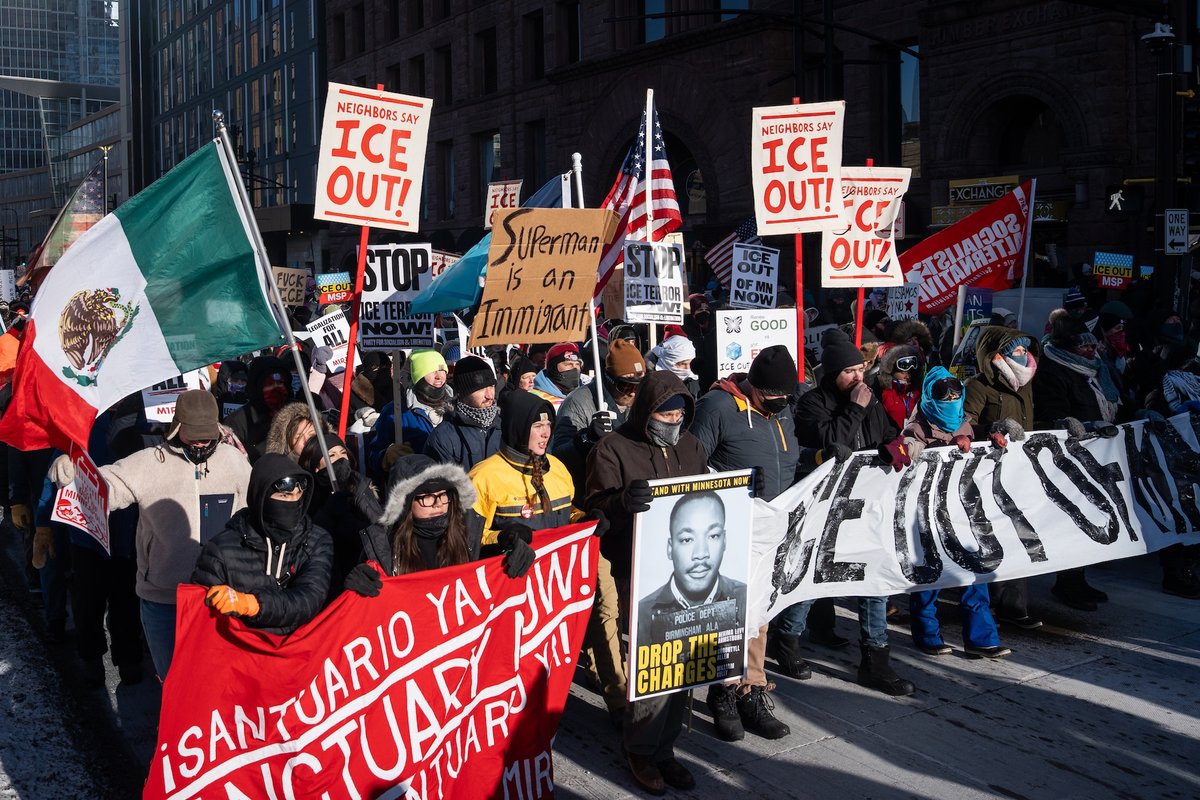
For the second time in six years, Minneapolis is enduring heartbreak. Operation Metro Surge, as the federal government has deemed its increased immigration enforcement, has had significant impacts on artists, and our staff, visitors and broader communities. Many in the Twin Cities (Minneapolis and St Paul) have been sheltering in place, regardless of immigration or citizenship status, fearing the possibility of being stopped, potentially at gunpoint, and detained. Many schools have shifted to virtual or hybrid learning to try to ensure students don’t fall further behind. Amid the uncertainty, Minnesotans have courageously shown up—and stood up—for their neighbours.
At the Walker Art Center, this moment has only deepened our longstanding commitment to providing a welcoming, civic space for all people—one that is grounded in dignity, respect and care. Museums and cultural organisations must embrace our vital role in bringing people together, whether friends or strangers. This work is essential to building the connections that bind us in a shared sense of community. It is perhaps no surprise that in Minneapolis, where people actively engage with the arts, we have been able to stand together with resilience in the face of violence and loss.
Over the past weeks, we have kept our doors open, inviting people to convene in our galleries, our cinema and theatre, and our art-making lab. We have screened films, hosted the poet and activist Layli Long Soldier, and offered beading workshops led by Indigenous makers in conjunction with the exhibition Dyani White Hawk: Love Language. Our learning and engagement team has assembled more than 1,000 art-making kits for distribution through after-school programmes and are working directly to reach affected families. These are among the examples of what we have offered our communities in this time—and what we will continue to offer in the weeks to come.
Connecting with art and with others helps us process painful realities, and find critical moments of respite, and also wonder, in challenging circumstances
Art helps us find hope and inspiration
We see this work as a crucial way we can contribute to our collective health and healing. Connecting with art and with others helps us process painful realities, find hope and inspiration, reduce the sense of loneliness, and find critical moments of respite, and also wonder, in challenging circumstances. This is central to our mission and to our values—and to the benefits we provide the public and our city.
As importantly, on 23 January—a day Minnesota labour and faith leaders called for a general strike titled A Day of Truth and Freedom—we closed our doors, to support our staff, to support our partners and to support our communities. While we believe firmly in the value of remaining a constant place of refuge and solace, we also recognise that sometimes showing up means shutting down. We are proud to have supported the Twin Cities by closing that day and have been proud to reopen and remain open since that day. On 24 January Alex Pretti was killed. That evening, we presented Nile Harris’s performance work this house is not a home, allowing those who wished to gather to do so. The house was filled with a sense of commitment and resilience.
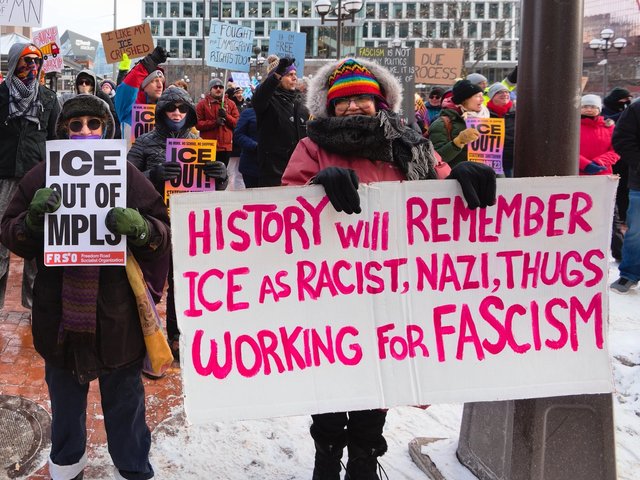
It is not enough, however, for us to be present in times of community crisis. Our ability to fulfil our mission and civic responsibilities is only as good as the sense of welcome, comfort and trust that we instil in those we are trying to reach. To do so, we must acknowledge the lived realities of our neighbours and constituents and respond in relevant ways. Over many years, and especially in the past six years, the Walker has invested in building meaningful partnerships with community organisations. These include artist and educator residencies, curatorial mentorships and co-production of programmes. It is these reciprocal relationships that make the museum an integral part of the life of our city.
Museums have not always been considered spaces of community welcome, but at least since the Covid-19 pandemic and the racial reckoning that was sparked by the murder of George Floyd in 2020 here in Minneapolis, our field has increasingly focused on creating inclusive, social places. As our society becomes more polarised and fractured, it is urgent and imperative that we, as museums and civic institutions, evolve to be responsive to our communities, fostering care and cultural connection through art.
- Mary Ceruti is the executive director of the Walker Art Center