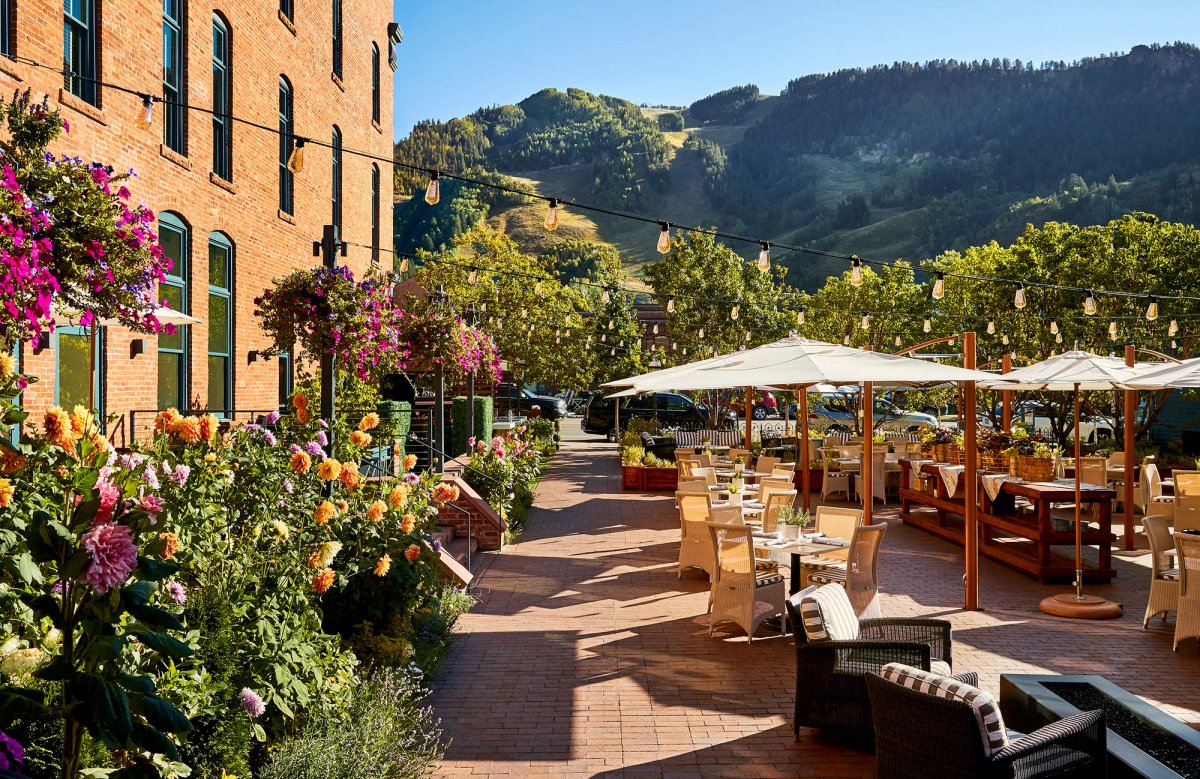
In the ever-more crowded art-world calendar of fairs, biennials, auctions and exhibitions, a quiet shift is underway. Some are turning away from traditional flagship events in favour of smaller, more intimate fairs in holiday-worthy destinations. Dealers are drawn by fewer competitors on-site, more opportunities for engagement and sometimes lower participation fees.
The shift coincides with a boom in luxury travel. After the Covid-19 pandemic brought travel to a practical standstill, the industry has rebounded sharply. According to a February 2026 report from Grand View Research, the global luxury travel market was valued at $1.59 trillion last year and is expected to surpass $3 trillion by 2033. In the wake of the Covid-era travel rebound, high-net-worth and upper-middle-income consumers are increasingly prioritising experiential travel, the report found.
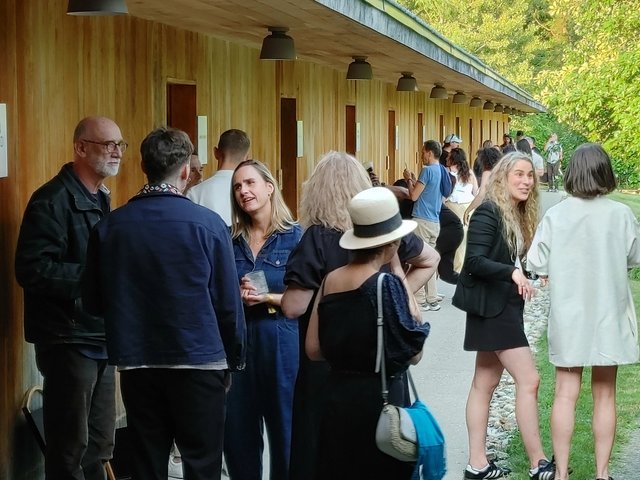
Art fair organisers have taken note, launching commercial events in attractive destinations that promise collectors distinctive experiences. Amid an increasingly congested art world calendar, fairs must compete for attendees by offering more than the opportunity to buy art in a big white tent or sprawling convention centre. Fairs like Arrival in the Berkshires, Marfa Invitational in the West Texas desert, Maze Art St Moritz in Switzerland's Engadin valley and Can Ibiza on the popular Spanish party island all offer collectors something different.
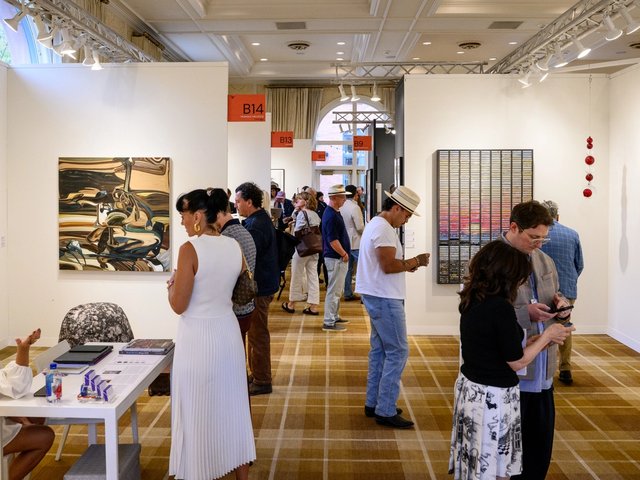
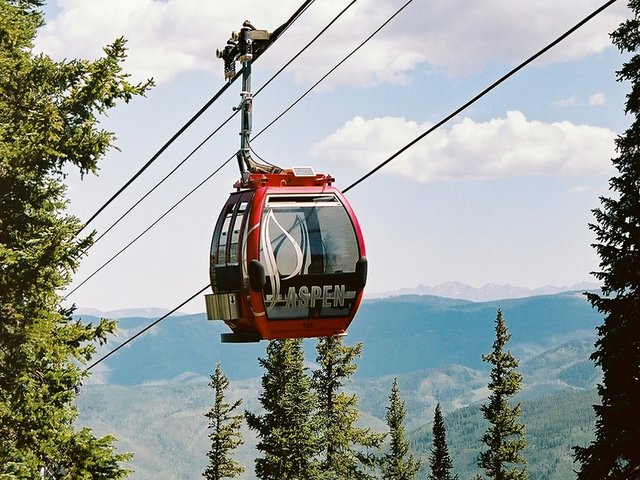
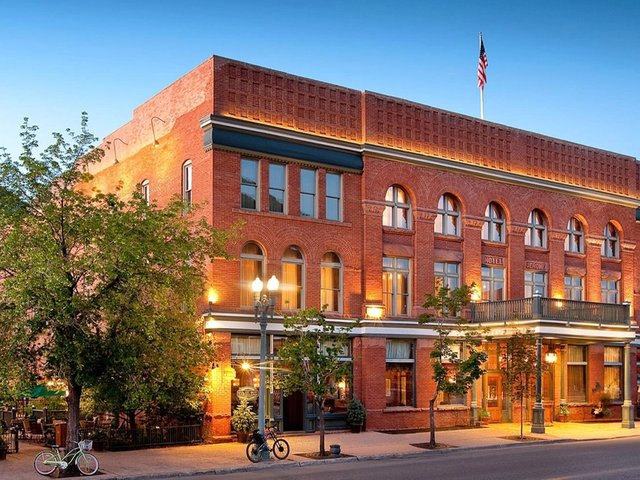
The Aspen Art Fair, launched in 2024, is another example. While the well-heeled ski destination was already home to the long-running Intersect Aspen, local gallerist Bob Chase of Hexton Gallery saw an opportunity to connect visitors travelling to the city for Aspen Art Week with premier galleries in a more boutique setting. The event takes place at the Hotel Jerome, a popular watering hole for Aspenites and “the 50 yard line of where people go”, according to Chase. The fair typically welcomes 40 exhibitors or fewer and around 4,000 attendees—“quite small” by fair standards, he says.
“It’s a bit of an antidote to the large, large convention-centre fairs,” Chase says. “Galleries and collectors can engage at a different level.”
Beyond scale, destination fairs often incorporate the culture and landscape of their host locations. At the Aspen Art Fair (29 July-1 August), programming ranges from artist talks to a 7am cold river plunge and hikes in the Elk Mountain Range—activities designed to foster a different kind of interaction between dealers, artists and collectors.
“It’s a very engaging experience that changes the dynamic of how you know somebody,” Chase says. “You have this shared experience out in the wild with your collector or gallerist or artist and walk away with something that's much more meaningful than just having acquired a piece of art at an art fair.”
This year, the fair will bring on director Kelly Cornell, the long-time head of the Dallas Art Fair, one of the most important independent fairs in the US. The appointment reflects the overlap between the two cities’ collector bases.
“There’s a bit of a collector superhighway between Texas and Aspen—I guess the highway is probably private jets," Chase says. "The Dallas collectors are a big part of our scene, and vice versa."
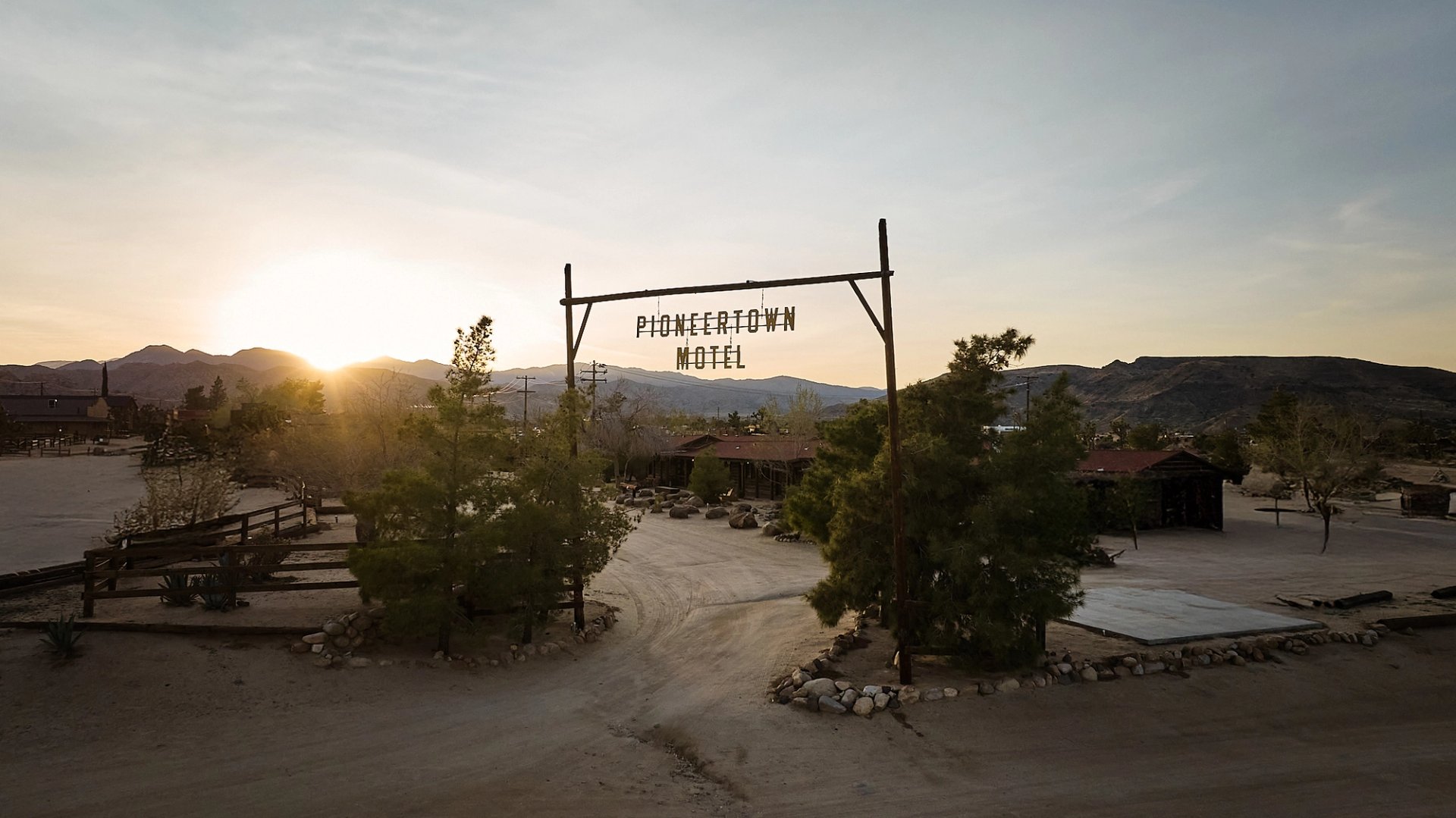
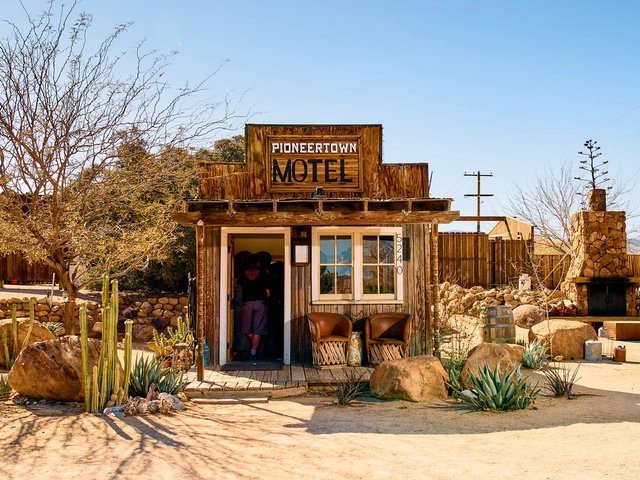
The High Desert Art Fair is held at Pioneertown Motel, located near Joshua Tree in California. Courtesy High Desert Art Fair
For organisers, identifying collectors—and persuading them to travel—is critical to a fair’s success. Sometimes, however, the promise of a weekend away is precisely the draw. In markets such as Los Angeles, galleries compete not only with one another, but also with geography and traffic.
“I used to joke that it was easier to get collectors to Joshua Tree for the weekend than to get them to come into the gallery on a Saturday,” says the dealer Nicholas Fahey, who founded the High Desert Art Fair in 2019.
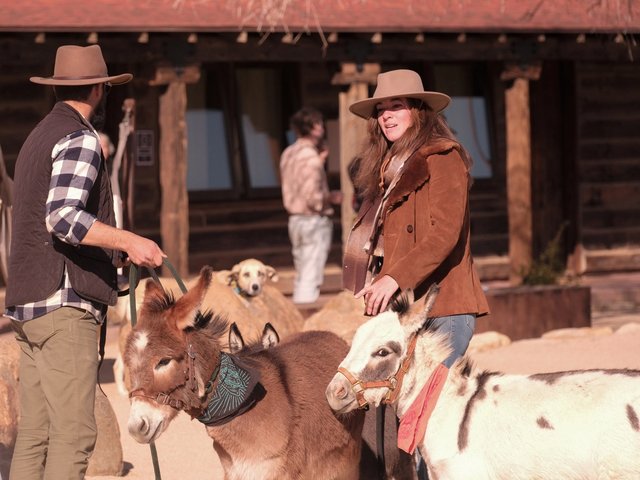
Initially conceived as a series of home tours around Joshua Tree, about a two-hour drive from Los Angeles, the fair was reimagined after Covid. The 2022 edition adopted a more traditional format, staged in a motel in Pioneertown, an 1880s-themed town built in the 1940s as a permanent Western-film set. Today the town’s dusty streets and picturesque façades provide a unique backdrop for the fair (28-29 March), which will feature 20 exhibitors this year.
“Lots of collectors are tired of going to Paris, Miami and New York every year at the same time—even going to the same restaurants, going to the same parties, seeing the same people,” Fahey says.
The fatigue extends beyond the travel circuit to the structure of large fairs themselves. “I’m just exhausted from feeling like a used car salesman in a giant convention hall with 200 galleries,” Fahey adds. “It doesn't feel authentic, it doesn’t feel like I'm putting my artists' best face forward.”
And that is before considering the cost. Participation at marquee fairs such as Art Basel or Frieze can easily exceed six figures at the high end, pushing galleries to play it safe in hopes of at least breaking even.
“If you're doing that, there's no opportunity for discovery, to bring out new things, test new things, introduce new things,” Fahey says. “I don't think anybody really wants a safe harbour.”
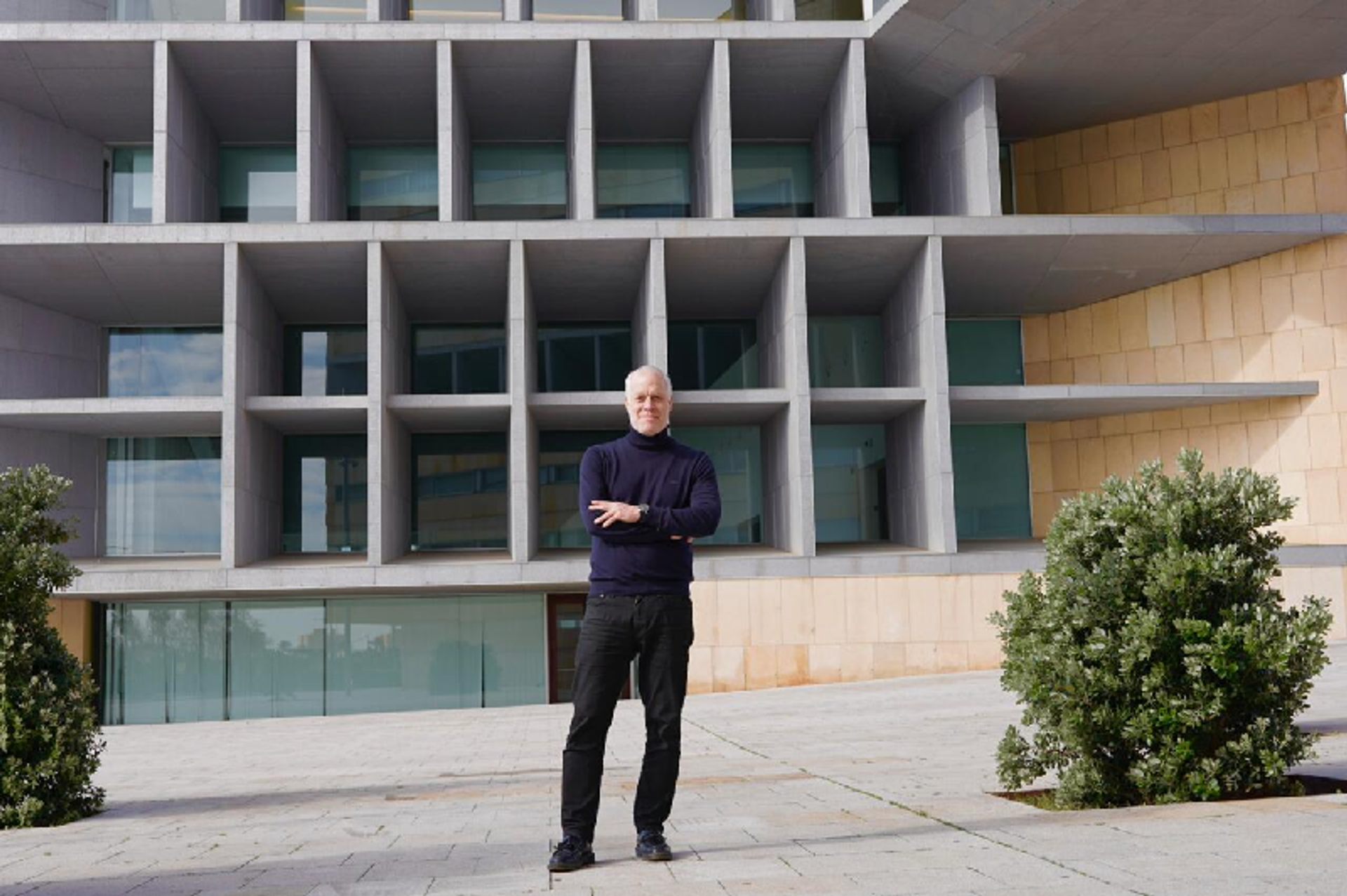
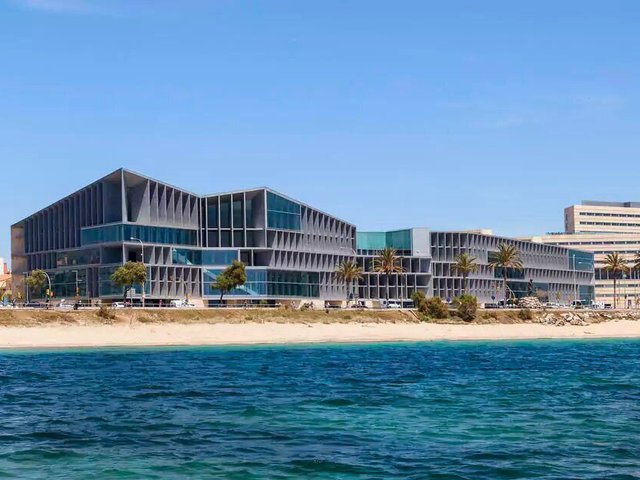
Daniel Hug in front of Palau de Congressos, where Art Cologne Mallorca will be held. Courtesy Art Cologne
Even long-established fairs are now experimenting with smaller destination formats. Art Cologne, the world’s longest-running art fair, will relaunch an 88-exhibitor satellite edition in Mallorca this spring. An earlier version, staged in 2007, failed to gain traction, recalls the fair’s director Daniel Hug.
Conditions on the largest Balearic island have since changed. A stronger gallery scene, improved air connections—including direct flights across Europe and to New York—and a growing number of five-star hotels have made Mallorca more attractive as a destination for affluent travellers.
It also helps that the island already draws large numbers of German visitors, particularly around Easter, Passover and school holidays, when the fair will take place (9-12 April). More broadly, Hug argues that the domination of mega-fairs on the art world circuit has become increasingly repetitive. For seasoned collectors, novelty—both in destination and in galleries—has become part of the appeal.
“I don't think collectors have any less interest in art fairs. Maybe it’s going to the same art fair for 15 or 20 years that gets old,” Hug says. “With the rise of smaller fairs like Independent, it's definitely become interesting for collectors to go and discover new galleries, not the same old galleries that you see at the big Frieze fairs or the big Basel fairs, which are interchangeable.”
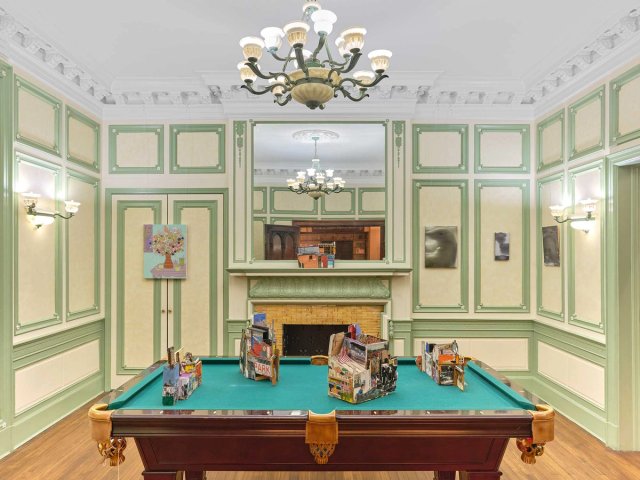
For Hug, the moment also reflects a broader reassessment within the art market. As growth slows, experimentation with format—and scale—may become more appealing to organisers and exhibitors alike. The rise of destination fairs coincides with a proliferation of independent satellite fairs, many of them dealer-led. It remains to be seen if these smaller events can compete with the biggest global fairs in terms of gallery sales or exposure to collectors, but the growing number of alternatives speaks to a larger systemic fatigue.
“It's really this absurd circus of traveling around the world, visiting the same galleries in different locations,” Hug says. “I don't want to diss it, I don't want to say that that's bad. But I think it's only sustainable for so long. Collectors will get bored.”
- High Desert Art Fair, 28-29 March, Pioneertown, California
- Art Cologne Palma Mallorca, 9-12 April, Palau de Congressos, Palma Bay, Mallorca
- Aspen Art Fair, 29 July-1 August, Hotel Jerome, Aspen, Colorado