In 1993, a chance encounter in the stores of Vienna’s Kunsthistorisches Museum between the Flemish art expert Katlijne Van der Stighelen and a huge painting depicting a Bacchanalian scene was the first step in the rediscovery of the forgotten female Baroque painter Michaelina Wautier (around 1614-89).
The incident set in motion a search for more paintings by the 17th-century artist, which eventually culminated in the first major exhibition of her work at the Museum aan de Stroom in Antwerp in 2018. But that achievement was just the beginning of the story. Van der Stighelen told The Art Newspaper at the time that “given the fact that [Wautier] had a very long life, I am sure that from now on, many more works will pop up”.
She was right. In the intervening years, several Wautier works have been unearthed, including the masterly suite of paintings titled The Five Senses (1650), known previously only by a black-and-white illustration in a 1975 auction catalogue, as well as Flower Garland with a Butterfly (1652). These will be among the 25 works by Wautier going on show at the Royal Academy of Arts (RA) in London this month, introducing UK audiences to one of the most important artists of the Baroque period, who until the 21st century was barely an art historical footnote.
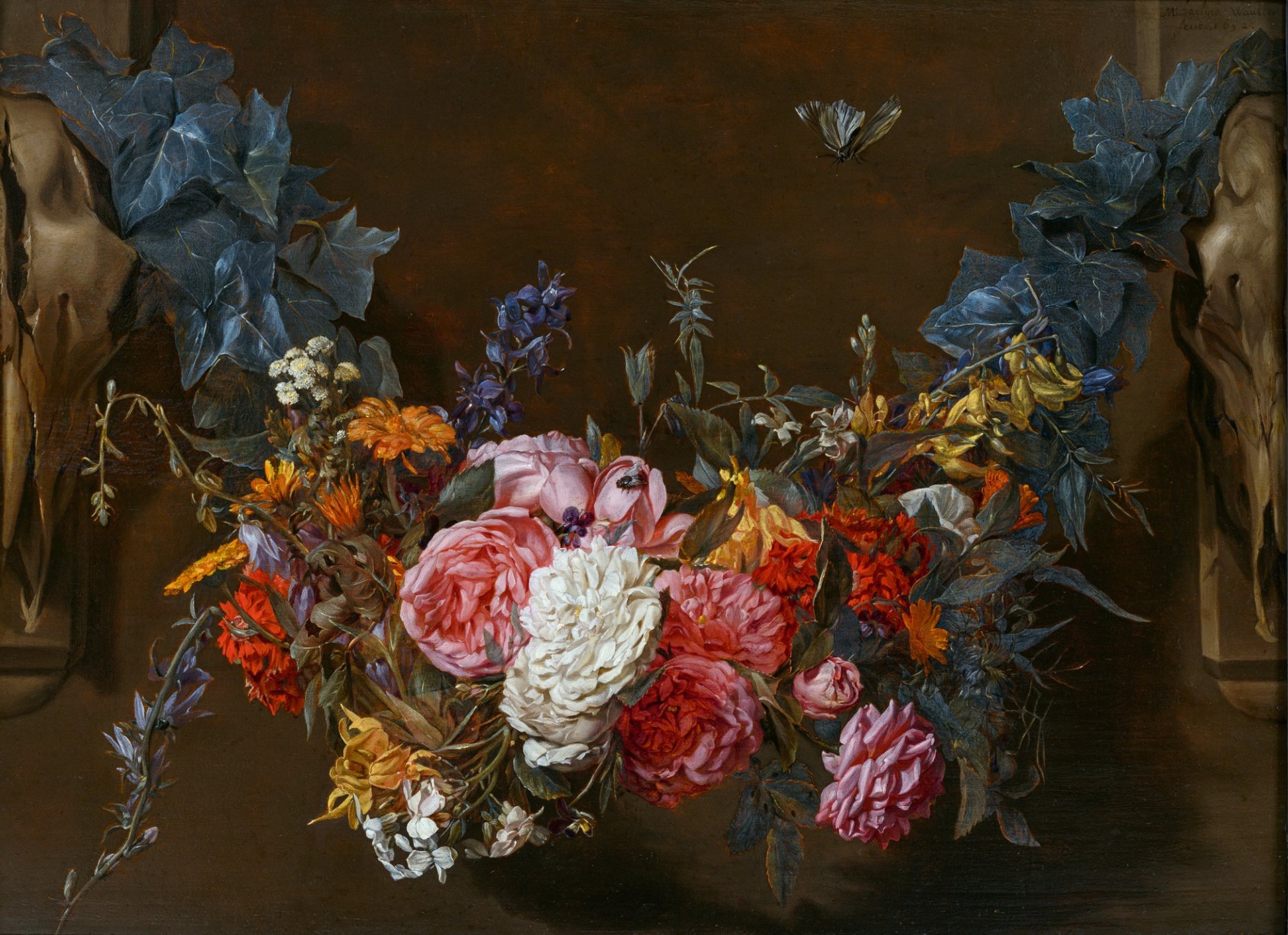
Wautier’s Flower Garland with a Butterfly (1652) Het Noordbrabants Museum, 's-Hertogenbosch; longterm loan of private collection; Photo: Peter Cox
“She is genuinely a rediscovery of the last 20 or 30 years,” says the RA’s curator Julien Domercq. Little is known about the life of Michaelina Wautier though. She is thought to have been born in Mons around 1614 and later lived in Brussels. She had an older brother, Charles, who was also an artist and he is recorded as having trained abroad, possibly in Italy. It may be, therefore, that Wautier too trained abroad, and it is most likely she worked alongside Charles in his studio.
So little is known about Wautier’s training and development as an artist that it is as though her first history painting appears in 1649 “seemingly out of nowhere”, writes Van der Stighelen in the catalogue. Furthermore, Wautier was unique among known female artists of the period in that she painted all the main genres, from portraits to still-lifes, history paintings to genre scenes.
During her lifetime Wautier seems to have had some success though. For example, Archduke Leopold Wilhelm of Austria owned four of her works. But as the centuries passed following her death in Brussels in 1689, she began to be forgotten. Like other artists of the 17th century, “it seems that her works go out of fashion in the 18th century”, Domercq says. Furthermore, “her works end up being attributed to a whole swathe of male painters”, he adds, even when, on at least one occasion, her name was inscribed on the work.
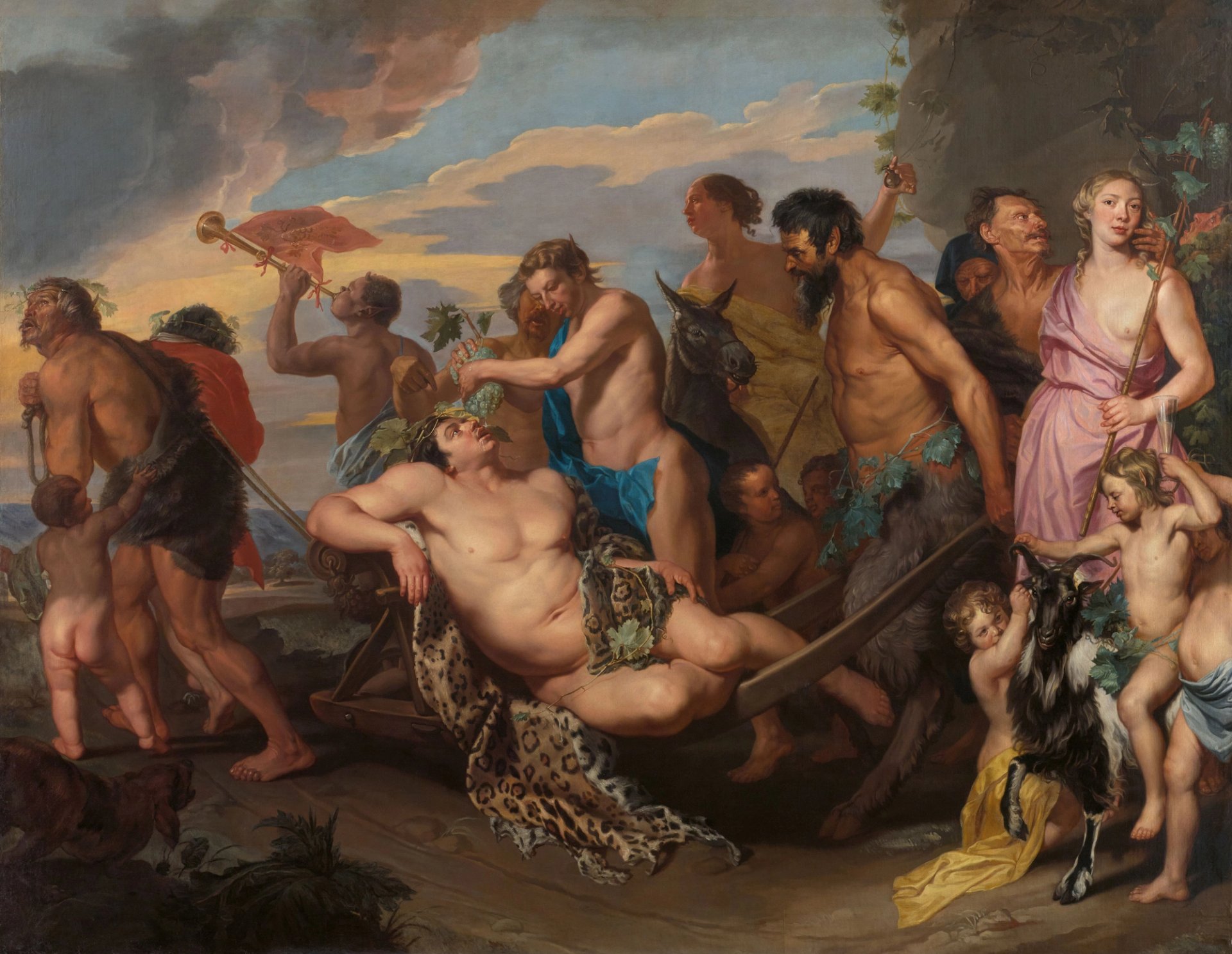
Wautier’s The Triumph of Bacchus (around 1655-59) Kunsthistorisches Museum Vienna; Photo: © KHM-Museumsverband
The Triumph of Bacchus (around 1655-59)—the painting that first sparked Stighelen’s interest in Wautier—is a case in point. Over the years Wautier’s 3.5m-wide painting has variously been said to be by the School of Rubens, a copy after Rubens, by Luca Giordano or by Cornelis Schut. In the early 20th century, the curator of Flemish painting at the Kunsthistorisches Museum, Gustav Glück, said: “even in our age of female emancipation, one would hardly wish to ascribe this picture, which shows a highly vigorous, almost coarse conception, to a woman’s hand.” The painting is on loan from the Kunsthistorisches, where a version of this show debuted last year.
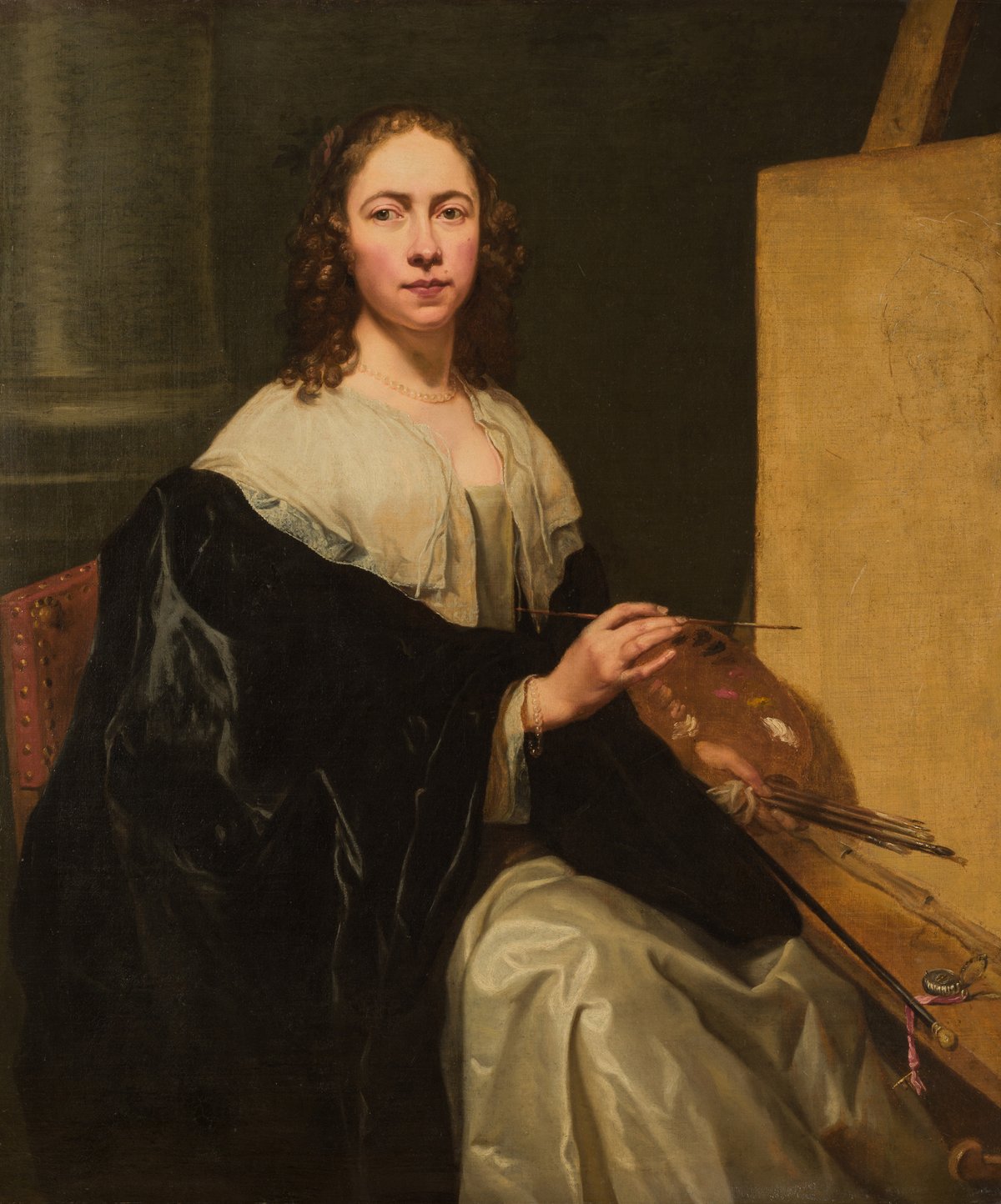
Because of the lack of archival material, analysis of Wautier’s painting technique has been especially revealing. For example, a detailed study of The Five Senses showed the presence of a very limited number of pigments in the paintings (which tallies with the colours on Wautier’s palette in Self-portrait, around 1650). Notably, there is no colour blue present, which was expensive at the time, and yet the scarf of the boy playing the flute appears to be painted from that very colour. It was instead achieved “by creating an optical illusion,” Domercq says. “By using contrasting colours around [the scarf] she is able to make a grey look blue.”
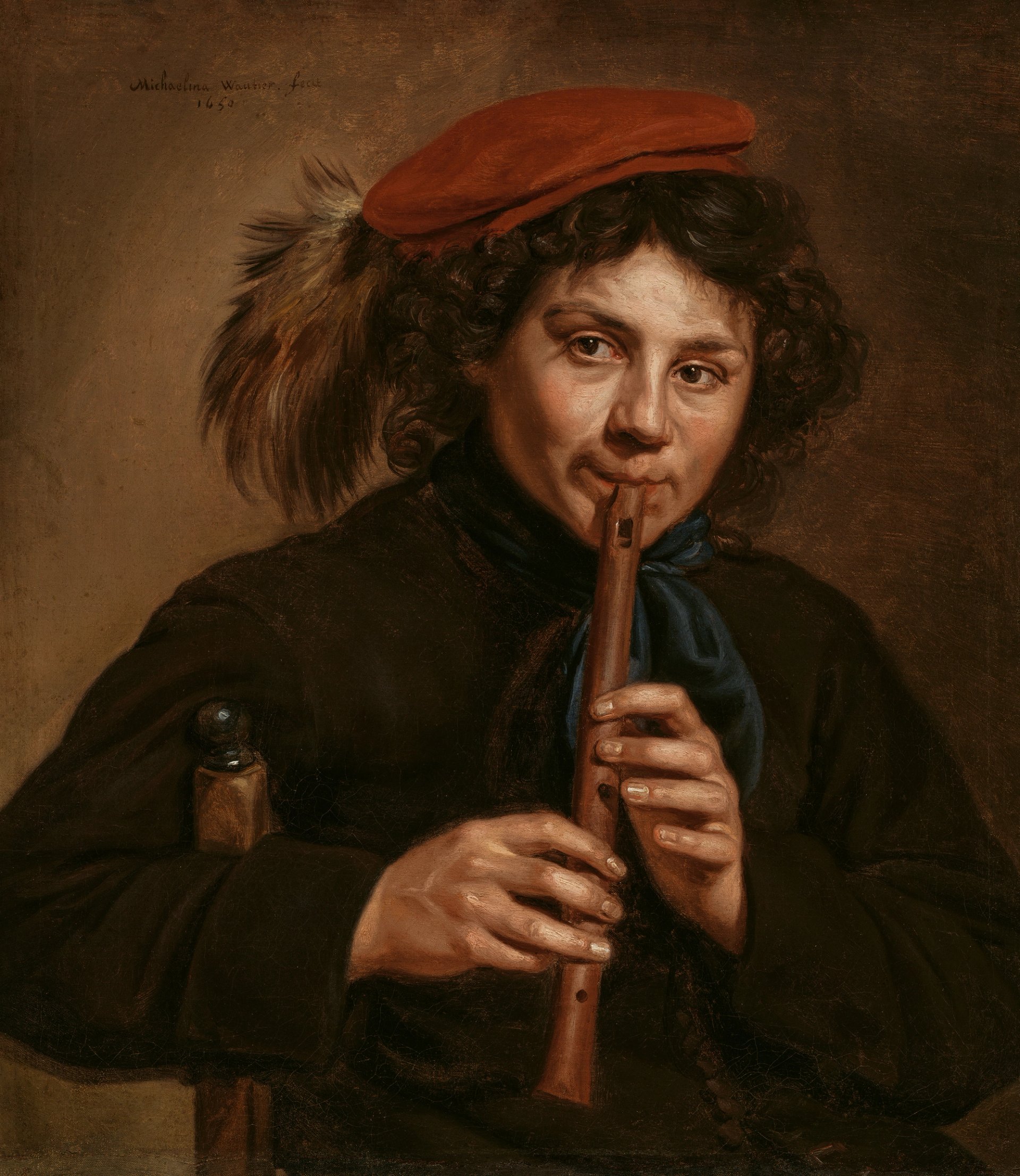
Wautier’s careful use of contrasting colours makes the boy’s scarf in Hearing (1650), from the Five Senses series, appear to be blue even though there is no blue pigment in the painting Rose-Marie and Eijk Van Otterloo Collection
Wautier’s skill and handling of paint is what makes her stand out amongst her peers. “What defines her from a lot of other people [of the period], including her brother, is a real virtuosic way of painting,” Domercq says. Wautier had “a very free, very assured way—like Rubens, like Van Dyck —of painting something very quickly but the brushwork is just right, it expresses things very clearly”.
Despite this being the biggest show of Wautier’s work, Domercq sees it as another “brick in the reconstruction of her oeuvre”. Wautier’s dated paintings span only 16 years, from when she was in her late 20s to mid 40s, but she lived into her 70s, so there is the possibility that there are many more paintings waiting to be found. Domercq adds that the hope is that “the catalogue will be almost obsolete when the show ends, because more works will be discovered.”
• Michaelina Wautier, Royal Academy of Arts, London, 27 March-21 June