A Paul Klee exhibition at the Jewish Museum in New York opened as planned on 20 March—except that its centrepiece was missing.
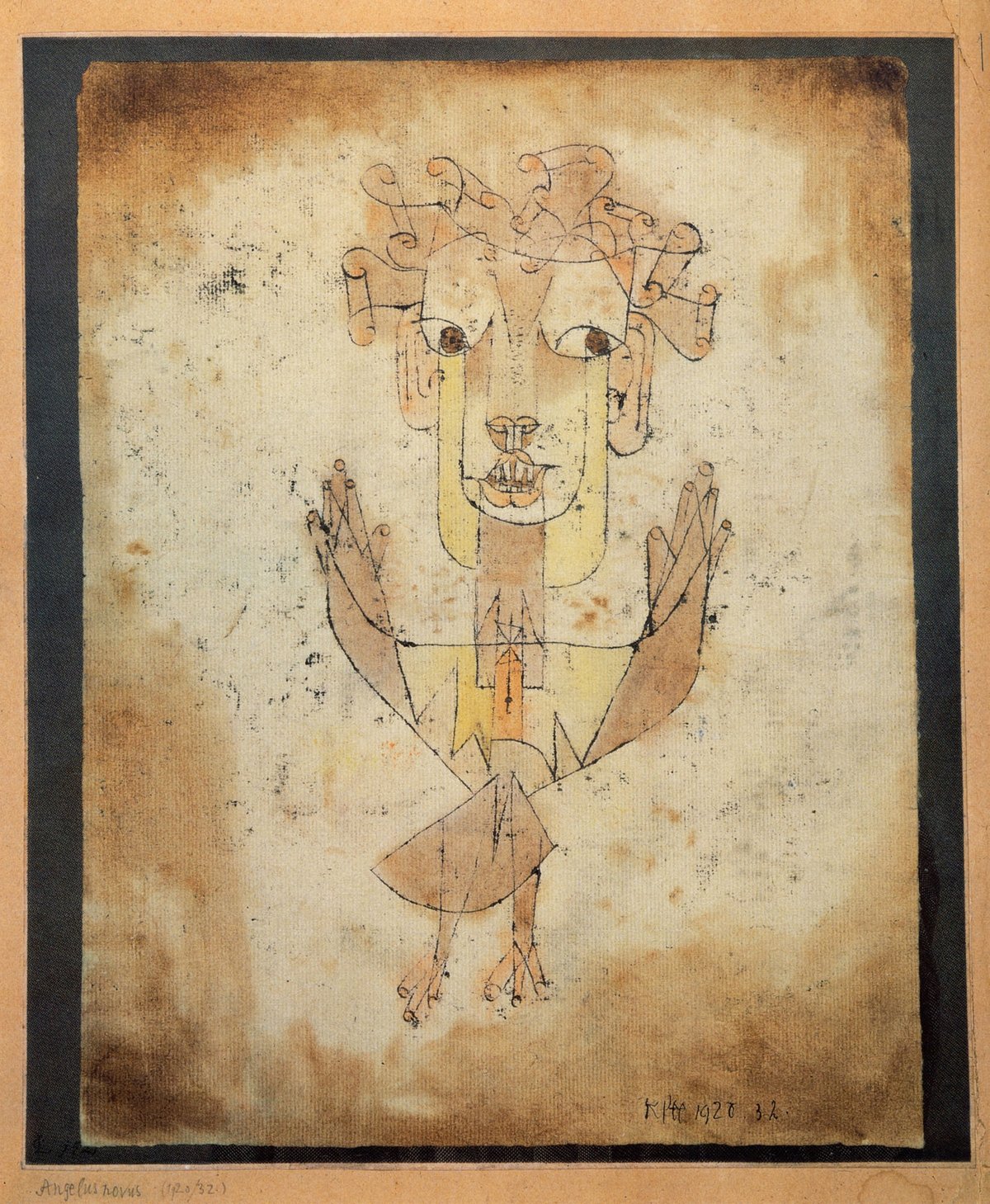
Angelus Novus (1920), an oil and watercolour work on paper, remains stuck in Israel because the Iran war has disrupted air mobility across the region. “Due to current conditions affecting international transport, the shipment of the original artwork has been temporarily delayed,” reads a sign at the museum.
On display instead is an authorised copy, set within a recessed red panel in an otherwise empty gallery dedicated to the piece. The facsimile was supposed to be rotated with the original, which can only be shown for four weeks at a time given its high sensitivity to light.
The exhibition, Paul Klee: Other Possible Worlds (until 26 July), focuses on the German artist’s later works, many of which responded to the rise of Nazism. Despite not being Jewish, Klee was a target of Nazi persecution and branded by a newspaper as a “typical Galician Jew”. He was fired from the Kunstakademie Düsseldorf, his paintings and monographs were burned, his works were seized from museums and collectors, and included in Degenerate Art, the infamous 1937 exhibition in Munich.
Klee made Angelus Novus in 1920 using his signature oil-transfer technique. After coating a sheet of paper with black oil paint, he used an etching needle to transfer the dry paint onto a second sheet of paper, thereby creating a drawing that he painted over with watercolour.
A year later, the work was purchased by the German Jewish philosopher Walter Benjamin. The two men’s lives had striking parallels. When the Third Reich rose to power in 1933, Benjamin fled to France and Klee to Switzerland, the country of his birth. In 1940, Benjamin killed himself when he faced deportation in Spain, three months after Klee had died from complications of scleroderma.
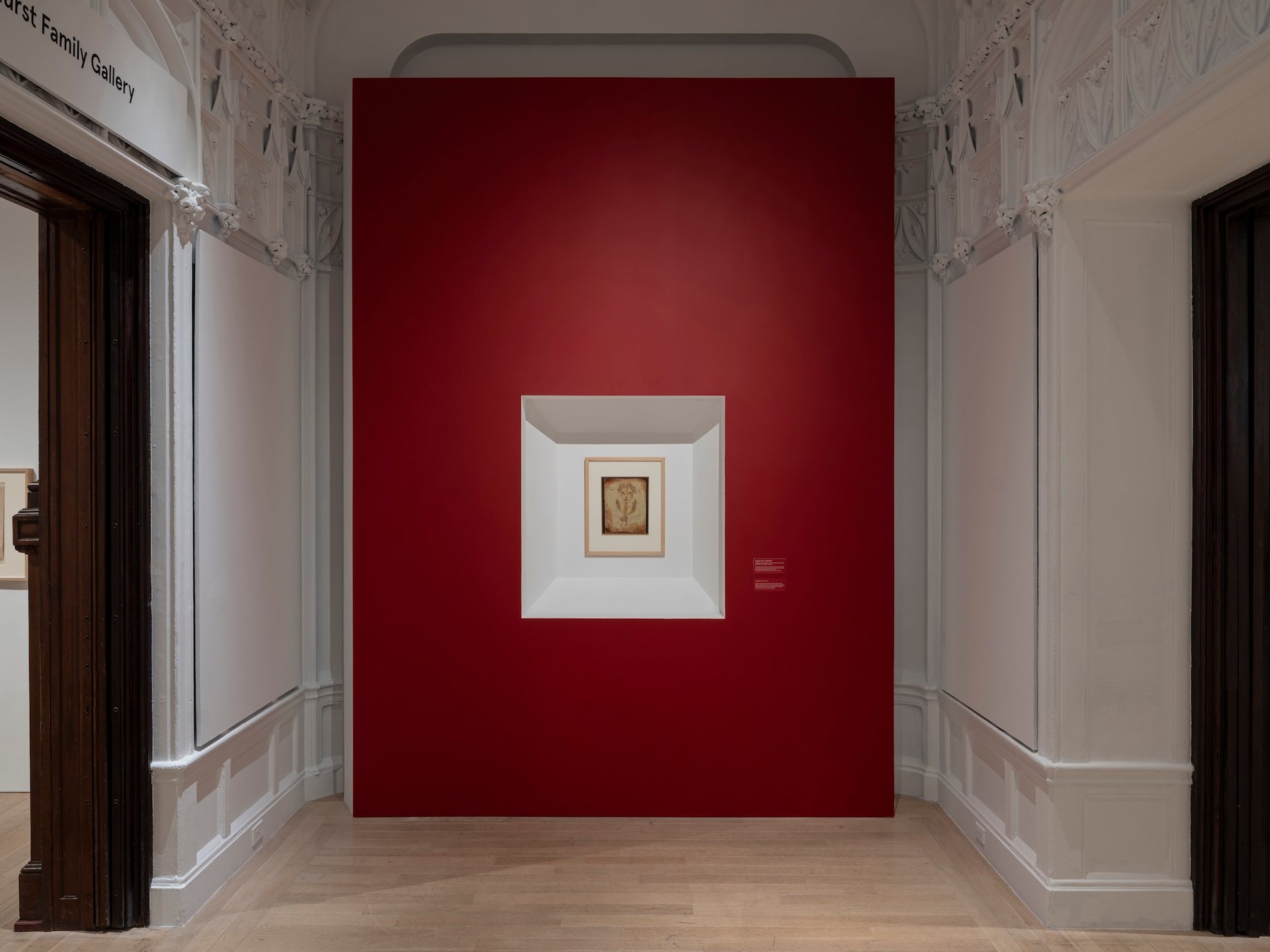
Installation view of Paul Klee: Other Possible Worlds at the Jewish Museum, New York Photo by Kris Graves Projects/Julian Calero
Angelus Novus was Benjamin’s most prized possession, and his dark interpretation of the roughly A4-size work would ultimately cement its legacy. In an essay written in his final year, Benjamin described the figure as an “angel of history” who stares back in helpless horror at the growing wreckage of the past as the storm of progress “irresistibly propels him into the future”.
Since 1987, Angelus Novus has been owned by the Israel Museum, where it is stored under strict climate conditions. It was last exhibited in The Angel of History, a 2025 show at the Bode-Museum in Berlin.
Although the work was created by Klee after the First World War and interpreted by Benjamin during the Second, its association with the human propensity for destruction continues to resonate today. Neville Rowley, a Bode-Museum curator, told The New York Times in 2025: “There’s a permanence of this vision of history as a succession of catastrophe.”
Ironically, the exhibition copy now on view at the Jewish Museum is an example of mechanically reproduced works, which Benjamin famously criticised as lacking the “aura” or “unique existence” of the original.
The ongoing war in the Middle East has impacted other shipments and exhibitions in the region. When US and Israeli forces launched their war on Iran at the end of February, the Tel Aviv Museum of Art postponed two forthcoming shows indefinitely—on Tom Wesselmann and post-1940 Jewish art—along with canceling related shipments from New York and Vienna. Three works could not be returned to the Von der Heydt Museum in Wuppertal for a Carl Grossberg exhibition.
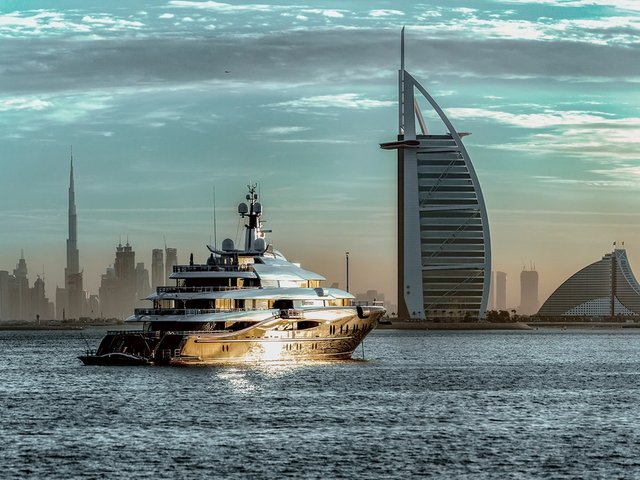
In Dubai, the international art fair Art Dubai has been postponed from April to May, as has the group show Global Positioning System at the Jameel Arts Centre. “We feel spaces like our centres play a crucial role during moments of uncertainty,” Art Jameel director Antonia Carver tells The Art Newspaper, “and believe museums are vital platforms for artists’ voices and spaces for reflection.”
- Paul Klee: Other Possible Worlds, until 26 July, Jewish Museum, New York