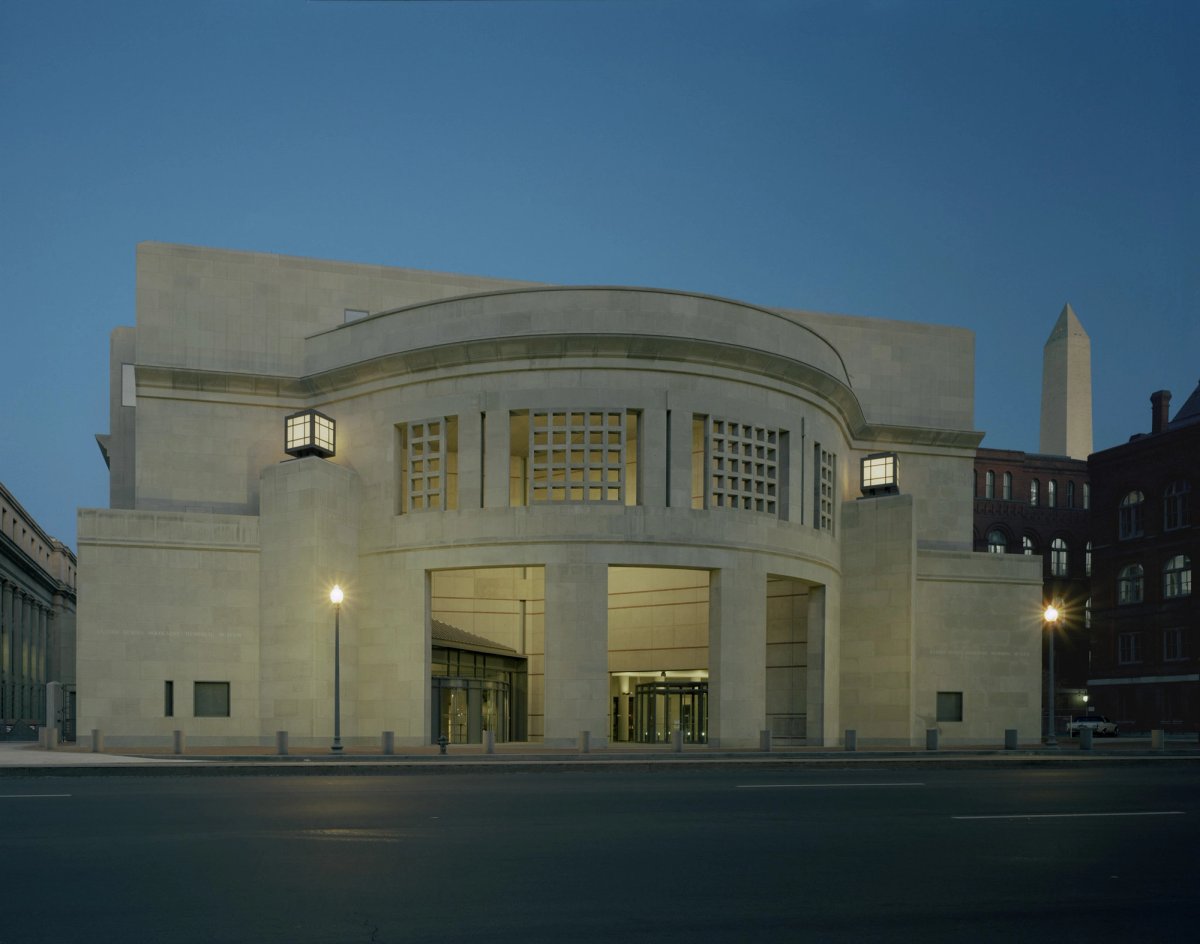
The United States Holocaust Memorial Museum (USHMM) in Washington, DC, has been accused of editing its language and reworking programming in order to preemptively appease the Trump administration. Two former employees told Politico’s Irie Sentner (who broke the story earlier this week), that quiet changes include removing online resources related to the US’s history of racism and cancelling a workshop on the “fragility of democracy”.
Although Donald Trump has yet to publicly comment on the USHMM, its anonymous former employees told Politico that the museum likely acted as a way of deflecting an attack like the one the president launched against the Smithsonian last year. “It seems like they were trying to proactively fall in line as to not then be forced to change,” said one of the former employees.
Among the cases of alleged self-censorship, the USHMM removed a page from its website titled “Teaching Materials on Nazism and Jim Crow” last year. The page featured educational resources on the connections between racism in the US and antisemitism in Germany, with topics such as the experiences of Black American soldiers who fought in the Second World War and of Black Germans during the Holocaust.
The USHMM also unlisted a YouTube video of a 2018 conversation it hosted between a Holocaust survivor and a woman whose father was lynched in Alabama, part of a two day symposium called “Bystanders and Complicity in Nazi Germany and the Jim Crow South”. The video is still available online, but the museum no longer links to it anywhere on its website or its YouTube channel.
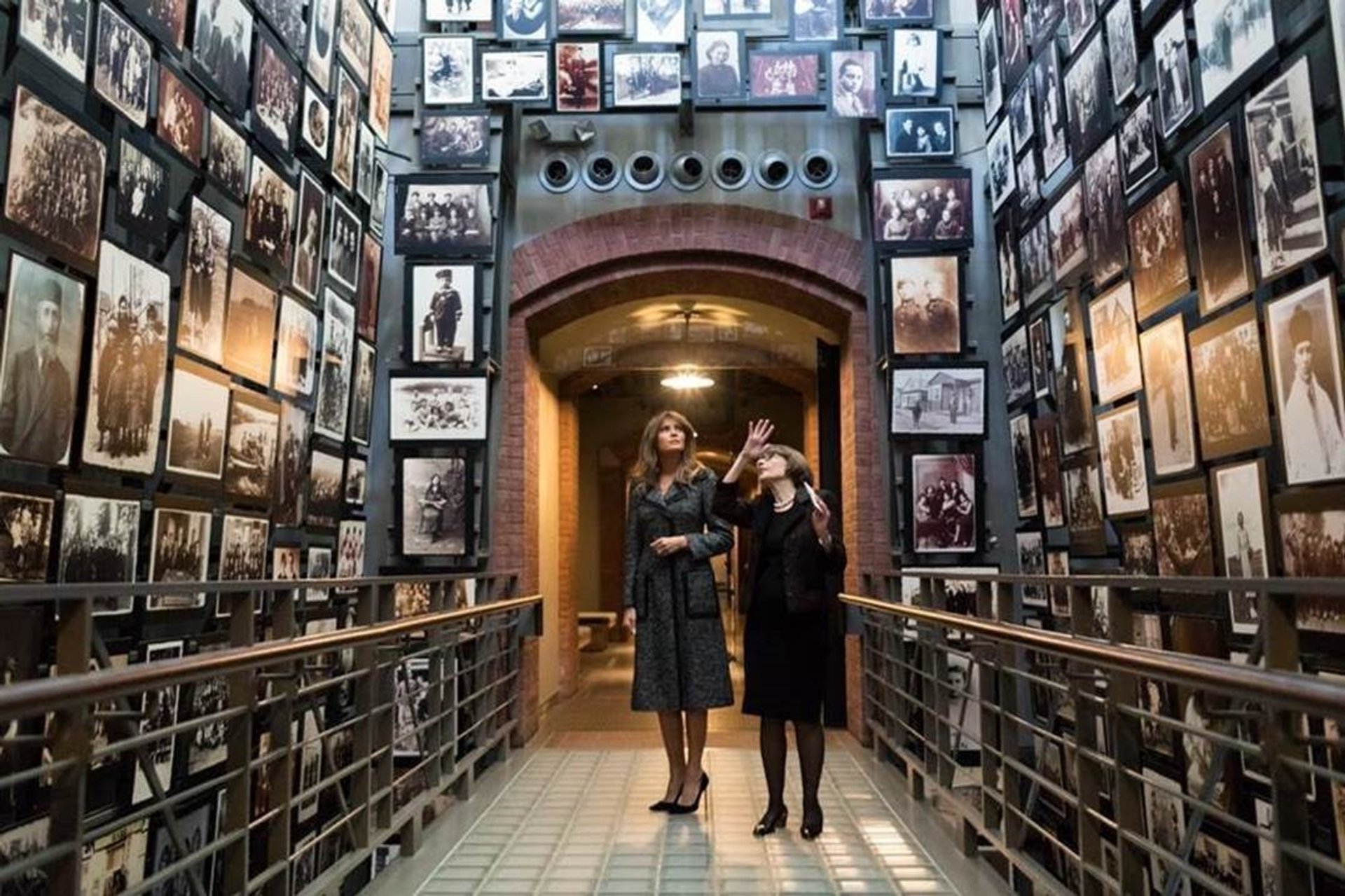
Melania Trump takes a tour of the USHMM in 2018 Official White House photo by Andrea Hanks
The USHMM appears to have backtracked from its focus on signs of coming authoritarianism as well. According to Politico, the museum renamed a workshop for college students from “Fragility of Democracy and the Rise of the Nazis” to “Before the Holocaust: German Society and the Nazi Rise to Power”. In an internal email shared with Politico, a senior staff member explained that the change was because of “concerns regarding how the term fragility may be perceived or interpreted in the current climate”. The workshop was later abruptly cancelled due to “shifting priorities”, according to one of the USHMM’s former employees.
The other former employee noted that it appeared museum leadership was worried about “engaging in conversations that might take the participant out of the context of Europe, 1933 to 1945, and into the present day”.
A USHMM spokesperson told Politico: “The allegations made by the two former employees that we have retreated from this content are false… Neither the Trump administration nor others ordered changes to the museum’s content or programming.” The spokesperson further pointed to a number of pages on the museum’s website that still pertain to the connections between the histories of US racism and Nazi antisemitism, including about Black American athletes at the 1936 Olympics in Berlin and Americans' responses to Nazism.
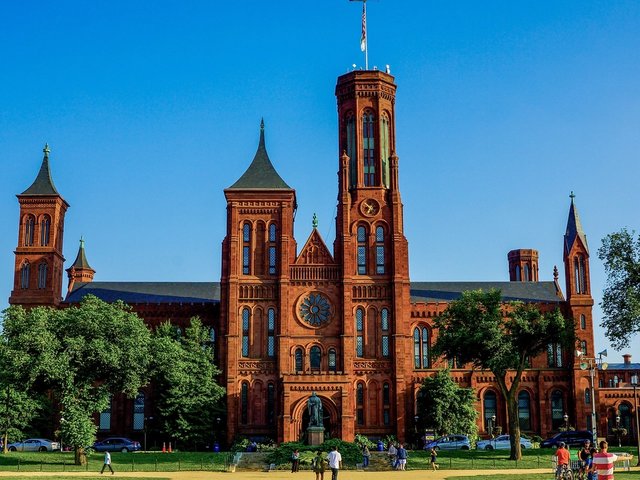
The USHMM is funded by both private donations and federal appropriations. It is not part of the Smithsonian Institute but its 68-member board, the Memorial Council, consists of presidential appointees and sitting politicians (as well as three ex-officio cabinet members). Although the museum has thus far been spared a Trump rebuke, the president did dismiss several members of the Memorial Council who had been appointed by Joe Biden, replacing them with his own loyalists. And just last month the USHMM announced that its board chair, Stuart E. Eizenstat—one of the museum’s founders—had been replaced by the Republican mega-lobbyist Jeff Miller.
In response to the Politico report, the Nevada senator Jacky Rosen wrote on X that she was “deeply troubled” by its findings. “History has shown that antisemitism and Holocaust denialism is often tied to democratic backsliding and hatred towards other minority communities,” she added. “As a member of the U.S. Holocaust Memorial Council, I intend to raise questions about these developments and ensure that the USHMM's educational materials do not become a political football.”