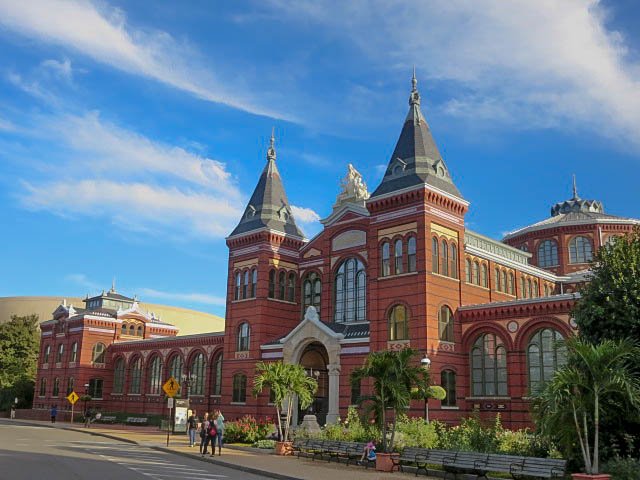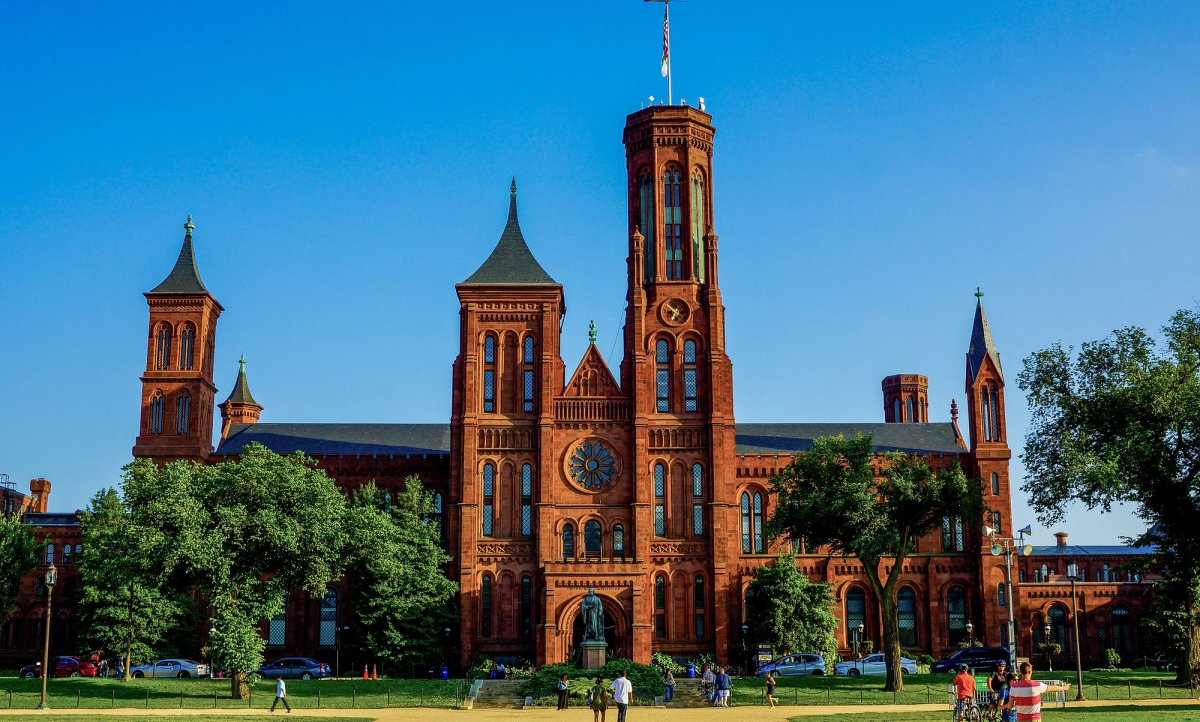
The Smithsonian's Board of Regents, the governing body of the Smithsonian Institution, is down to 15 members after two of its trustees’ terms expired on 2 March. Their replacements have yet to be announced.
Risa J. Lavizzo-Mourey, a doctor and expert in health policy and geriatric medicine, was formerly the board's chair. John Fahey, chairman emeritus of the National Geographic Society, also left the group last month. Both had been appointed under Barack Obama in 2014. (Regents serve a maximum of two six-year terms.)
According to Robin Pogrebin of The New York Times, the term of a third regent—the American Airlines board member Denise O’Leary, appointed under Trump in 2020—is set to expire next week. In addition, three more regents’ terms will expire in the autumn. No concrete plans have been made to replace any of them nor to renew the terms of those who are eligible. The Board of Regents had reportedly decided on Lavizzo-Mourey and Fahey’s potential replacements last year, but the list of names was never forwarded onto Congress.
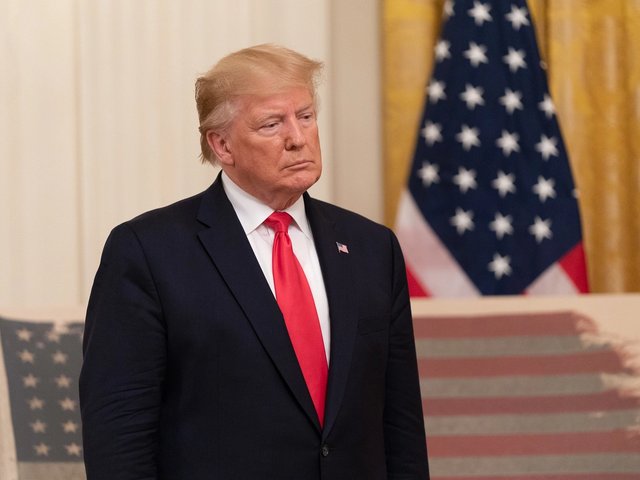
Both Congress and President Donald Trump need to approve new members of the Board of Regents. Given the Trump administration’s recent moves to reorient the Smithsonian, the delay in appointments is unsurprising and may signal an attempt to exert greater control over the institution.
In an executive order issued in March 2025 titled "Restoring Truth and Sanity to American History", Trump tasked Vice President J.D. Vance with overseeing the removal of “divisive, race-centred ideology” from the Smithsonian and denying funding to exhibitions and programming that “degrade shared American values”. Vance was to “remove improper ideology” from the Smithsonian Institution and work with congressional Republicans to “seek the appointment of citizen members to the Smithsonian Board of Regents committed to advancing the policy of this order”.
In the year since signing that order, the Trump administration has put additional pressure on the Smithsonian to bend to his political will. This included a prolonged political attack on Kim Sajet, the longtime director of the National Portrait Gallery (NPG), which led to her resignation in June. Last summer, the White House also launched a review of Smithsonian museums and exhibitions to “ensure alignment with the president’s directive to celebrate American exceptionalism”.
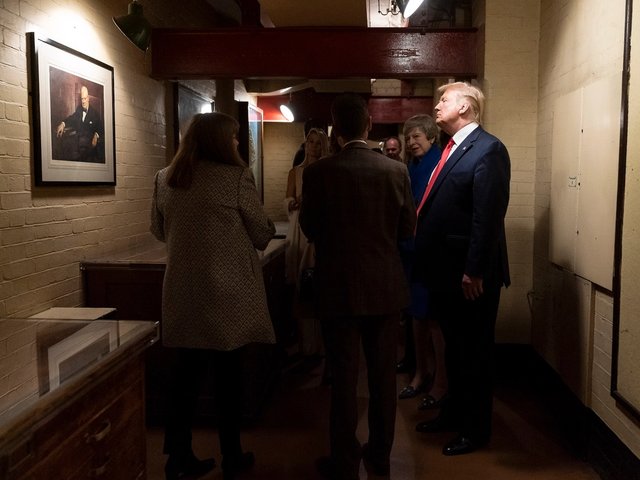
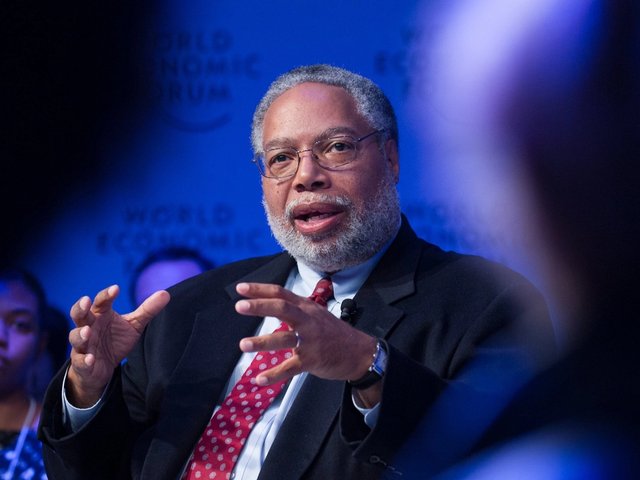
Trump later slammed the Smithsonian for concentrating on "how bad slavery was" and published a list of grievances related to “wokeness” under the heading "President Trump Is Right About the Smithsonian". While Lonnie G. Bunch III, the Smithsonian’s secretary, attempted to calm both the president and an outcry among museum workers, artists pulled out of exhibitions and cancelled programming, accusing Smithsonian museums of censorship.
After the end of the longest government shutdown in US history—which had a disastrous effect on museum attendance in Washington, DC—Trump renewed his investigation into the Smithsonian. At the same time, he began finessing his own image in the NPG’s permanent display of presidential portraits: wall text mentioning his impeachments was removed and his administration suggested that the museum create a special section for multiple portraits of him.