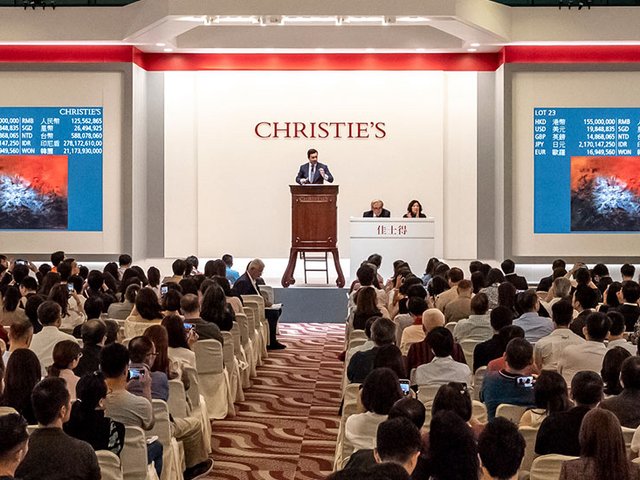
The art market grew by 4% in 2025, according to the latest Art Basel and UBS Art Market Report, but other than being back in the black, there does not seem much for our industry to cling to.
Behind this headline figure is plenty of grim reading. Increased protectionism, including on-and-off threats of tariffs from the US, is impacting the flow of art, hitting the contemporary market most. Meanwhile, the associated costs of selling art continue to increase, notably for shipping, logistics and art fairs.
And, perhaps the most worryingly, there is a sense of dwindling demand for art in the first place. The report finds that the average number of buyers per gallery fell to its lowest level since 2021, with the sharpest decline last year for smaller businesses (down 40%). An unnamed dealer is quoted saying that “interest in art is waning; screens and televisions have replaced pictures in living rooms”.
As if it wasn’t bad enough, the backdrop of global geopolitical and economic uncertainties has worsened considerably since the report’s data and survey closed at the end of last year. At the time of writing, the escalating war in Iran looked to be longer lasting than initially hoped, impacting oil and stock prices on an hourly basis.
Oil prices matter because, as an industry expert tells me, it “flows into every corner of the industrialised economy. It drives the cost of our heat and light, our plastics and fertiliser, our planes, trains and automobiles.”
Green shoots
Concerns over an oil price shock to the system don’t seem the ideal backdrop to buying art, though the report’s author, Clare McAndrew, manages to identify some green shoots through it all. She cites analysis of gallery announcements showing more businesses opened than closed last year (42% versus 25%), despite some high-profile closures, which she takes as a sign that “the market is regenerating”.
In the same vein, Noah Horowitz, the chief executive of Art Basel, writes that the uncertain environment is “forcing businesses to recalibrate and adapt with acute strategic focus and discipline”, which could bring future resilience—though this could also be clutching at straws.
Others spin a gently upbeat narrative about the reduced speculation in the contemporary market. “Ultimately, for young artists the good news buried in all of this is that they now have more time to develop their careers, which is hard amid extreme price inflation,” says the dealer David Zwirner.
From all corners, there’s a sense of manifesting a collective act of faith, which many have urged me to join. In the words of another dealer: “Don’t pour more cold water on the art world, there’s enough to deal with already.”
I am not yet persuaded by the optimistic crew, but economic experts say that, for now, things are relatively OK. They point to other recent macro shocks, including the Covid-19 pandemic and Russia’s invasion of Ukraine, as examples of how businesses have adjusted quickly to a new normal.
So, as well as keeping our fingers crossed, that is something to keep the pessimism at bay.