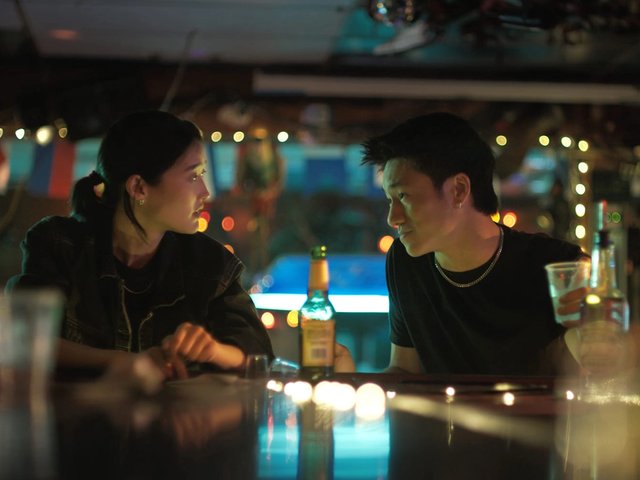
Art heists are reliable headline generators and perennial subjects for fiction thanks in part to the mystique around the value of art. Amid the increasing financialisation of the art market, as artists become brands and their works become assets, their assigned value opens wider questions about artistic merit, subjectivity and priorities. Such questions drive The Christophers, a kind of reverse art heist film starring Ian McKellen as a painter who peaked in the 1970s.
Julian Sklar (McKellen) has not produced new work in a long time and spends his days filming videos for Cameo. He burned away his public goodwill by filling the Simon Cowell-like “mean judge” role on a short-lived reality television competition called Art Fight, and then was “cancelled” for alluded-to but never revealed statements. Now, the only thing anyone is interested in from him is a series of nine portraits of his former lover, the titular Christophers, unfinished for decades.
What if Sklar died, and it turned out the Christophers were in fact completed? Surely, they would fetch a high price. That is what his estranged children (James Corden and Jessica Gunning, both excellently repellent) are counting on when they tap artist, restorer and erstwhile forger Lori (Michaela Coel) to apply to be Sklar’s assistant. She is tasked with using her position to find where Sklar keeps the Christophers canvases and secretly finish the portraits, leaving them to be “discovered” after his death so she and his heirs can reap a huge profit from selling them.
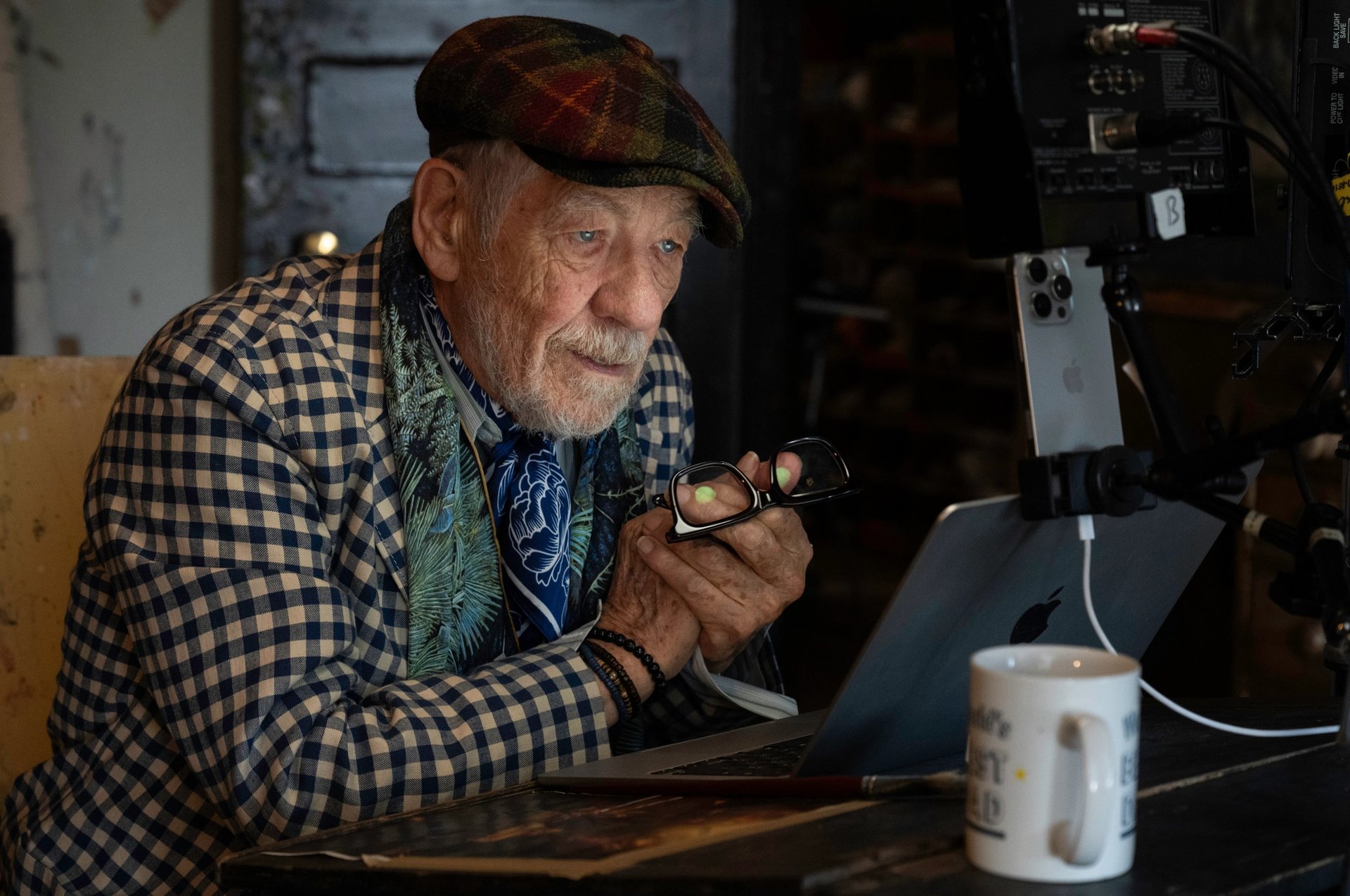
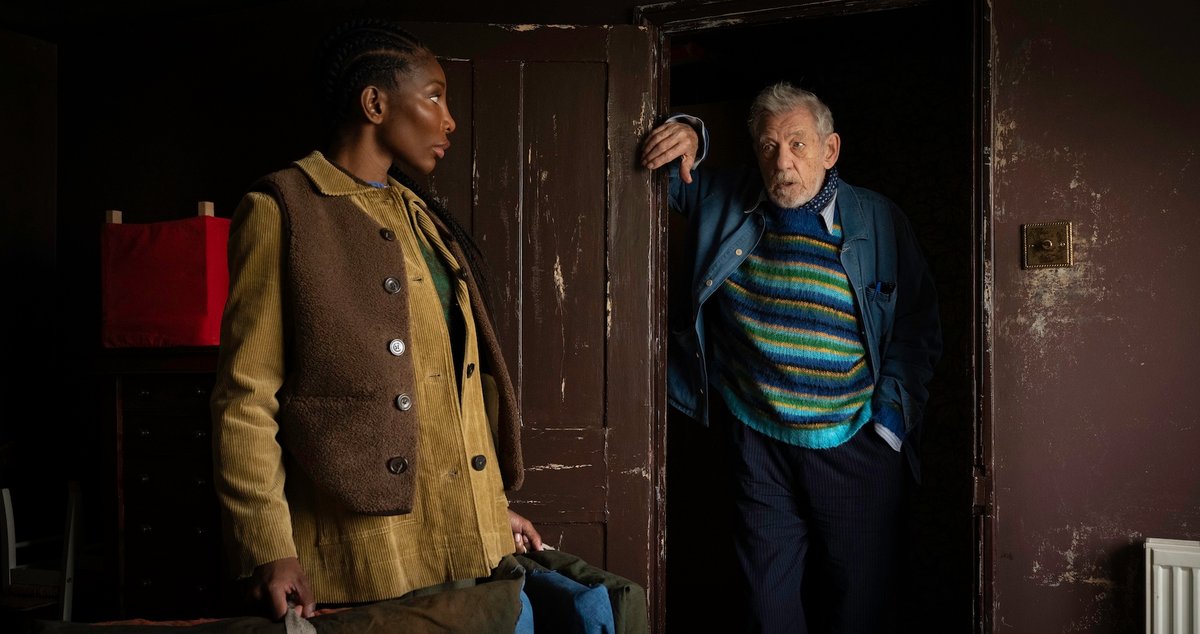
Ian McKellen in The Christophers Claudette Barius
The film’s writer, Ed Solomon, continually throws twists into the mix. Not long after she is hired, Lori learns that her first task as Sklar’s assistant will be to dispose of the Christophers, requiring her to forge copies of the unfinished canvases to be destroyed in their place. Further complications emerge from there.
Solomon’s previous collaborations with the film-maker Steven Soderbergh—the thriller No Sudden Move (2021), the crime miniseries Full Circle (2023) and the interactive murder mystery Mosaic (2017)—hinge on plot turns that recontextualise the characters’ backstories and relationships. It is not until later in The Christophers, for instance, that an offhand line of dialogue reveals that Lori and Sklar’s daughter went to art school together. A much larger plot point pivots on Lori’s pre-existing relationship with Sklar, which is continually revisited, deepening each time.
These developments are unspooled mainly through lengthy dialogue scenes; in another defiance of genre convention, this is a film more about talk than action. A good deal of the story comprises two-handed sequences—mostly between Lori and Sklar—in which the Christophers themselves or the characters’ respective views on art motivate negotiation or debate, and the tenor of each comes from its participants. For Sklar’s children, his work is a means to their ends, and so the Christophers become essentially MacGuffins. But Sklar challenges Lori to tell him what she thinks the portraits mean to him, or what she thinks of the value of his broader corpus, and she in turn spurs him to re-evaluate both his relationship with the Christophers and his feelings about their subject. The film is uninterested in definitively establishing what these works objectively “mean” or their attendant value—how the characters feel about them is more important.
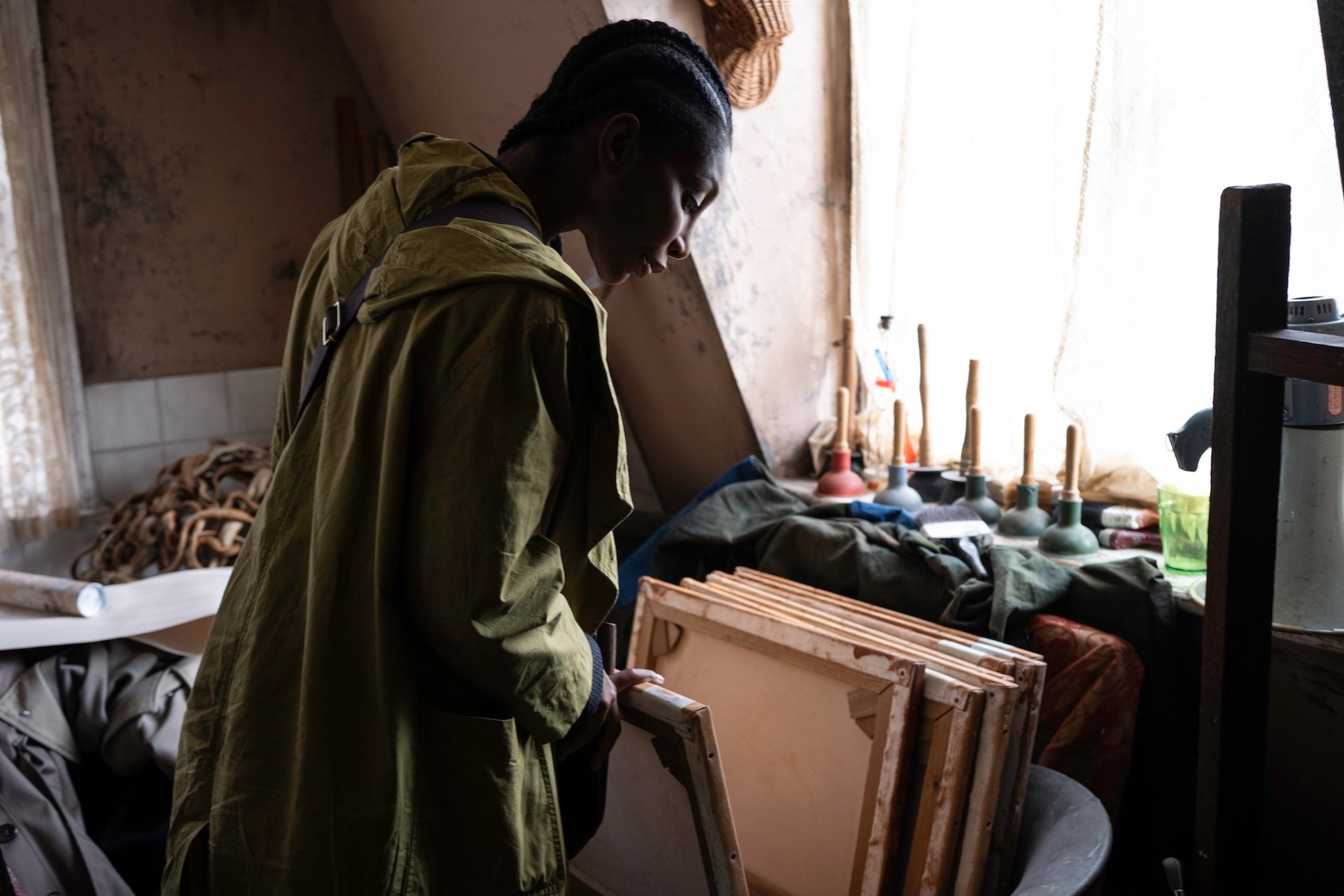
Michaela Coel in The Christophers Claudette Barius
The film pulls an impressive amount of verisimilitude into its portrayal of Sklar as an artist with an established history. Solomon drew on memories of his artist mother’s work, as well as input from restorer Lisa Rosen, Gazelli Art House curator George Lionel Barker, Pop artist Jann Haworth and others, even getting to speak with Derek Boshier before his death in 2024. He particularly cites Haworth as an influence on the way Lori elucidates what Sklar’s art means to her.
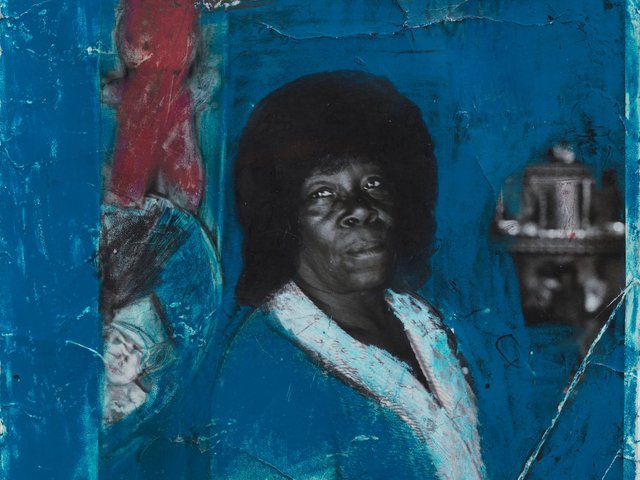
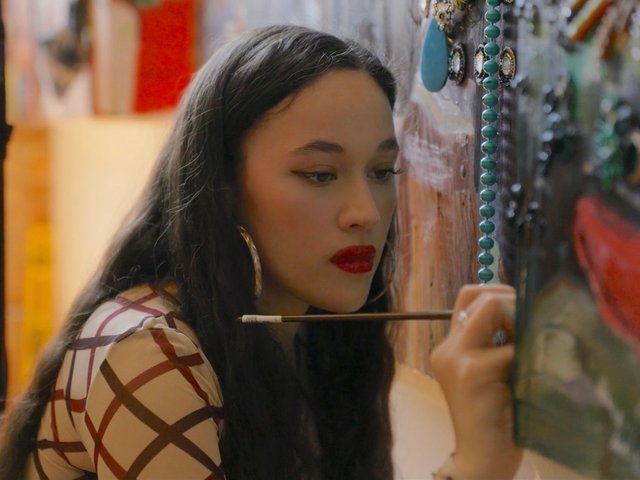
Boshier’s contemporary David Hockney is the most evident inspiration for Sklar’s paintings, especially the Christophers and the way the subject is framed intimately but casually, comfortably, within each of the canvases. Sklar’s canvases were created by Barnaby Gorton, an experienced artificer for film and television productions who, among other things, made many of the portraits featured in the Harry Potter film series and circus illustrations for Paddington 2. His daughter Shanti Gorton, also an artist and production designer, advised the actors on how to authentically perform actions like brushstrokes, and did finishing work on the Christophers.
There are nods to other real-world touchstones in the film. Lori is trying to complete eight of the Christophers rather than all nine because Sklar’s daughter has already ruined one of the series attempting to do so herself, and her effort greatly resembles the infamous amateur restoration of an Ecce Homo fresco at a Spanish church—and makes for the film’s funniest sight gag. Later, Lori creates a multimedia installation incorporating cellular phones and Sklar’s Cameo videos in a way that evokes the works of Nam June Paik or Amalia Ulman.
For all that The Christophers gets right, it is frustrating what Soderbergh elides in the way his characters grapple with art. The one-to-one parallel between Sklar’s terminated romance with his muse and the incomplete Christophers is simplistic. The obfuscation of what precisely Sklar said to get “cancelled” makes for a noncommittal lack of specificity and leaves a hole in the film’s commentary. Skip this sentence if you want to avoid spoilers: When the paintings are finally finished, the film barely grants us a glimpse at them, underlining how little their appearance really matters to their perceived worth to the art world, but also dodging clarity into whatever statement is being made through how they are completed. The ways in which the movie feels like it genuinely speaks to both the contemporary art world and its history also throw into sharp relief the ways in which its analysis of art as a practice fall short.
Watch the trailer for The Christophers:
- The Christophers is currently showing at select US cinemas