As a museum director, I am in constant conversation with staff, peers and stakeholders about our shared concerns: the relevance of cultural institutions and the response to the conditions of this moment. These conversations often return to the same question: what can we do?
At the Oakland Museum of California (OMCA) we often say, “Keep doing the good work.” But, in this moment, that is not enough. We need to be clearer about what that work is and how we commit to it. What follows is an attempt to name those commitments.
I will start with what we can do within our organisations. I am a firm believer that building trust, connection and belonging with our communities begins inside our museums. Here are just a few things that we are doing and have seen from others:
- Treat the people within your institution with respect and care. In our current situation, that means voluntarily recognising our OMCA-WU union and striving to implement a pro-union, equity-focused relationship through our collective bargaining agreement. I applaud other institutions that have also voluntarily unionised, including the Museum of Contemporary Art Chicago, the Museum of Contemporary Art Los Angeles, the Walker Art Center and others.
- Adopt a compensation philosophy of pay equity that includes the lowest-paid staff making $30.88 per hour and salary grades based on internal equity and market competitiveness. The call for equitable working conditions and pay has been amplified by efforts like Museums Moving Forward, and our commitment to pay equity has been reinforced by similar approaches at other organisations, like Filoli.
- Implement financial practices that are inclusive and transparent. We refer to this framework as financial integrity and are continually improving our budget practices with staff and board. We have also adopted an investment philosophy based on our social impact framework and are currently working to shift our investments to funds that manifest that philosophy. We have learned from other museums implementing socially responsible investment programmes, such as the Walters Art Gallery.
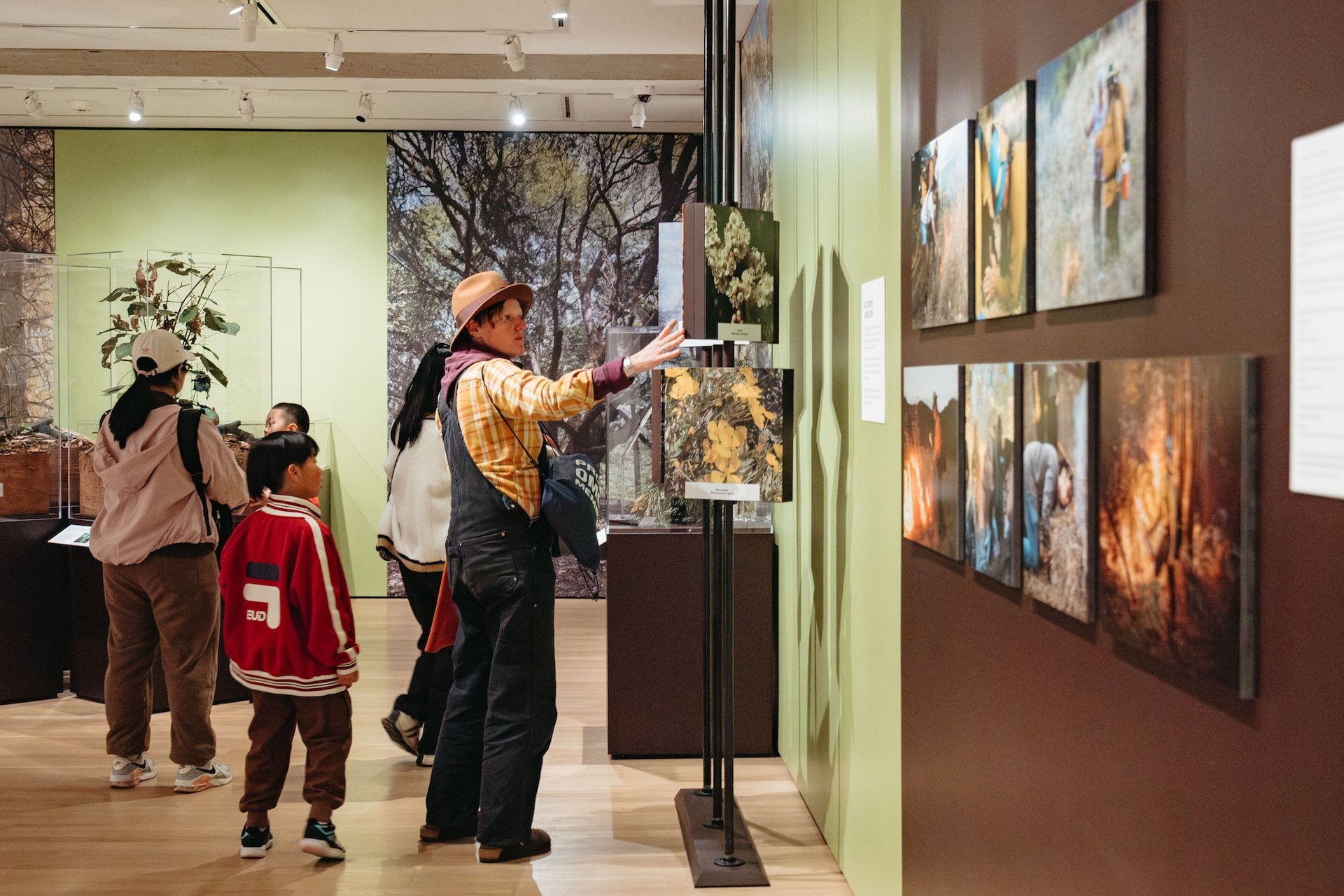
Installation view of Good Fire: Tending Native Lands at Oakland Museum of California, 2026 Photo by Christine Cueto. Courtesy Oakland Museum of California
Grounded in these practices as civil institutions, we must also be civic institutions: places not only of learning and gathering, but that contribute to greater community well-being. To do that, we need to serve the public and earn its trust. Here are some things we can do as civic institutions:
- Centre community voices and experiences in programming and work in mutually beneficial relationships with partners. Our exhibitions at OMCA strive to lift up undertold histories and to highlight stories of individual resilience and collective action. This commitment has long defined the work of many small, neighbourhood and ethnically based museums, like the Wing Luke Museum. This commitment also shapes our accountability to Native and Indigenous communities.We are indebted here to the decolonising efforts led by museums such as the Abbe Museum and the Museum of Us.
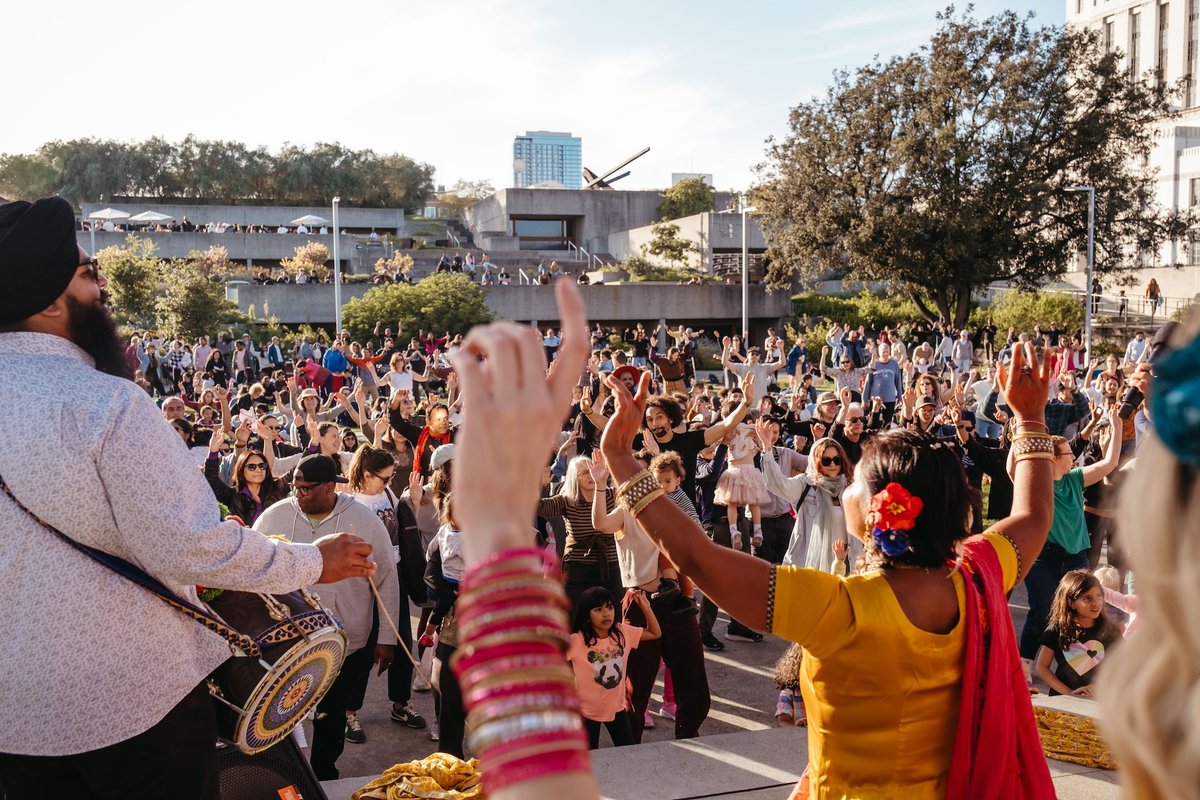
- Create spaces where people of different backgrounds and identities can come together to bridge across difference, not just bond with people like them. We think of this as social cohesion, and we see it throughout the year at our Friday Nights at OMCA. The Brooklyn Museum led the way with its monthly evening programming, and museums across the country create these spaces, especially through community festivals, like Día de los Muertos, Lunar New Year and Juneteenth.
- Measure and evaluate your impact and continually learn from it. We have an in-house evaluation team that surveys our visitors on a wide range of areas, from demographic information and visitor satisfaction to their experience of social cohesion. This information is widely shared throughout the institution and we strive to improve our programming and visitor experience based on those learnings.
This is the moment to stand up and stand together. We stand by values of equity and inclusion and actively work to build networks with other organisations locally, regionally and nationally that are similarly steadfast in our shared values. I see this in our local organisation, SOMArts, which recently held the event “Artists Live Here” in recognition of the loss of artists’ spaces in San Francisco. I also honour the bold leadership of the Japanese American National Museum in its actions in support of democracy, and the museums in Minneapolis that joined in solidarity against US Immigration and Customs Enforcement raids.
We must do what we can in this moment, and do it with courage and conviction. To do this, we hold fast to our mission and vision: to inspire understanding and empathy through history, culture and creative expression to imagine a more just and vibrant future. This future is one where everyone has access to the essential stories and expressions of human history and experience.
- Lori Fogarty is the executive director and chief executive of the Oakland Museum of California