The French government is under pressure to respond to dramatic failures in the security of the country‘s museums, which are facing multiple threats. A report published on 13 May by the parliamentary commission formed after the heist of the crown jewels at the Louvre museum, raises alarms over the “worrying condition” of their collections and proposes 40 recommendations, from raising budgets to overhauling museum leadership.
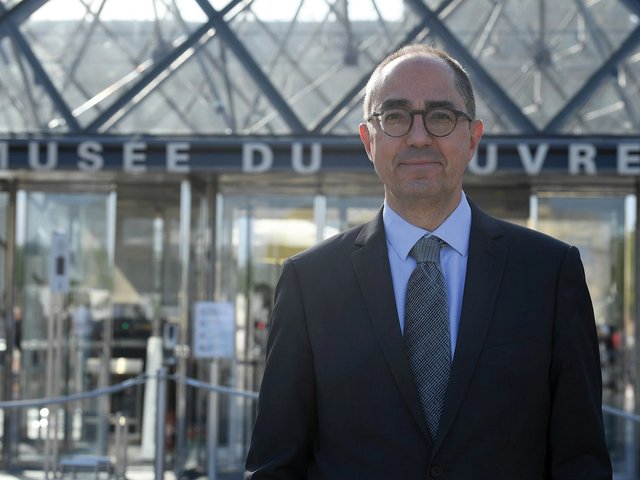
While the commission heard approximately 100 testimonies and covered around 2,000 French museums, a special chapter in the report is dedicated to the Louvre, with a damning assessment of former director Laurence des Cars’s reign. According to the MPs, her leadership symbolises a “dysfunctional drift”, favouring contemporary art interventions, fashion shows and gallery renovations over the basic protection of collections. The commission considers that Ms des Cars, who was forced to resign in February, “relegated to the background” the updating of the infrastructures which were “delayed by a little more than two years”, although Ms des Cars claimed in parliament that “there was no delay”. The report’s authors charge that this policy “allowed the 19 October heist to happen”.

They list a series of rising threats against museums, including rioting, burglaries, cyberattacks (which led the National Museum of Natural History in Paris to cancel an entire exhibition after a ransomware attack in July 2025), and terrorist threats (on 11 May, a 27 year-old man was detained for plotting jihadist attacks including at the Louvre). In museums, burglaries remain a tiny fraction of art thefts—an average of 18 cases annually over 15 years—but “their level of violence has increased”, focussing on jewellery and precious metals. However, the commission insists that these valuable pieces should still remain “by all means visible to the public”. The report requests enhancing staff training and funding for museums across the country, estimating a necessary budget between €20bn and €25bn over the course of a decade. Only 54% of museum galleries are protected by cameras and one third of the rooms in the Louvre do not have any.
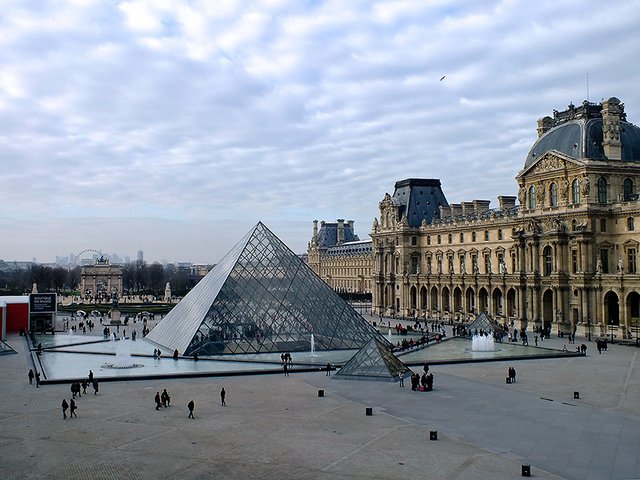
Taking the example of the situation at the Louvre, where the director was left “without control”, the members of parliament, called députés, urge the culture ministry to assess increasing influence on national museums’ management. The commission raises doubts about the colossal project for a new entrance leading to a subterranean complex in the Louvre. Signaling that 50 floods were registered over 12 years in French museums, it insists on the risks of floods to which the remaining Louvre storage is already subjected. Denouncing the “hyper-presidency” that crippled the Louvre, the députés now demand “more transparency and democracy” in the appointment of directors, which are currently chosen by the French president. Considering that this “fait du prince” encourages directors to adopt an event-driven policy, the report calls for the setting up of effective boards of trustees, inspired by the British Museum’s example, where the parliament would be represented.