Imagine Documentaries, the nonfiction branch of Ron Howard and Bryan Grazer’s Imagine Entertainment (of Apollo 13, A Beautiful Mind and The Da Vinci Code fame), has a lucrative track record making portraits of the great and the good, including athletes, political leaders and musicians. A documentary about a famous musician with a splashy festival rollout and accompanying profiles is a great way to keep their songs in rotation on streaming, which helps explain why Apple Corps co-produced Ron Howard’s documentary about the Beatles, Polygram and Decca co-produced Howard’s documentary about Pavarotti and Sony Music Entertainment co-produced Imagine’s documentary about Carlos Santana.
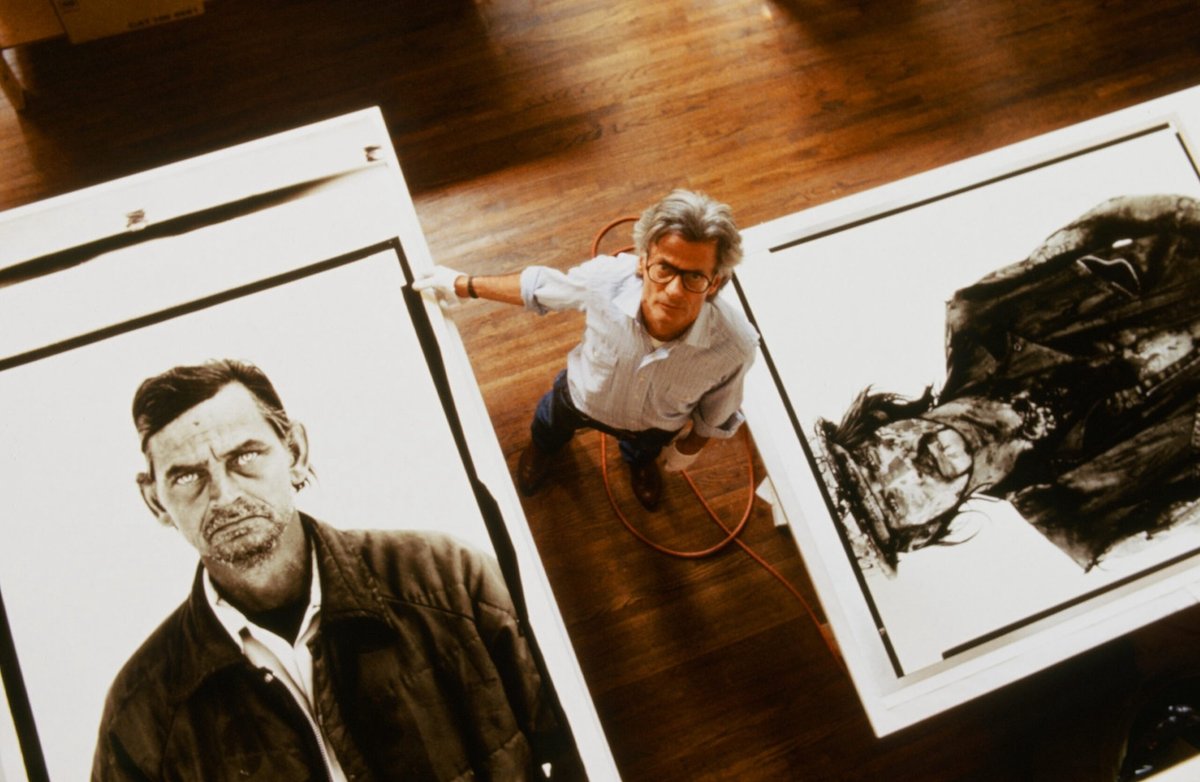
There is no urgent need for Howard’s new profile of the photographer Richard Avedon, which had its premiere at the Cannes Film Festival on 17 May. It draws extensively from interviews with Avedon conducted by Helen Whitney for Richard Avedon: Darkness and Light, which aired on PBS’s American Masters during the last decade of the photographer’s life, and a full half-dozen of that documentary’s talking heads—Avedon’s son John and great muse Lauren Hutton, as well as Isabella Rossellini, Twyla Tharp and former New Yorker colleagues Tina Brown and John Lahr—sat for new interviews with Howard’s team. What there is, is the Richard Avedon Foundation, which co-produced this new Avedon (2026). Perhaps the most revealing moment in the film comes when Avedon’s longtime dealer Larry Gagosian describes Dovima with Elephants, Evening Dress by Dior, Cirque d’Hiver, Paris as “one of his most iconic images, and one of the most valuable photographs he made; I think we sold one for $2m”.
Given his extensive celebrity-wrangling experience, Howard is a fine choice for an Avedon film. A great pleasure of the documentary, which is by no means a chore to watch, is the volume of 20th-century personalities that flow by in montages of portraits and contact sheets, as well as in the interviews that run us through Avedon’s life and work with well-worn anecdotes, like the one about how he elicited such a dour and haunted expression from Wallis Simpson and Prince Edward.
Avedon “wasn’t technical”, as one former studio assistant avers; his work, as the documentary makes clear, gains its excitement from proximity to people and moments of consequence. His great gift was in developing rapport, intuiting personality, encouraging expressiveness and making a decisive selection. Against his customary white background, the girdled floridity of a pre-presidential Ronald Reagan, or the shy, goofy grin of a fifty-something Audrey Hepburn, showcase their personality and his perspective.
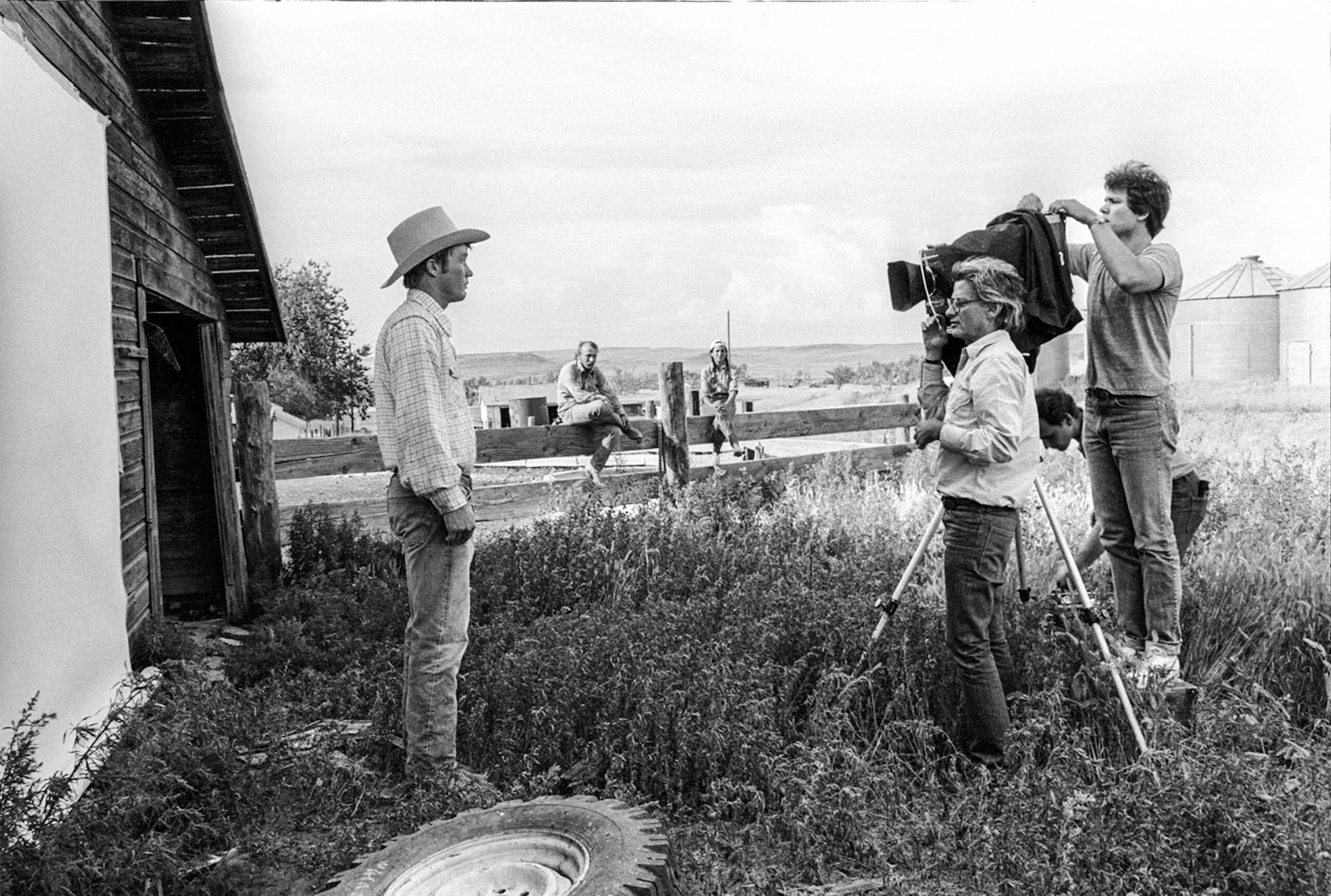
Still from Avedon (2026) Courtesy Imagine Documentaries and Fifth Season
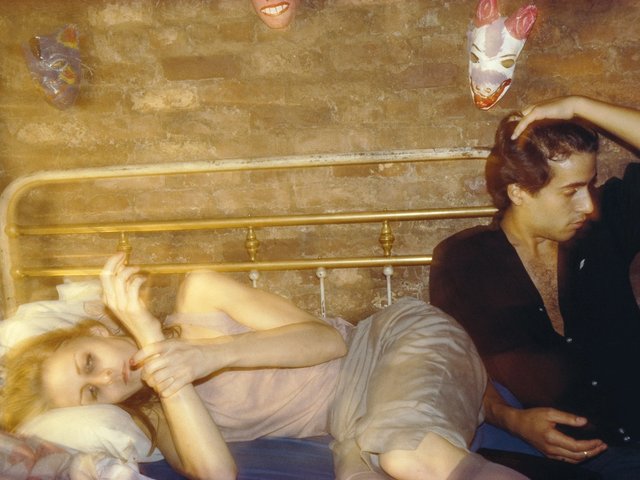
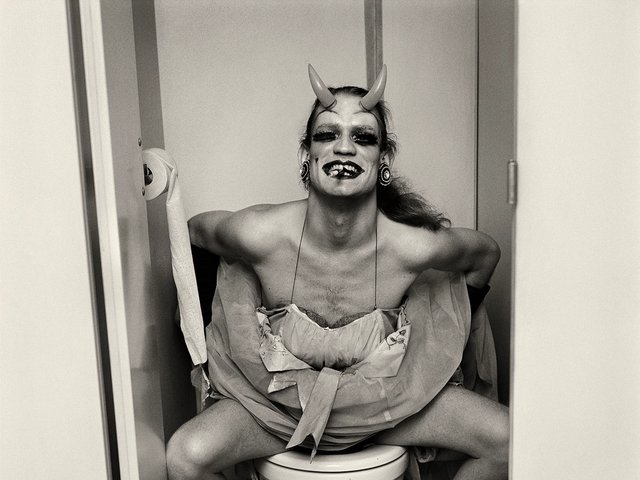
This court-painter approach led, at times, to Avedon’s work being rejected in highbrow spaces, though the film works hard to burnish his legacy as a champion of progressive causes. Copious archival materials (three title cards’ worth) place Avedon’s portraits in the context of contentious political topics, including his large-format panoramas of American military brass juxtaposed, at exhibitions, with portraits of Vietnamese napalm victims. Though, curiously in a film with such a one-to-one relationship of word and image, his series on Andy Warhol’s Factory is seen onscreen, but no comment is made on his gorgeous and groundbreaking mirror-image nude of Joe Dallesandro and transgender Superstar Candy Darling.
There are other omissions, as well, which may speak to another reason for the film’s existence. In old interviews, Avedon speaks at length and with discreet anguish about the sacrifices entailed in being married to an artist, though he is vague about the precise nature of the hardships he put his wife through (the film suggests that he was simply married to his work). Avedon was described as bisexual by his former studio manager Norma Stevens in her 2017 book Something Personal; though revelations of his sexuality were not outright denied, much of the book was vehemently contested by the foundation, including by executives who are very present in this documentary, which is now the Avedon biography of record.
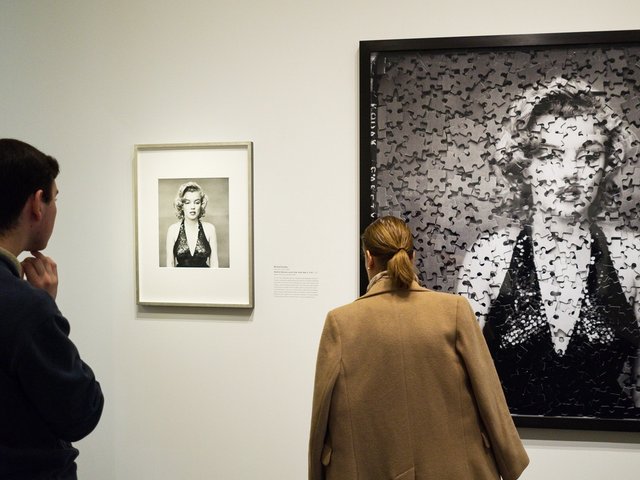
Avedon was apparently devastated by a New York Review of Books piece on Nothing Personal, his book of Civil Rights photographs, which dismissed him as a “show-biz moralist”. Seen another way, the descriptor is not necessarily pejorative. Via Avedon’s career, Howard’s film shows the evolving place of photography in the media and art world. His early work in Harper’s Bazaar enlivened post-war haute couture with modern energy. He helped launch early supermodels including Twiggy and Hutton with glossy, big-budget editorial spreads and advertisements. As photography gained art-world respect, his portraits, with their fashion-world vernacular, found a home in a gallery world that came to embrace celebrity and the mass media as legitimate subjects. By the time Tina Brown—herself a controversial hire—brought him to The New Yorker as the magazine’s first staff photographer, his black-and-white portraits were glossy-newsy and in keeping with Brown’s buzzy mingling of politics and celebrity. His show-biz moralism, which included photographing Barack Obama in the same style as Cat Power, was a great merging of the highbrow and lowbrow that looked forward to our contemporary era.
- Avedon is screening at the Cannes Film Festival, which continues until 23 May