A lack of government support has meant that growth in the Nigerian art scene, which has developed substantially over the past two decades, has mostly been generated by individuals who have set up private galleries and institutions to support the country’s significant artist community.
Among them is Ugoma Chinelo Ebilah, an economist-turned-curator. She founded the commercial gallery Bloom Art Lagos in 2010 and set up the Mbari Kola Arts and Culture Foundation to support artists and creative projects in 2019. Now she is opening Mbari Kola, a private art society and members club.
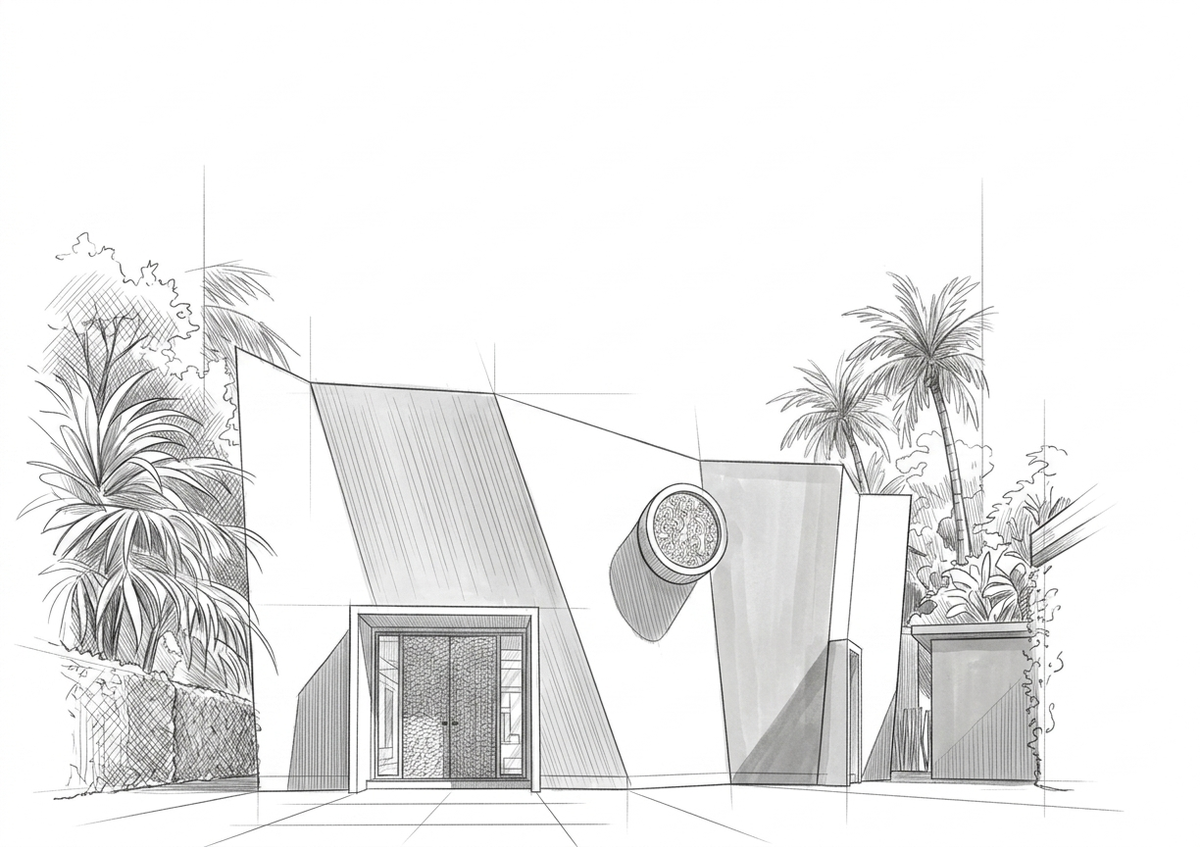
Mbari Kola will be located in a renovated building overlooking the lagoon in Ikoyi, one of Lagos’s most affluent areas. Spread over two floors, the 800 sq. m space will include a gallery, shop and garden open to the public, as well as a private lounge, terrace, library and multifunctional rooms reserved for members. The venue will hold events across the arts, from exhibitions and residencies to film screenings, concerts, performances and readings, with a predominant focus on pan-African art and culture. It will also house the foundation, which will support publishing initiatives and other programmes. The art on display will be drawn from the collections of the foundation, Ebilah and the club’s members.
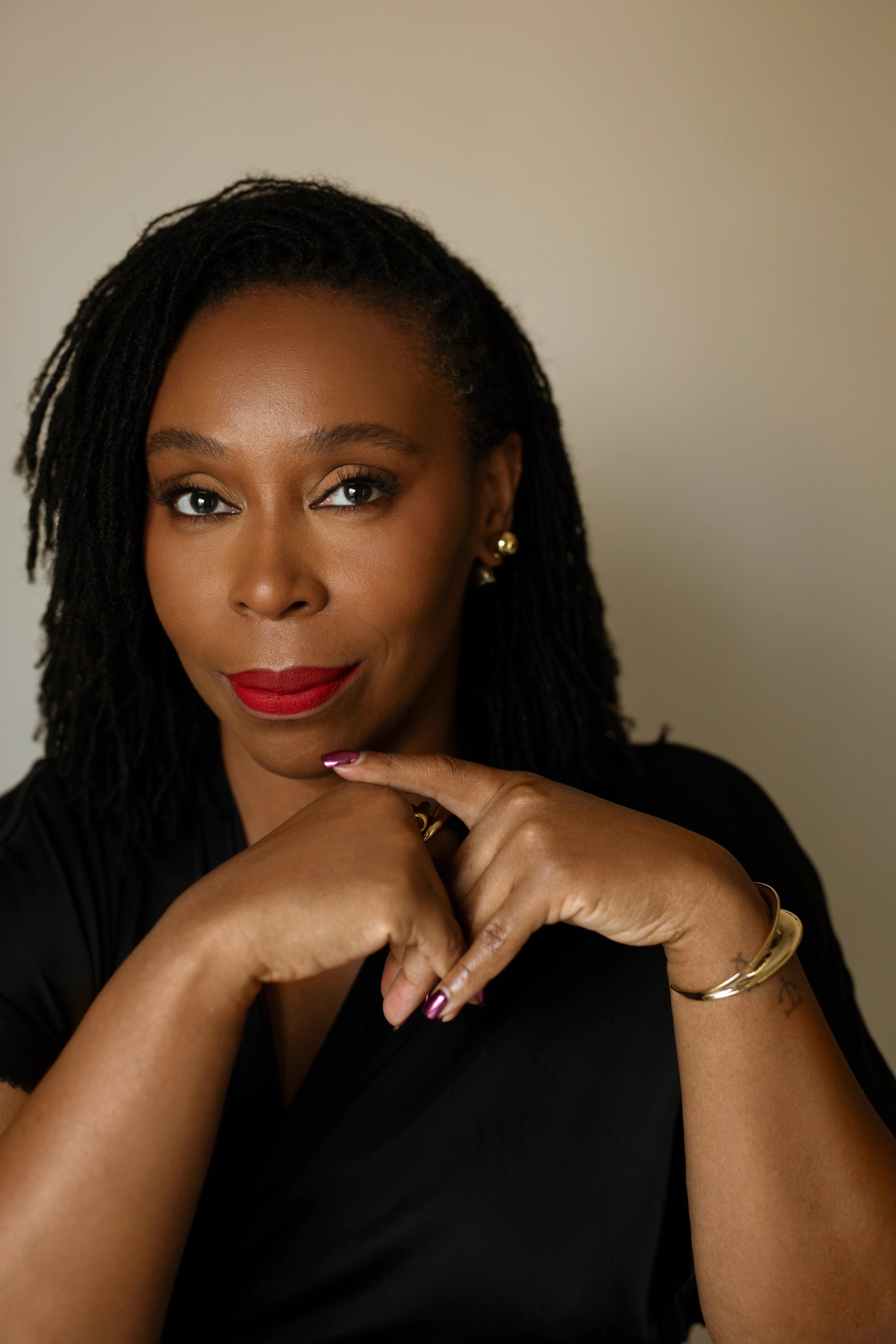
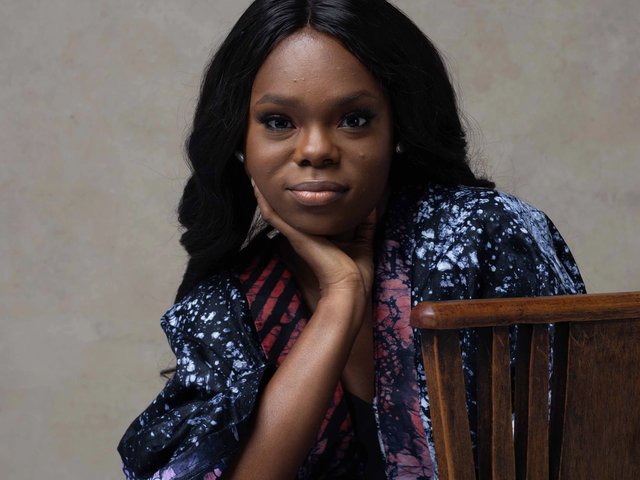
Founder Ugoma Chinelo Ebilah hopes Mbari Kola attracts people with passion Photo: Manny Jefferson
Ebilah says she founded the club to separate her “commercial charge”, which is in full force at Bloom Art Lagos, from her “social charge”. “There are certain decisions I cannot make if I’m commercially inclined,” she says. On the other hand, she hopes Mbari Kola will bring together the makers and the consumers of art. “The more these two people never lose sight of each other, then the more responsible and thoughtful they can be of each other,” she says.
Mbari Kola’s soft launch for founding members is scheduled for Africa Day (25 May)—an annual celebration of the formation of the African Union in 1963. The second and third phases will be after the summer and during Lagos Art Week, which coincides with the art fair ART X Lagos (5-8 November).
The club is part-funded by Ebilah and the rest has been crowdfunded through founding patrons and members, of which there are currently around 50 from Nigeria and beyond. Ebilah says she wants the club to be full of people who are “passionate” about the arts. “I don’t want tepid, because tepid isn’t going to help us solve the problems we have right now, not just in the Nigerian art ecosystem, but in the art ecosystems of Africa and the rest of the world,” she says.
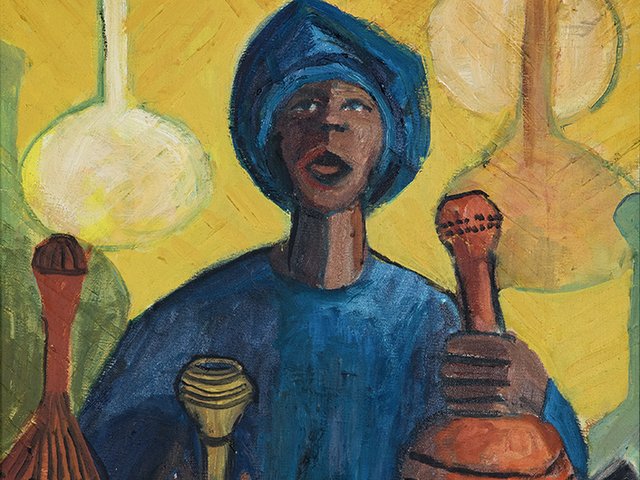
Mbari Kola is inspired by the Mbari artists’ and writers’ clubs that proliferated across Africa in the 1960s; the first was established in Ibadan, Nigeria in 1961. The Nigerian artist and curator Oliver Enwonwu says that the Ibadan club was significant because of “what happened intellectually within it”. He believes that Mbari Kola’s impact will depend on whether it can create the same kind of serious exchange across disciplines.
“Lagos already has commercial art energy in several galleries; what it needs more of are environments where reflection, argument and long-form cultural conversations can occur outside immediate market pressures,” he says. “The ambition is therefore important—but the long-term test will be intellectual substance.”