The UK government’s decision to “explore options” on introducing admission charges for overseas visitors at national museums in England has sparked debate in the culture sector, with many museums opposing the proposal.
Opponents say it risks causing reputational damage to the country. “A two-tier entry system would fundamentally undermine our commitment to universal access and risks projecting the UK as a nation lacking in confidence and generosity of spirit,” says a statement from the Royal Armouries in Leeds, one of 15 museums funded by the Department for Culture, Media and Sport (DCMS).
The DCMS re-ignited the discussions around introducing charges for tourists in its response to a review of Arts Council England (ACE) by the Labour peer Margaret Hodge, who published her recommendations regarding the future of ACE last December. These included new funding proposals based on philanthropic giving and tax incentives along with ideas for overhauling the model for National Portfolio Organisations that receive regular funding from ACE.
But Hodge’s recommendations go beyond ACE’s budget to examine potential new income streams generally, and the proposal that has garnered most attention centres on possible admission fees for tourists which, the UK government says, could “provide significant benefits”. The Art Newspaper understands that no decision is expected until the end of the year.
Hodge suggests, controversially, that such a measure would require digital ID checks at museum entrances. “Should the recently announced introduction of ID cards [by the current Labour government] achieve universal coverage, it would present a valuable opportunity to revisit the policy of free entry for international visitors to national museums and galleries,” she writes.
Hodge told the Communications and Digital Select Committee in Parliament (14 April): “I would be totally opposed to us doing anything about charging for museums until we have that universal system [of digital ID]." Crucially she added that introducing entrance fees at English national museums, would “bring in less than ten million [pounds]... It's not worth doing it, and the hassle for it, and the unfairness, if you don't have a clear way of identifying who's who.”

Margaret Hodge’s report on Arts Council England suggests, controversially, that museums should charge entry Photo by Chris Boland / www.chrisboland.com
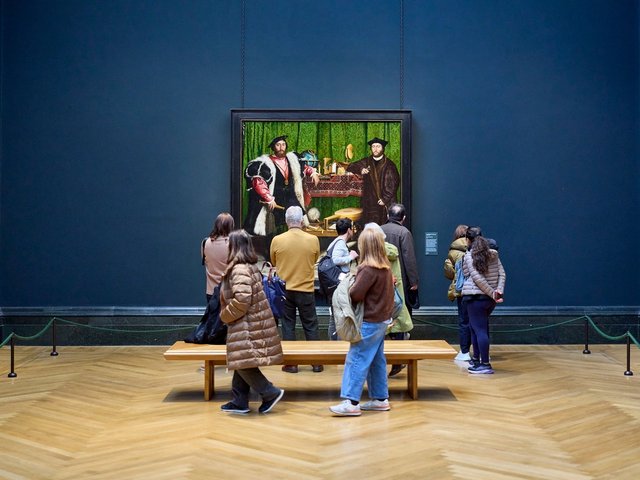
The charging proposal comes almost 25 years since the Labour party re-introduced free admission for everyone visiting UK national museums. That policy is credited with boosting admissions at all national institutions substantially in the period since (within the first decade, visits to museums that formerly charged rose by 151%, the Art Fund charity says).
But as the UK government subsidy grant-in-aid continues to fall for UK national museums—it declined by 18% (in real terms) between 2010 and 2023 according to the DCMS— charging international visitors has crept up the agenda; especially since Mark Jones, the former director of the V&A, told The Times in 2024 that “it would make sense for us to charge overseas visitors for admission to museums as they charge us when we visit their museums”. According to the National Audit Office, there were 19.4 million overseas visitors in 2024-25 compared with an average of 22.6 million before the pandemic.
Colonial legacy
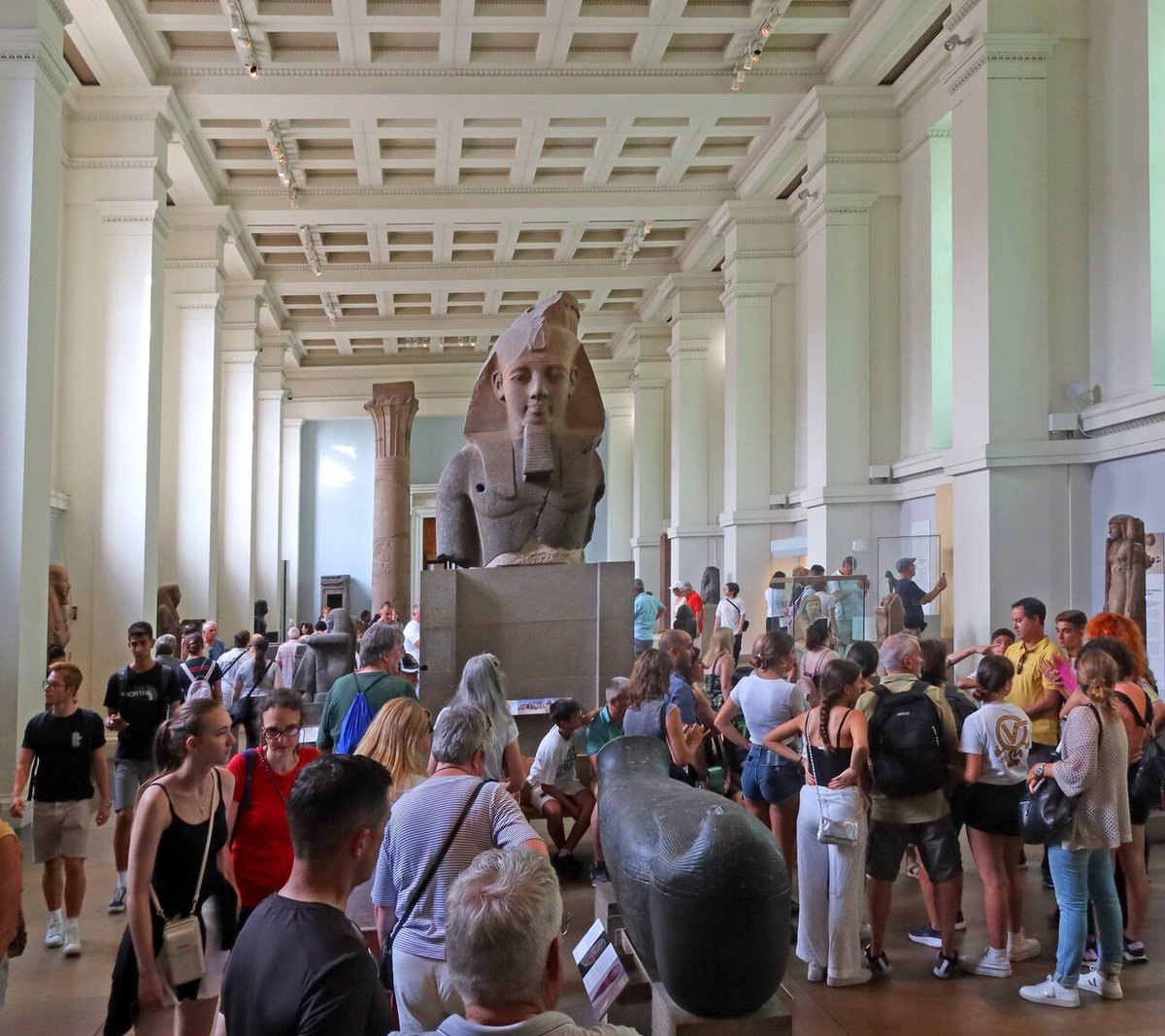
The Cultural Policy Unit (CPU)—an independent UK think tank led by Alison Cole, the former editor of The Art Newspaper—has pushed back strongly on the proposal, saying in a 2025 report that such charges would be “logistically complex as well as ideologically at odds with the global collections that the UK has accumulated”. The argument links to issues around the legacy of colonialism. The CPU points out that if charges were to be introduced, the British Museum, for instance, would be placed in the “unenviable position” of having to charge Nigerian tourists to see the Benin Bronzes or Egyptians to view the Rosetta Stone.
The CPU advocates instead for a 3%-5% tourism charge on overnight stays to fund cultural infrastructure across England, an idea supported by Tristram Hunt, the current V&A director. Hunt wrote last year in a Financial Times article that visitor numbers fall significantly with the charging of admission fees, affecting knock-on spending in museum shops and catering. The UK Treasury might also lower public funding if self-generated income increased, he added. The King's Speech earlier this month, which sets out the UK government's legislative framework, included plans for an Overnight Visitor Levy (tourist tax) in England.
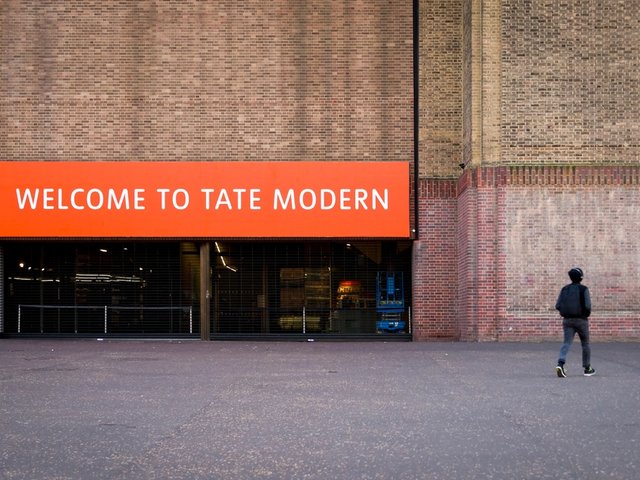
Maria Balshaw, former director of the Tate, also opposes charging tourists. “I don’t like that idea,” she said in March. Her interim successor, Karin Hindsbo, agrees, saying in The Guardian that the numbers don’t add up, as ”the lost income from exhibition tickets, shops and cafés would outweigh any gains from charging admission”.
But Mark Jones is maintaining his stance. “National museums and galleries are a key part of our tourist infrastructure. But at the moment we struggle, and fail, to provide the funding that they need. Charging overseas visitors for entry—not British residents who have already paid their share—simply recognises that they, as relatively well-off beneficiaries, should contribute,” he tells The Art Newspaper. “The idea that this would put people off coming to the UK seems slightly absurd in light of the fact that France, which charges a goodly sum for entry to the Louvre and indeed all nationally funded museums and galleries, is the most popular tourist destination in the world.”
More and more places require a contribution from tourists through various taxes to the cost of maintaining infrastructure shared with the resident population, Jones adds. “That seems fair since tourists are on the whole better off than local residents, who will otherwise shoulder the entire burden of funding that infrastructure through taxation.”
Other culture commentators also argue that tourist fees would plug funding gaps. “What strikes me is that the debate is flawed from its starting point,” says the author Ben Lewis. “The starting point should not be: should people be able to visit British museums for free? It should be: what do we have to do to pay our staff fair salaries for their skill levels and work? If they can do that without charging, fine! But of course they can’t.”
Whatever the outcome, the debate has brought into sharp focus the museum funding crisis in the UK, raising the question of the price put on culture by politicians. “This proposal [charging tourists] is a superficial, short-term response to a deeper problem and offers considerably more challenges than benefits,” says Nat Edwards, the director general of the Royal Armouries. “The right answer is to make the full-throated case for properly and sustainably funding institutions that belong to everyone.”