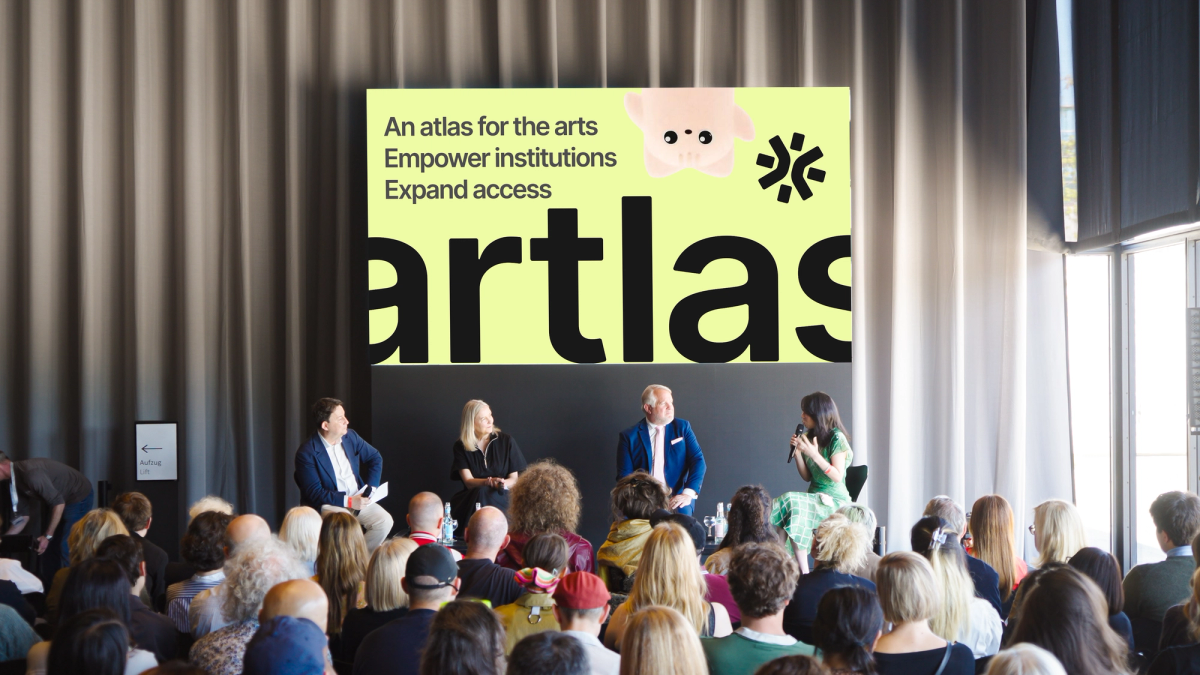
Artlas, the platform launched that creates personalised digital guides for museums, launched in 2025 by the former Google engineer Grace Yao, is currently being piloted at institutions including Mori Art Museum in Tokyo, Dib Bangkok and the Institute of Contemporary Art Miami. According to company figures, the platform has generated more than 25,000 personalised guides since December 2025.
The platform combines AI-generated audio guidance, artwork recognition, navigation and conversational tools that allow visitors to ask questions about works on display. It supports more than 20 languages and adapts content according to a visitor’s interests, language, available time and level of knowledge.
“Most museum interpretation is still one direction,” Yao tells The Art Newspaper. “A wall label, an audio guide or a museum app usually speaks to everyone in the same way.”
Rather than simply creating a digital audio guide, Yao says Artlas is intended to act as “an AI layer for museum knowledge and visitor experience”. The company works with museums and institutions to structure collection records, curatorial texts and educational materials into formats that can be used to generate personalised experiences for visitors.
The technology can deliver markedly different interpretations of the same work depending on who is viewing it. Using Georges Seurat’s painting A Sunday Afternoon on the Island of La Grande Jatte (1884-86) as an example, Yao says a child might be guided through a game encouraging them to identify details in the painting, while adults could receive broader social and historical context. Art specialists, meanwhile, might be offered information about colour theory or how certain pigments have changed over time.
“Personalisation is not just about making the language easier or shorter,” she says. “It is about choosing the right doorway into the artwork. The same painting can become a game of looking, a story about modern society, or a technical discussion about colour, depending on who is standing in front of it.”
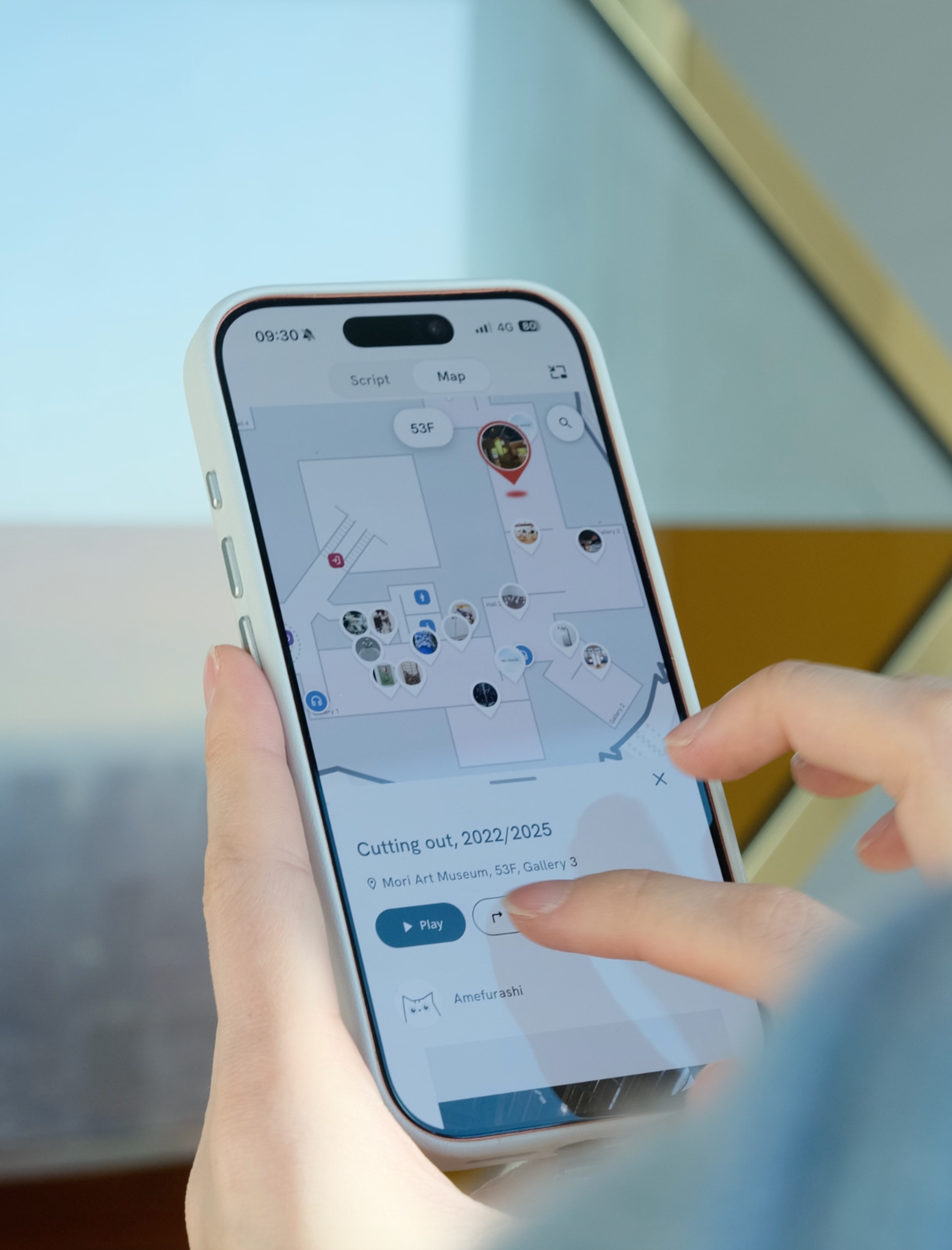
The AI-powered culture platform offers personalised tours, multilingual interpretation and conversational engagement Image: courtesy of Artlas
The growth of AI-assisted interpretation has raised questions within museums about authority, accuracy and the role of human expertise. Yao insists that Artlas is designed to support, rather than replace, human interactions.
“We see Artlas as supplementing museum educators and human guides, not replacing them,” she says. “A great curator, educator or human guide brings something very special: lived experience, personality, judgement, taste, emotion and sometimes a story that only that person can tell. But a human guided experience is also limited by time, language, staffing and cost. Not every visitor can join a guided tour at the right time.”
Artlas attempts to address concerns about AI hallucinations (wrong or distorted content) by limiting responses to approved museum content and verified sources. “The AI is instructed to stay within those source boundaries, and when the available information is not enough, the better answer is to say that rather than to pretend,” Yao says.
She adds that inaccuracies in a museum context can have wider implications than simple factual mistakes. “A wrong date is one thing. A careless interpretation of identity, religion, colonial history or an artist’s intention can be much more serious.”
Partner museums can review, edit and approve content generated through the platform, according to Yao, who argues that institutions retain control over interpretation even as AI tools expand the content across multiple languages and audiences.
She says the same principle of institutional responsibility also applies to privacy and data protection. Artlas is designed to minimise the visitor information it collects, while keeping museum content, interpretation standards and approval processes under institutional control. “For museums, trust is not only about factual accuracy,” Yao says. “It is also about privacy, data protection and clear boundaries around how AI systems use cultural and visitor information."
Looking ahead, Yao believes AI will become a standard feature of museum visits. Visitors are already using ChatGPT, Gemini and Claude to learn about works while in galleries, she notes.
“The question is not whether AI will enter the museum— it already has, through visitors’ phones,” Yao says. “The real question is whether museums will have a responsible, accurate and institutionally guided AI layer, or whether visitors will rely on general purpose AI tools that may not understand the museum’s collection, curatorial framing or content standards.”