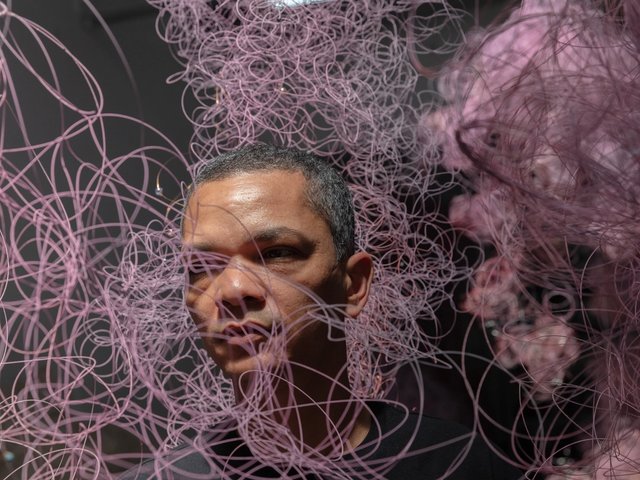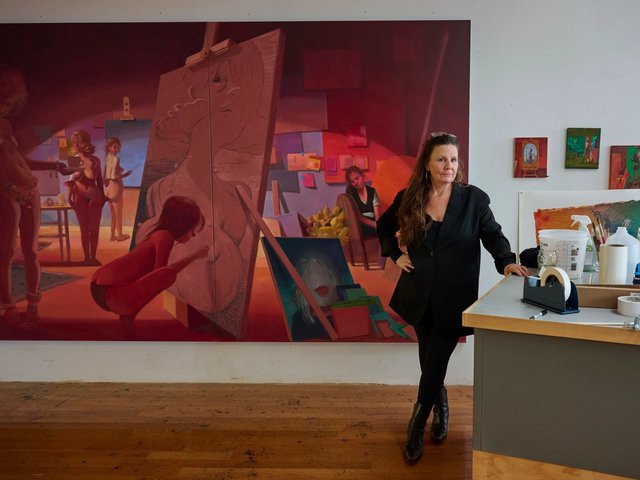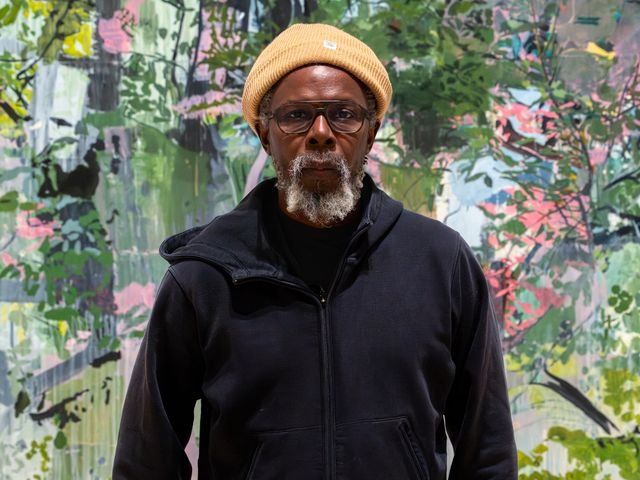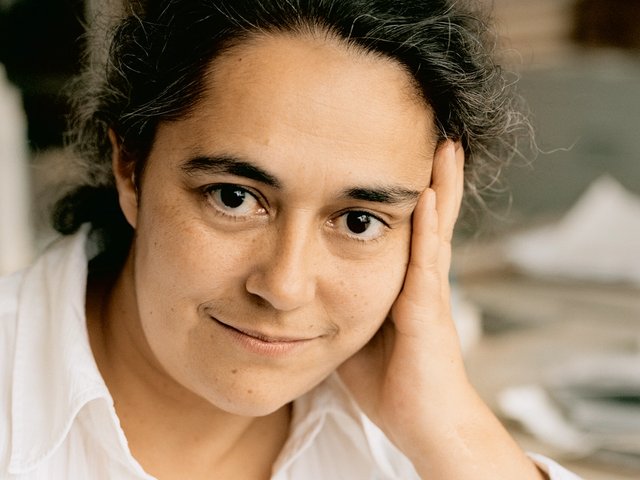
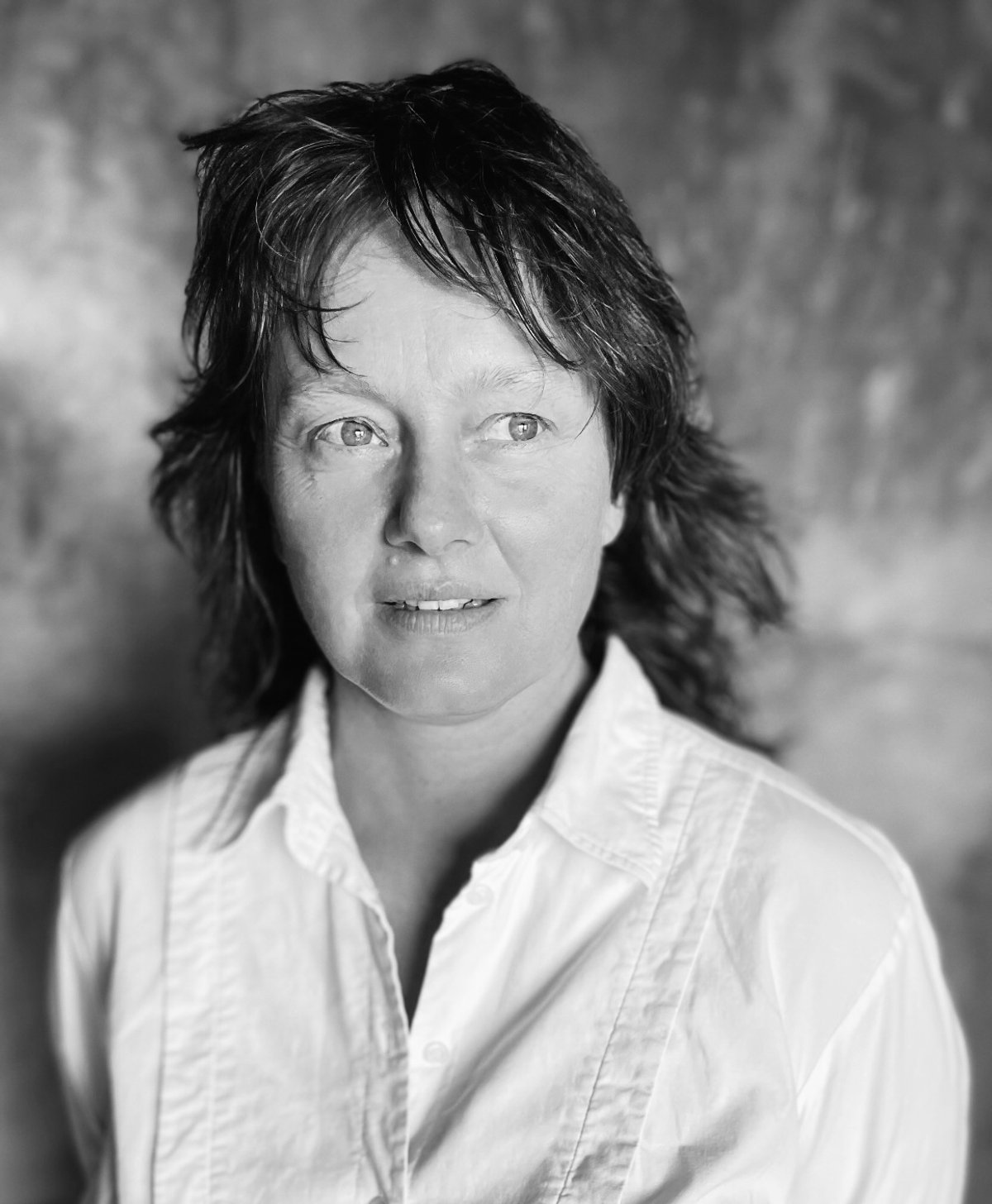
Caragh Thuring, who was born in Brussels in 1972 and has lived in the UK since 1973 makes paintings that present fragments of images, patterns and abstraction in compositions that often upend the conventions of her medium, while reaffirming its unique descriptive and poetic powers.
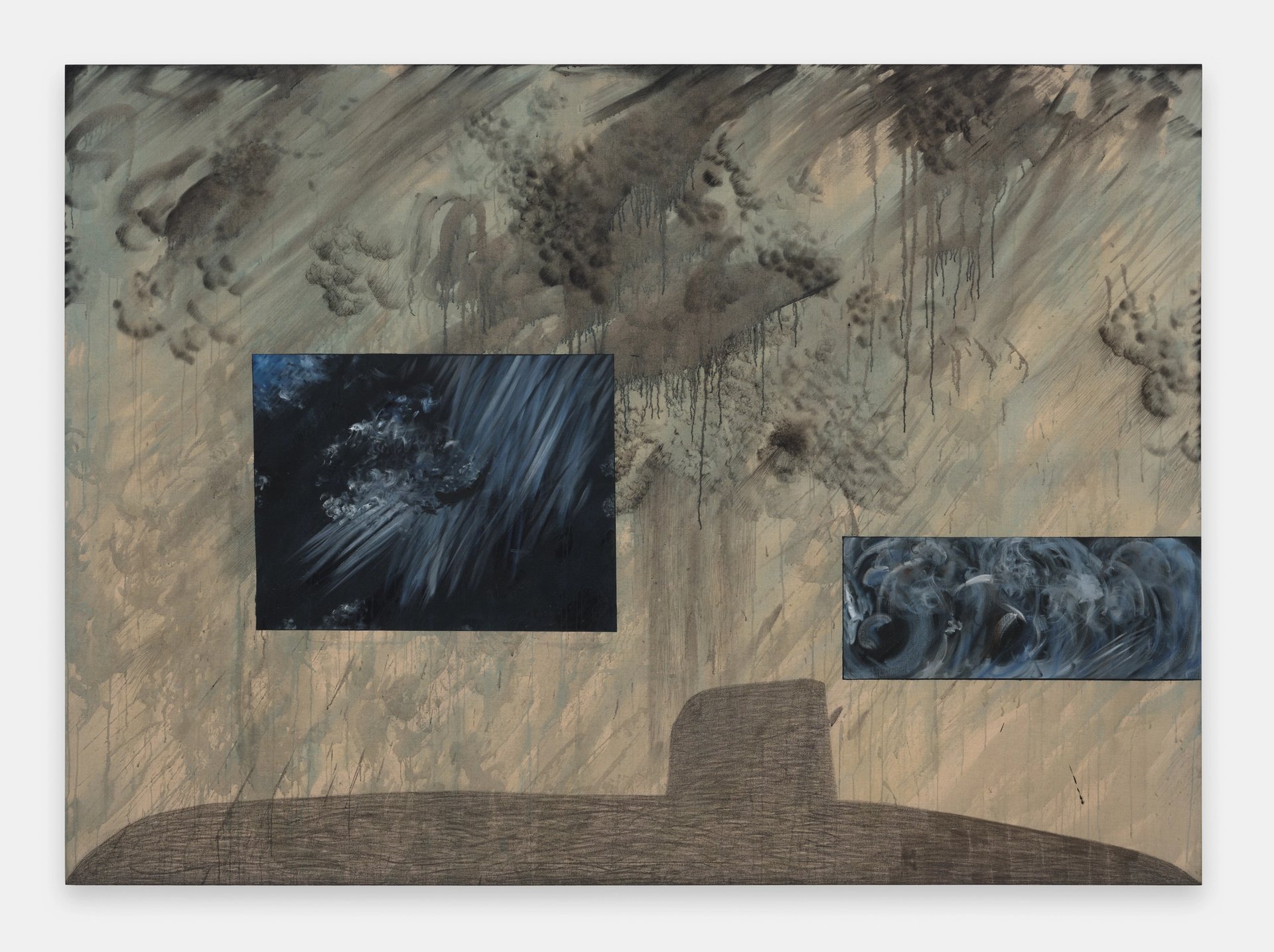
Caragh Thuring, Storm (2026)
© Caragh Thuring. Courtesy the artist and Thomas Dane Gallery. Photo: Eva Herzog
With motifs that appear and often reappear in morphing forms and combinations, alluding to specific moments in her life, to film or art history, her paintings are in flux, both in their structure and spatial arrangements and in their meaning.
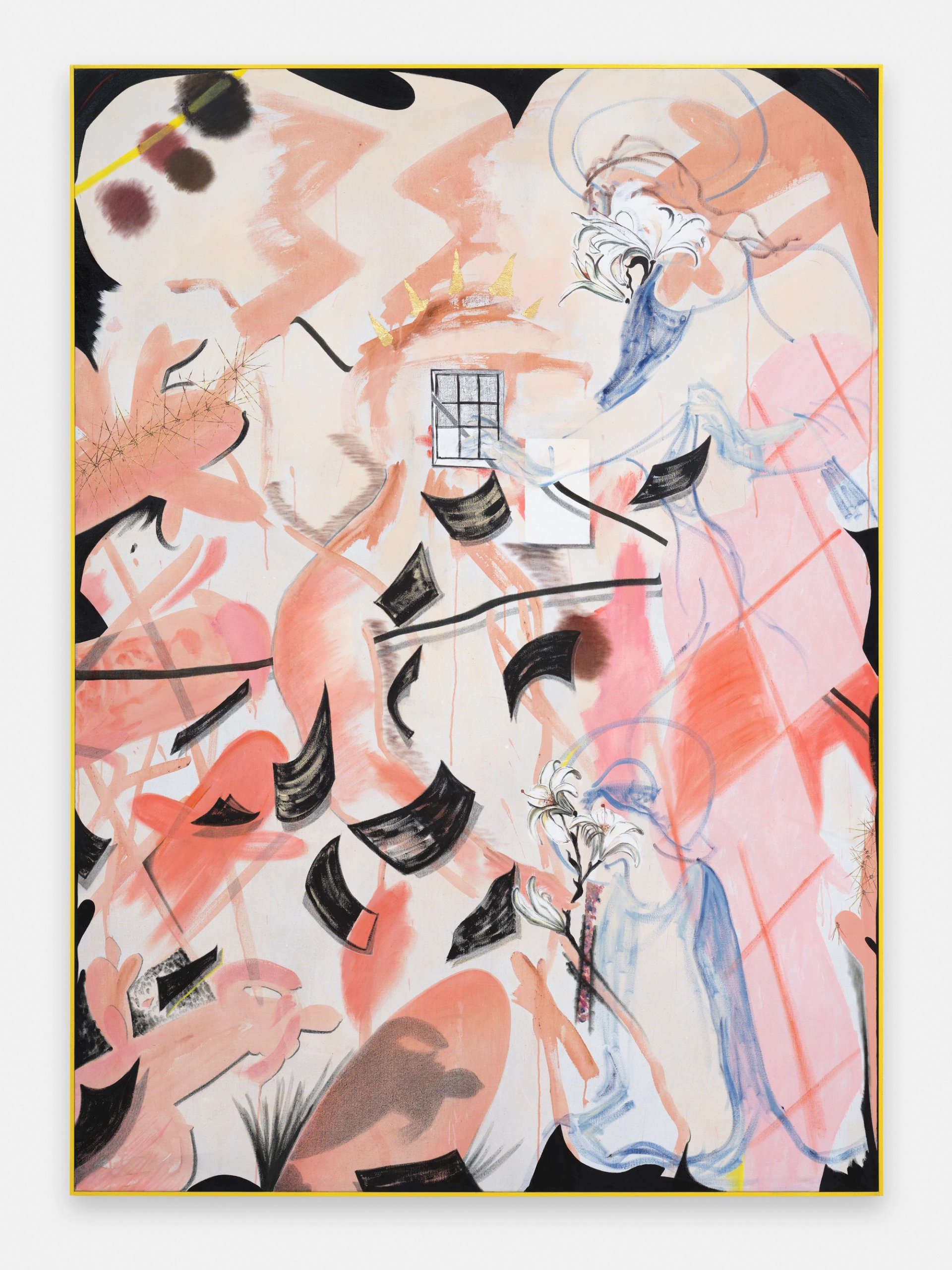
Caragh Thuring, The Annunciation (2026)
© Caragh Thuring. Courtesy the artist and Thomas Dane Gallery. Photo: Eva Herzog
They are propositions that cannot easily be resolved or reduced to simple or convenient narrative yet are far from unfocused or bloodless; rather, they arrest us and pull us deep into their mysteries, rewarding us as we spend more time with them, and return to them.
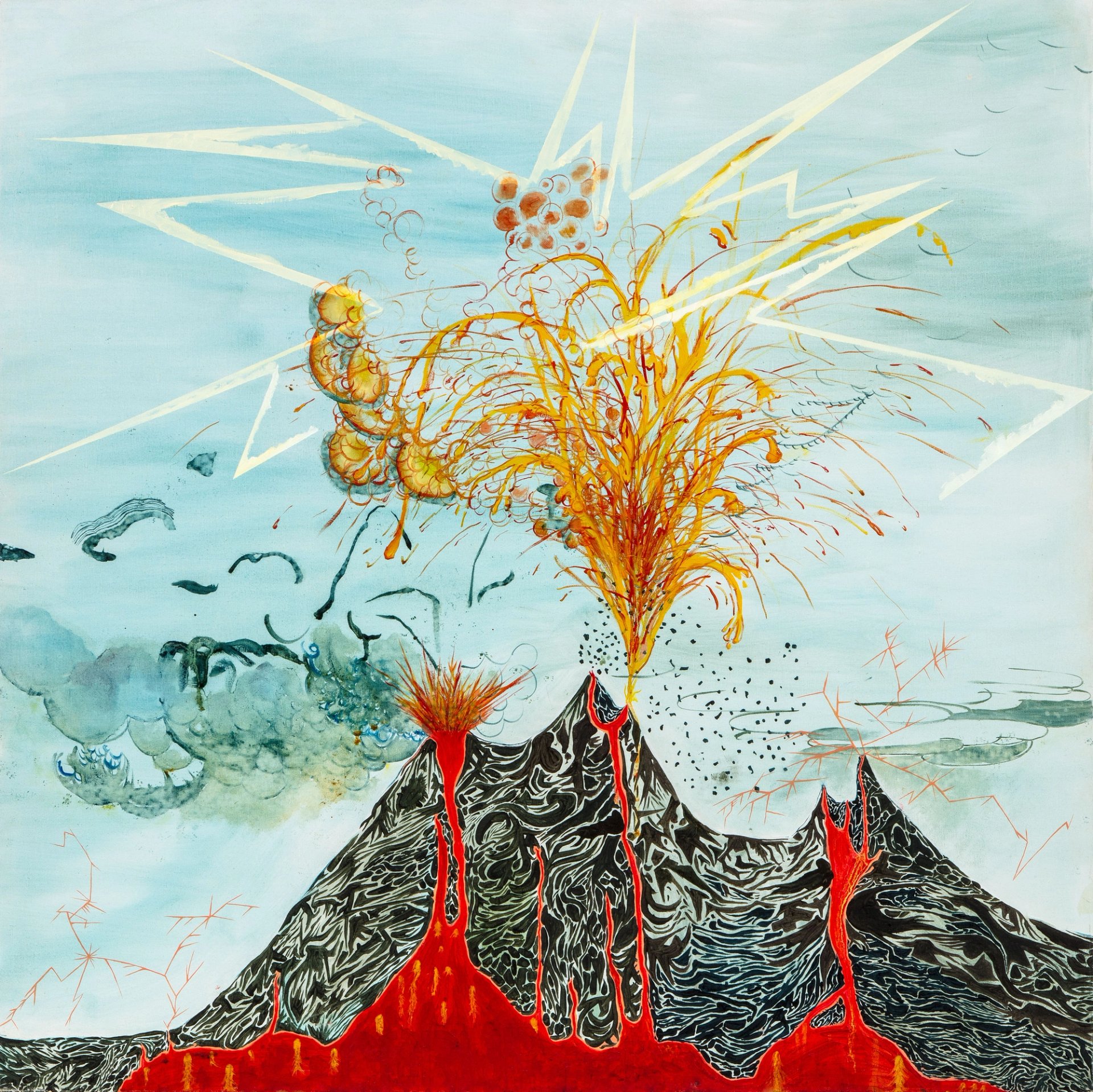
Caragh Thuring, First Volcano (2000)
© Caragh Thuring. Courtesy the artist and Thomas Dane Gallery. Photo: Richard Ivey
She reflects on her interest in forms of slippage across various art forms, the role of drawing in her work, and her admiration of different forms of making, especially when there is a twist in how they are realised.
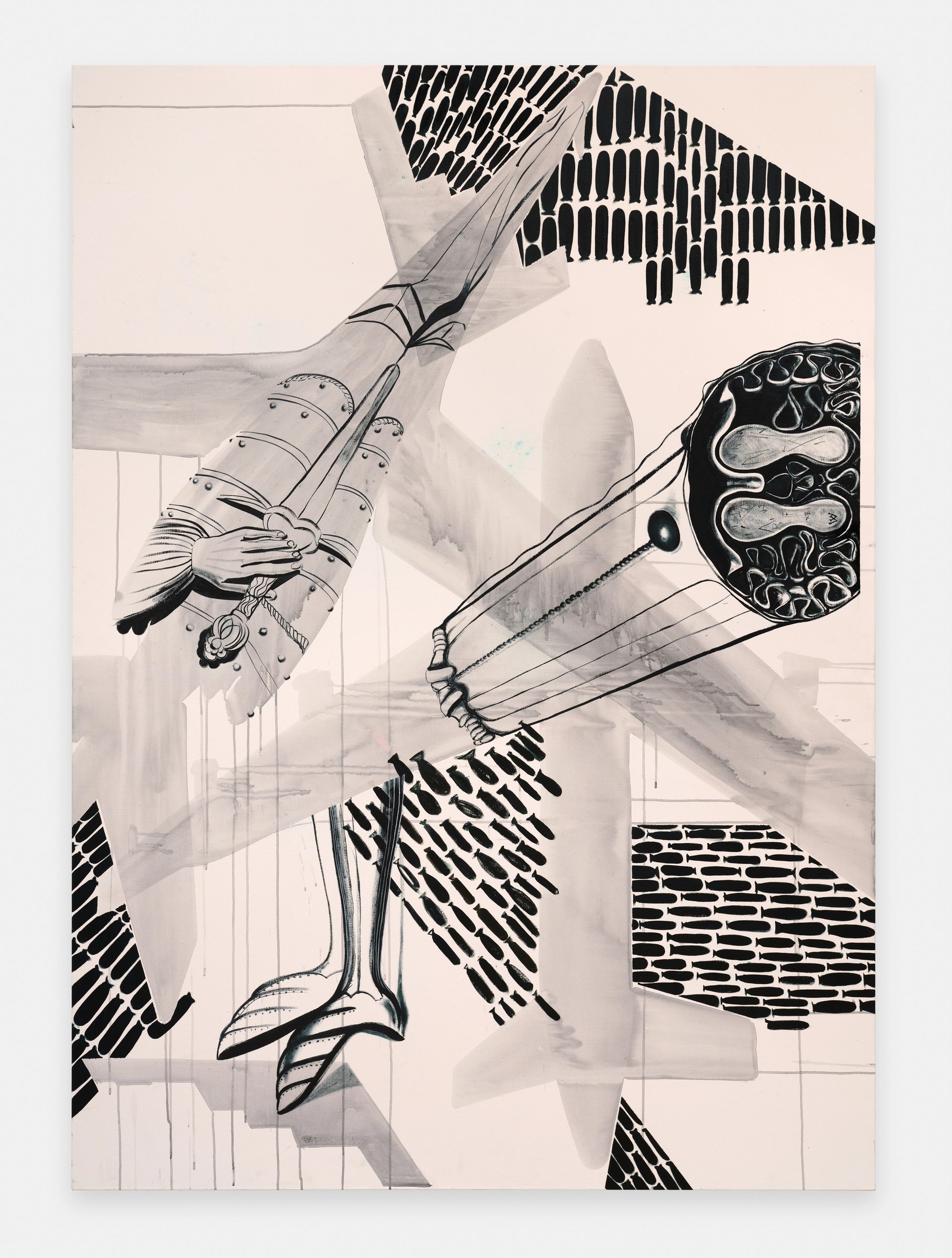
Caragh Thuring, Test Bed (2026)
© Caragh Thuring. Courtesy the artist and Thomas Dane Gallery. Photo: Eva Herzog
She discusses her early engagement with the paintings of Otto Dix, the delicacy in the handling of Vija Celmins, the awkwardness in the works of Pieter de Hooch and the wildness of René Daniëls.
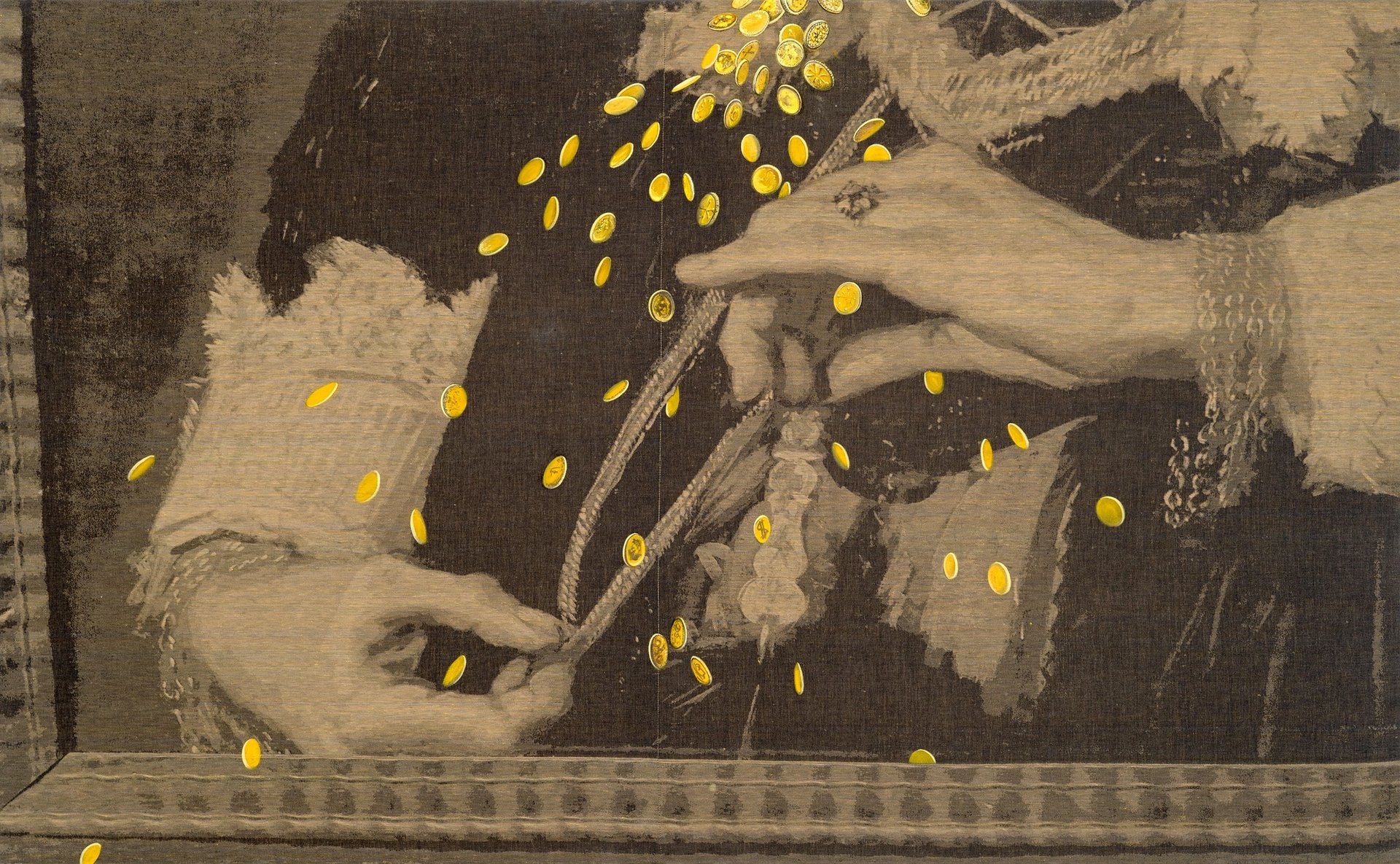
Caragh Thuring, The Golden Age (2019)
© Caragh Thuring. Courtesy the artist and Thomas Dane Gallery. Photo: Edouard Fraipoint
She reflects on her journeys into volcanoes, metaphorically and literally, and on listening to Bach in her studio.
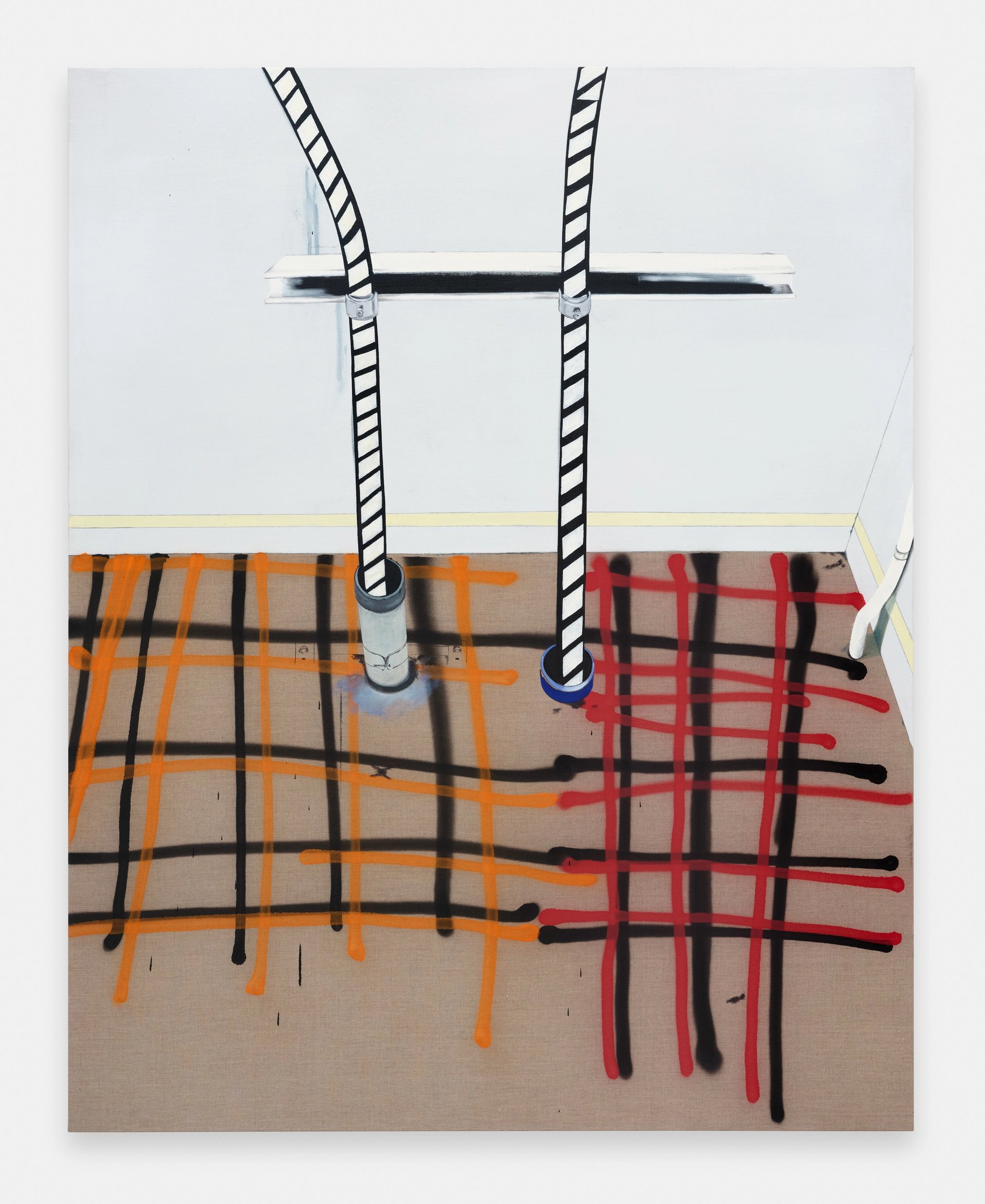
Caragh Thuring, World Trade (2026)
© Caragh Thuring. Courtesy the artist and Thomas Dane Gallery. Photo: Eva Herzog
Plus, she gives insight into life in the studio, and answers our usual questions, including the ultimate: what is art for?
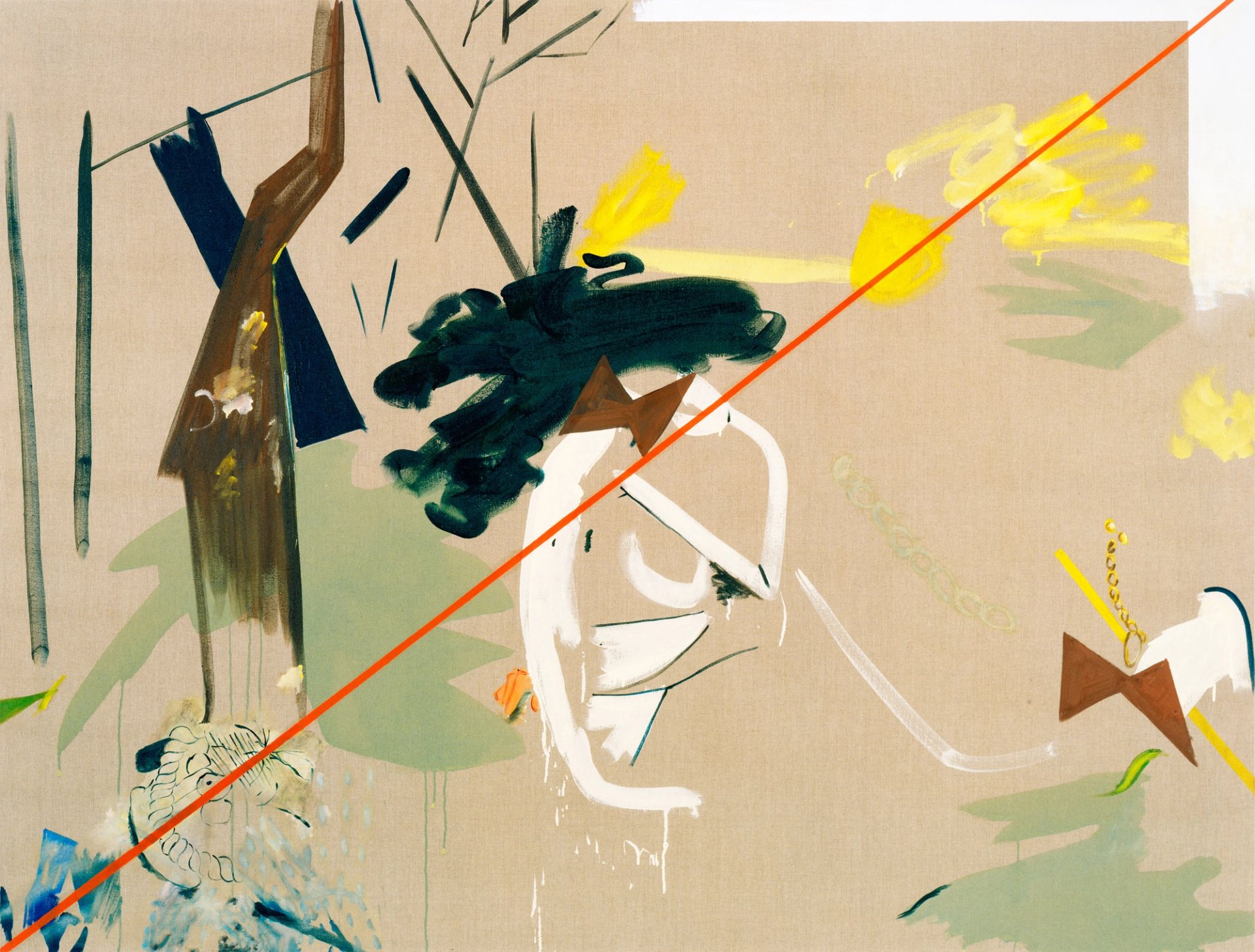
Caragh Thuring, 1 (2009) from the series Déjeuner
© Caragh Thuring. Courtesy the artist and Thomas Dane Gallery.
- Caragh Thuring, Thomas Dane Gallery, London, until 19 September
This podcast is sponsored by Bloomberg Connects, the arts and culture platform. Bloomberg Connects offers access to a vast range of international cultural organisations through a single click, with new guides being added regularly. They include several UK museums and galleries that have shown and collected Caragh Thuring’s work, from Tate, to the Chisenhale Gallery, the Whitechapel Gallery and the Hayward Gallery in London, to Pallant House in Chichester, Sussex. In the guide to Pallant House, the director Simon Martin explains how the gallery came to be one of the great collections of Modern British art. You can hear audio features about the gallery’s history, including the details of the 18th-century townhouse in which it is partly housed, and the initial bequest on which the gallery was founded, and explore the historic curiosities of the building. You can also explore its collection, including a special feature on queer art and artists with Chichester Pride, which discusses paintings by John Craxton and Peter Blake, among others.