Can restoration become art? The newly reopened Laboratorio Arte Alameda (LAA) in Mexico City’s historic centre seeks to answer this question through a unique project exploring the intersection of restoration and artistic experimentation.
Housed in a former 16th-century convent, the museum had been closed since 30 December 2025 for restoration. It reopened earlier this month with a site-specific project by the Mexican artist Pablo Rasgado, who was in residence throughout the restoration. Layers of wall paint from different periods, reworked copies of colonial paintings and restoration debris all form part of Rasgado’s exhibition Pentimento (until 18 October).
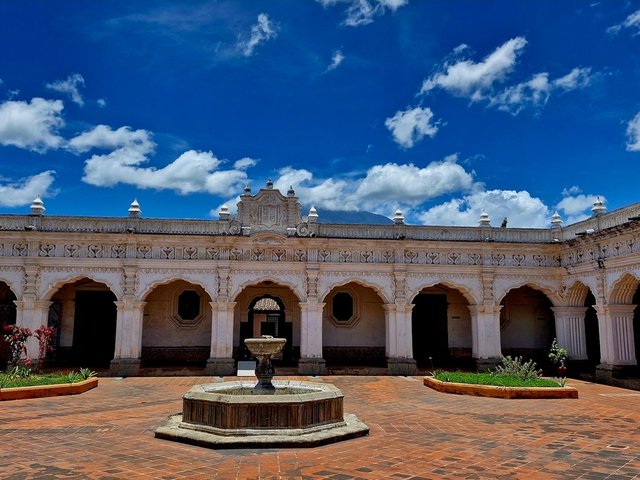
The LAA, which opened in 2000, is housed one of the city’s oldest structures. Construction of the Franciscan convent of San Diego, near Alameda Central, began in 1591. The site was a significant one during the Mexican Inquisition: between 1596 and 1771, the square in front of the convent served as an execution ground where those condemned were burned at the stake. Years later, the convent building hosted the Pinacoteca Virreinal (1964-2000), displaying 350 colonial paintings before the collection was relocated to the nearby Museo Nacional de Arte.
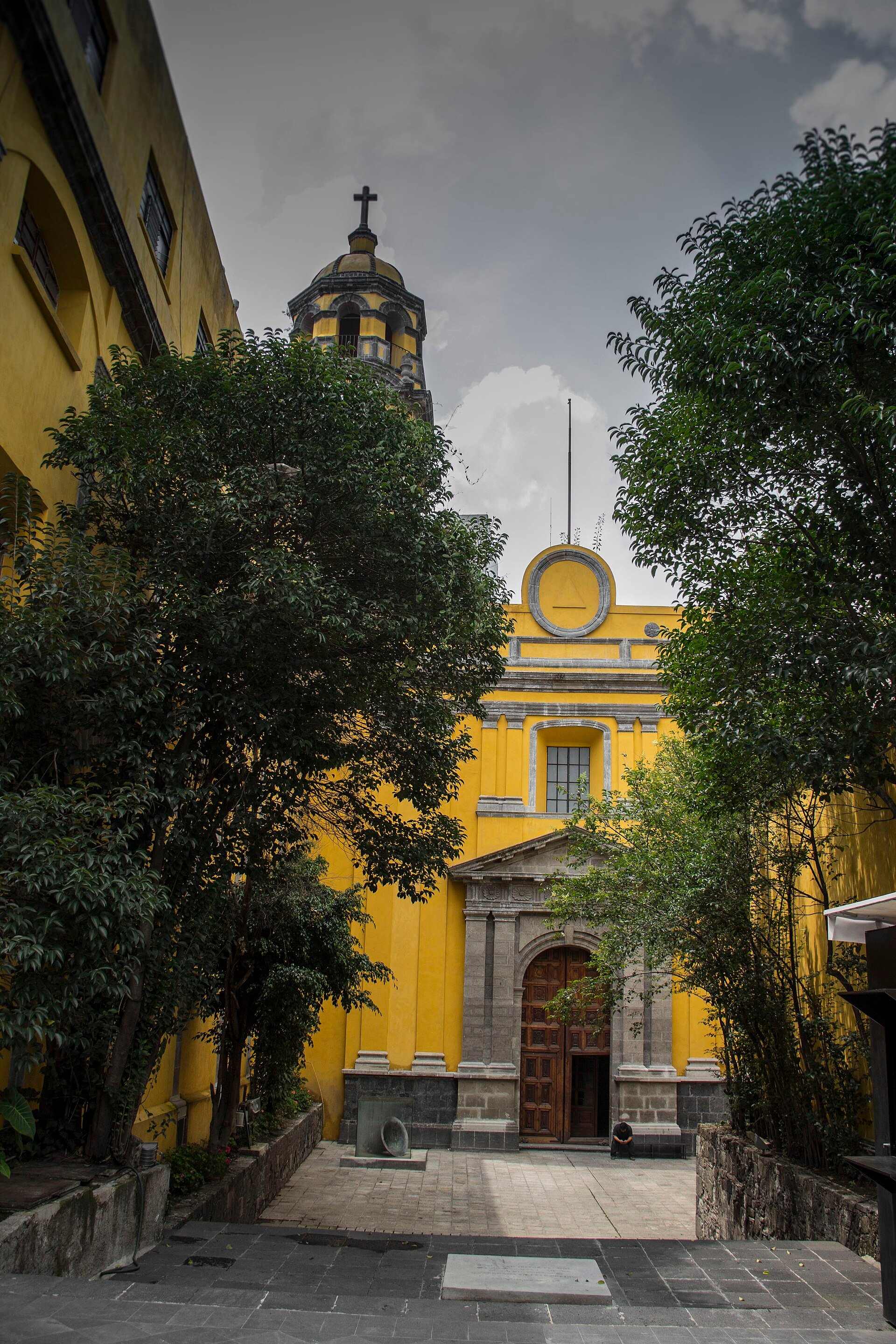
The former Templo de San Diego has housed Laboratorio Arte Alameda since 2000 Photo: Aberusama, via Wikimedia Commons
Since opening, LAA has always emphasised experimental practices. Exhibiting works in an enormous space with a layered history is a challenge that the museum embraces. “The scale offers artists a unique chance to interact with the space through site-specific projects,” says the LAA curator Gemma Argüello, noting that past projects have engaged with the site’s history as well.
A long overdue restoration
LAA’s restoration was many years in the making. The building was damaged by the 2017 earthquakes and suffered from water infiltration. “The restoration consolidated the main nave’s vaults and dome, as well as the Chapel of Sorrows, addressing the most critical earthquake damage,” says Claudia López Cherres, a site supervisor at the Centro Histórico Trust, which oversaw the restoration alongside Mexico’s National Institute of Anthropology and History.
Invasive plant species had also grown in the crevices, prompting the need for a team of biologists to help with restoration. But preservation was paramount. “The project sought to preserve the former Templo de San Diego’s historic character rather than alter its appearance,” López notes.
LAA’s curatorial team saw restoration as an opportunity to reframe the institution’s focus. “We wanted to activate the museum as a laboratory for artistic creation,” Argüello says. “The restoration allowed us to explore the building’s material history and its historic uses.”
Rasgado, whose practice explores material history through large-scale projects, happily took on the challenge. Speculative archaeology guided his unique project. “This critical strategy allowed me to merge fiction with fact, expanding narratives while incorporating elements of the building’s history,” Rasgado says. This required constant adaptation. “During the restoration, I witnessed the building’s entrails and worked on site through various processes,” Rasgado adds, noting that collaboration with the restorers was key. For example, they set aside part of the more than 13 tons of debris for Rasgado and his team to sort through and make use of.
Beyond pentimento
Rasgado draws on painting and restoration techniques, which he reinterprets and—at times—deconstructs. Central to his project is pentimento, a term derived from the Italian pentirsi (“to repent”) that refers to changes made during painting that later become visible through infrared reflectography, X-rays and pigment decay. Rasgado expanded this concept by creating fictitious pentimenti over digital facsimiles of 27 colonial paintings that once hung at the Pinacoteca Virreinal.
“The stretchers and pine wood were subjected to different processes to simulate the original pieces’ technique and age,” Rasgado says. “My pentimenti create a new narrative while exploring the painting process.”
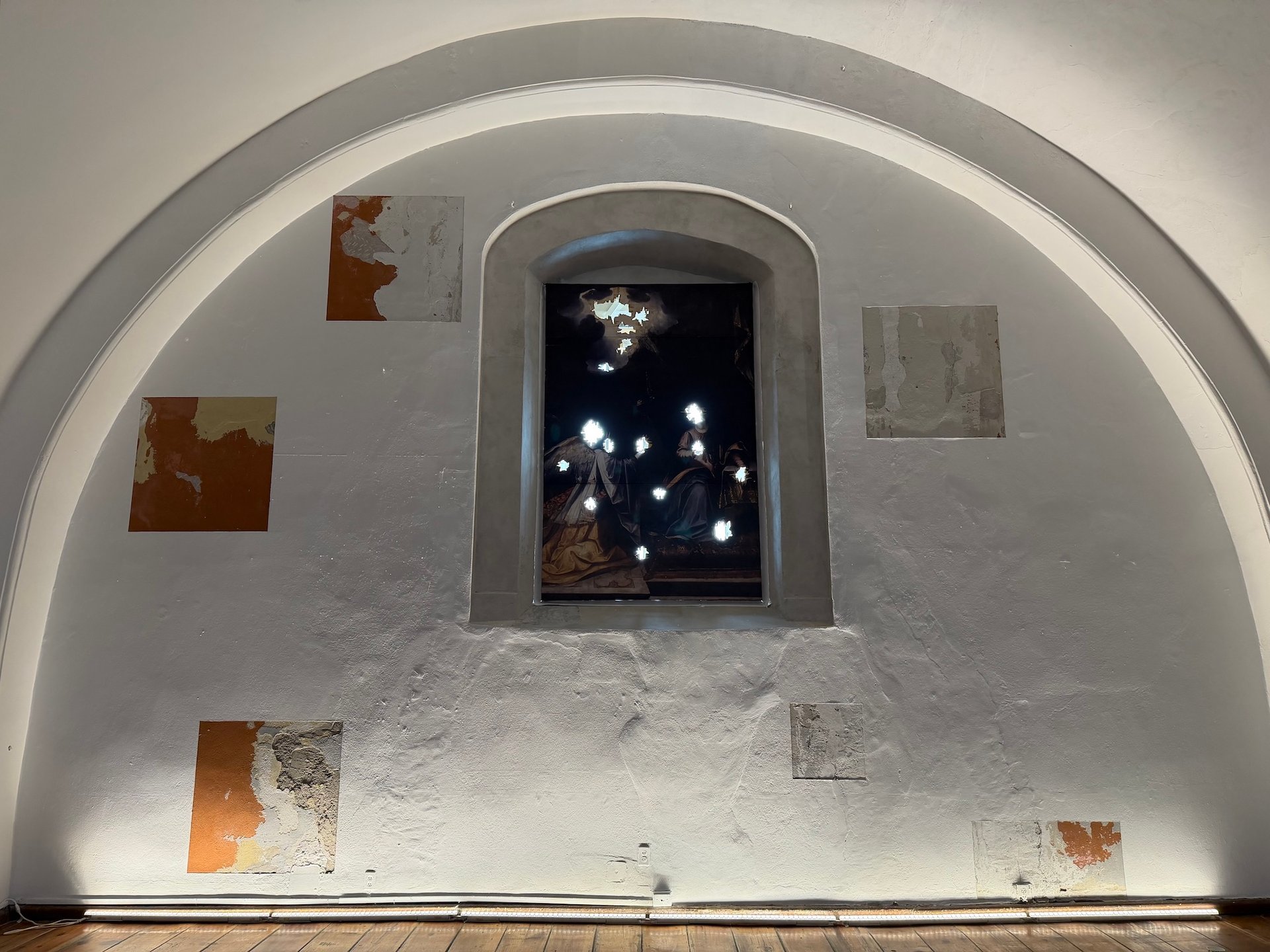
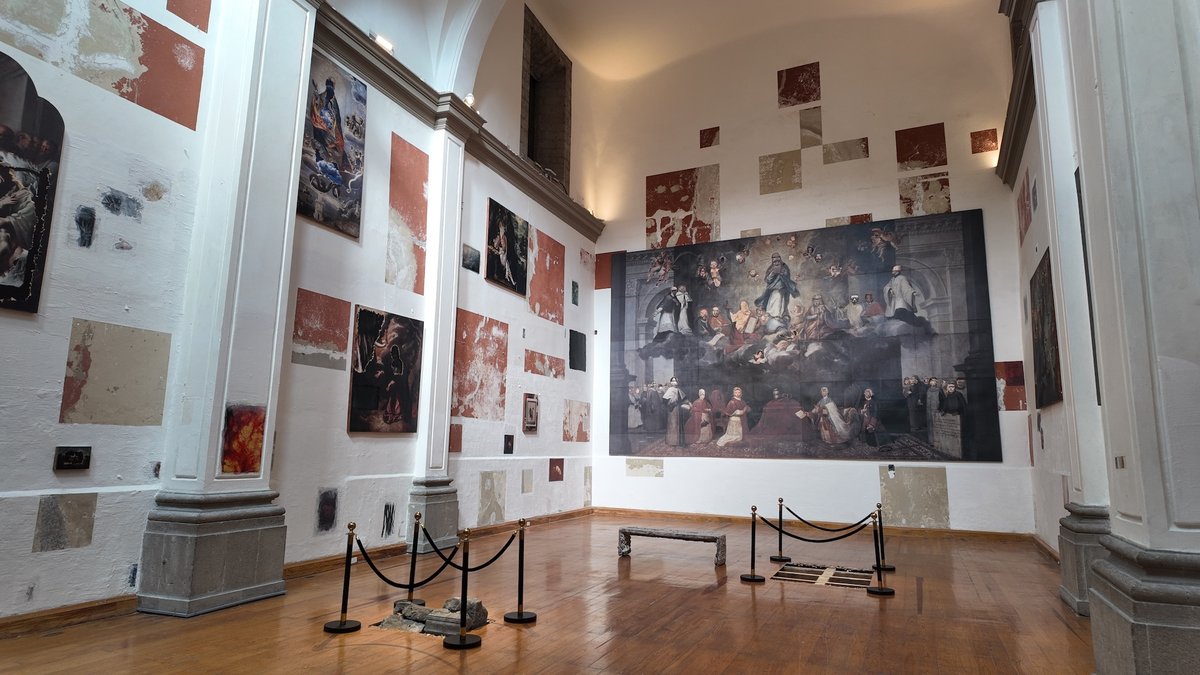
Rasgado’s Pentimento (2026) Photo: Felipe Huerta, courtesy Laboratorio Arte Alameda
Some of these reveal historical tensions. One such example is a reproduction of Francisco Antonio Vallejo’s large-scale painting Glorificación de la Inmaculada (1774), installed where the church’s altarpiece once stood, with the sitters’ faces replaced by pre-Hispanic figures.
“This pentimento refers to syncretism,” Rasgado says. “It takes inspiration from the pre-Hispanic altars discovered behind religious images.” But rather than offering an upfront critique, it lets viewers draw their own conclusions.
Other pentimenti are abstract colour explorations. Instead of images, the holes made in one painting are placed on a window in the church’s choir, illuminated by light. “Restoration transformed the atmosphere from a dark space, where the vault was covered for safety reasons, into a luminous one,” Argüello says.
Material memory
As part of LAA’s restoration project, archaeological windows into pre-Hispanic times at the city’s historic colonial-era sites were also reinterpreted. In the temple’s wooden floor, three rectangular-shaped cut areas reveal debris and mouldings recovered during restoration. The decorated tiles that once adorned the temple’s vault, which could not be reinstalled due to their fragility and weight, are visible as well.
These vestiges create a dialogue with Rasgado’s pentimenti. “They follow the same logic,” he says. “Rather than reconstructing, these archaeological and painterly gestures simultaneously open previously concealed spaces of memory.” The artist has also created two benches made entirely from restoration debris and resin, which offer a contemplative space.
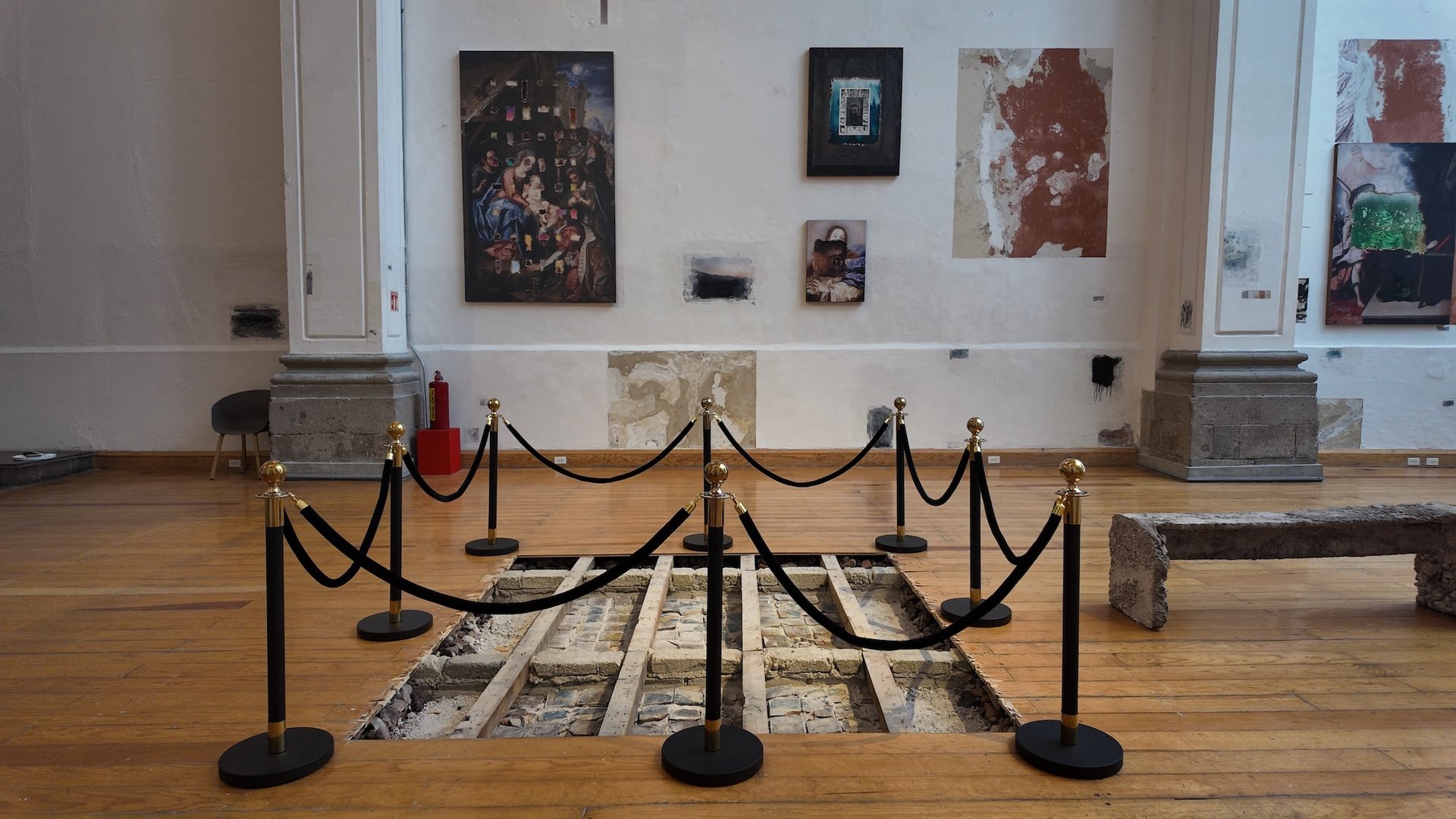
Rasgado’s Pentimento (2026) Photo: Felipe Huerta, courtesy Laboratorio Arte Alameda
The building’s towering, 19m-tall walls also play an important aesthetic role here. Under Rasgado’s guidance, restorers uncovered sections of paint from different historical eras ranging in colour from black to red to white, resulting in a kind of abstraction revealing layered timelines. In a reversal of the strappo restoration technique, used to remove frescoes, Rasgado applied images from his studio onto the museum walls. Here, again, the historic layers are easily confused with the artist’s interventions.
Rasgado’s project is anything but static, and the artist plans to alter his work in August. “There will be a second Pentimento, in which I will add new images to the existing works,” he says. Performances by the artists Gabriel Acevedo Velarde and Adrián Bracho will accompany this second intervention.
But the restoration job is not over yet either. “Although the most critical issues have been stabilised, water infiltration, exposed tezontle masonry and deterioration of the bell tower remain key challenges,” López says.
In the meantime, Pentimento marks a new chapter for LAA—turning its building’s restoration into an archive, a medium and a space for reflection.
- Pablo Rasgado: Pentimento, until 18 October, Laboratorio Arte Alameda, Mexico City