
How much is an artist allowed to appropriate from others without permission when creating a new work? When is it acceptable practice and when is it copyright infringement? A new decision from the Court of Justice of the European Union has tried to set the boundary, which will have ramifications for artistic practice across the EU—and possibly beyond.
The decision is the latest development in a longstanding claim against the German music producer Moses Pelham for having sampled part of a song from the prog-techno group Kraftwerk in 1997 without their permission. Since then, the case has been considered by multiple courts in Germany and now twice by the EU’s top court. Although a music case, the decision deals with an exception to copyright infringement for “pastiche”, one that can also apply to the visual arts, literature and film.
The court has decided that in order to benefit from pastiche, the user must be engaged in an “artistic or creative dialogue” with the appropriated work. The artistic creation must, according to the court, evoke one or more existing works while being noticeably different, and could take the form of stylistic imitation, a tribute or humorous or critical engagement.
Will the UK courts follow the concept of the ‘creative dialogue’ established in the EU?
This is a very good definition from the court that, in the context of the visual arts, balances the ability of artists to freely develop their art with the rights of creators in their original images. Pastiche could apply, for instance, to collages and mashups. A work of video art like The Clock (2010) by Christian Marclay, which incorporates thousands of short, spliced scenes from commercial films, could be an example. So too could a work that riffs off the theme of a predecessor, like Lubaina Himid’s Freedom and Change (1984), which is very obviously based on Picasso’s Two Women Running on the Beach (1922).
Pastiche, parody and caricature
The UK has allowed fair dealing for the purposes of pastiche, as well as parody and caricature, since 2014. The question will be whether UK courts follow the concept of the “creative dialogue” now established in the EU: there is no obligation to do so after Brexit, although it might be sensible as an act of “judicial dialogue” (if you will) between the courts.
Many countries outside Europe do not have a specific “pastiche” exception on the books, which means professional artists in those places may feel less at ease appropriating images without a full licence. So perhaps some pastiche is better than no pastiche at all.
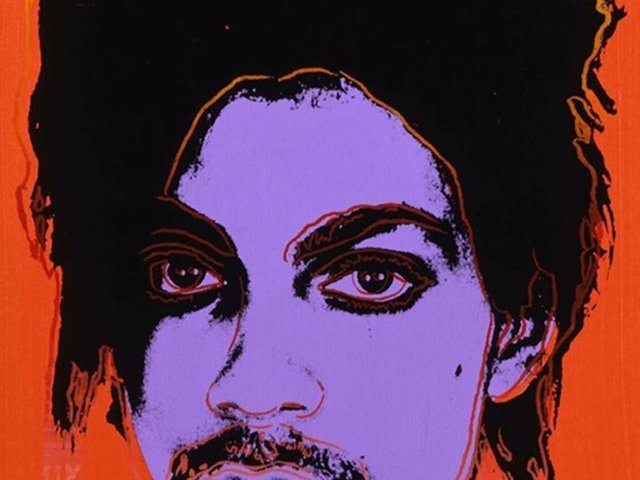
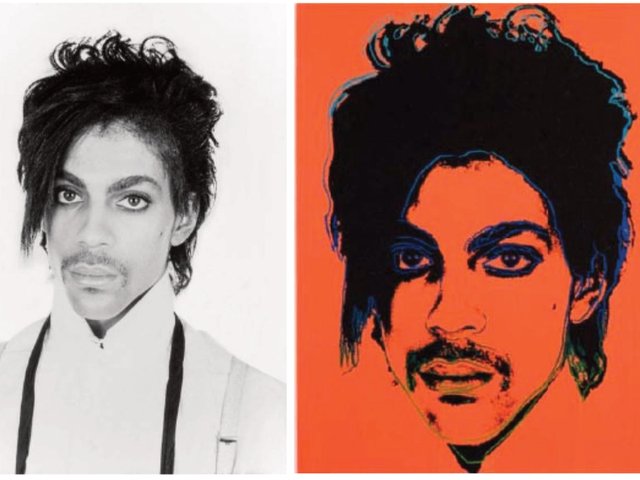
Does the new EU definition bring European copyright law closer to “fair use” under US law? Arguably, yes. Fair use in the US often prioritises any transformative use that an artist has made of the original work: has the artist created a new meaning, new expression or new aesthetic with the image? This has been a critical question in judicial disputes involving artists such as Jeff Koons and Richard Prince. In some cases, defendant artists are vindicated, in others they have committed copyright infringement. It will always depend on the facts and context of the use.
Is EU “dialogue” the same as American-style transformation? Close it seems, but no cigar. Both involve an element of transformation, but the new EU standard requires that any transformation be first and foremost a creative engagement, whereas US fair use does not seem to go quite so far.
There is no international copyright court, so a comparative analysis of the EU, US, UK and other countries remains the purview of column writers and academics. But hopefully this take can offer something of use to artists as well. We do it for them, after all.