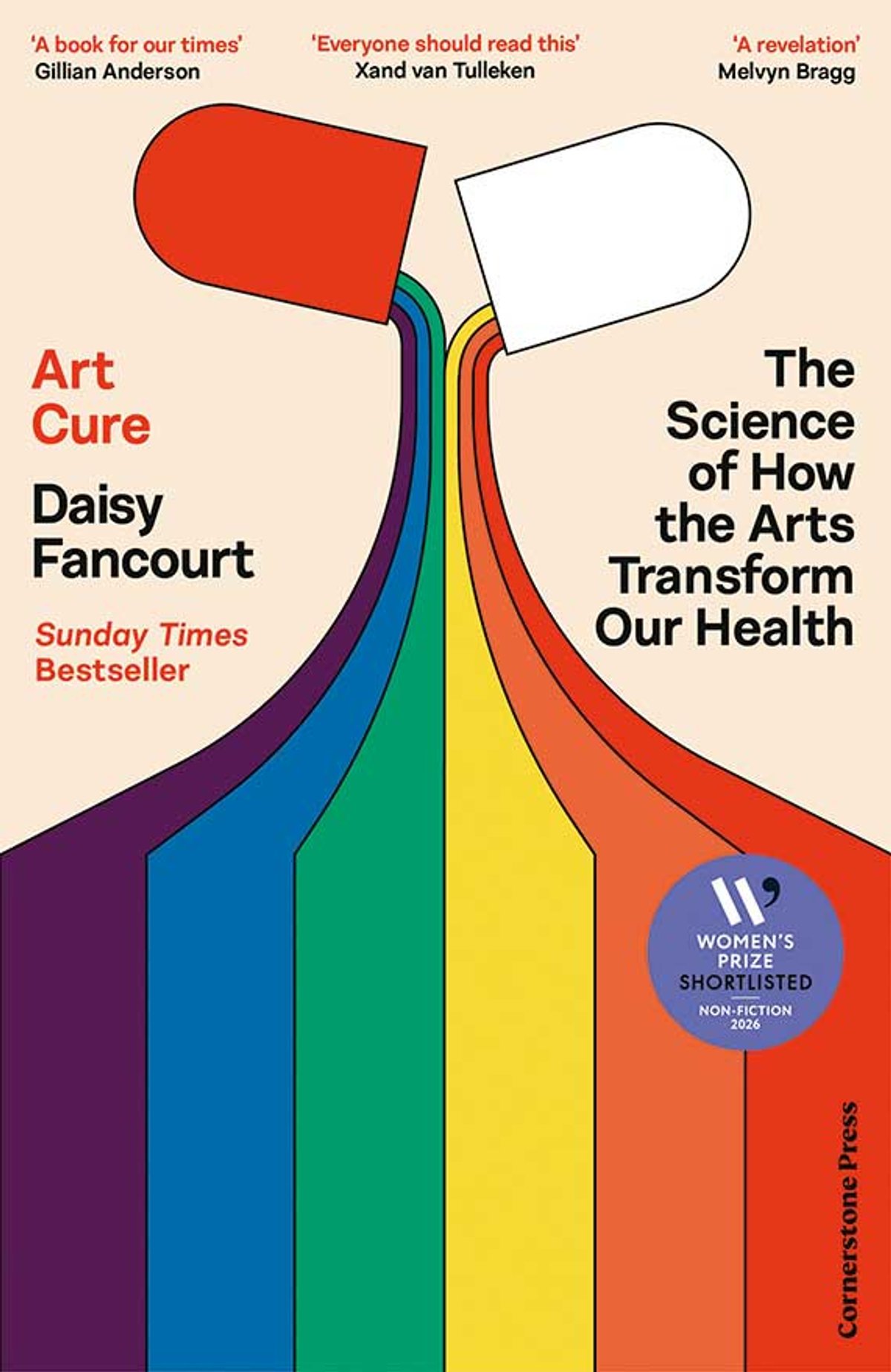
“Art is the forgotten fifth pillar of health,” writes Daisy Fancourt. In Art Cure she adds to the growing evidence confirming what humankind has long intuited: art is good for our wellbeing. Drawing on scientific studies and testimonies, she argues that, alongside diet, sleep, exercise and nature, art (or the “arts”) can enhance mental and physical health, even boosting longevity.
Fancourt’s path is shaped by her experiences. Drawn to both the piano and science, she initially led hospital music programmes, witnessing their positive impact. Years later, her mission became to demonstrate these benefits through research. Fancourt, who leads the World Health Organisation (WHO)’s Collaborating Centre on Arts and Health, and the Department of Behavioural Science and Health at University College London, is one of the field’s leading voices.
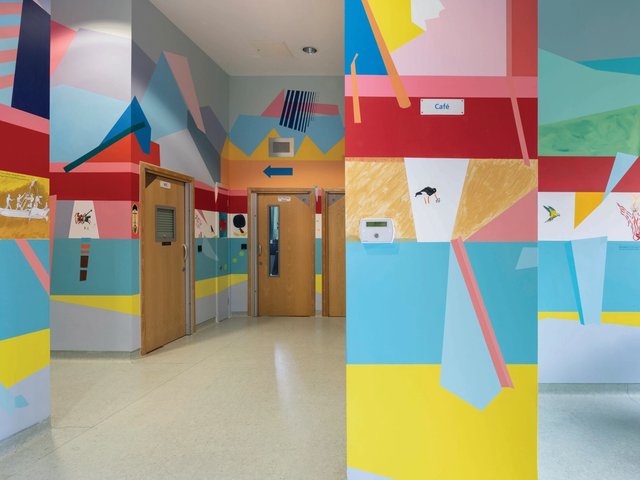
Fancourt’s concept of art is all-encompassing. She argues that we are all creative beings and activities like pottery, baking, dancing and singing along to your favourite tune are all art. At times, however, she makes risky comparisons, pairing art with ibuprofen and suggesting it has a set of “ingredients” that make us feel better.
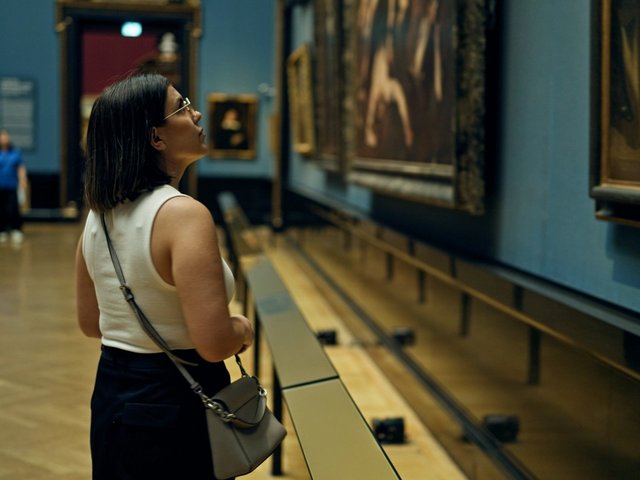
While these comparisons are debatable, Fancourt emphasises art’s subjective nature. The example is surprising: Damien Hirst’s lamb preserved in formaldehyde. Hirst’s works are polarising, but for Fancourt they reflect the wide range of reactions an artwork elicits. Here, she underscores the value of mindful real-life experiences over screen time, noting that people view art in person for only about 27 seconds per work, often while taking selfies.
As the book progresses, the benefits of the arts are supported by neuroscience, epidemiology, psychology, immunology and behavioural science. Some studies that followed people’s habits over time were not initially arts-related but included questions about cultural consumption, while others were designed to measure art engagement. Even if dizzying, Fancourt’s clarity in explaining complex concepts is notable.
Art Cure is most convincing when it recounts personal stories. Debs shifted from debilitating mental illness and a pill overdose to taking art lessons and reinventing her life. The story culminates in Fancourt inviting Debs to share her testimony at the 2019 WHO conference, a key moment in acknowledging art’s global benefits for health.
Another example demonstrates the reach of “arts on prescription”, in which doctors prescribe creative activities. Russell Haines, after unsuccessful medical treatment, was prescribed eight weeks of fine art classes. He is now a full-time artist advocating for arts-on-prescription programmes. “They saved my life,” he told Fancourt about the lessons.
To the average museum visitor, “art that saves lives” may sound messianic, but Fancourt notes that art’s impact can be subtler. This touched a chord with me: while recovering from brain swelling, before I could fully concentrate again, I turned to painting, first experimenting with abstraction and later figuration. Painting provided accomplishment and calm. Fancourt thus evokes an experience many of us may have had, when art becomes something more: a lifeline.
While highlighting art’s benefits, Fancourt emphasises that “art is not a panacea”, but it is not a placebo either, as science has revealed the biological mechanisms behind artistic engagement. The analysis of brain health is illustrative, questioning trendy brain-training apps that have not yielded measurable results. Art, by contrast, emerges as a stronger alternative for neuroplasticity and slowing cognitive decline.
Despite the myriad benefits, Fancourt also addresses budget cuts, inequality and lack of access, which result in low levels of art engagement and expose the precariousness plaguing art professions. Paradoxically, even if art is beneficial, artists (and other cultural workers) suffer high levels of depression and anxiety due to these pressures.
Overall, Fancourt advocates for a health-oriented approach to art that can bring societal change. For me, the relationship works in reverse: art comes first, and the benefits may follow. Perhaps the important thing is not why we engage with art, but that we engage with it at all. Is art good for you? Fancourt’s answer is a resounding yes, although each “prescription” is unique.
- Daisy Fancourt, Art Cure: The Science of How the Arts Transform Our Health, Cornerstone Press, 352pp, £22 (hb), published 8 January
- Constanza Ontiveros Valdés is an art writer and cultural project leader