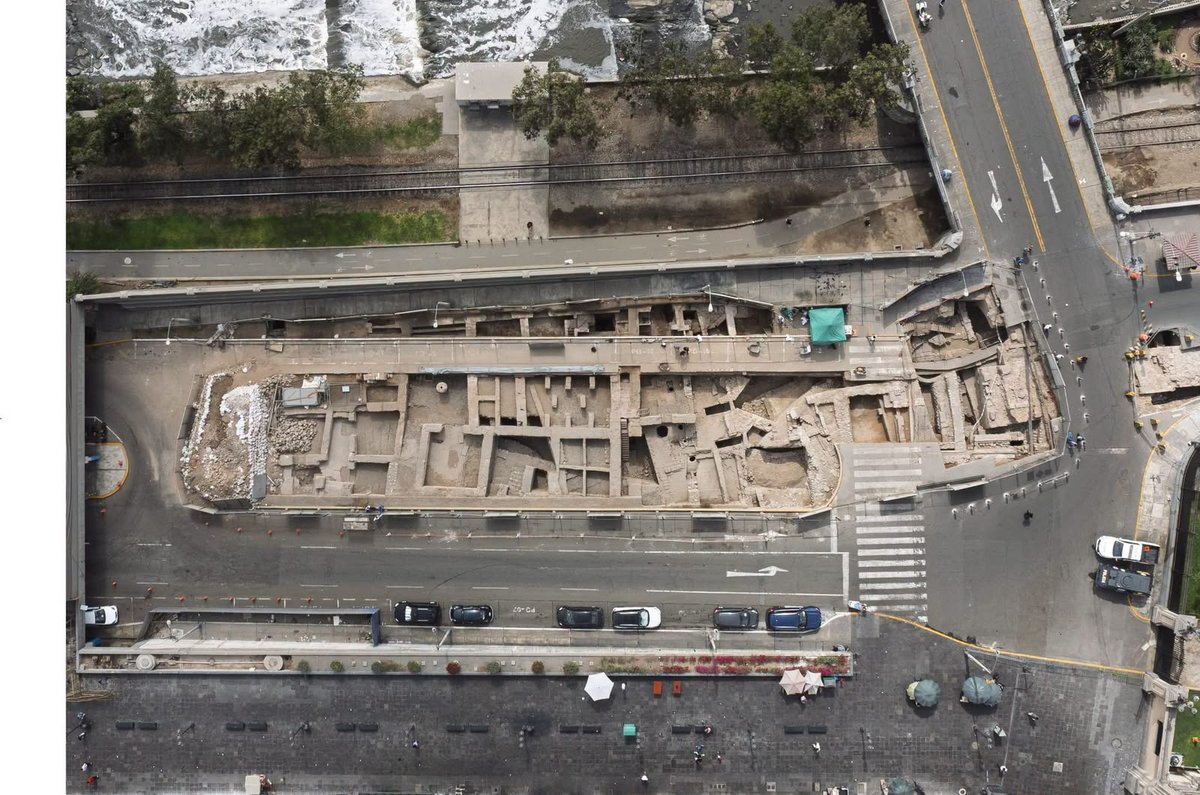
The second-oldest mill in Lima remained underground and forgotten for more than 300 years—until it was uncovered purely by chance in 2020. The Municipal Programme for the Recovery of the Historic Centre of Lima (Prolima) found the Molino de Aliaga while excavating the area after the collapse of part of Chabuca Granda Avenue. In the years since, Prolima’s archaeologists have been working to conserve the mill, the earliest colonial structure found in the city’s historic district, getting it ready to open to the public in January.
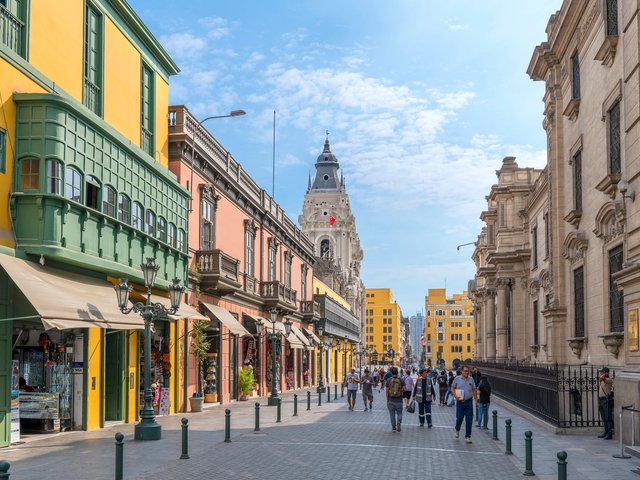
The Spanish conquistador Jerónimo de Aliaga built the mill on the banks of the Rimac River, close to his house, in 1548. Aliaga had arrived in the area with Francisco Pizarro, who founded Lima on 18 January 1535. The proximity of the date to the Epiphany earned Lima its nickname as the City of Kings.
The mill produced flour for the emerging city. Lima had become the capital of the Viceroyalty of Perú in 1543, making it the most important city in South America. It was a political, administrative, religious and economic centre until the Bourbon reforms introduced territorial divisions in the 18th century. The mill, located in an area with vineyards and other hydraulic constructions, was used until 1672.
“We could say that the mill witnessed the glory of Lima, because the 17th century is the century of the greatest economic boom in the city,” Luis Martín Bogdanovich Mendoza, Prolima’s general manager, tells The Art Newspaper.
Earthquakes and subsequent layers of construction covered the mill. “I didn't know it existed. Nothing was known about it,” says Gonzalo de Aliaga, who lives in the house his ancestor built.
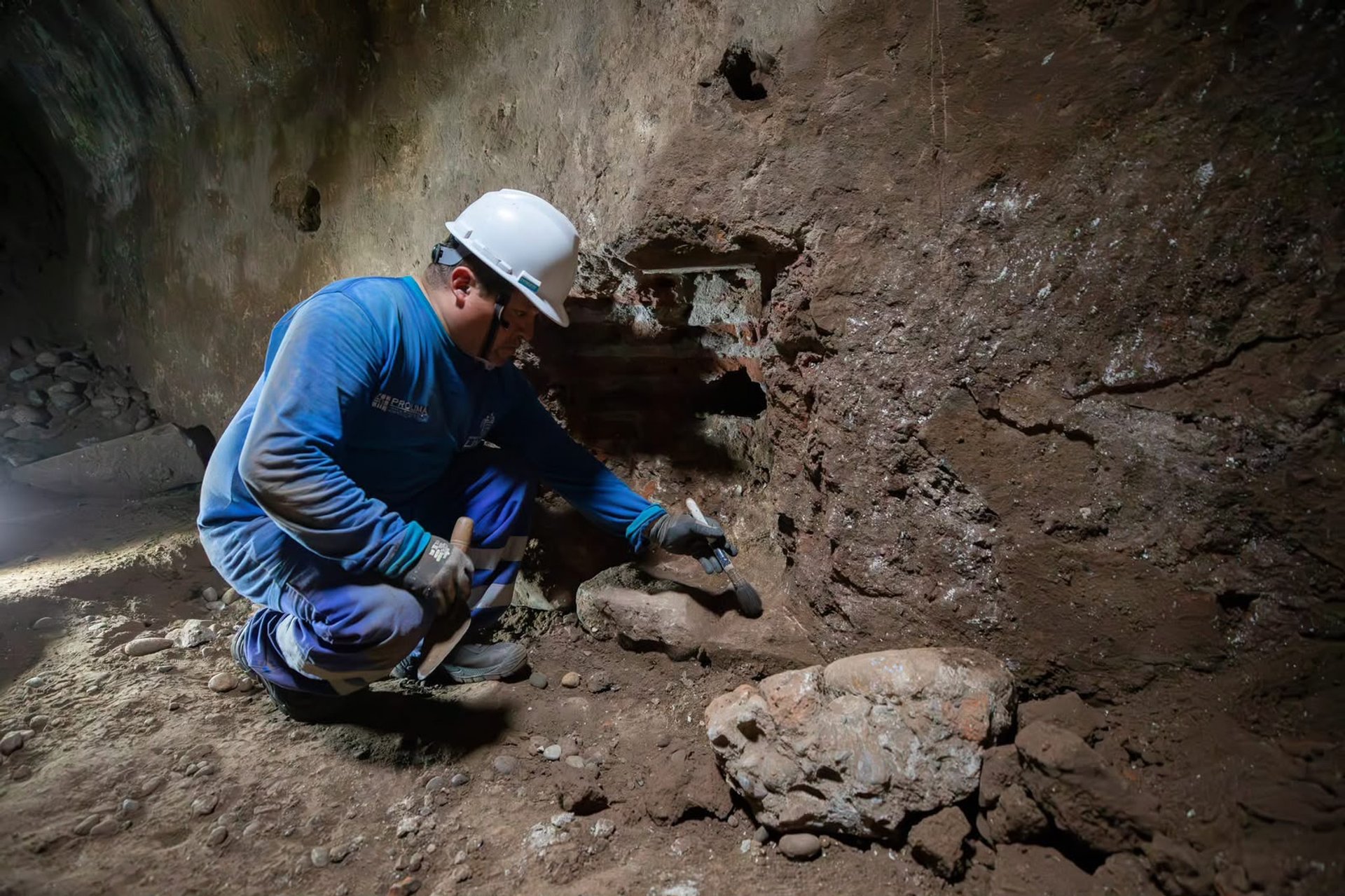
A Prolima archaeologist surveys the site Courtesy Prolima
Jerónimo de Aliaga constructed his home next to Pizarro’s, where the government palace now stands. As the oldest house in the Americas to have belonged to the same family, the Casa de Aliaga is a historic landmark. Seventeen generations of Aliagas have continuously resided there. Tourist guides who take visitors to the house are now linking the mill to the history of the residence.
Prolima’s team of archaeologists has been working five metres below Chabuca Granda Avenue. They have dug progressively, turning the area into the largest archaeological site of any urban area in Peru. “The findings allow us to understand how the first engineering works developed in Lima functioned,” Prolima’s archaeology coordinator, Ernesto Olazo, said in a statement.
In addition to the mill, archaeologists found the brick arch of the first bridge that crossed the Rimac, joining both banks of the river. “It’s a bridge which also dates from the 16th century. The arch once marked the entrance to the city. It was a symbol of Lima,” Bogdanovich says.
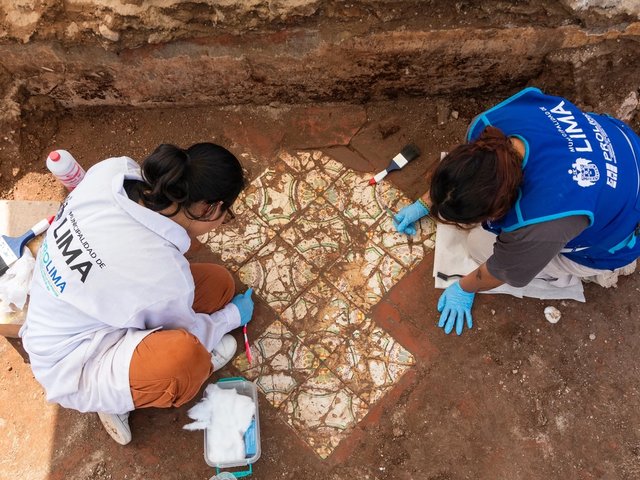
After nearly seven years of work, Prolima plans to open the mill to the public in January for the 492nd anniversary of Lima’s founding. “Our goal is to finish work by the end of the year so that people can access the mill itself and visit the arches where grains were ground,” Bogdanovich says.
In August, Prolima started welcoming visitors to the archaeological findings of the 16th-century Hospital and Church of the Holy Spirit in the historic city centre—a Unesco World Heritage Site since 1991.
The recovery of the Molino de Aliaga is part of a larger project along the Rimac. A special landscape plan aims to restore the prominence of the river, the backbone of Lima, over four kilometres. The mill will be incorporated into Lima’s tourist circuit and later linked to the Rimac project as the city prepares to celebrate its 500th birthday in 2035.