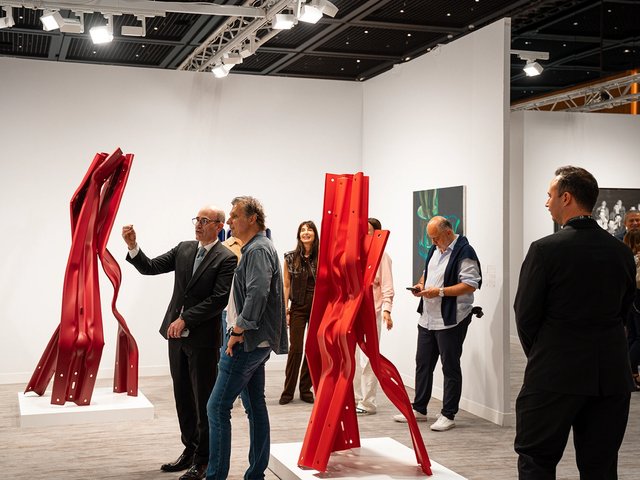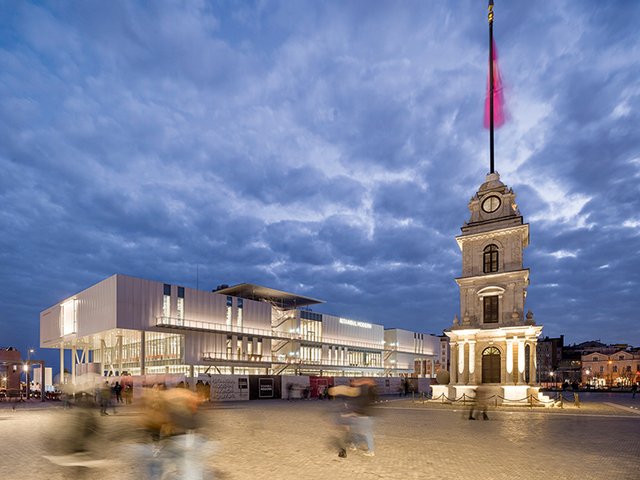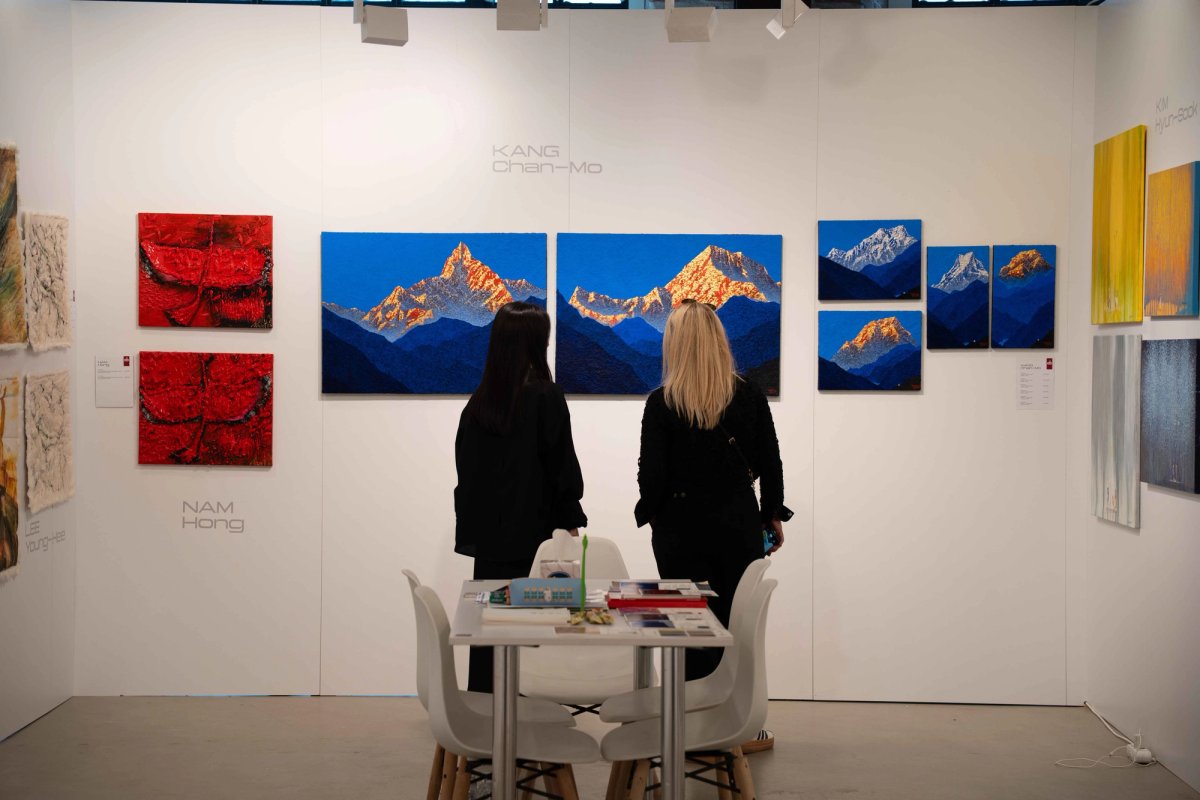
The 21st edition of Contemporary Istanbul (23-27 September) will bring together more than 70 galleries from 24 countries when it returns to Tersane Istanbul, the restored Ottoman shipyard complex overlooking the Golden Horn. As Turkey bridges Europe and Asia, the fair continues to position Istanbul as a meeting point for collectors, curators and galleries from across Europe, the Middle East and Asia.
Nearly one quarter of exhibitors will participate in the fair for the first time, a figure organisers say reflects Contemporary Istanbul’s growing international reach. The 17 newcomers include Whitestone Gallery and Pearl Lam Projects from Hong Kong, Michel Rein and Galerie Vallois from Paris, Galerie Tanit from Beirut and Galeria Francisco Fino from Lisbon.
Strong local presence
The fair’s New Ground section will once again spotlight emerging galleries and artists, with a strong local presence. Almost half of the participating galleries are based in Istanbul, including Zilberman, Pi Artworks, Anna Laudel, Galeri Nev Istanbul and Sevil Dolmacı. They are joined by international exhibitors including Leila Heller Gallery, Buchmann Galerie and Pedro Cera.
Since 2018, Turkey has weathered an economic crisis marked by a weakening currency and persistently high inflation. Although the economy has grown, political uncertainty—including crackdowns by President Recep Tayyip Erdoğan on opponents and dissidents—has unsettled foreign investors, while conflicts across the wider region have driven up energy costs.
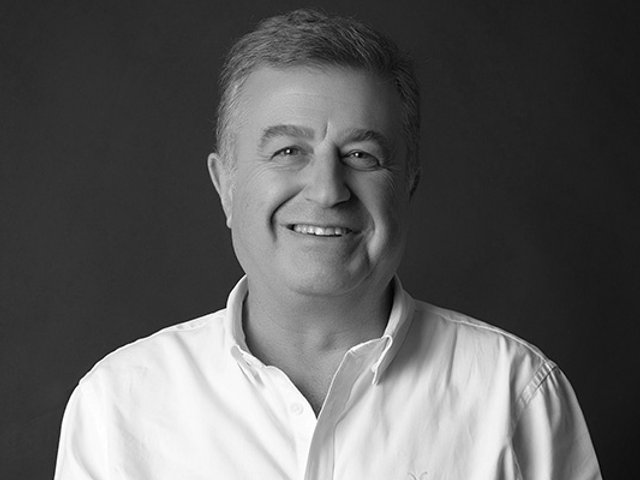
“It is impossible to look at Turkey’s economic and political landscape in isolation,” Ali Güreli, Contemporary Istanbul’s founder and chair, tells The Art Newspaper. “Turkey is part of a highly interconnected region, and the country is inevitably affected by developments beyond its borders. At the same time, Turkey has faced its own economic challenges and an evolving legal and regulatory environment. We sometimes feel that discussions in Europe tend to focus on only part of this picture, overlooking both the broader regional context and the resilience of Turkey’s cultural ecosystem.”
Lower costs
To help galleries navigate these pressures, Contemporary Istanbul has introduced measures aimed at lowering the cost of participation, including a bond agreement to reduce exhibitor expenses and a partnership with Turkish Airlines that helps offset the costs of transporting work. Güreli says the fair is also encouraged by regulatory developments, like tax breaks, aimed at making Turkey a more attractive destination for international investment and cross-border cultural exchange.
Despite economic and political hurdles, Güreli says Turkey remains a dynamic country with a strong entrepreneurial spirit, a rich artistic tradition and an increasingly active cultural sector.
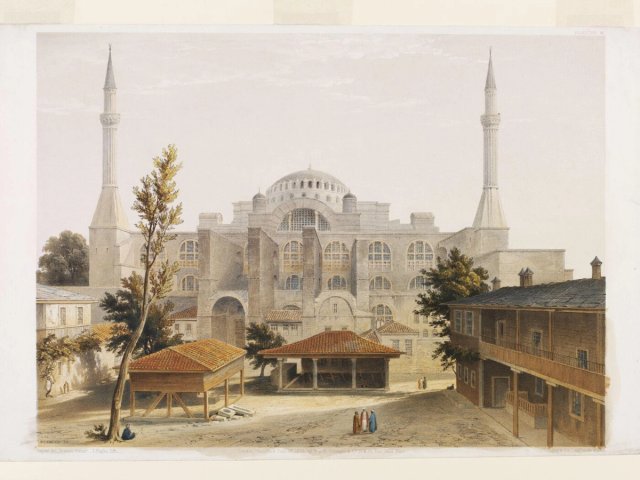
“Istanbul and the art fair together offer a unique experience,” Güreli says. “There are very few cities in the world that can bring together the full depth of human history, culture and contemporary creativity in the way Istanbul does.”
• Contemporary Istanbul, 23-27 September