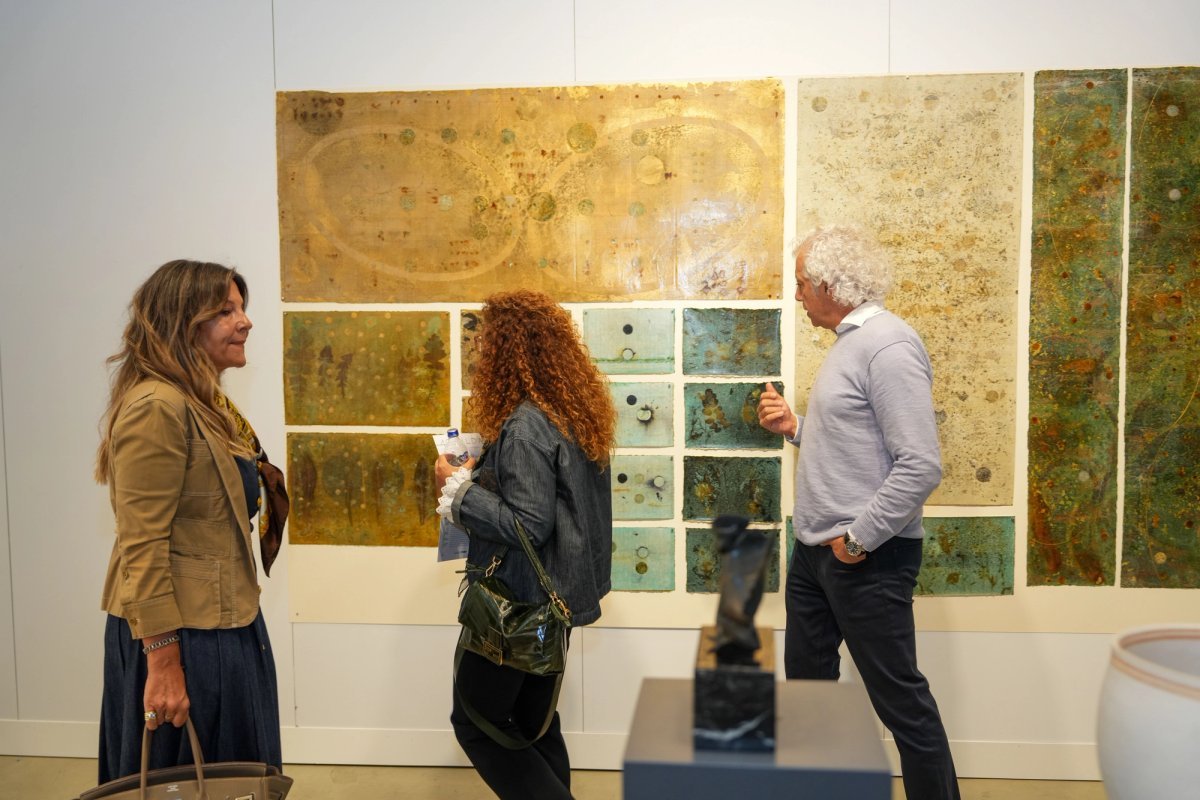
Contemporary Istanbul took place last week at Tersane Istanbul for the third consecutive year with around 70 exhibitors from over 15 countries.
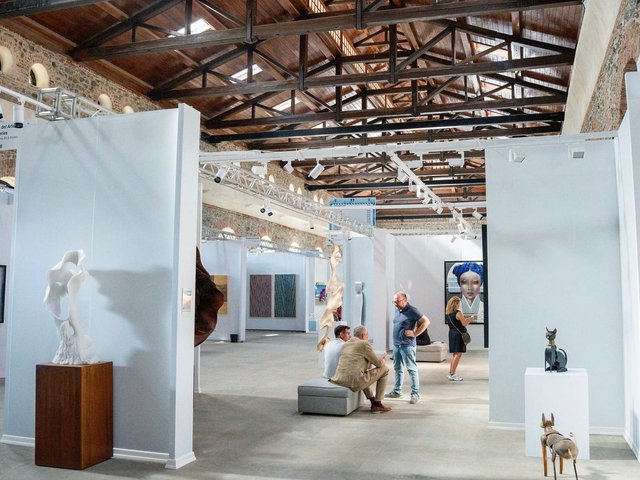
The 21st edition of of Türkiye’s largest contemporary art fair occupied a newly designated single-floor site in the 500-year old Ottoman era shipping yard on the edge of the scenic Golden Horn. The 6,000 sq.m. layout with nine-meter high ceilings lends itself to a seamless and spacier experience across two adjacent halls, in addition to a venue dedicated to its Dialogues programming which this year packs conversations on the Asian market.
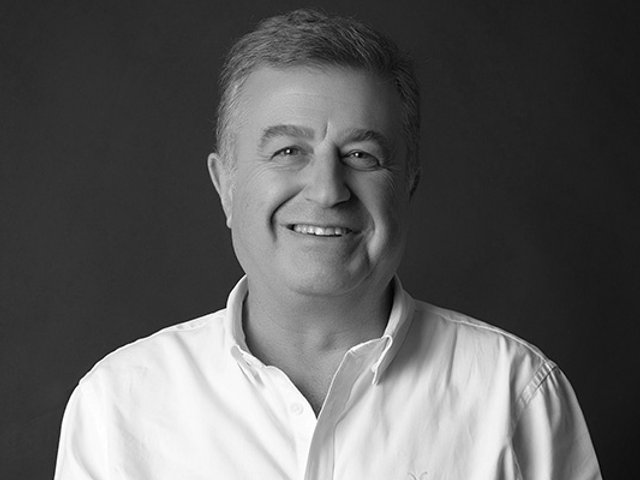
“There is a great advantage in having the entire fair on the same floor,” said the fair’s founder and chairman of the board Ali Güreli. He noted that this year’s effort to bring representatives of around 56 speaks to the fair’s growing international visibility.
While the fair has already announced its return for 2027 on the same week with the 19th Istanbul Biennial, Güreli also has future plans to launch another fair located on the city’s Asian side. He also added that his venture is in conversation with the Ministry of Culture and Tourism for an art taxation reform similar to Italy’s recent tax cutdown on art acquisitions to 5%. “We need incentives to encourage corporations to collect art,” he said.
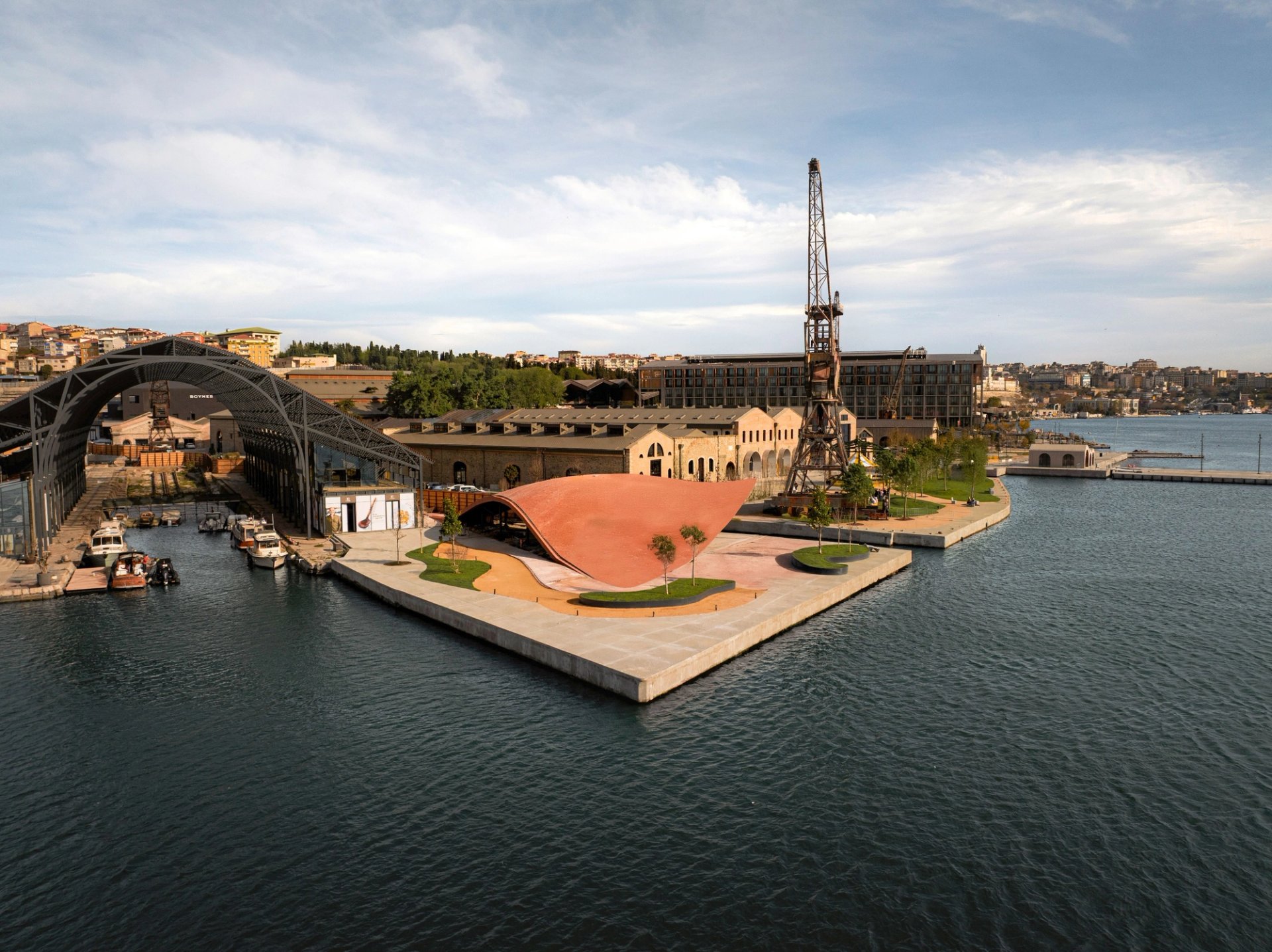
Tersane Istanbul
Courtesy of Contemporary Istanbul
22 galleries make their CI debut, including Jessica Silverman Gallery from San Francisco, São Paulo’s Galeria Karla Osorio, Galerie Georges-Philippe & Nathalie Vallois and Galerie La La Lande from Paris, Beirut’s Galerie Tanit, as well as Rast Gallery and Shiva Zahed from Istanbul. Following focuses on specific markets such as Spain and Latin America or Central and Eastern Europe in previous years, Asia is slated to fit the bill in this edition with participations that include Pearl Lam Projects of Hong Kong, Whitestone Gallery from Tokyo and Seoul, New Delhi’s Method Gallery, and Silk Art House Gallery of Singapore. According to Güreli, the continent’s designation for the programming focus is an obvious choice in a city that bridges Asia with Europe. “Cities like Mumbai, Shenzhen, and Beijing, and Seoul are investing tremendous amounts to art and culture with help from well-known architects,” he added.
Retuning local exhibitors, such as OG Gallery, underlines the outcomes of the updated grounds. The gallery owner Senem Özgören underlined the fair’s offering of “meeting with colleagues located two blocks away as well as building new connections with international galleries.” Among the city’s youngest galleries, the fitting exhibits roster artists closely-watched Paris-based Turkish painter Yaz Taşçı and Sine Içli. Özgören said the venue’s “good flow” allowed for a successful VIP day which “relieved the concerns of recent economic turmoils.” Another fast-rising Paris-based Turkish artist Sila Candansayar is the focal point in the joint presentation by Galerie Michel Rein and Villa Magdalena with corporal glass and wood sculptures and erratically-abstracted charcoal and oil paintings which were popular among collectors during the fair’s preview day on Tuesday.
Among this year’s debut, Galeria Karla Osorio brings in a three-artist presentation with Ricardo Homen, Matheus Abu, and Graziela Guardino whose acrylic on unraveled linen abstract paintings from last year speak to the nation’s history of Neo-concrete movement with a sensual play with loose gestures and strict geometry.
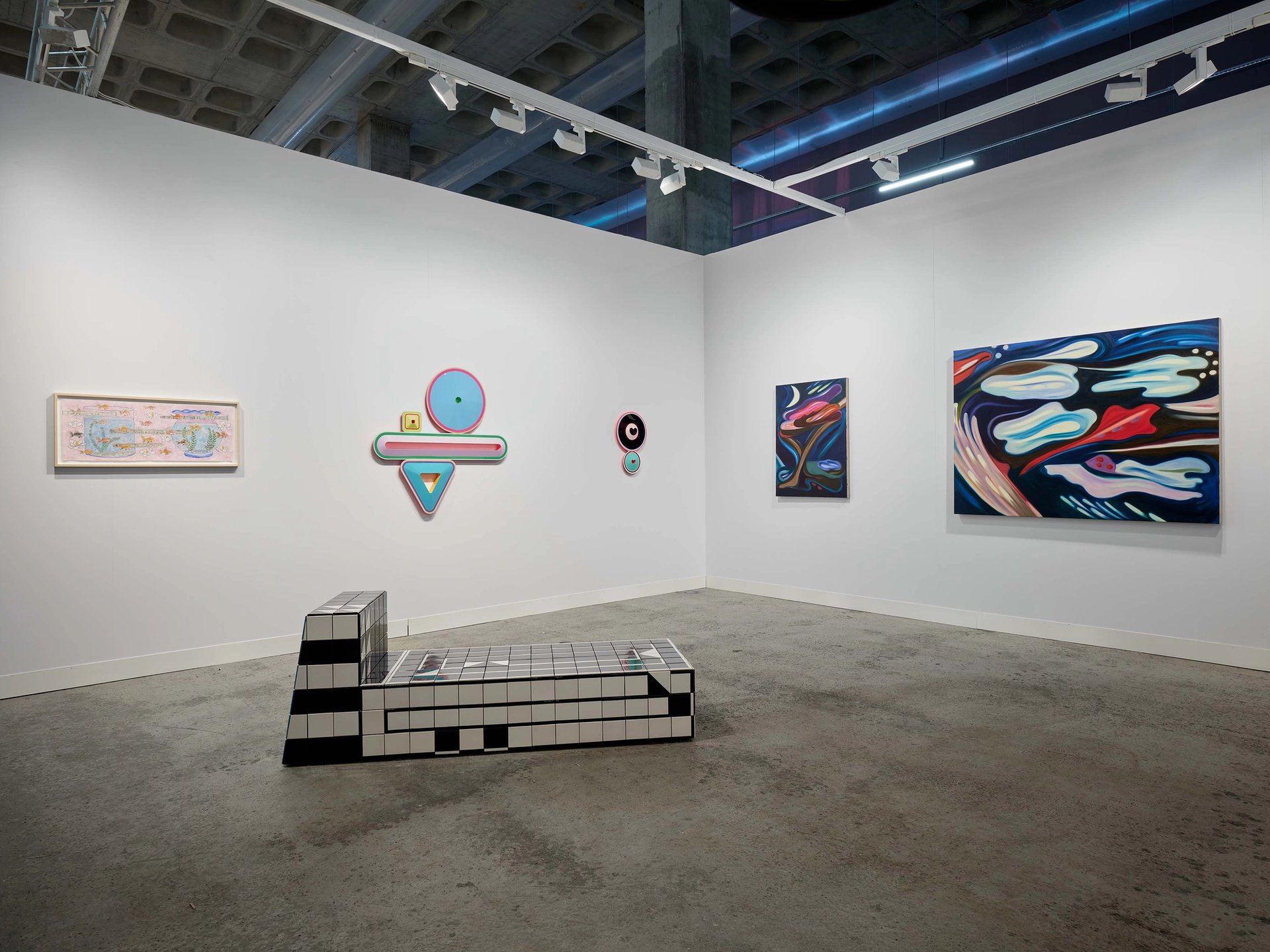
Jessica Silverman's stand at Contemporary Istanbul
Courtesy of Jessica Silverman Gallery
Istanbul’s established fittings such as Dirimart, Galerie Nev, and artSümer occupy large booths dedicated to group presentations. An international span at Dirimart includes Brooklyn painter Summer Wheat, British sculptor Tony Cragg, and doyennes of Turkish modernist painting Bedri Rahmi Eyüboğlu and Abidin Elderoğlu. Sought-after contemporary textile painters Canan and Gözde İlkin stand out in artSümer’s vivid presentation. Pearl Lam Projects also takes a chance on a spacious display in which Japanese artist Chisato Matsumoto grabs attention with her sprawling pinched cloth structures, in addition a mammoth fifteen-meter installation of sewn sails, titled Sail of Light (2026), at the fair’s exit.
The Bay Area powerhouse Jessica Silverman Gallery didn’t hesitate to join the fair after the suggestion from the gallery’s Turkish director Hakkı Serhat and the local popularity of the Turkish-born roster painter Hayal Pozanti. “This was a chance to re-engage with a community we already feel connected to, and to develop and deepen those relationships in person,” Silverman said and added from the west coast: “Hakkı keeps updating me that the crowd has been lively and genuinely engaged—there’s a real curiosity and depth of conversation here, which is exactly what we hoped to find.”
The fair is also an opportunity for the sector’s emerging lines of AI-run companies, such as Numeraire Future Trends which offers authentication and valuation for collectors. The Abu Dhabi-based deep tech platform which is also the fair’s official Solution Partner collaborates with Istanbul and Berlin-based Zilberman Gallery and London’s Gillian Jason Gallery for demonstrations throughout the show’s run with biometric identifications of provenance and value assessment. “We are witnessing a critical moment for authentication with the development of sophisticated technologies and AI. It’s becoming increasingly important to establish a verifiable identity for physical artworks,” said the company’s chief executive Marsha Lipton.