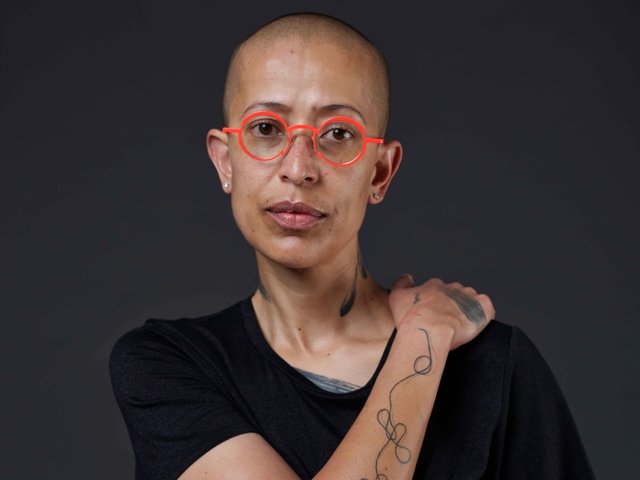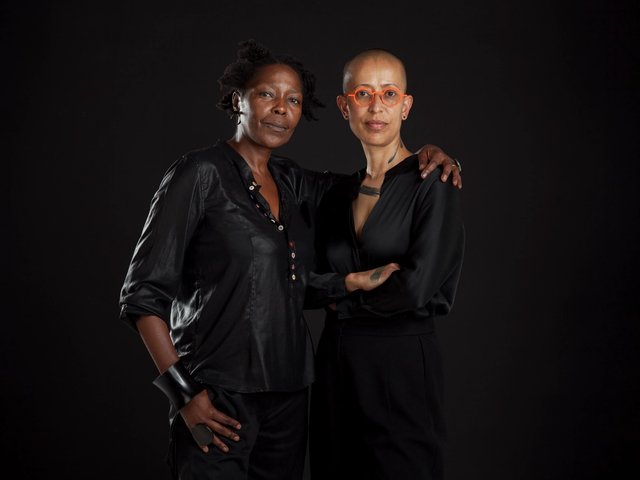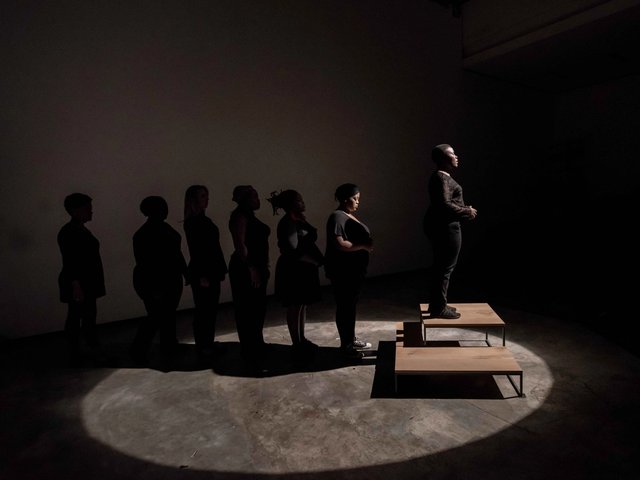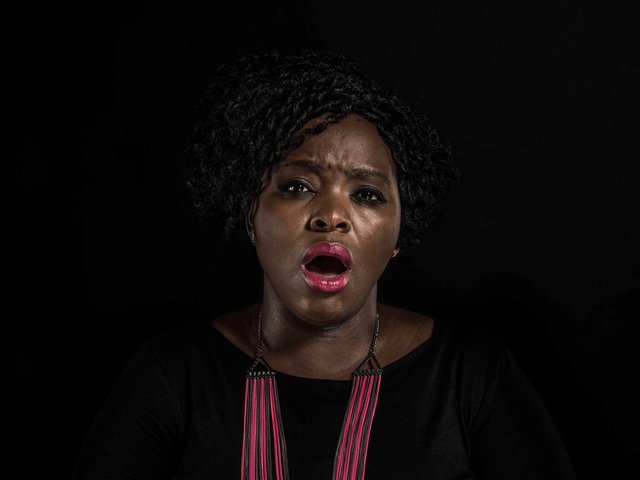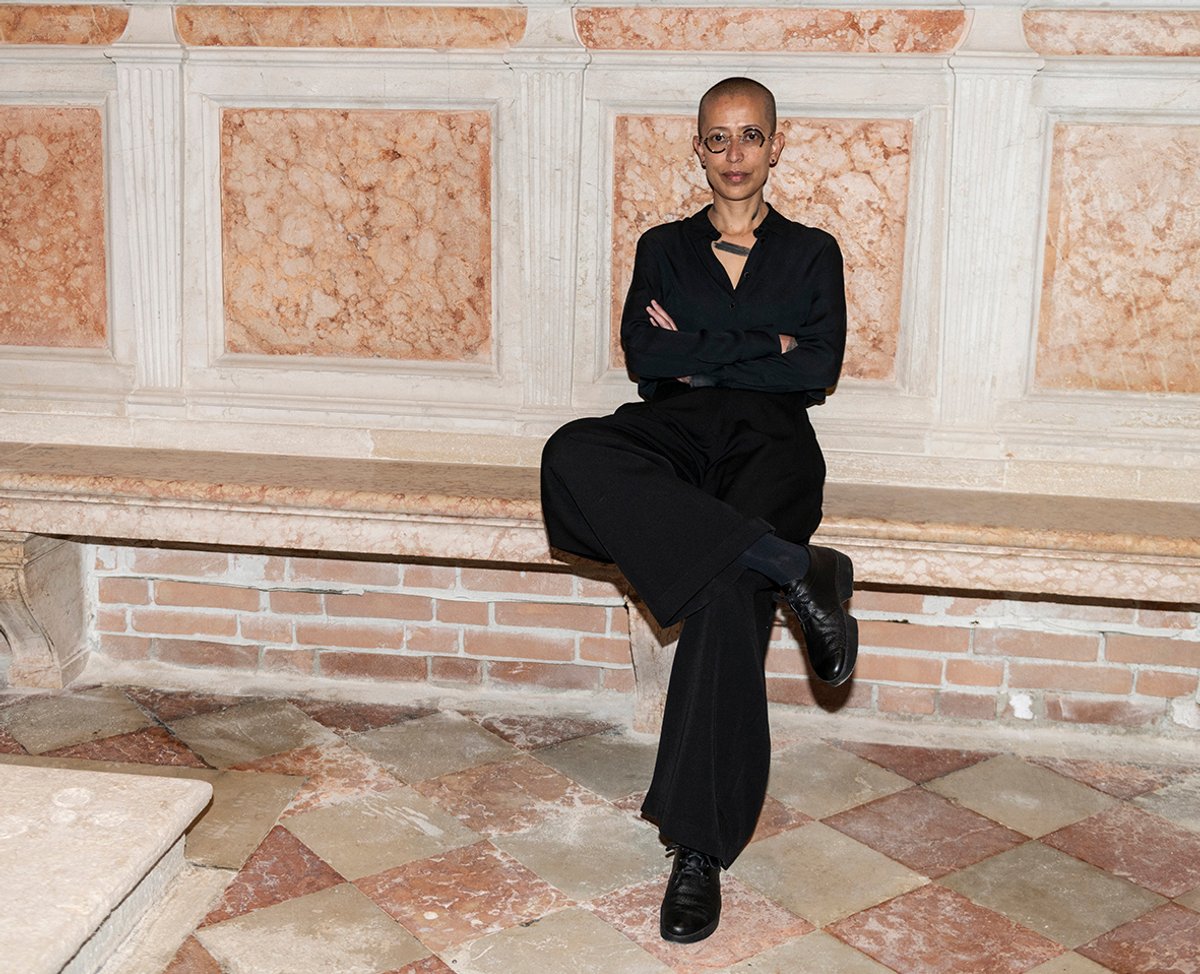
Gabrielle Goliath’s Elegy, the censored work that was first meant to be exhibited in the South African pavilion at this year’s Venice Biennale, has gone on show in London at the private foundation Ibraaz (until 17 January 2027).
Goliath’s work addresses femicide and the murder of LGBTQ+ people in South Africa, and is part of a series that the artist has been working on in performance and video for more than a decade. In the piece, a succession of women stand to sing one mournful note. As each woman’s breath runs out, another steps in to take her place.
Goliath’s version for the biennial addressed rape culture in South Africa; the Herero and Nama genocide in Namibia in the early part of the 20th century; and the death of Hiba Abu Nada, a Palestinian poet who was killed in an Israeli airstrike in October 2023.
However, in January Gayton McKenzie, South Africa’s sport, arts and culture minister, cancelled Goliath’s participation in the pavilion, having called the inclusion of the Abu Nada commemoration “divisive”.
In response, Ibraaz and the social justice charity the Bertha Foundation collaborated to show the work at the off-site venue of the Chiesa di Sant’Antonin in Venice—where it ran from the biennial’s opening in May until the end of July—and now at Ibraaz’s main site in London.
“When Ibraaz opened last October, we had this coinage as a brave space for art, culture and ideas,” says Hammad Nasar, Ibraaz’s director of programmes and content. “Well, what does that look like, and what does that mean? Brave does not mean: let’s poke you in the eye with a sharp stick. Brave means paying attention to whose voices need to be heard.” Ibraaz has shown artists and works that other institutions have shied away from, particularly on politically sensitive subjects such as Palestine and Islamophobia, Nasar says.
Goliath’s Elegy opens alongside the Lebanese-American artist Joe Namy’s Cosmic Breath (2023/26), a sound installation comprised of ten megaphones that play the adhan, or call to prayer. It was commissioned by the Islamic Arts Biennale in Jeddah in 2023 but has not been shown since, despite attempts to place it at other institutions, The Art Newspaper understands.
“There is no shortage of artworks that are being censored right now,” Nasar adds. “Our goal is not to simply show what’s been censored—but we’re also not joining the queue to show safe or same-old work. We are thinking about what work we want to share with people, what work people are not getting access to, and what’s not getting funded.”