Mexico’s Department of Defence has said it will rethink plans for a proposed museum complex in central Mexico City following a dramatic intervention by the capital’s mayor.
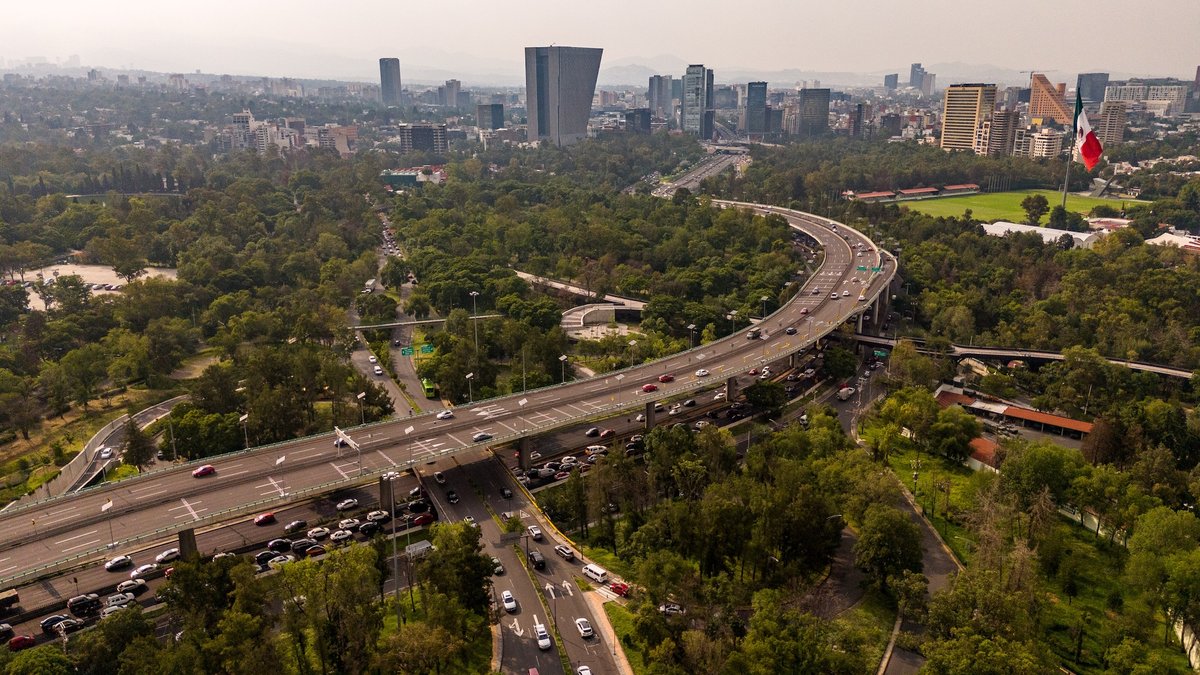
Clara Brugada, head of the Mexico City administration, weighed in after the Secretaría de la Defensa Nacional (Sedena) announced in September it would build a museum of the army, air forces and the national guard as well as an archive and storage facility, 464-seat auditorium, parking for 447 vehicles, store, café and an accommodation block for soldiers on a site that, while owned by Sedena, falls within the boundary of the Bosque de Chapultepec, the sprawling park beloved of residents and visitors alike. The opposition from Brugada was widely welcomed but unexpected because she is a senior member of the ruling Morena party which has, over the course of the past two presidential administrations, spearheaded a move to hand control of a number of archaeological and tourism sites to the armed forces.
The Mexican army (or Ejército Mexicano)—which already oversees the holding company that manages the controversial Tren Maya project as well as a number of airports and hotels in the southern states of Chiapas, Campeche and the Yucatán—has recently assumed control of the archaeological ruins in Tulum on the coast of Quintana Roo. Formerly under the purview of the federal Instituto Nacional de Archeologia e Historia (INAH), the site at Tulum (one of the most visited in the country) and its considerable ticket sales will now be managed separately from the rest of the INAH portfolio. It is not clear who was responsible for the surprise move or what the rationale for the decision was.
The Defence Ministry’s initial announcement regarding the proposed museum in Bosque de Chapultepec said the institution would be following in a proud tradition of educating the public about Mexico’s history. The newspaper Reforma reported the complex would have at least four separate buildings with two to three floors each. Construction was projected to take around three years and cost 1.66bn Mexican pesos ($92m).
In a city that has more than 150 officially designated museums plus many other art and heritage venues, news of the planned military museum provoked strong pushback from local residents and the wider public. Opponents of the project were quick to point out that Bosque de Chapultepec is an area of environmental value protected by law from most development. It was only a few years ago that the previous Morena government, under then-president Andrés Manuel López Obrador, pushed through a controversial building programme in another part of the park linked to a project overseen by the artist Gabriel Orozco.
Mexico City already has several museums linked to the military, as well as two dedicated to the Revolution and other wars fought since the country gained independence from Spain in 1821. The author and cultural commentator Adriana Malvido used one of her recent columns in Reforma to ask why the army wanted yet another museum and why the money earmarked for the project could not be spent rehabilitating parts of Bosque de Chapultepec instead of paving over parts of it.
“It’s very worrying that we’re seeing an increasing military presence in all areas of our lives,” Malvido tells The Art Newspaper.
In her own response, Brugada acknowledged that the military authorities were reviewing their plans but emphasised that Bosque de Chapultepec—which is twice the size of New York’s Central Park, with more than 55,000 trees including around 160 rare ahuehuetes trees believed to be more than 300 years old—is an important ecological area and would not host the proposed museum.
Sedena subsequently issued a short statement explaining that it would seek an alternative location for the museum “at another military base where it would not impact the surrounding natural environment”.
Even prior to the military’s announcement, the Mexican culture sector was on edge due to ongoing wrangling over the federal arts budget, late payments to cultural sector workers and other issues. Earlier this year the treasured Gelman Collection—which includes works by Frida Kahlo, Diego Rivera and Rufino Tamayo that have been declared national patrimony, meaning they should not normally leave the country—was transferred from the Museo de Arte Moderno in Bosque de Chapultepec to a new David Chipperfield-designed Centro Faro in northern Spain. This removal of Mexican patrimony to Spain has dominated cultural conversations all year.