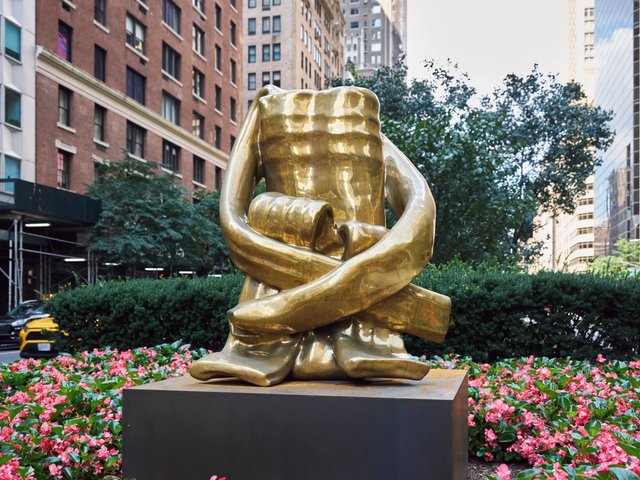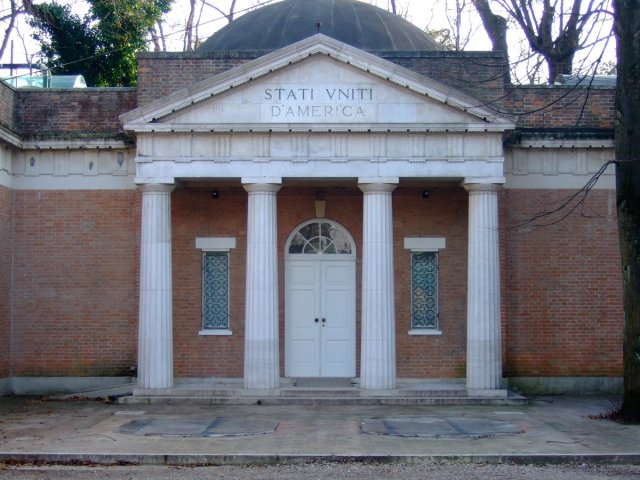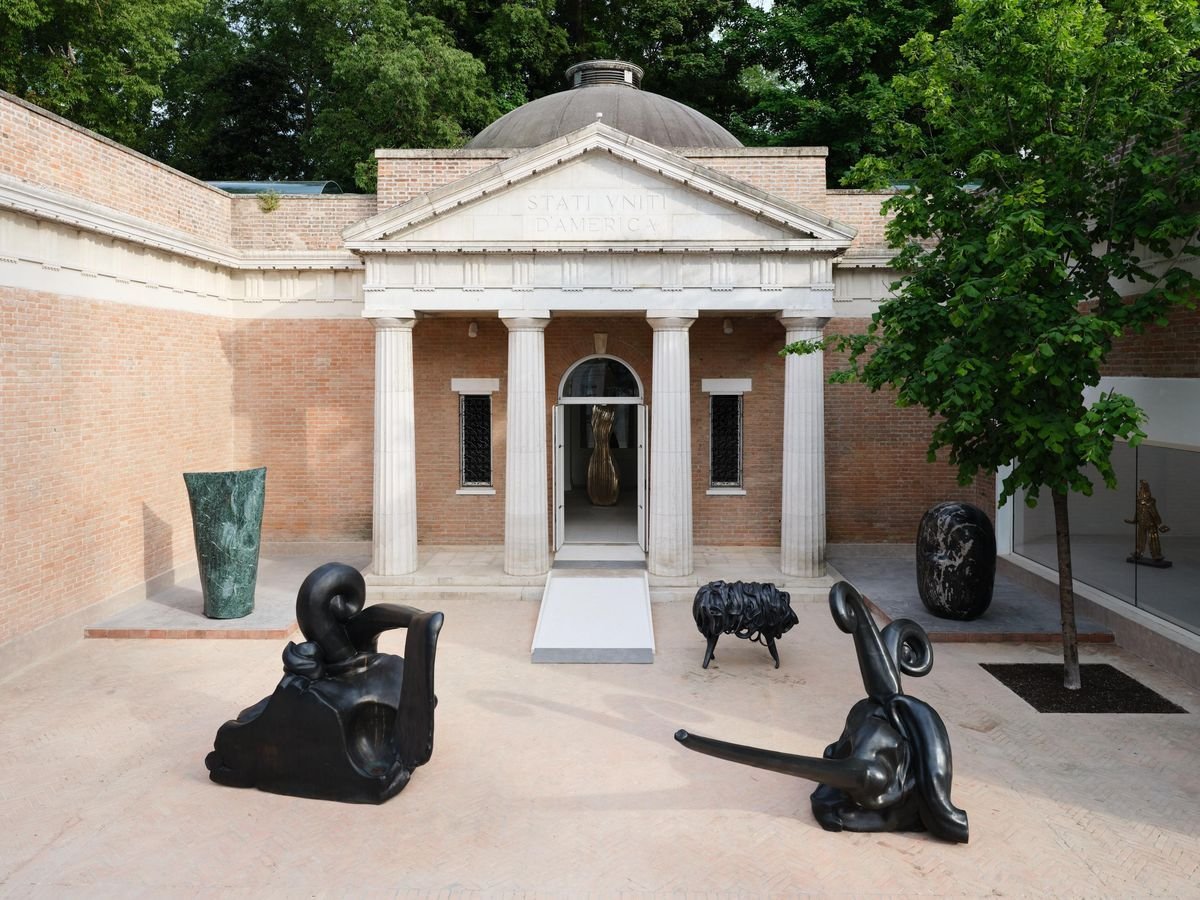
With a little less than a month left of this year’s Venice Biennale, the US pavilion is in the news again—this time not for aesthetic but financial reasons. According to Zachary Small of The New York Times, the non-profit responsible for the pavilion has sounded the alarm that it needs to raise $1m or it will not be able to ship Alma Allen’s hulking sculptures back to the US.
“We are facing an urgent funding need associated with the final deinstallation and safe return of the artworks to the United States,” Jenni Parido, the director of the American Arts Conservancy (AAC), wrote in a plea to donors. She added that the organisation had only been able to raise $1.4m out of the $2.5m total needed for the pavilion.
While the State Department provided its usual $375,000 grant for the US pavilion this year, the rest was left up to Parido—a former pet-store owner with little background in art outside of a degree in graphic design—and her brand-new non-profit to raise. (Parido is a friend of the director of the State Department’s Art in Embassies programme, Erin Scavino—a former contestant on Donald Trump’s television programme The Apprentice.)
The funding shortfall comes even as this year’s US pavilion was lauded for costing much less money than usual. (The 2024 pavilion's budget was $5m, and in 2022 the pavilion cost $7m.) The AAC did most of its fundraising via private events with donors including the fashion designer Tommy Hilfiger and the art collector (and former US Navy secretary) John Phelan.
“Budgeting normally is very careful,” Katy Siegel, an art historian who co-curated the 2017 US Pavilion, told the Times. “Maybe there is no oversight now. This is crazy.” She added that finding space in Venice to store Allen’s sculptures—some of which weigh almost a ton—would be very difficult.
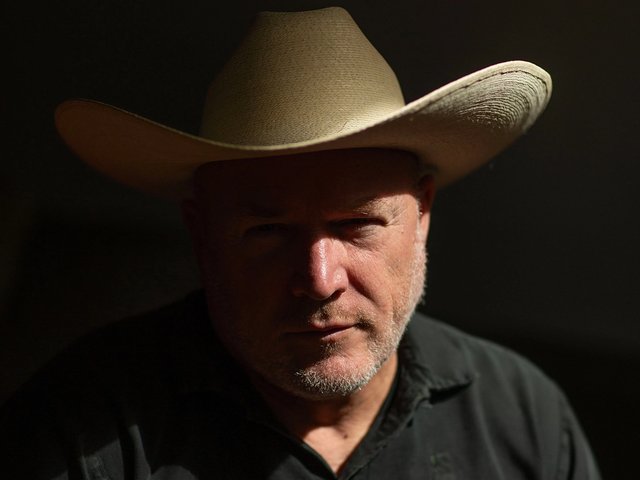
As for the Mexico-based Allen, he told the Times that he was unaware of the AAC’s financial woes. “I received only reimbursement for travel and my Airbnb,” he said, “which was cheap.”