Russia’s FSB security service has detained a teenager on charges of threatening Moscow’s Tsaritsyno Museum and Nature Reserve via TikTok after an unusual warning from US officials of a “credible threat of a mass casualty event” on 31 October. The alert was posted on the website of the US embassy in Moscow and social media. Der Spiegel reported that German citizens in Russia had received a similar warning.
On 1 November, the FSB distributed a video, published on sites such as Tass, the official state news agency, showing an unidentified young man being detained, footage of a knife, camouflage and neo-Nazi content on his phone, and his confession to posting “propaganda of Nazism” on his TikTok page. Russia’s National Antiterrorism Committee posted the same footage to its YouTube channel.
The US issued a similar alert several days before an attack that killed at least 149 people in March 2024 during a concert at Crocus City Hall in Moscow. Islamic State claimed responsibility for the attack; before it occurred, Russian President Vladimir Putin denounced the warnings as “outright blackmail”.
In a change reflecting US President Donald Trump’s cooperation with Russia, the FSB in a statement on 1 November, posted on the agency’s website, credited “US law enforcement agencies” for warning of an impending attack at Tsaritsyno: “We are grateful to the American side for the information provided.”
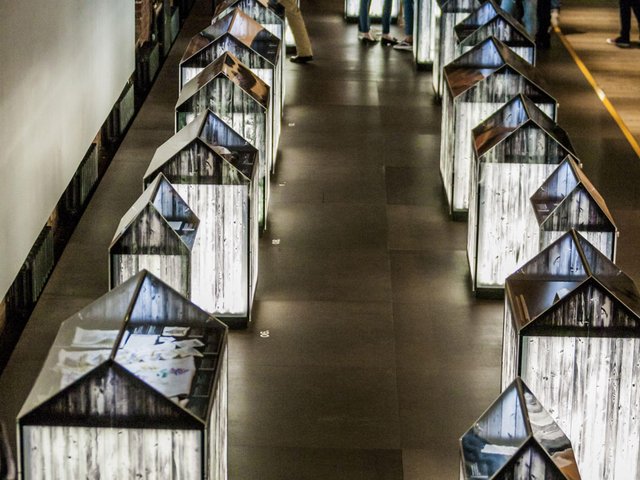
The FSB statement added that “in the interest of public safety, planned cultural events at the museum-reserve have been cancelled, and security measures in the surrounding area have been stepped up”. The museum is typically closed on Mondays, while the surrounding park, known for its rolling hills, fountains and wooded paths, is open daily. Russian media reported that the park reopened on Sunday.
The FSB’s statement claims the detained minor had posted images on TikTok “showing himself wearing tactical gear—including a balaclava, cap, eyewear and headset—while holding an object resembling an automatic weapon” as well as “photographs taken at the Tsaritsyno Museum-Reserve, accompanied by the caption: ‘I found a place’”.
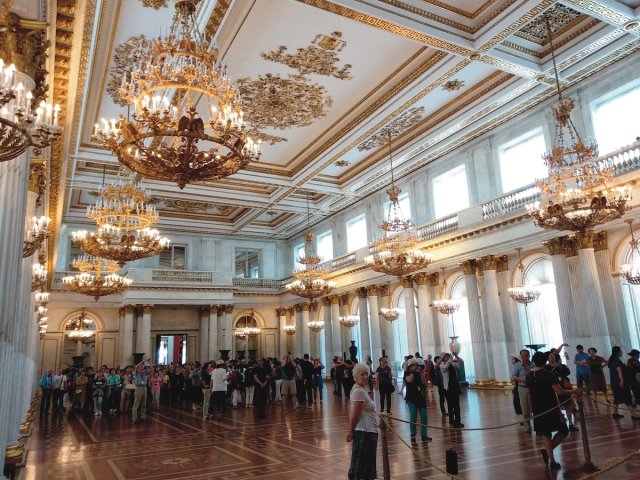
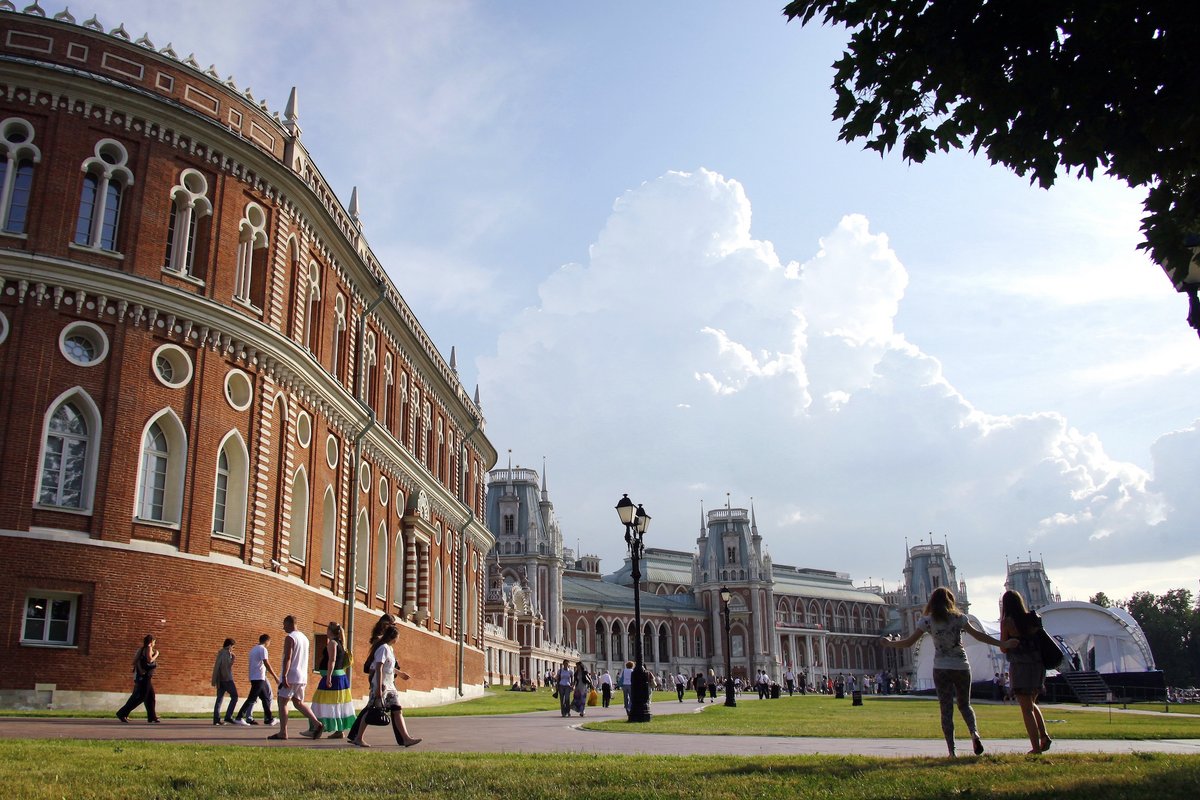
The complex, which was originally intended as a summer residence for Catherine the Great in the 18th century, is consistently ranked as one of Moscow’s most visited tourist sites. Tsaritsyno’s website states that over 7 million people visit the museum and park in southern Moscow annually. The Grand Palace, its centrepiece, is known for its neo-Gothic design by the architect Matvey Kazakov, which remained unfinished after Catherine’s death. Many other buildings on the grounds were designed by Kazakov’s teacher, Vasily Bazhenov, Catherine’s court architect, who was initially commissioned to design the palace before falling out with the Empress.
Some preservationists denounced the glitzy completion of the palace, inaugurated in 2007 with Putin present. It was carried out under Moscow’s mayor at the time, Yury Luzhkov, who was known for monumental construction projects. Although some attempts have been made to show contemporary art at Tsaritsyno, its exhibitions are primarily focused on the tsars and historic Russian folk crafts.