Artists who donate their own works to museums and galleries in the UK should receive tax breaks according to a new report published on Wednesday (18 November) focused on boosting cultural philanthropy.
The idea is one of a number of “tax enabling” proposals put forward by the think tank, The Cultural Policy Unit (CPU), which stresses in the report, “A National Strategy for Cultural Philanthropy”, that philanthropy “should be treated as both an urgent [UK] strategic priority and a deliberate instrument of cultural policy”.
The funding environment for culture has changed fundamentally, argues CPU which adds that “public finances have tightened considerably over the last 15 years, government funding for the arts has declined and self-generated income, while a key area, has not succeeded in plugging the widening gap.”
In a wide-ranging set of recommendations, the report also suggests establishing a King’s Philanthropy Medal for Culture and setting up a national cultural “match-and-seed funding” programme with a regional focus.
Alison Cole, the director of the CPU and former editor of The Art Newspaper, says: “While the arts funding environment has changed dramatically in recent years, the philanthropic landscape has hardly kept pace let alone filled the gap with the UK lagging far behind the incentives offered by many of our European and US counterparts. We need a new national strategy that not only identifies the opportunities and need, but also thrives on a spirit of creative collaboration and mutual respect.”
Artists who donate their own works to qualifying cultural institutions should receive tax recognition based on independent valuation, says the think tank. Other tax-based recommendations include protecting charitable giving through inheritance planning—which means simplifying inheritance tax rules—and providing clearer rules around VAT.
Charles Saumarez Smith, who previously led the National Gallery, National Portrait Gallery and the Royal Academy of Arts, told The Art Newspaper that the report is “sensible”. “I particularly appreciated the information as to how other countries encourage philanthropy, not just the US,” he says. “The biggest issue seems to me to be the lack of clarity round the existing systems, including, for example, around inheritance. How many people, even within cultural institutions, knows how this operates?”
The CPU acknowledges that Britain has a strong philanthropic tradition, arguing that its potential for cultural giving remains unrealised. Gift Aid, Acceptance in Lieu and the Cultural Gifts Scheme have all delivered real benefits but these schemes should be enhanced so that donors are more aware of their benefits, the report says.
UK incentives are “broadly generous, but they are structured very differently from overseas models,“ according to the report. “The practical result is that British donors give quietly and anonymously, while the US and other systems reward public foundations and naming opportunities.”
Kate Rolfe, a cultural strategy consultant, says: "Art organisations need to work with philanthropists who are inspired by the organisational vision and share their values and priorities, ensuring that the museum can stay focused on its purpose, vision and audiences." She believes corporate donations need to be reincentivised, as these often "lead to really creative partnerships based on shared audiences and values". Rolfe founded The Revels Office, a strategic audience and commercial development consultancy for the culture sector.
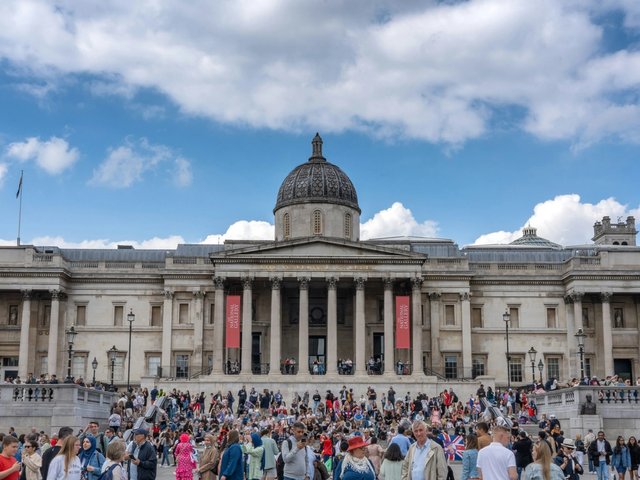
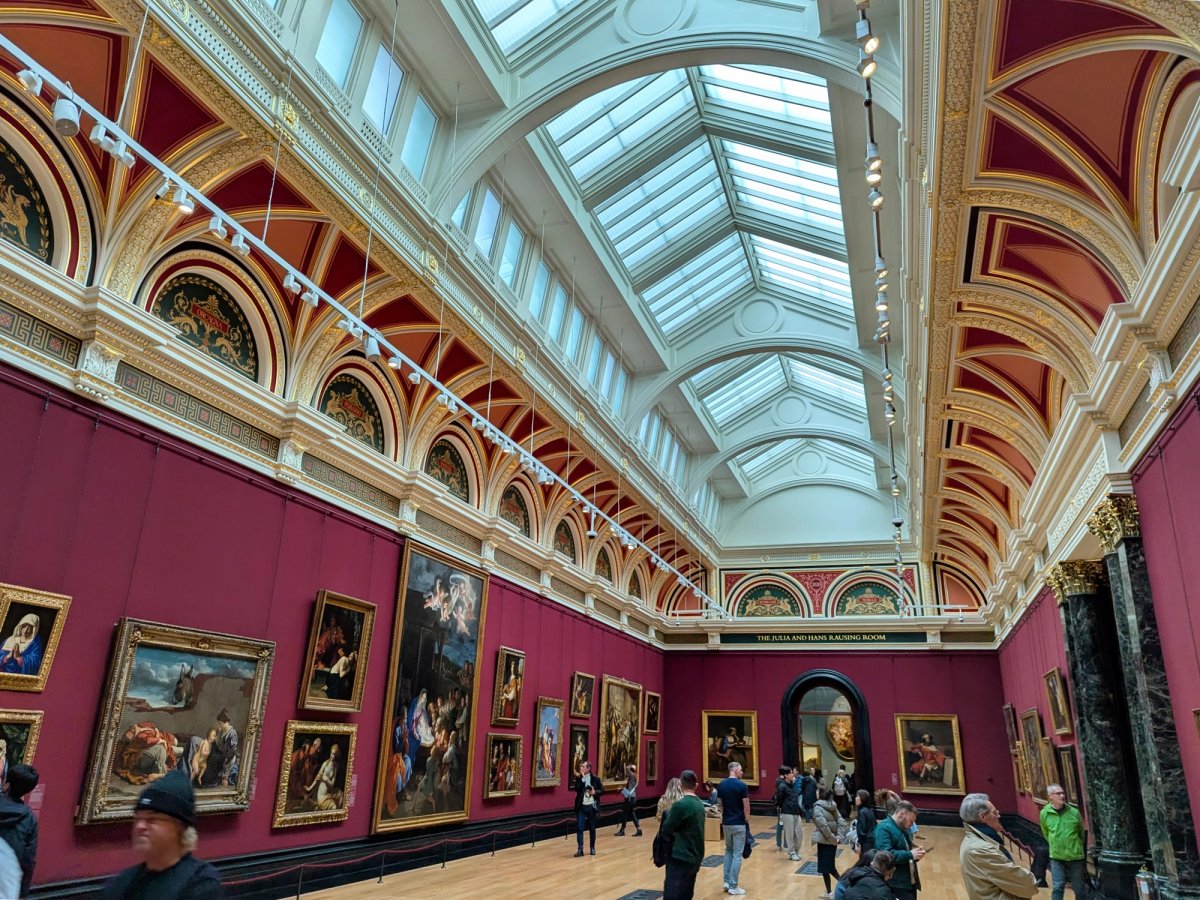
“Focused giving” may be partly the answer says the CPU, as evidenced by the Domani project at the National Gallery in London with £375m secured from Crankstart, the charitable foundation of Sir Michael Moritz and his wife Harriet Heyman, and the Julia Rausing Trust for a new Modern art wing. “The real transformation needs to be across the country and not just in the capital,” adds Cole.