The Venice Biennale has named the American artist Nick Cave and India’s national pavilion as the winners of its top art prizes this year, following a controversy that saw the competition’s jury resign and several artists and pavilions withdraw from the running.
In previous editions of the Biennale, an international jury has selected the artist and national pavilion to receive the prizes, traditionally known as Golden Lions. This year, however, the awards were renamed Visitors’ Lions and awarded on the basis of votes cast by visitors to the exhibition.
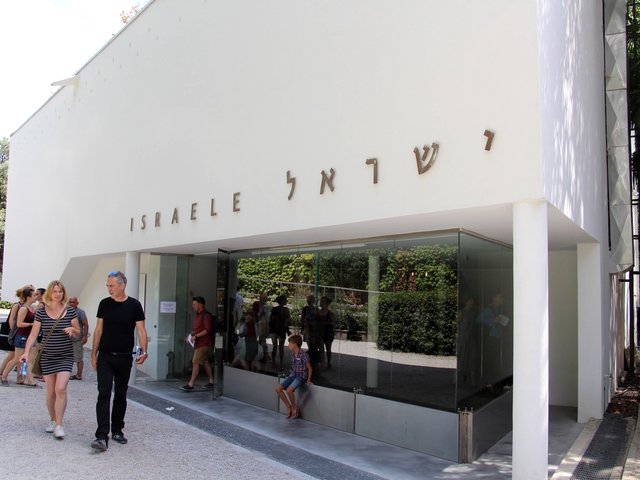
The new voting system was introduced following a dispute over the inclusion of Russia and Israel in the 2026 Biennale. In a statement in April, the five-person jury announced that it would not award prizes to national pavilions or artists from countries whose leaders were charged with crimes against humanity by the International Criminal Court (ICC).
The International Criminal Court had issued arrest warrants for Vladimir Putin, Russia's president, in 2023, and for Benjamin Netanyahu, Israel's prime minister, the following year.
The jurors resigned days later, saying they were doing so “in acknowledgement” of their previous statement.
Dozens of artists then ruled themselves out of the contest in solidarity with the jury, though they remained on the ballot. The Biennale clarified that votes for withdrawn entries would not be considered.
It is unclear whether Cave and the India pavilion received the most votes of all entries on the ballot, including withdrawn entries. The Biennale declined to provide The Art Newspaper with a breakdown of the results.
“The Venice Biennale does not publish rankings or detailed voting results, as the regulations do not provide for this,” a Biennale spokesperson tells The Art Newspaper. “This applies to the Visitors’ Lions, just as it has always applied to the decisions of the international juries.”
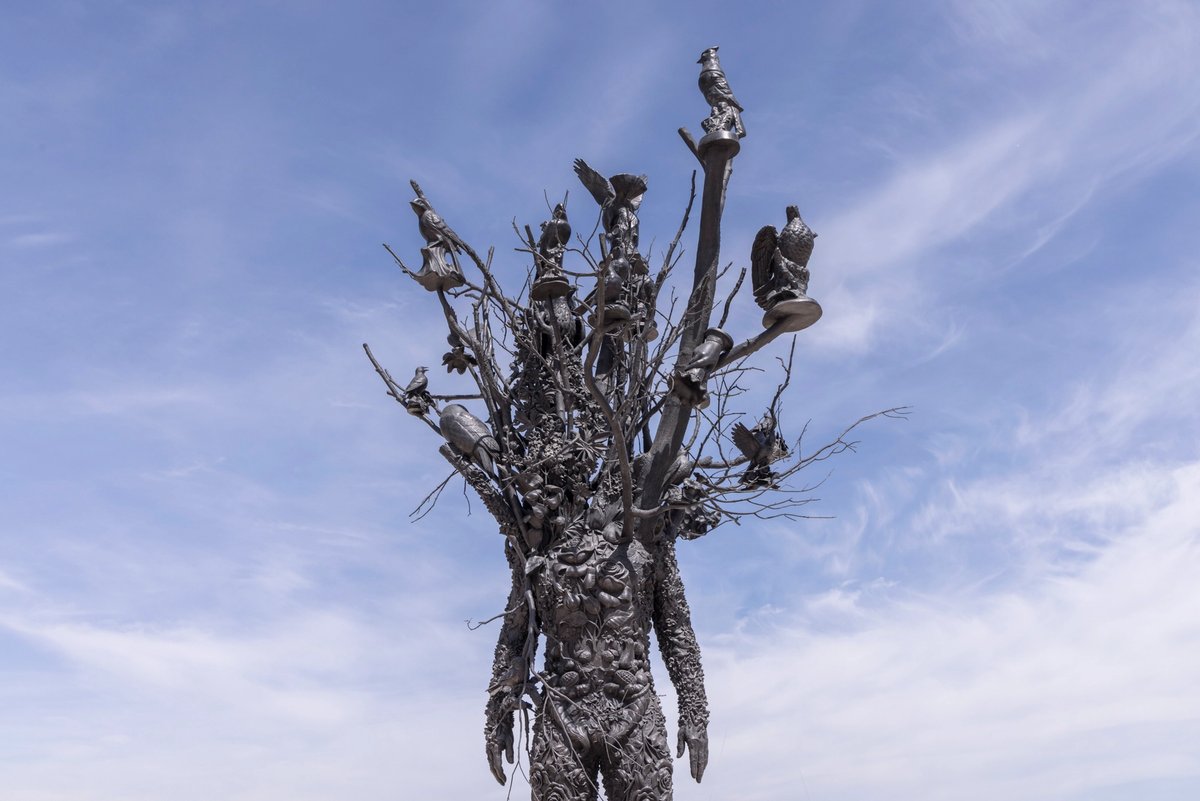
Cave is best known for work that combines fashion, sculpture and performance. His exhibition at Venice’s Arsenal includes seven works, among them Amalgam (Origin) (2024), a monumental bronze sculpture of a figure with branches growing out of its body and birds nestling among twigs. Each of the seven works address a stage of grief. The artist told the journal The Art Trace: “I am interested in loss as a human and collective experience, as something that touches the body, memory, and the perception of time.”
India's exhibition, titled Geographies of Distance, features works by five artists including clay sculptures, dried flowers and plants hung from the ceiling, and a demolished family home reconstructed in white thread. Curated by Amin Jaffer, the exhibition reflects on the rapid expansion of cities in India, according to the Biennale's website.
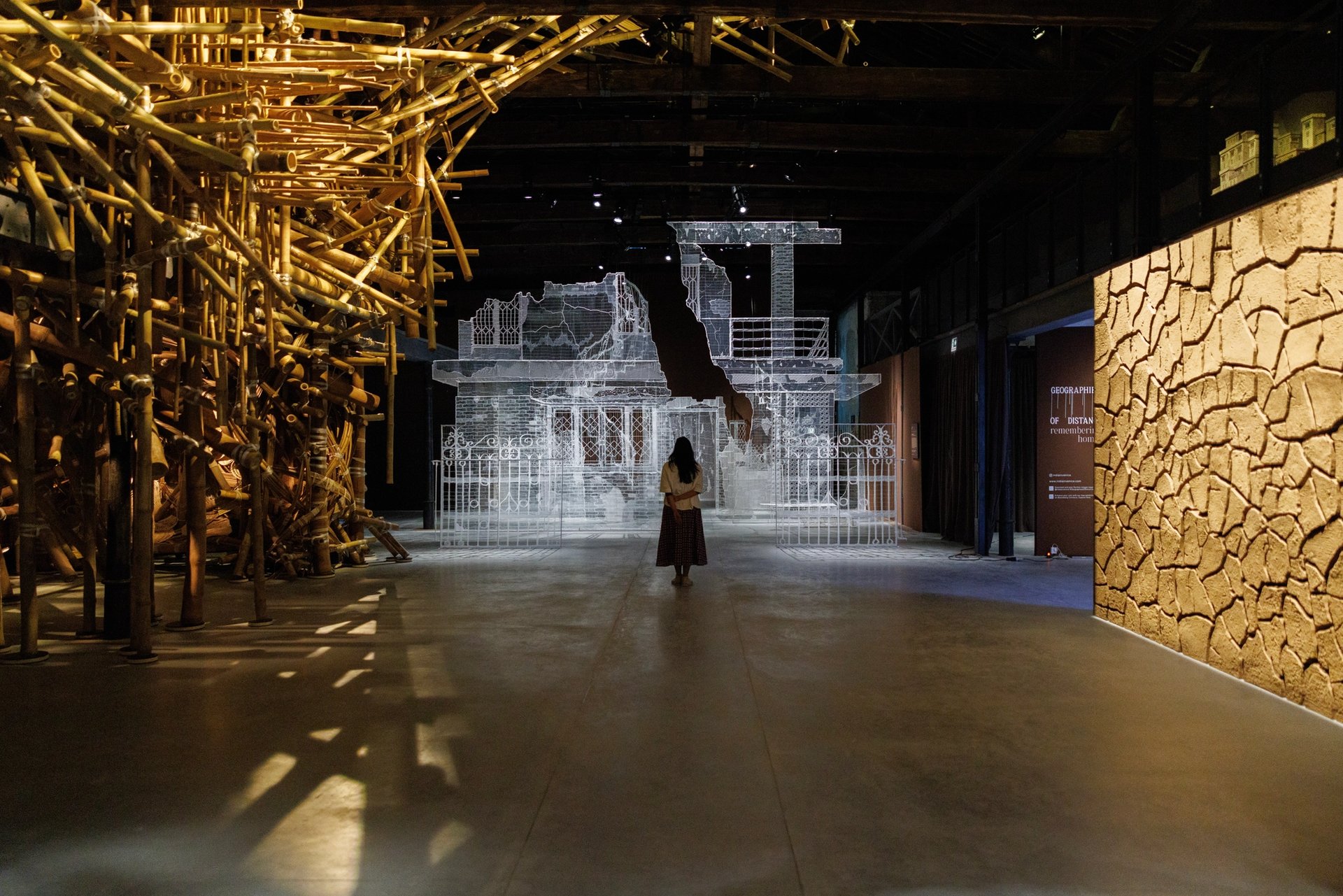
Installation view of India’s pavilion at the 2026 Venice Biennale, Geographies of Distance: remembering home
Photo: Jacopo Salvi. Courtesy of La Biennale di Venezia
On Wednesday, when this year's winners were announced, Pietrangelo Buttafuoco, the Biennale’s president, praised the new voting system.
He said in a statement: “The public of the Exhibition embraced this recognition—the Visitors’ Award—as an opportunity to bring Pablo Picasso’s practice to life: a painting only comes to life through the person who looks at it".