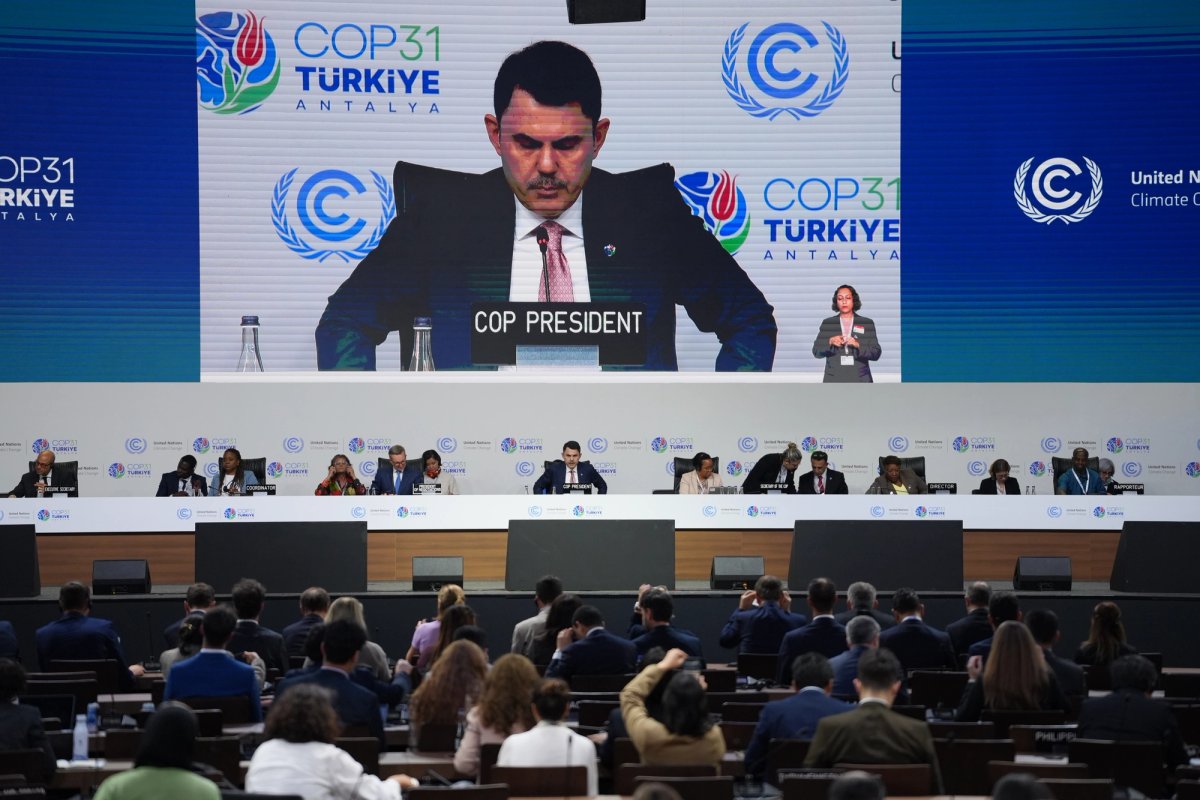
The fact that Cop31 failed to reach a final agreement on tackling climate change is obviously cause for grave concern. Despite the talks in Antalya, Turkey running over by two days as delegates struggled to achieve a consensus, they were ultimately derailed by the refusal by a group of oil producing states—led by Saudi Arabia and including Russia—to allow any mention of fossil fuel in the conference’s final agreement. This despite an agreement already made at Cop28 in 2023 to “transition away” from coal, oil and gas. As a result, more than 130 countries, including the European Union (EU) and the UK, refused to sign off a deal which omitted any reference to the main cause of climate change.
“We will not accept a Cop that greenwashes fossil fuel”, declared the EU representative Darragh O’Brien, Ireland’s minister for climate, environment and energy, also stating that a climate pact which makes no mention of fossil fuel was “unconscionable” and “failed to meet the moment.”
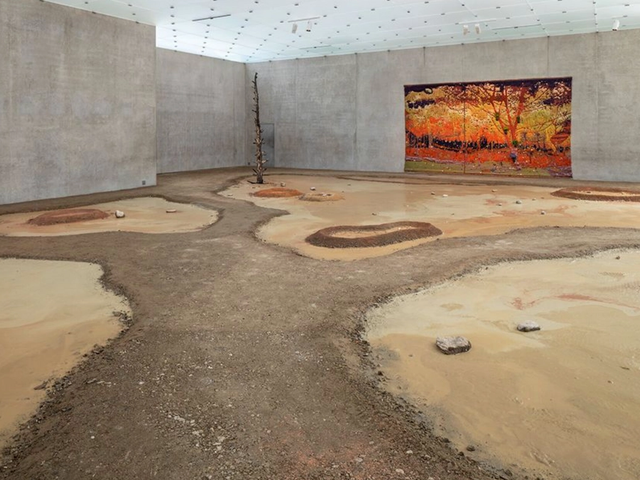
Much of the art on display at Cop also seemed out of kilter with the urgency of the times. The centrepiece of the official CopArt programme, which was installed across the Cop site and curated by art advisor and contemporary art curator Nagihan Ozel, was an extensive installation of 18 mirror panels installed in the Green Zone and created by veteran artist Heinz Mack who has been making similar work since the 1960s. Other conspicuous pieces included Anselm Kiefer’s giant seascape bearing a pair of metal scales, Für Rabbi Löw (2010-12) and a forest made from recycled cardboard from Eva Jospin. Two monumental bronze sculptures by Belgian artist Koen Vanmechelen, one of an ape standing on a mirrored glass sphere balanced on a human thumb and another of a child struggling to hold an iguana, are described by the artist as “exploring our relationship with the natural world.”
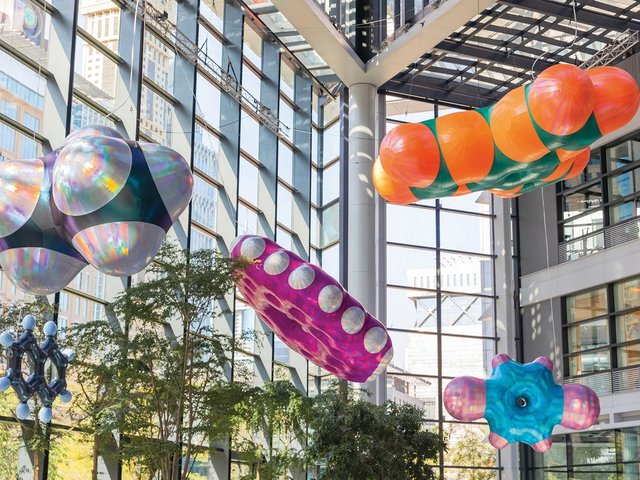
Also on show in the Cop Green Zone and an especially jarring symbol of the deep schisms and incompatible agendas that characterised this latest Conference of the Parties were five animal sculptures created from discarded electronic and industrial defence waste materials. These were part of the “Upcycling a Future Vision” art collection launched by Aselsan, Turkey’s largest defence contractor to demonstrate its “commitment to a circular economy”, according to Turkish state-run media, as well as to celebrate the company’s 50th anniversary and “future of more efficient, innovative and sustainable production.” In a further irony, the defence giant—which is majority owned by the Turkish Armed Forces Foundation and produces electronic warfare technology and naval and air defence missile systems—was awarded a Green Transformation certificate from the Turkish authorities in tribute to its sustainability efforts. These apparently include a five-year road map to maximise energy, water and raw material efficiency whilst reducing carbon emissions and recycling 87% of total waste.
But amidst the chaos and anomalies within Cop some consolation can be gleaned from the fact that, while the oil-producing countries united to derail proceedings (undoubtedly spurred by the absence of an official US delegation and the Trump administration's overt hostility to the global fight to combat climate change), nonetheless 193 countries plus the EU remain committed to the Paris Agreement. Collectively these nations account for around 85% of global emissions. And while not wrapped up in a final deal, a number of significant agreements were made at Cop31 which included countries backing faster electrification and clean energy, drawing up measures to cut methane emissions and passing measures to protect the planet’s forests and oceans and strengthen support for communities impacted by climate change.
Power to the people
Beyond the Cop negotiating rooms, there are also glimmers of progress. In the UK greenhouse gas emissions have fallen by more than 50% since 1990 (although this much-vaunted statistic doesn’t include international aviation, shipping and imports and exports, which makes it more like 24%, according to the Office for National Statistics). Solar panels now provide 28% of Pakistan’s power while France and Denmark have announced roadmaps to phase out all fossil fuel by 2050, with Spain, Portugal and other countries planning to do the same. While these shifts often have as much to do with the fall in the cost of renewable technology and its resilience to market swings as a desire to hit climate goals; nonetheless an incremental frustration at the Cop consensus model means that countries are increasingly going it alone in naming what needs to be done and in identifying how they will tackle it.
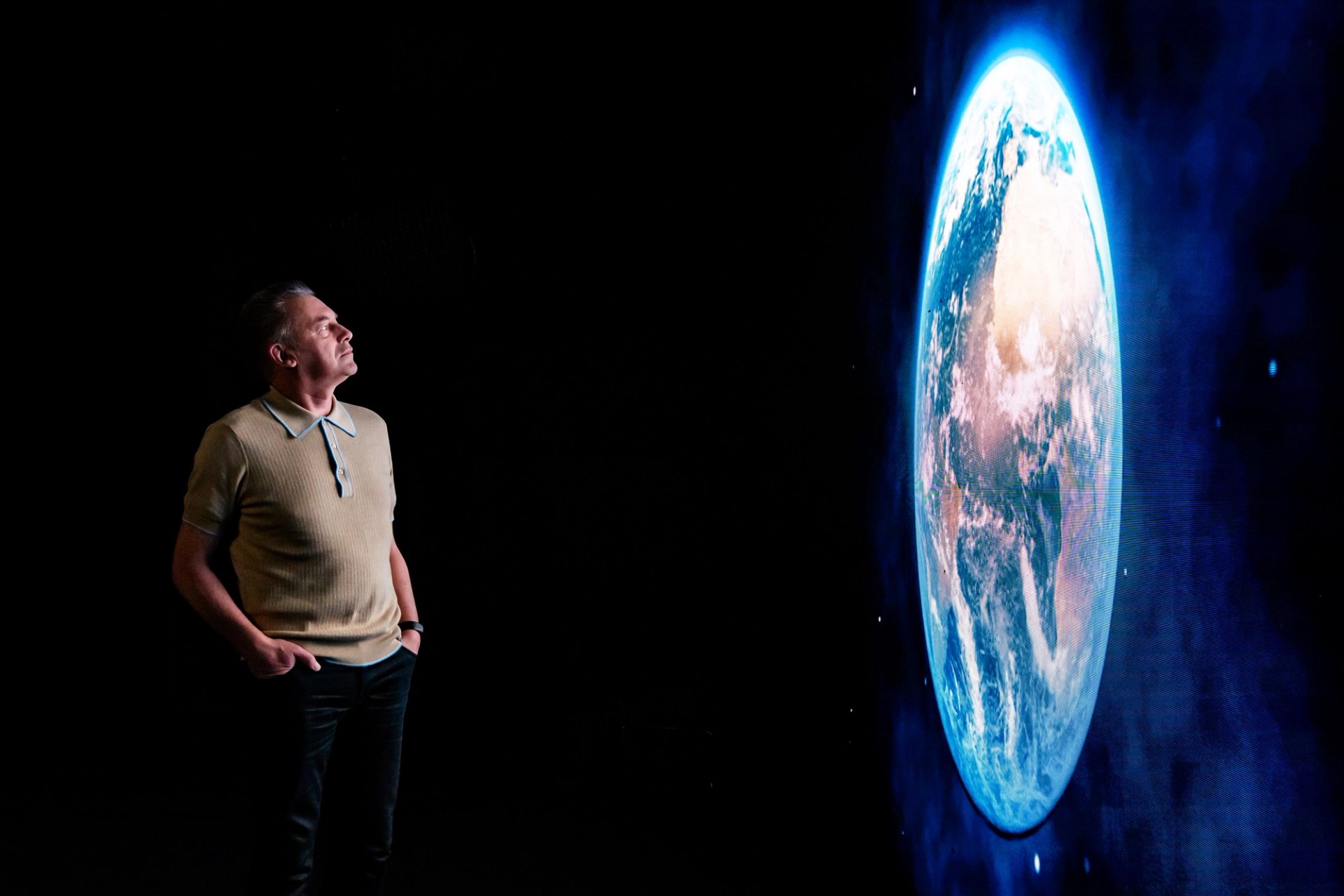
Still from The People's Emergency Briefing (2026) featuring naturalist and presenter Chris Packham
Courtesy National Emergency Briefing
Case in point was last Monday (16 November) when, as Cop31 was rumbling on, an important milestone was reached in the UK as Parliament debated a nearly 139,000 strong petition which called for the government to hold a UK-wide emergency briefing on the climate and nature crisis. The petition had been generated by the National Emergency Briefing (NEB), a public information campaign consisting of an influential group of leading experts and fronted by the British naturalist and BBC TV presenter Chris Packham. It was asking for a “prime-time Covid-style briefing across all channels” which would be introduced by the Prime Minister and delivered by independent experts in order to spell out the extent and risks posed by climate change and nature loss, along with the action—both public and governmental—that needs to be taken. More than seventy members of parliament from across the political spectrum attended the three-hour debate which ended broadly in favour of the proposed televised emergency briefing, although not officially agreed. Speaking for the government, climate transition minister Katie White MP did go on record to state that she and her colleagues would meet with the leaders of the NEB campaign and “explore opportunities to work together”, and work on public engagement within the government's climate and nature security taskforce.
Just as Westminster was being galvanised by the NEB campaign, so too was the art world. Two days after the briefing debate, Tate Modern hosted a packed screening of The People’s Emergency Briefing, a 50-minute documentary film made by the NEB and presented by Packham. An articulate panel of nine experts starkly presented the urgent threats that climate and nature breakdown pose to food security, nature, the economy, national security and public health. This film, which anyone can freely register to screen, has been responsible for fueling much of the groundswell of both public and parliamentary support for the NEB’s petition. Since its release in April last year, The People’s Emergency Briefing has been shown more than 5000 times across myriad sectors and in venues large and small throughout the UK, from church halls, offices and hospitals, with many more scheduled for the forthcoming months. As Katie White declared at the Parliamentary debate, “a film has become a movement.”
However—with a few notable exceptions—the People’s Emergency Briefing has not had much airing in the art world. But now this seems set to change thanks to the art world environmental charity the Gallery Climate Coalition (GCC), who organised the screening and the following panel discussion. This was chaired by Frances Morris, the former director of Tate Modern and nowthe GCC's chair, speaking with artist Heather Ackroyd and Peter Lefort, the green futures network manager at the University of Exeter.
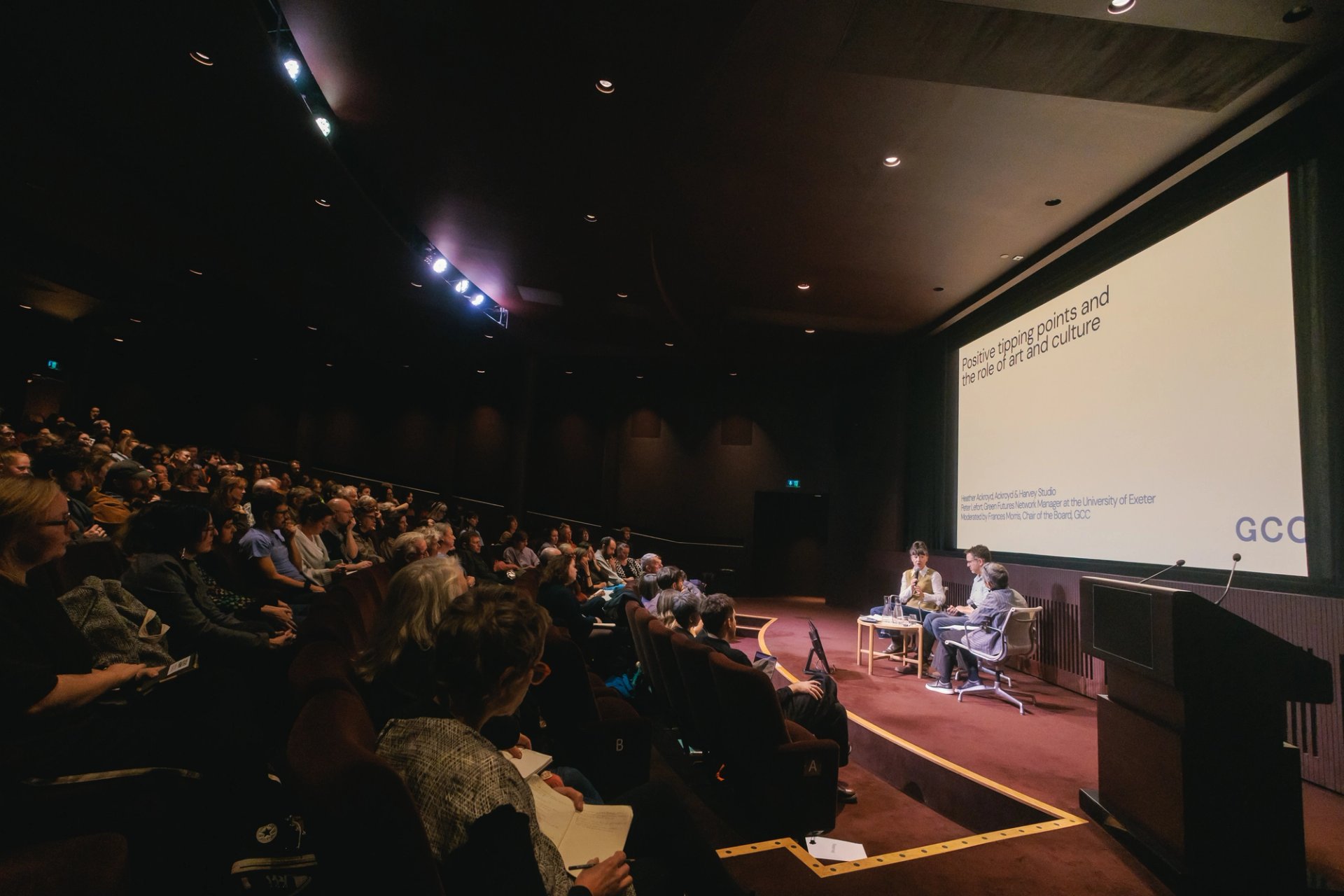
The screening of The People's Emergency Briefing at Tate Modern on 18 November 2026
Credit: JH Visuals
Among the two-hundred strong audience of artists, including Cornelia Parker and Marcus Coates, academics and art workers from across both the public and commercial sectors, there emerged a strong determination to galvanise action. Many declared a commitment to lobby their MPs, to organise screenings of the People’s Emergency Briefing in their galleries and generally to be more courageous in both acting individually and collectively to help instigate what Peter Lefort compellingly described as “positive tipping points.”
As Lefort explained, these tipping points occur when cumulative changes in behaviour, policies, expectations and attitudes reinforce each other and gather momentum to accelerate change and achieve transformative impact. As politicians falter and our systems for joining forces globally become increasingly dysfunctional and inflexible, it now seems increasingly clear that these new forces for change—such as the NEB, with allied activist groups and screenings occuring across Europe—are coming from the grassroots up, and that the creativity of the art world needs to be applied to shift ossified, seemingly intractable structures and open up new ways of thinking.
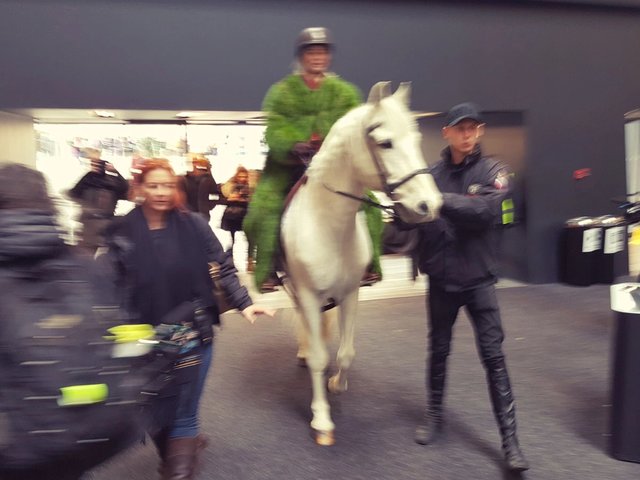
After all, it was back in 2019 that, on the instigation of artist duo Heather Ackroyd and Dan Harvey, a procession of bell ringing artworkers headed by a woman wearing a coat of living grass and riding a white horse, occupied Tate Modern’s Turbine Hall. The event from the Culture Declares Emergency movement inspired then-director Frances Morris to make the institution of Tate declare a climate and ecological emergency, helping set in motion an increased environmental awareness that is now common currency throughout the art world. In the words of one attendee at last week’s Tate Modern gathering, “we may be small compared to other sectors but we can be LOUD!” So now let’s brush ourselves down after Cop and make our voices heard, before it is too late.