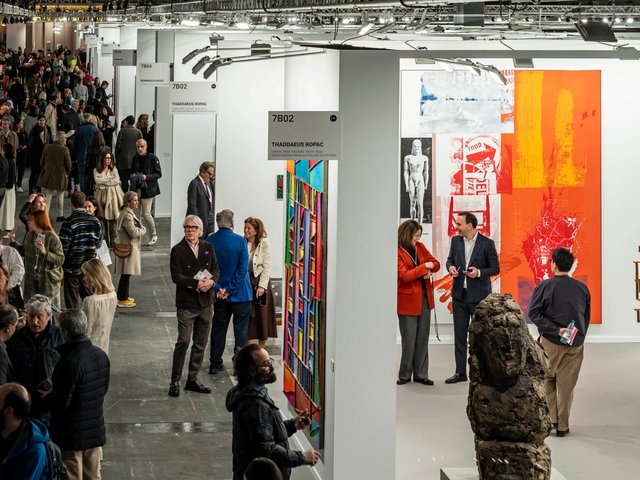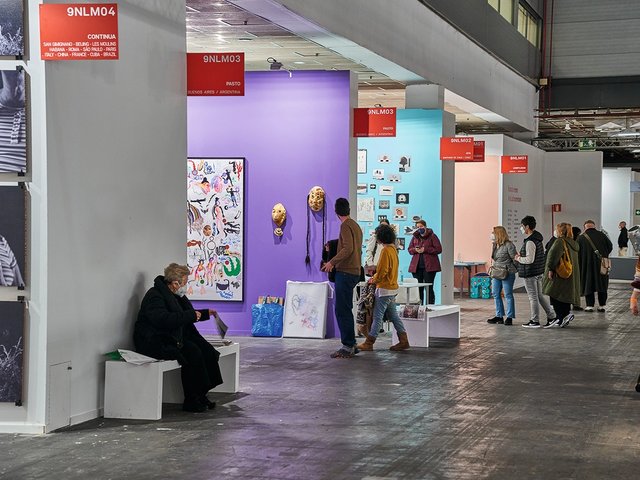
Next week, around 200 contemporary art galleries across Spain will close their doors to the public. The six-day strike, from 2 to 7 February, is their latest protest against the country’s 21% VAT rate for art sales, which gallerists say has hindered their success and sustainability in both the domestic and international art markets. The tax, which was raised from 8% to 21% in 2012 by the country’s conservative Partido Popular, has long been a flashpoint for the trade in Spain, and is now the highest VAT on art in western Europe.
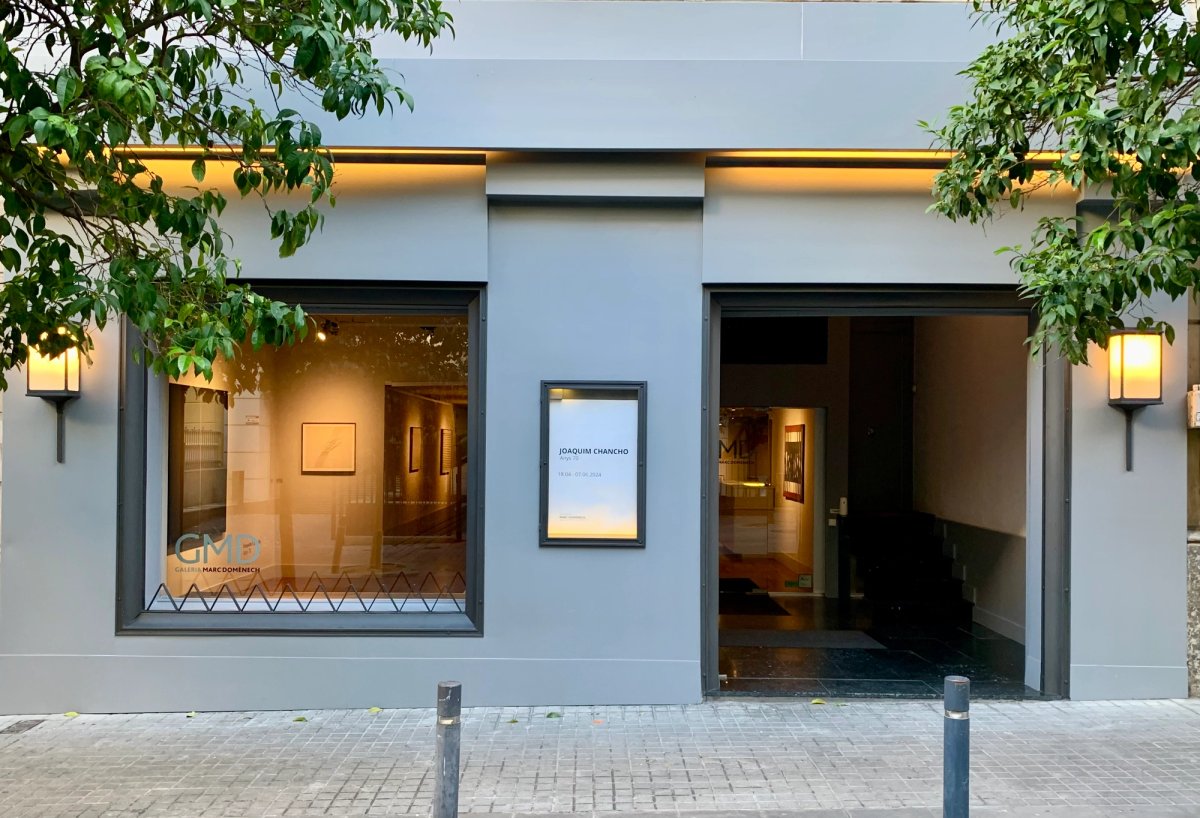
“The main problem we have now is the loss of competitiveness in relation to our closest European neighbors,” Marc Domènech of Galeria Domènech in Barcelona tells The Art Newspaper by email.
While in recent years other nations adopted a 2022 European Union Council Directive to designate specialised tax rates for cultural activities like art sales—7% in Germany, 6% in Portugal, 5.5% in France and 5% in Italy—Spanish VAT has remained the same, even despite a 2024 promise by the country’s minister of culture to take action.
The discrepancy “places us in a position of complete irrelevance,” Domènech says, contending that Spanish galleries’ markedly higher VAT makes them less attractive to clients and collectors. “The problem is further exacerbated when the same artist is also represented by a gallery in another European country, since the tax disparity directly influences purchasing decisions,” notes Carolina Alarcón of Galería Alarcón Criado in Seville.
But the issue isn’t just international. Within Spain, commercial activities related to theatre, dance, music, cinema and even artists who sell their work directly from their studios are subject to a 10% VAT. Spain's contempoporary art gallery association (Consorcio de Galerías de Arte Contemporáneo) strongly objects to galleries’ exclusion from this same cultural taxation category, insisting in a 15 January statement that its members offer the public “free and constant access to artistic creation,” and calling the country’s galleries “the largest museum in Spain.”
Gallerists are 'essential culture workers'
For Alex Nogueras, of Prats Nogueras Blanchard in Madrid and Barcelona, “it's not just about numbers, but about ceasing to treat galleries as suspicious commercial agents and starting to recognise them as essential cultural infrastructures,” he says. As such, striking galleries will also cease all of their usual pro bono work with public and private Spanish institutions and museums for three months, including locating collectors, conducting archival research, coordinating transportation, and other tasks.
Alba López Porto, the director of Galería Néboa in Lugo, affirms that the current VAT rate “has a very direct impact on our daily operations”, adding that when purchases occur, “it is the galleries themselves that absorb part of this cost, adjusting margins or applying discounts to prevent the price from skyrocketing due to the tax”. She and other gallerists also report that high taxes can deter both new and established collectors from buying art in the first place.
Although businesses of all sizes are affected by Spain’s VAT, up-and-coming galleries are especially at risk of losing a viable path forward, and this precarity inevitably impacts the emerging artists that these types of spaces often represent. “Without galleries artists lack the support needed to give visibility to their work,” says Borja Díaz Mengotti, the director of The Goma in Madrid. For the country’s hundreds of local art galleries, the consequences are very real. Daniel Cuevas of Galería Daniel Cuevas in Madrid warned that the government’s refusal to change the current VAT situation "will force many artists to abandon their careers and many galleries to close”.
Government inertia
So, what can be done? The best ally of Spain's gallerists may be the ministry of culture, which facilitates their art sales to state entities and offers them grants to promote Spanish artists and participate in international art fairs. Still, many are frustrated with the government’s inertia. “The ministry of culture tells us we need to talk to the ministry of finance, while the ministry of finance tells us it’s a matter for the mInistry of culture,” Isabel Mignoni, the director of Galería Elvira González in Madrid tells The Art Newspaper. “They’re just passing the buck because they think this only affects a very small sector.”
Export taxes are another problem. “Spain is the only country in the European Union that has them,” Domènech said, calling them “unfair since it amounts to penalising galleries for wanting to internationalise the legacy of deceased artists”. Women artists are especially harmed by this, he adds. For Díaz Mengotti, the taxes are also outdated: “We continue to operate under cultural property export laws that were enacted in response to looting that occurred during the Spanish Civil War [1936-1939].”
The current strike comes just a month before Arco Madrid, the country’s most important art fair, which will celebrate its 45th anniversary in 2026. Last year, more than 70 Spanish gallerists turned out the lights in their stands to protest of the 21% VAT. While it remains unclear how or if a change will occur, Alarcón is confident: “We are convinced that sales would increase. It has been proven that tax advantages have a direct and positive impact on the art market.”