Digital Editions
Newsletters
Subscribe
Digital Editions
Newsletters
Art market
Museums & heritage
Exhibitions
Books
Podcasts
Columns
Art of Luxury
Adventures with Van Gogh
Art market
Museums & heritage
Exhibitions
Books
Podcasts
Columns
Art of Luxury
Adventures with Van Gogh
Museums & Heritage
news

Smithsonian’s National Museum of Asian Art will return three bronze sculptures to India after provenance review

One of the sculptures will remain on long-term display at the Washington, DC, museum

Alton Yan
10 February 2026
Share
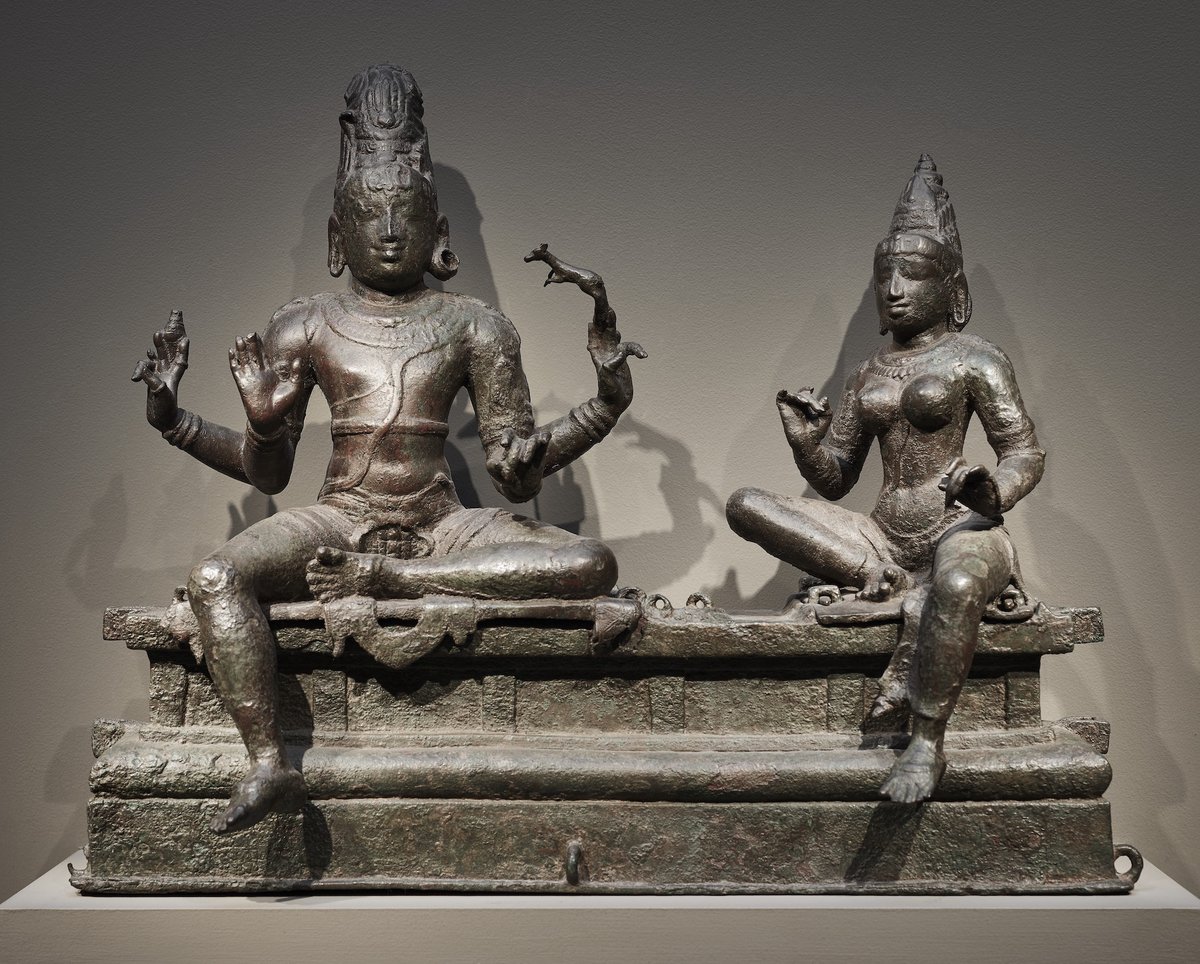
Somaskanda, Chola period, 12th century, Tamil Nadu state, India National Museum of Asian Art, Smithsonian Institution, Arthur M. Sackler Collection, Gift of Arthur M. Sackler

Somaskanda, Chola period, 12th century, Tamil Nadu state, India National Museum of Asian Art, Smithsonian Institution, Arthur M. Sackler Collection, Gift of Arthur M. Sackler

The National Museum of Asian Art (NMAA) in Washington, DC, which is part of the Smithsonian Institution, announced last month that it will deaccession three bronze sculptures and return them to India following reviews of the objects’ provenance that revealed they had been removed illegally.

Two of the objects were produced during the Chola period (around 990 and in the 12th century), a time when royal patronage helped establish southern India as a major centre of bronze casting. The third bronze artefact being returned to India dates from the Vijayanagar period in the 16th century.
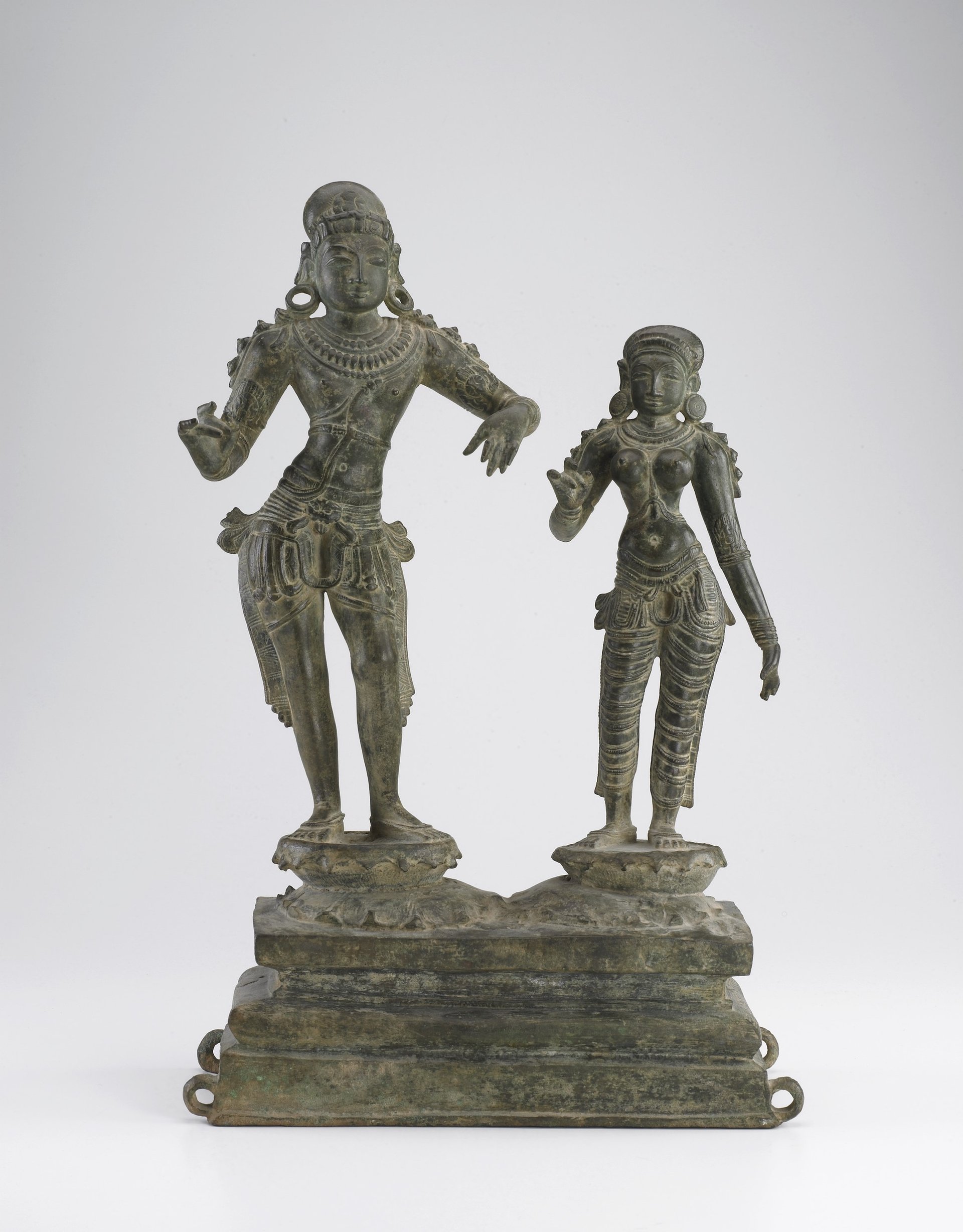
Saint Sundarar with Paravai, Vijayanagar period, 16th century, Tamil Nadu state, India National Museum of Asian Art, Smithsonian Institution, Arthur M. Sackler Collection, Gift of Arthur M. Sackler

The bronzes depict Hindu figures and were used in temple worship and ritual processions. Produced using the lost-wax technique, such figures are particularly valued for their naturalistic modelling, fluid movement and devotional function. Many surviving examples were taken from temples during the 20th century as the international market for such artefacts grew.

The oldest of the three objects, Shiva Nataraja, will remain at the NMAA on long-term loan from India, with its full historical context provided in updated signage
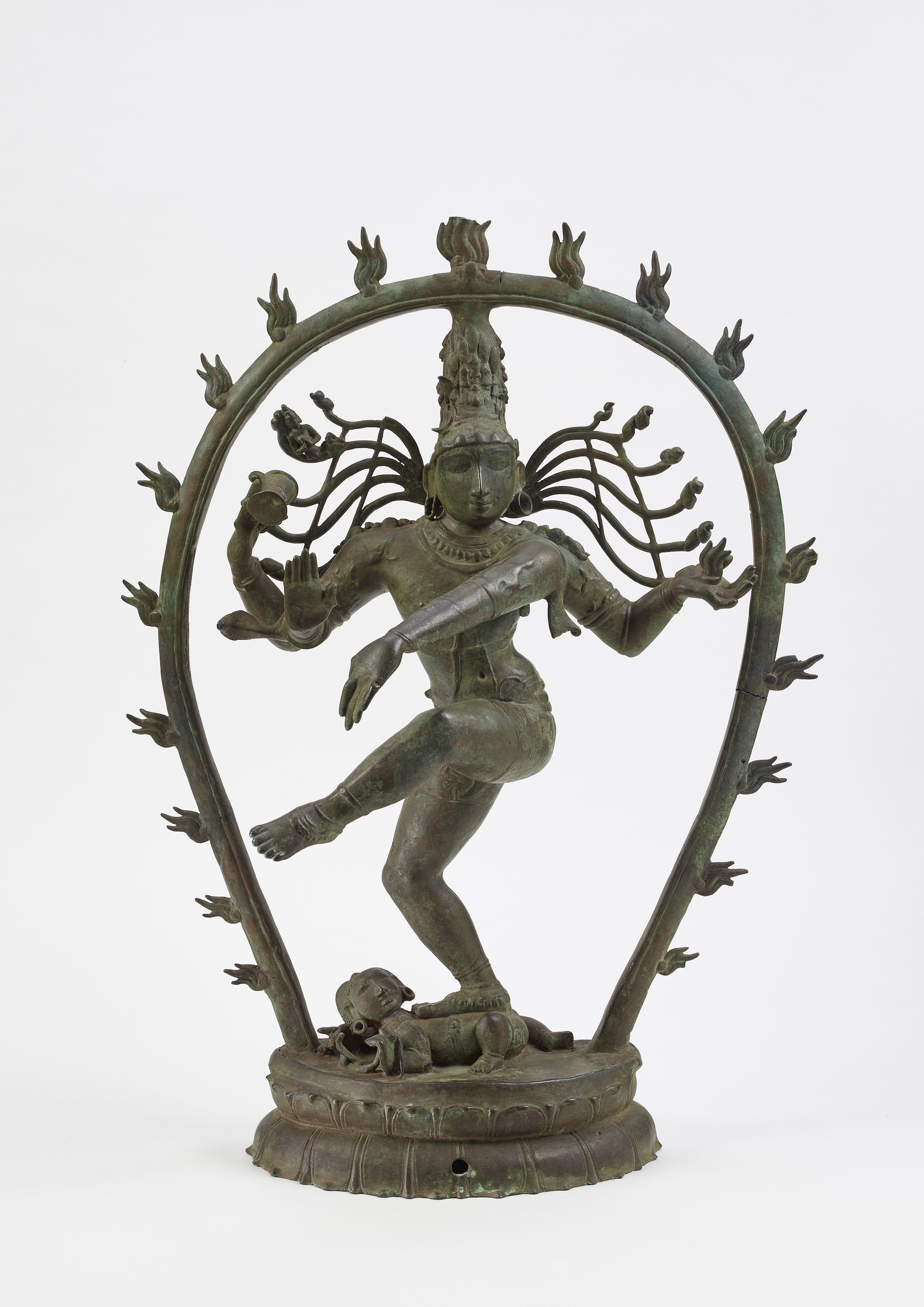
Shiva Nataraja, Chola period, around 990, Tamil Nadu state, India National Museum of Asian Art, Smithsonian Institution, Freer Collection, Purchase — Charles Lang Freer Endowment and funds provided by Margaret and George Haldeman
Museums & Heritage

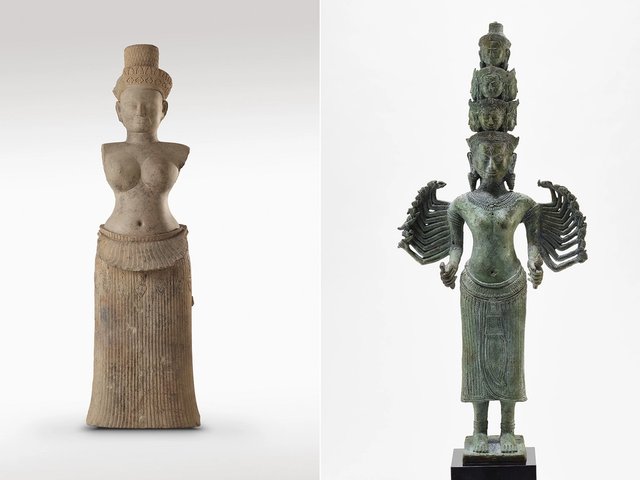
Smithsonian’s National Museum of Asian Art returns three sculptures to Cambodia

Benjamin Sutton

In 2023, researchers at the NMAA working with the Photo Archives of the French Institute of Pondicherry found that, between 1956 and 1959, these three bronzes had photographed in temples in the south Indian state of Tamil Nadu. Those findings were then reviewed by India’s Archaeological Survey, which concluded that the artefacts had been taken in violation of national laws.

Late last year, the NMAA returned three statues to the Cambodian government after an internal assessment determined the objects had been taken out of Cambodia during the country’s civil war (1967-75).
Museums & HeritageSmithsonian InstitutionNational Museum of Asian ArtRepatriationArt theftIndia
Share
Subscribe to The Art Newspaper’s digital newsletter for your daily digest of essential news, views and analysis from the international art world delivered directly to your inbox.
Newsletter sign-up
Information
About
Contact
Cookie policy
Data protection
Privacy policy
Frequently Asked Questions
Subscription T&Cs
Terms and conditions
Advertise
Sister Papers
Sponsorship policy
Follow us
Instagram
Bluesky
LinkedIn
Facebook
TikTok
YouTube
© The Art Newspaper

Related content

Indianews
19 January 2024

As India erects a grand Hindu temple on site of razed mosque, more Islamic heritage faces prospect of destruction

The Ram temple in Ayodhya, consecrated next week, has been the subject of a long and deadly campaign by Hindu nationalist groups

Amrita Singh
Museums & Heritagenews
4 May 2022

Smithsonian adopts new ‘ethical returns policy’ to handle artefacts with problematic histories

The new policy, adopted by all Smithsonian museums on 29 April, will allow each institution to tailor it to their particular collections and provenance considerations

Wallace Ludel
Museums & Heritagenews
23 December 2025

Smithsonian’s National Museum of Asian Art returns three sculptures to Cambodia

Researchers at the museum concluded that the three artefacts were removed from Cambodia during the civil war of the 1960s and 70s

Benjamin Sutton
Repatriationnews
26 April 2024

Met Museum signs cultural-property agreement with Thailand and returns two statues

In a ceremony at the museum, Met director Max Hollein signed a "memorandum of understanding" together with a representative of the Thai cultural ministry

Elena Goukassian