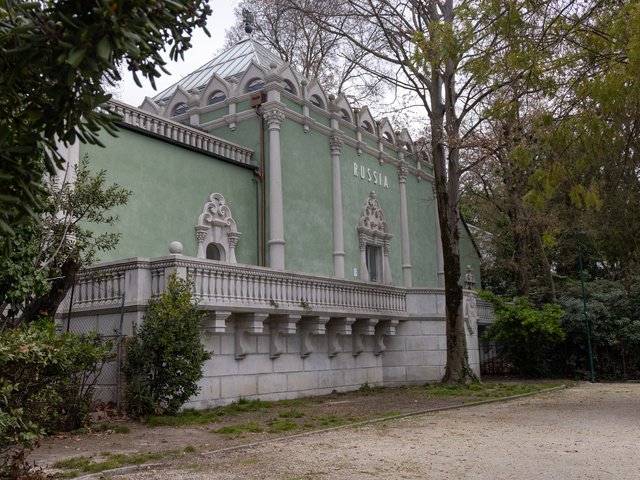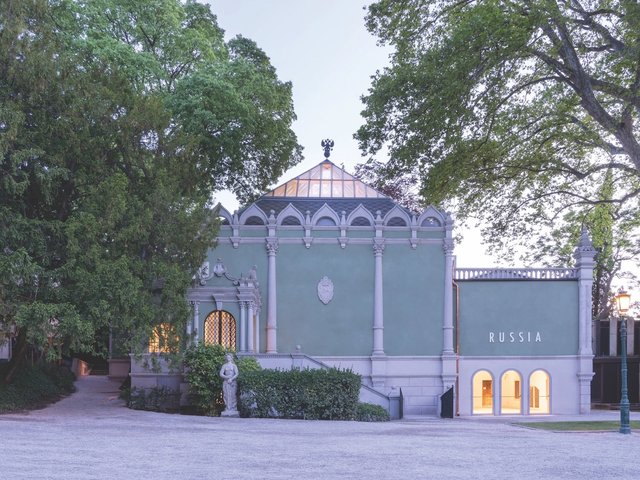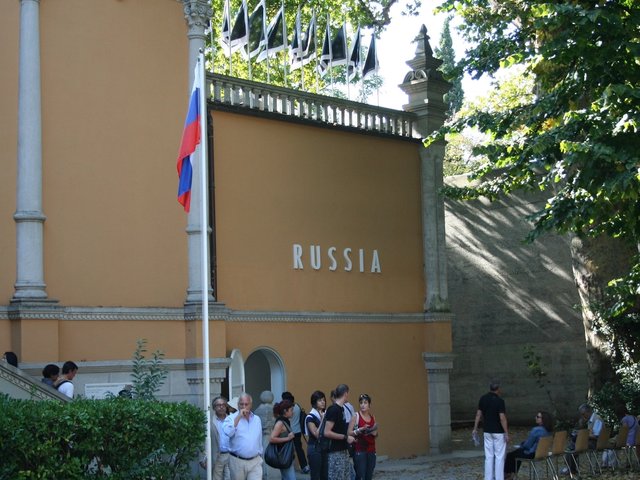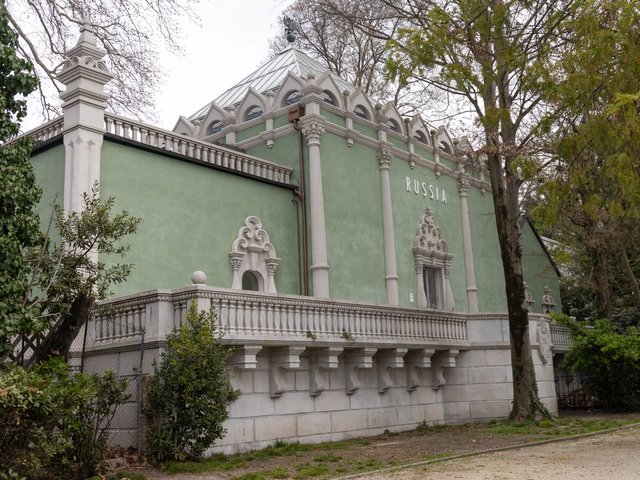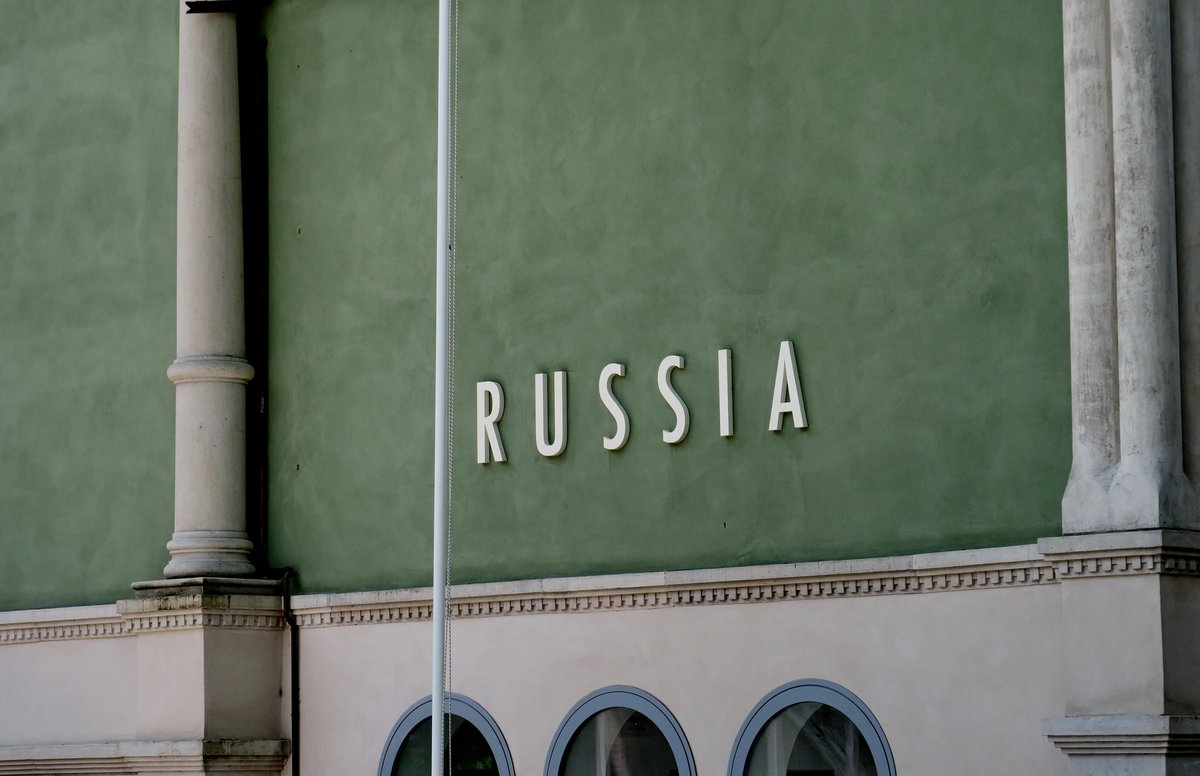
The European Union has threatened to pull funding from the Venice Biennale if organisers allow Russia to move ahead with its first official appearance at the event since its full-scale invasion of Ukraine in 2022.
After a letter of protest to the Biennale president, Pietrangelo Buttafuoco—and its board—from 22 European culture ministers, the EU’s commissioners in charge of technology and culture, Henna Virkkunen and Glenn Micallef, condemned the Biennale Foundation’s decision to allow Russia to reopen its pavilion. They said that culture “should never be used as a platform for propaganda.”
Virkkunen and Micallef released a joint statement on 10 March which said: “Member states, institutions and organisations must act in line with EU sanctions and avoid giving a platform to individuals who have actively supported or justified the Kremlin's aggression against Ukraine.
“This decision by the Fondazione Biennale is not compatible with the EU's collective response to Russia's brutal aggression. Should the Fondazione Biennale go forward with its decision to allow Russia's participation, we will examine further action, including the suspension or termination of an ongoing EU grant to the Biennale Foundation.”
The EU’s grant is worth €2m, according to the Financial Times. It includes funding for a score of film projects affiliated with the Biennale.
Micallef, when posting the statement on X, wrote: “European stages must reflect European values.” Ukraine’s culture minister, Tetyana Berezhna, responded: “Thank you, Glen, for standing with Ukraine and for defending the principles of democracy and justice.”
The plans to proceed with the pavilion, announced on 3 March, has been met with protest from the Ukrainian government and Russian dissident cultural figures including the punk band Pussy Riot. As of 10 March, an open letter of protest, titled “Stop the normalization of war crimes through art, published on Change.org, has drawn more than 6,500 signatures by international intellectual and culture figures.
In response, the Fondazione Biennale said in a statement last week that Venice should be a “place of dialogue” and a platform for the “the cessation of conflicts and suffering.”
Vladimir Putin’s international cultural envoy, Mikhail Shvydkoy, told the state-owned Russian Tass news agency on 10 May that “Russia should participate in all major international cultural events, and if the leadership of any international organisation is ready, we are open to it. What people who are not directly involved in such events think about this is their right, but it should not in any way influence the decision of the organisers, in this case, the biennale.”
Tass reported on 5 March that Moscow’s Gnesin Russian Academy of Music will provide artistic direction for the Russia pavilion at the request of “the Ministry of foreign affairs via the ministry of culture.” Last June, the academy hosted a concert titled “Songs of the Special Military Operation”, the Kremlin’s term for the war with Ukraine.
The pavilion’s commissioner, Anastasia Karneeva is the daughter of Nikolay Volobuyev, a former Federal Security Service (FSB) general—and the current deputy chief executive of Russian state-owned defence contractor Rostec. Smart Art, a company specialising in producing art exhibitions that Karneeva co-founded with Ekaterina Vinokurova, Lavrov’s daughter, was contracted in 2019 to run the Russian pavilion for ten years.
Karneeva was approached by The Art Newspaper for comment.