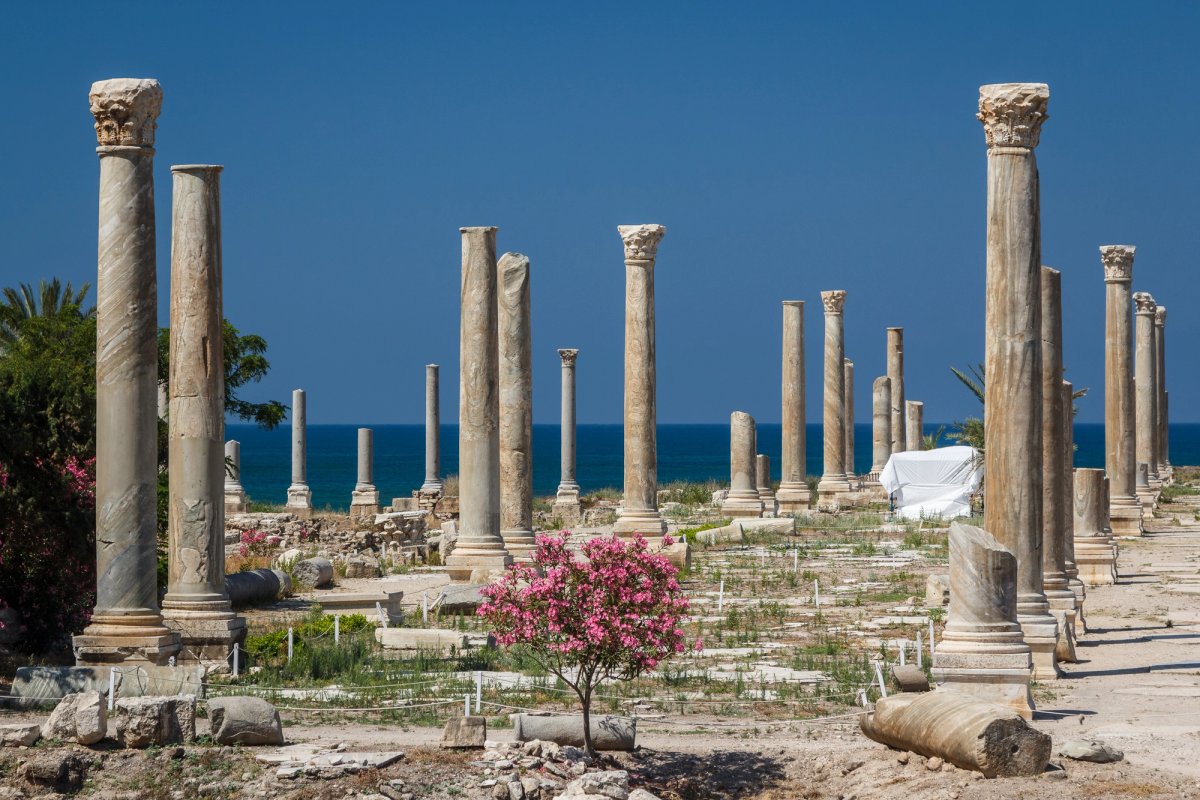
The United Nations body Unesco has granted enhanced protection to 39 cultural sites in Lebanon, placing them under the highest level of legal safeguards amid an escalating war between Israel and Hezbollah.
The decision, taken during what Unesco described as an “extraordinary session” of the Committee for the Protection of Cultural Property in the Event of Armed Conflict, on 1 April, also unlocks more than $100,000 in emergency funding for urgent operations on the ground.
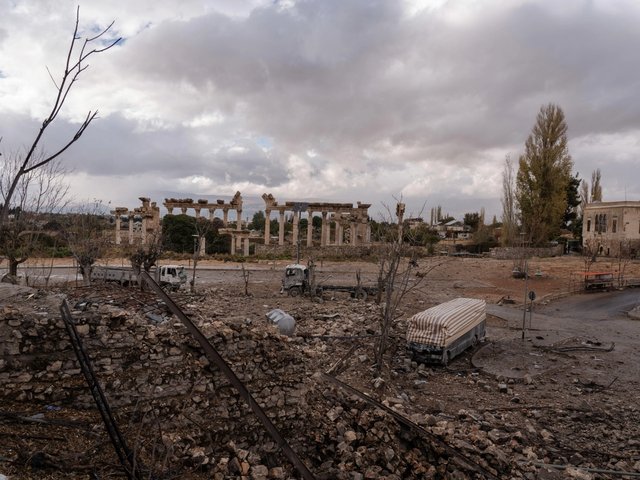
The sites granted enhanced protection include Bekka Temple, an ancient Roman temple in east-central Lebanon dating back to the second century; the Lebanese National Library in Beirut and Barsbay Tower in Tripoli. The designation prohibits the sites from being targeted or used for military purposes, with violations potentially constituting serious breaches of the 1954 Hague Convention and grounds for criminal responsibility.
According to Jad Tabet, an adviser to Lebanon’s ministry of culture and a former expert member of Unesco’s World Heritage Committee, the move is not only a legal measure but a national priority.
“It is also about the moral responsibility of the international community,” he tells The Art Newspaper, noting the designation describes the heritage sites as part of a shared human history.
Tabet highlights that cultural heritage, from mosques and churches to archaeological sites, plays a central role in Lebanon’s religious and political fabric, where 18 religious sects are represented in government, and as the conflict intensifies it has become a focus of collective effort.
The latest move builds on an earlier request by Lebanon in November 2024, when 34 sites were granted enhanced protection. With the addition of the new properties, a total of 73 sites, most of the country’s major heritage landmarks, are now covered.
The expansion reflects a sharp escalation in the conflict. While strikes in 2024 were largely concentrated in the south, Tabet points out that attacks are now taking place across the country, including in Beirut, the north and the east, placing both immovable and movable artefacts at risk.
In response, Lebanese authorities and civil society mobilised rapidly to secure the new protections. Around 30 people worked intensively over two weeks to prepare the application dossier, Tabet says.
“I can tell you that really everyone in Lebanon is proud of what we have achieved,” he says. “People may ask why it is important to protect cultural heritage during this time, but for the Lebanese it is very important. It is a moral and symbolic move,” he adds.
According to the Lebanese health ministry, at least 1,268 people have been killed in the country in the latest round of the conflict, which began in March. According to the UN, more than 1.1 million people have been displaced, including hundreds of thousands of children, further complicating efforts to safeguard sites. “The custodians of the sites are the people, and they are not there to protect them,” Tabet says.
Emergency measures are now under way. Tabet says in Byblos, preparations are being made to relocate archaeological finds and artefacts to safer areas, while accommodation is being arranged across the country for staff working at heritage sites in case they are forced to flee. These efforts form part of the emergency response supported by Unesco’s funding.
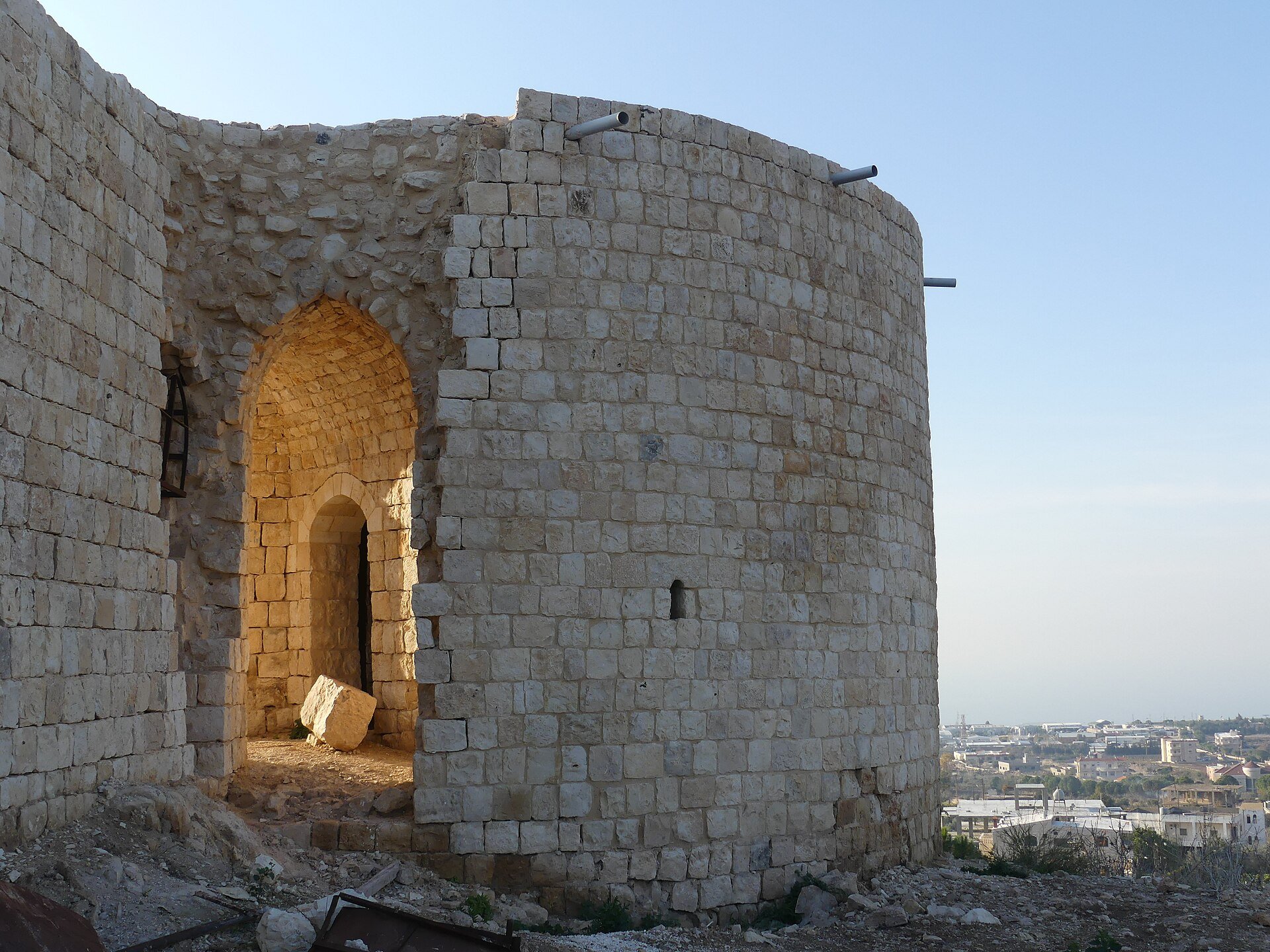
Citadel of Chama
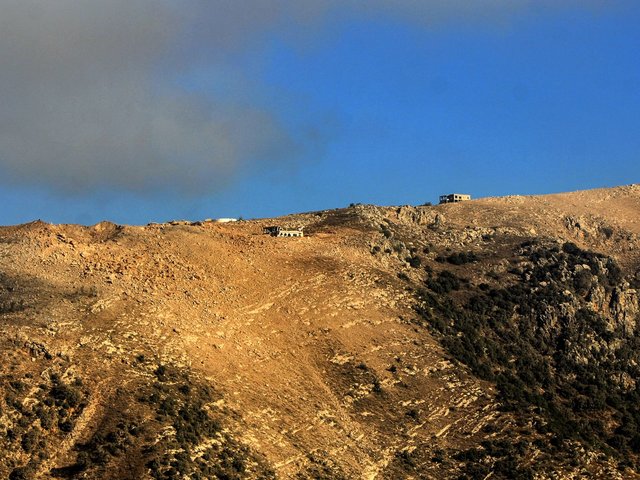
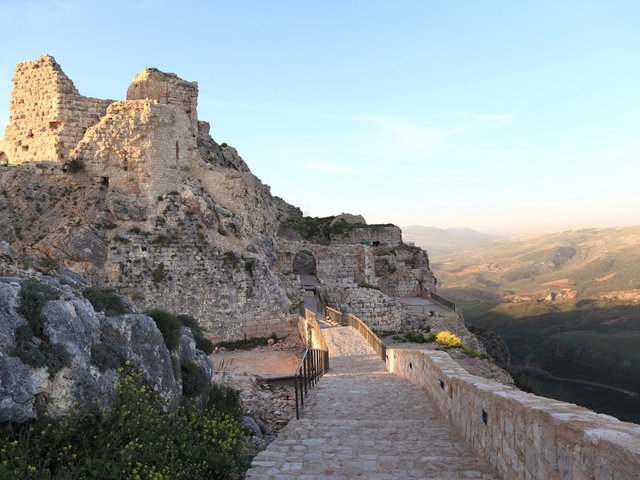
Tabet points to the 'Citadel of Chama’ (‘Qalaat Chama’) in southern Lebanon as a growing concern, warning that Israeli forces could occupy the area in the coming days.
Added to Unesco’s Tentative World Heritage List in 2025, the fortress dates to at least the third century AD and reflects layers of Crusader, Ayyubid and Mamluk military architecture. Already damaged in 2006 and again during the 2024 Israeli strikes, it has undergone careful restoration, but now faces renewed threat.
“We are afraid they are going to occupy this area and use the citadel as a military base,” he says.
Unesco is monitoring the situation via satellite, while Lebanese experts continue to follow developments from Beirut, according to Tabet.
Unesco says it has already confirmed damage to the ancient city of Tyre, a Phoenician site in southwest Lebanon inscribed on the World Heritage List in 1984, following recent strikes.
Despite the danger, many of those responsible for protecting Lebanon’s heritage remain in place, including in Tyre where an Israeli strike in March on the ancient city damaged the perimeter of one of its Unesco-listed archaeological sites. “For them the sites are perhaps even more important than their own homes,” Tabet says.
“It is a form of resistance for us, to protect our cultural heritage.”