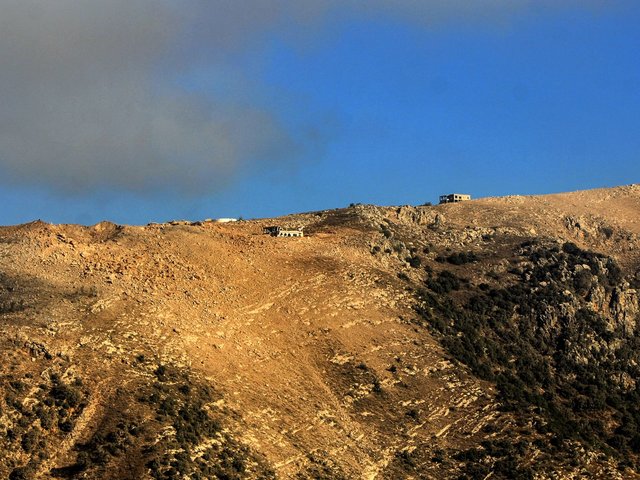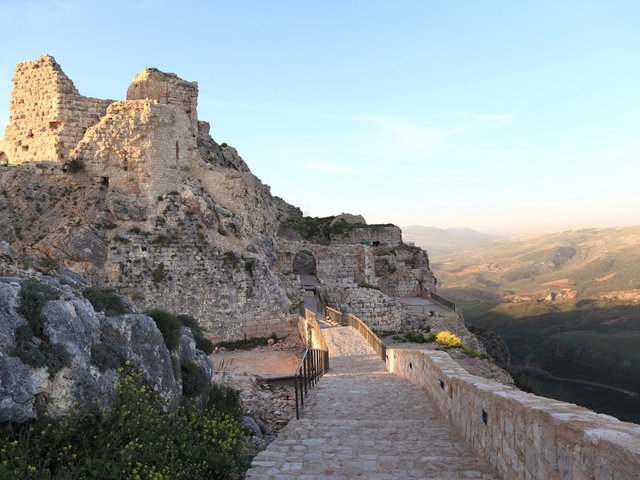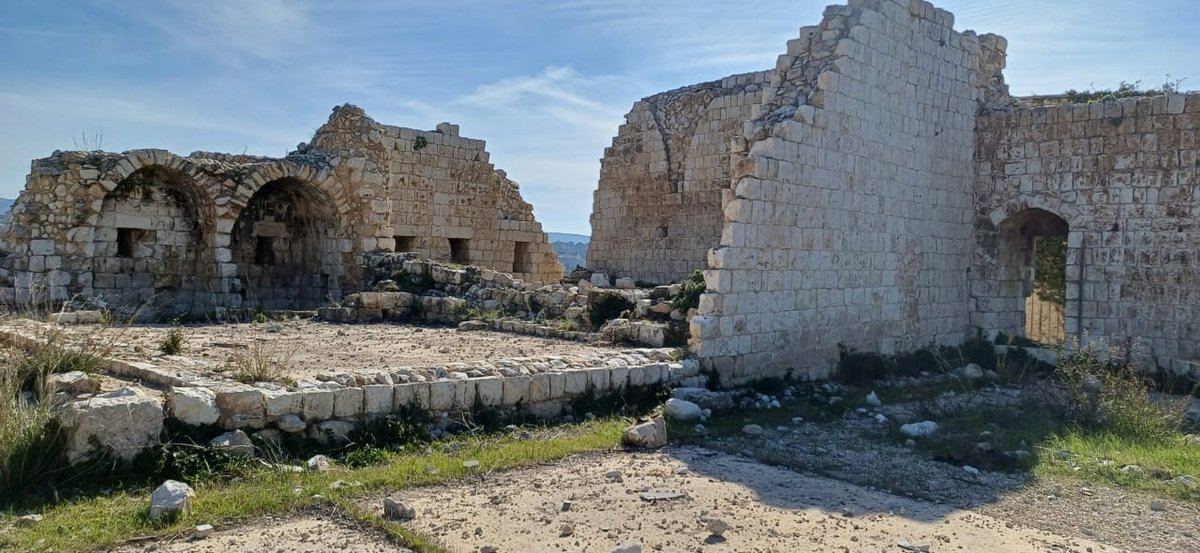
Lebanon’s ministry of culture has lodged an urgent complaint with Unesco over fears that Israeli forces have destroyed the 12th-century Chama’ Citadel, which had been granted enhanced protection to safeguard it during conflict.
Samar Karam, the director of archaeological sites at the ministry’s directorate general of antiquities, North Lebanon, tells The Art Newspaper that on Monday (13 April) Lebanese authorities contacted Lazare Eloundou Assomo, the director of Unesco’s World Heritage Centre, and Krista Pikkat, the director of the Culture and Emergencies Entity in Unesco’s culture sector. The authorities expressed their “deepest concerns” over reports indicating the “destruction and complete demolition of the Citadel of Chama’ by military bulldozing operations”, Karam says. Israeli forces have occupied the area as fighting between the country and Hezbollah has continued.
The ministry released a statement in which it said it had appealed for Unesco’s “immediate and swift intervention to protect” the archaeological site.
The Chama' Citadel, located in southern Lebanon’s Mount Amel (Jabel Amel), was constructed as part of early Crusader military posts and remained in use until the late 19th century. It was granted the highest level of protection in 2024 by Unesco after it was damaged by Israeli attacks.
At that time, “parts of the fortified village surrounding the site were blown up, causing significant damage to the citadel itself,” says Karam.
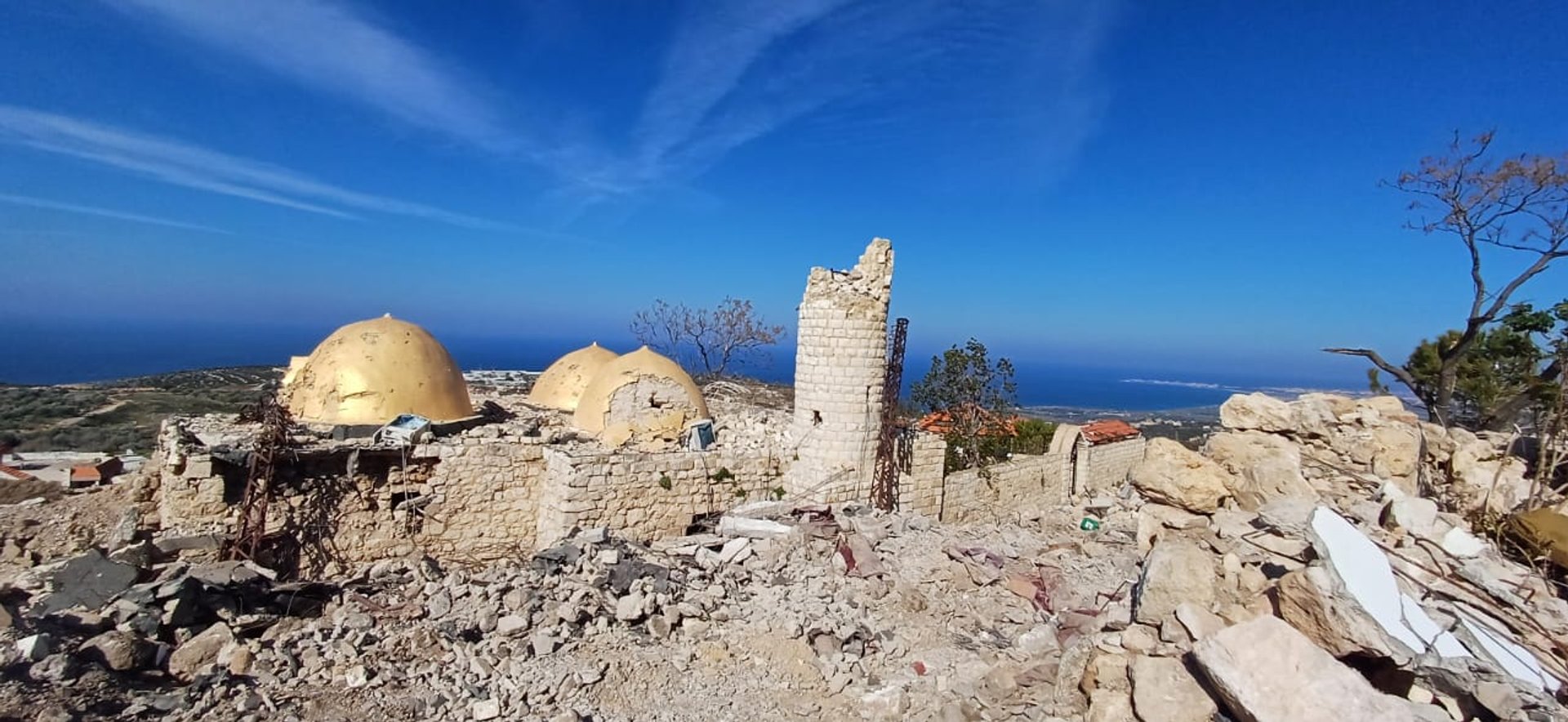
The Chama’ Citadel after Israeli strikes in 2024
Photo: Lebanon ministry of culture directorate general of antiquities
The enhanced protection designation prohibits sites from being targeted or used for military purposes, with violations potentially constituting serious breaches of the 1954 Hague Convention and grounds for criminal responsibility.
The Israeli army’s presence in the area has made on-site assessment of the latest potential damage impossible, leaving authorities to ask Unesco to assess the situation via satellite imagery. Karam, who is also responsible for Lebanon’s World Heritage sites and Hague Convention matters, says images she was sent of the area earlier this week, showing smoke near the site, were taken from too great a distance to allow for the required analysis. A 10-day ceasefire announced yesterday (Thursday) by Donald Trump could allow them access, Karam says, though, it remains unclear whether Israeli forces will withdraw.
In early April, as the war escalated, Unesco granted enhanced protection to 39 additional cultural sites, bringing the total to 73 and covering most of the country’s major heritage landmarks.
Karam adds by Tuesday they raised further concerns with Unesco about other cultural properties in areas under Israeli control, including the archaeological site of Dubieh Castle in Chakra, also located in Mount Amel, and Oum El Amed near the town of Naqoura. Authorities also asked Unesco to assess sites exposed to intense military operations, including the Roman Hibarieh Temple, the basins and built heritage of Ras Al Ain, the archaeological site of Qana, the monument of Qabr Hiram, Qalaat Chakif (Beaufort Castle) and Qalaat Tibnin (Toron Castle).
Lebanon has escalated its appeal, Karam says, with an additional complaint from its culture minister, Ghassan Salamé, to Unesco’s director general Khaled El-Enany, calling for urgent international action to protect Chama Citadel and the other sites.
A Unesco spokesperson tells The Art Newspaper: “We are currently verifying the reported damage to the Chama’ Citadel, as well as sites in Qana [also in southern Lebanon], and are not yet in a position to provide further details.”
Karam says Unesco has a central role in protecting cultural heritage by enforcing international conventions, including the 1954 Hague Convention, and can monitor the situation, raise awareness and engage diplomatically to prevent further damage, as well as support documentation and capacity-building.
Although Chama’ Citadel had been assessed several times following the damage it sustained in 2024, Karam says repeated ceasefire violations have prevented the ministry from carrying out restoration work.
The latest round of conflict in Lebanon began in March after the US and Israel attacked Iran, prompting Hezbollah and Israel to resume hostilities. Israel carried out its largest strikes on Lebanon last Wednesday, targeting around 100 sites in 10 minutes and killing at least 300 people, just hours after the US and Iran agreed to a two-week ceasefire.
Lebanon’s health ministry says more than 2,000 people have been killed since the start of the conflict, including at least 172 children and 91 healthcare workers. According to the UN, more than 1.1 million people in the country have been displaced.