Los Angeles’s art week in February is one of the busiest periods on the international art calendar, with galleries staging exhibitions, events and fair presentations across the city in an effort to maximise sales and visibility. This year, The Hole was among the more prominent participants, showing work by more than a dozen artists, including Dan Attoe and Monica Kim Garza, at the Felix Art Fair, held at the Roosevelt Hotel.
Another of the week’s most popular events was 99CENT, a pop-up exhibition co-organised by The Hole and Jeffrey Deitch. Featuring works by Barry McGee, from his personal collection and by more than 100 of his friends and friends-of-friends, the project transformed a former dollar store on Wilshire Boulevard into a temporary exhibition space, drawing sustained crowds throughout the week.
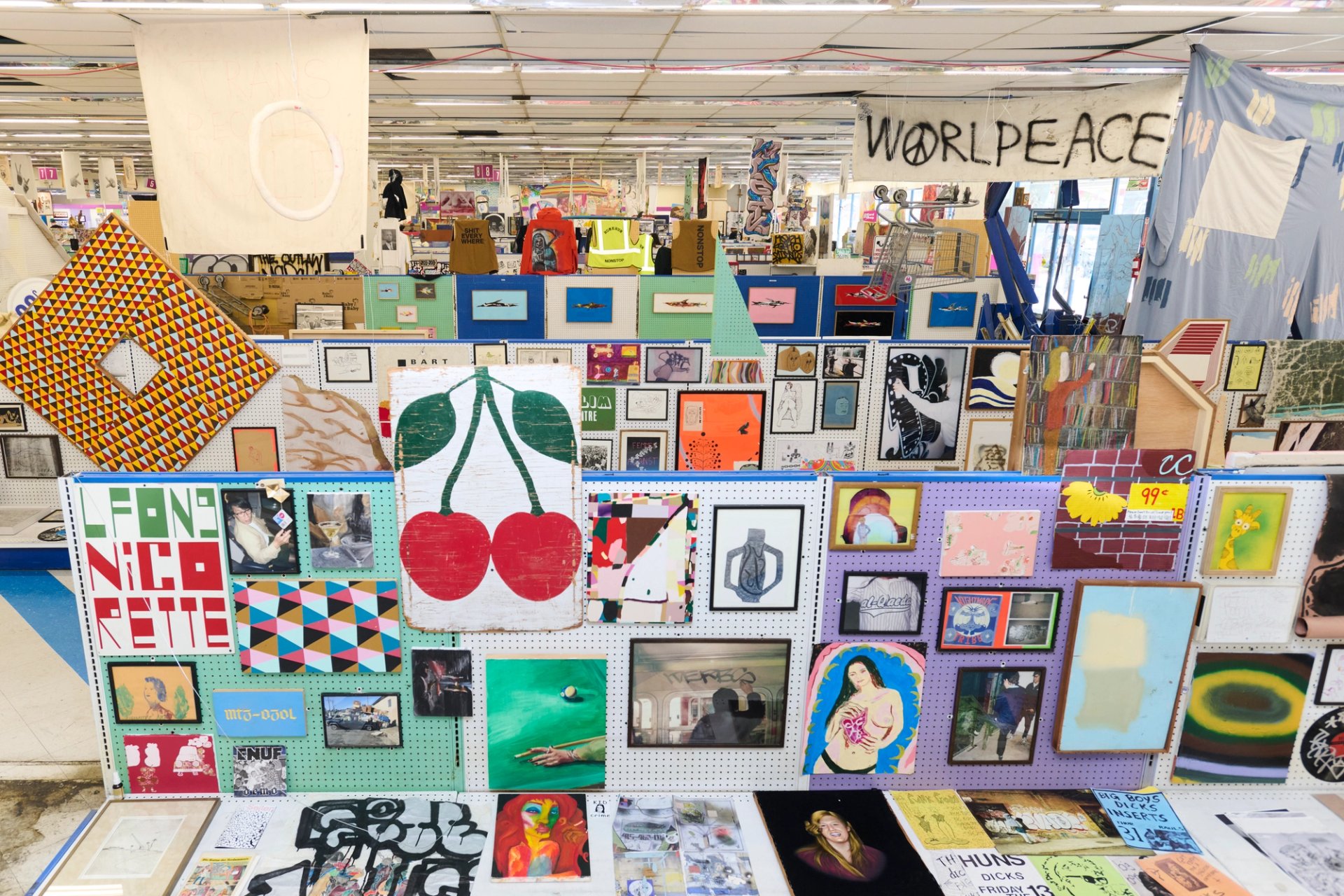
The sprawling and chaotic pop-up exhibition 99CENT, co-organised by The Hole and Jeffrey Deitch, was one of the must-see shows of Los Angeles's art week in February Photo by Jeff Vespa
The visibility generated by those short-term projects contrasted with The Hole’s long-term space in West Hollywood, which remained inactive during Los Angeles’s art week. It has now permanently closed; its final exhibition, devoted to the late Nicholas Hondrogen, came down in September 2025.
As interviews with artists, former employees and the gallery’s founder illustrate, The Hole has suffered from a pattern seen at many other galleries that expanded to larger spaces and additional cities as new buyers spent lavishly in the art market from 2021 to 2023. When those buyers disappeared, dealers who had banked on their continued patronage to expand were suddenly left exposed. Many galleries have shrunk or closed in the aftermath; in the case of The Hole, the fallout has resulted in late payments to artists and workers, unpaid rent and a shuttered Los Angeles location.
“I’ve been here for 15 years and after two extra-successful years, sales were down significantly starting at the end of 2023. For everyone in our zone, not just for us,” Kathy Grayson, the gallery’s founder, tells The Art Newspaper. “I’m recalibrating things here to focus on New York and getting everything stabilised again. The up can often be as destabilising as the down.”
Fixture of the Downtown scene
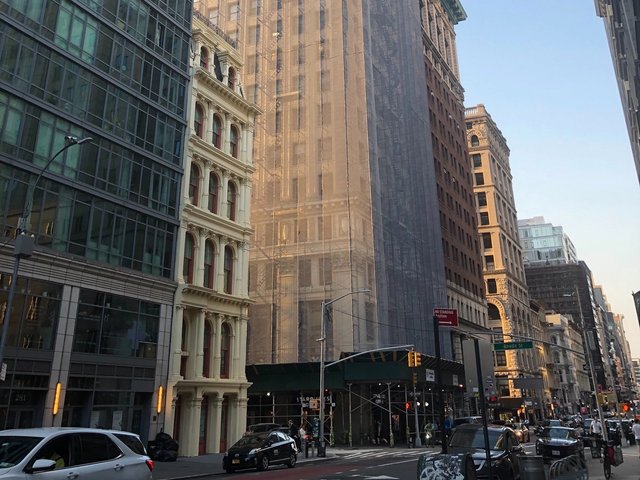
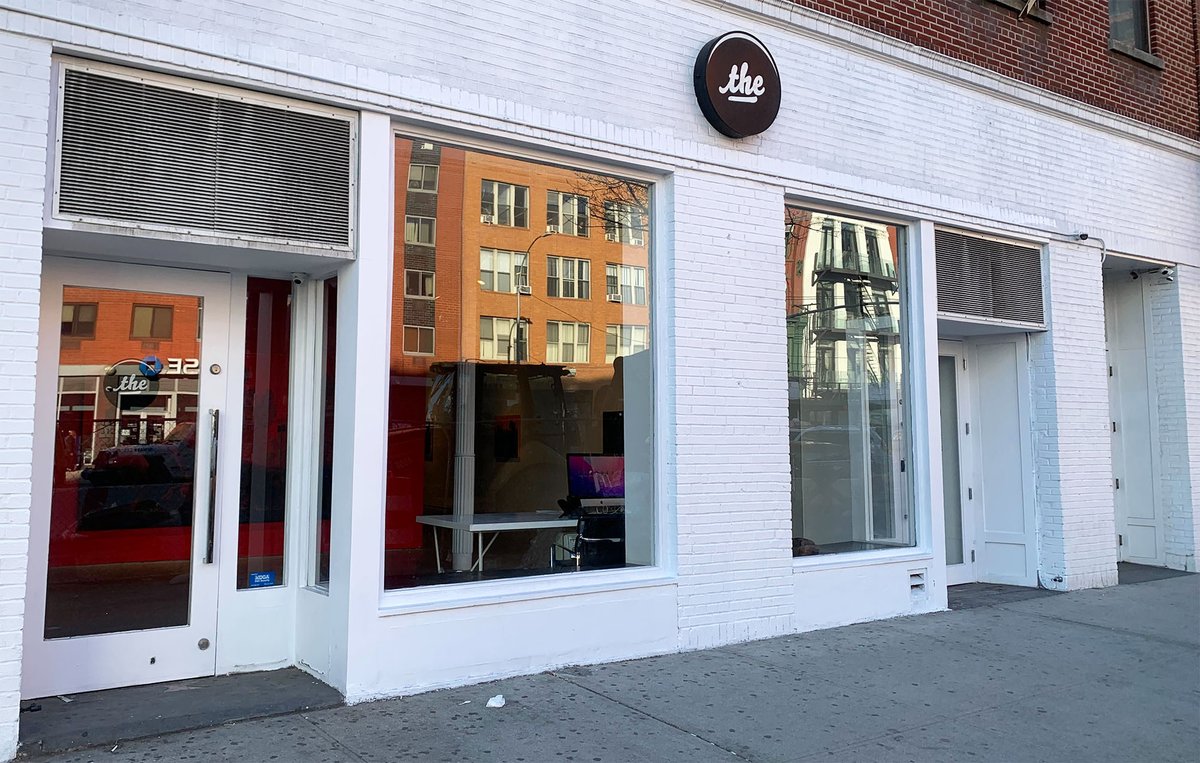
Launched in 2010 by Grayson, a former director at Deitch Projects, The Hole has established itself as a prominent gallery known for hosting crowded openings, organising buzzy exhibitions and showing a roster of emerging and mid-career artists. Its large Bowery space has been a cornerstone of the Lower East Side gallery scene and, in 2021, it expanded to a second New York location in the ascendant Tribeca neighbourhood. In 2022, The Hole added a large West Hollywood space to its operations, joining a wave of New York galleries expanding to Los Angeles while maintaining a consistent presence on the global art fair circuit.
Court records show that between July and September 2025, landlords for The Hole’s two Manhattan properties filed non-payment complaints against the gallery’s New York entities. The filings concerning the gallery’s Tribeca location claim more than $120,000 in unpaid rent and real estate tax arrears. Court filings from September 2024 and August 2025 allege that the gallery failed to pay real estate taxes for multiple years: the 2024 filing cites unpaid taxes for 2023 and 2024, while the 2025 petition adds alleged outstanding taxes for 2025, indicating that the arrears had not been resolved at the time of the second filing.
A separate filing from September 2025 related to the Bowery location alleges more than $60,000 in unpaid rent and additional charges under a lease agreement that began in 2021 and runs through January 2031. In both cases, the gallery’s landlords were seeking possession of the premises and monetary judgments. According to Grayson, the gallery is working to resolve both disputes. “We are current with Bowery rent and paying off arrears for the Tribeca space, slowly but surely,” she says.
Artists and former employees who spoke to The Art Newspaper said The Hole’s expansion to Los Angeles, which occurred as the art market entered a period of contraction, added substantial overhead, including additional rent and operating costs. Multiple sources described the plan to open the Los Angeles space as rushed, with limited infrastructure in place to support the expansion.
An Artnet News article in September 2025 noted that the Los Angeles space had at one point been advertised as a sublease. In the months that followed, social media posts showed the gallery’s spaces in both Los Angeles and New York being used intermittently for events and brand activations. Grayson says she tried to break the gallery’s Los Angeles lease as early as 2024, but “we were not as lucky there as other galleries who were able to quickly close their LA space, unfortunately”.
A former staff member who joined The Hole as an intern in 2018 and took a salaried role in 2019 recalled a demanding, fast-paced environment marked by long hours and high expectations during periods of growth. According to that employee, the gallery did not appear to be facing significant financial difficulties, with exhibitions continuing to sell well, including during the onset of the Covid-19 pandemic. The individual worked on the Tribeca expansion, assisted with exhibitions in the Hamptons and supported fair presentations, including at The Armory Show. While operations were often loosely structured and workloads heavy, the former staffer said the gallery functioned effectively and problems of overdue payments were rare.
Workers’ and artists’ experiences suggest cashflow and transparency became recurring issues at The Hole over the past four years. One former employee who worked at the gallery in 2023 and 2024 characterised the Los Angeles operation as financially unstable, claiming that Grayson worked out of the space in its early months, overseeing openings and relationships, while another senior figure was largely absent. The launch initially benefited from brand activations and outside support, but plans to establish a full-time local management team did not materialise, leaving a small staff in place to run the California operation, the former employee said.
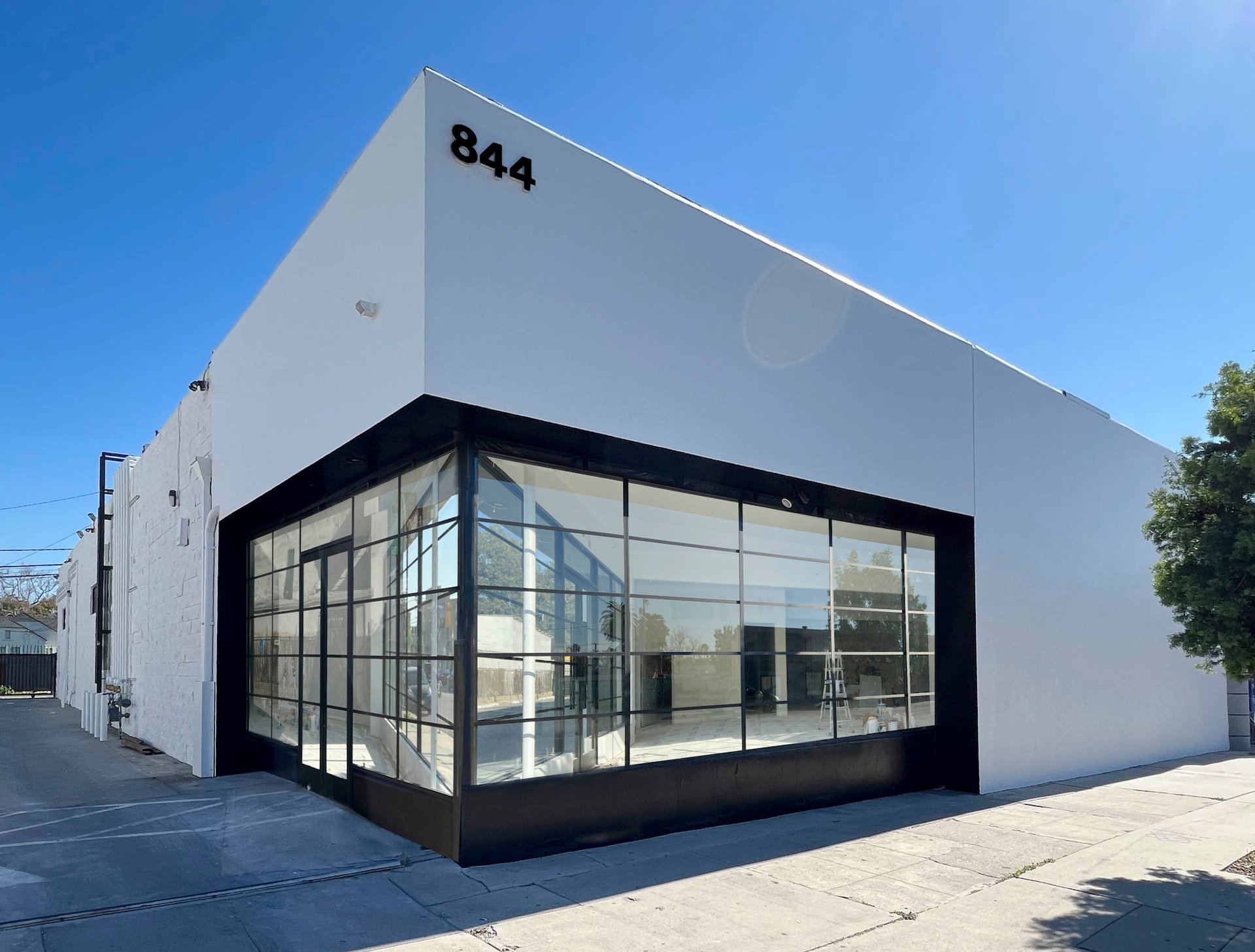
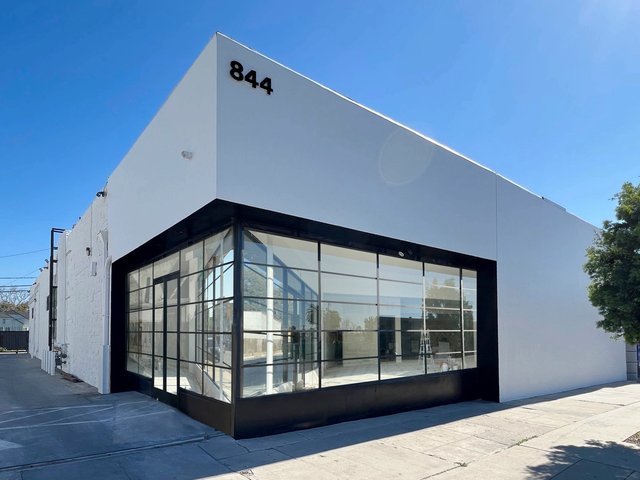
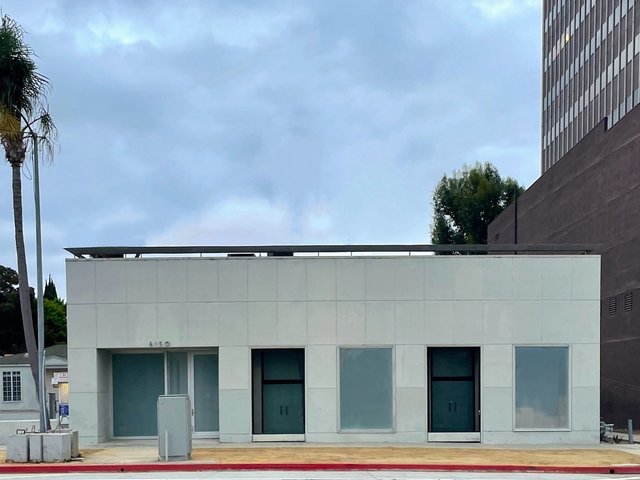
The Hole's space on North LaBrea Avenue in West Hollywood prior to its opening in 2022 Courtesy of The Hole
Workers interviewed for this story said they experienced delays in compensation throughout this period. Several individuals said they were required to follow up repeatedly to receive their wages, in some cases over the course of months. Records reviewed by The Art Newspaper show one freelance worker was owed nearly $8,000, with invoices left outstanding for extended stretches. In written exchanges, Grayson acknowledged the overdue balance and cited financial constraints, stating that the gallery did not have sufficient funds and would resolve payments when possible. The amount was ultimately paid in instalments, with the balance settled in January 2025.
Grayson says that in “2024 I tried to take strong steps to reduce expenses, this is when we first tried to get out of our LA lease”. She adds: “We stopped doing all art fairs besides a couple core ones (we did Armory and Independent only in 2025). I reduced exhibition expenses and we reduced our staff; cut travel and hospitality to near zero, etc.” (The gallery’s website indicates it has dramatically reduced its fair participation, from 12 fairs in 2023 to, thus far, just one in 2026.)
Artists left waiting
Artists showing with The Hole described having similarly drawn-out experiences receiving payment for works sold. Of the five artists who spoke to The Art Newspaper, two said they were eventually paid in full, while the other three remain unpaid as of this writing. In each case, the artists said their work had sold and that they were required to pursue payment through repeated messages and calls. Some said they were only compensated for sales of their work after threatening legal action against the gallery.
One artist who showed with The Hole provided documentation spanning March 2024 to early 2025 relating to payment for a sale completed during that period. Despite the artist’s repeated requests for clarity, the matter remained unresolved for months. More than nine months after the sale, Grayson proposed a 30-day payment timeline, referencing broader financial setbacks in 2024. The artist ultimately received payment in late January 2025, nearly ten months after submitting their initial invoice.
Another artist who participated in a 2024 group exhibition at The Hole’s Bowery location said they were not informed when their work sold and learned of the transaction months later through another artist. The painting that sold had been priced at $13,000 under a standard consignment agreement, which stipulated that a discount of up to 15% could be offered with the artist’s consent. A gallery representative later acknowledged that the work had been sold at a 35% discount, without the artist’s knowledge or approval. When the artist raised concerns about both the unauthorised discount and the lack of payment, they were told funds could not be remitted at that time despite the completed sale. Payment was issued more than a year later, in multiple instalments. The artist told The Art Newspaper it was a process “I had never experienced in my 20 years of showing and selling work”.
Another artist shared their experience of participating in a group show at The Hole’s Tribeca space in 2024, with one of their works selling. The artist’s consignment period with the gallery was extended for several months following the show’s closure, during which time a gallery representative indicated that the business was experiencing financial difficulties. To avoid complications around return shipping, the artist collected the remaining works personally. The artist says they are still owed around $2,500 and described communication with the gallery as slow, noting that although a staff member responded positively in January 2026, they have not yet received payment.
Grayson says that last year “the business was in recovery mode, squeaking by, paying off old bills” and “now at the start of 2026 things continue to slowly improve, still trying to operate as lean as possible”. She adds: “There is a lot to do and improve on, all of which is in progress.”
The financial pressures facing commercial galleries like The Hole and even much larger businesses have become increasingly visible across the sector over the past two years, with dozens of emerging and established galleries announcing abrupt closures or significant retrenchments. In summer 2025, Blum closed its operations, with staff reporting they were given only days’ notice. Last year the New York galleries Tanya Bonakdar and Sean Kelly announced they would close their Los Angeles outposts. More recently, Stephen Friedman Gallery shuttered its New York and London spaces and entered administration proceedings, and the London-based gallery Timothy Taylor shuttered its New York location. These developments reflect broader market pressures, including rising overhead costs, shifting collector behaviour and the strain of sustaining multi-location operations.
According to the most recent edition of Art Basel and UBS’s Art Market Report, which analyses data from 2025, dealer activity showed a modest recovery from the previous year, with gallery sales rising 2% to $34.8bn, although growth remained uneven across the sector. The largest galleries returned to limited expansion, while mid-sized dealers saw sales stagnate or decline amid rising operating costs, and smaller galleries recorded stronger percentage gains, supported by leaner business models. The report also points to a shift in collector behaviour, particularly among high-net-worth individuals (HNWIs). Based on a survey of 3,100 respondents across ten markets, collectors allocated an average of 20% of their wealth to art in 2025, up from 15% in 2024.
Taken together, these dynamics point to a widening divergence between visibility and sustainability within the gallery sector and the market at large. In this context, the situation at The Hole reflects pressures faced more broadly in the trade. While fairs and pop-up projects continue to offer critical exposure and sales opportunities, the challenges of maintaining permanent spaces, particularly in cities like New York and Los Angeles with some of the most expensive commercial real estate markets in the world, risk creating a powder keg for the wider ecosystem.