Every day, couples get engaged, tourists take photos, friends meet and museum-goers delight amid the lampposts of Chris Burden’s Urban Light, the stunning sculpture in front of the Los Angeles County Museum of Art. It’s hard to believe that this magnetic piece of public art has only been there since 2008—it is already almost as recognisable as the famed Hollywood sign.
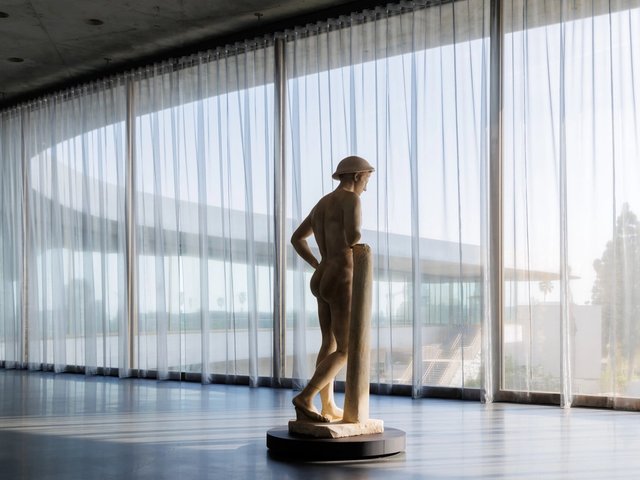
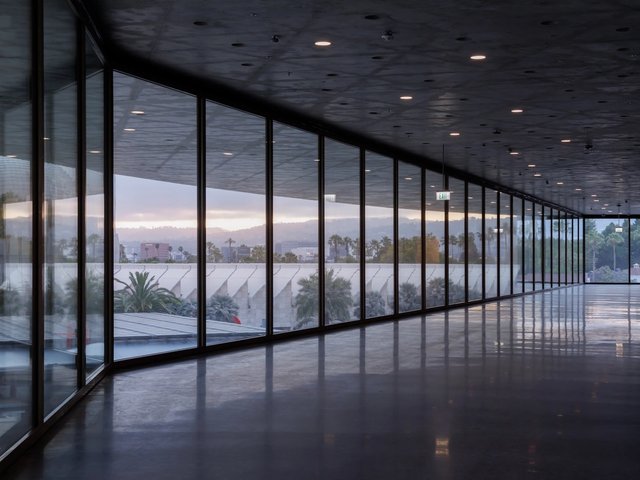
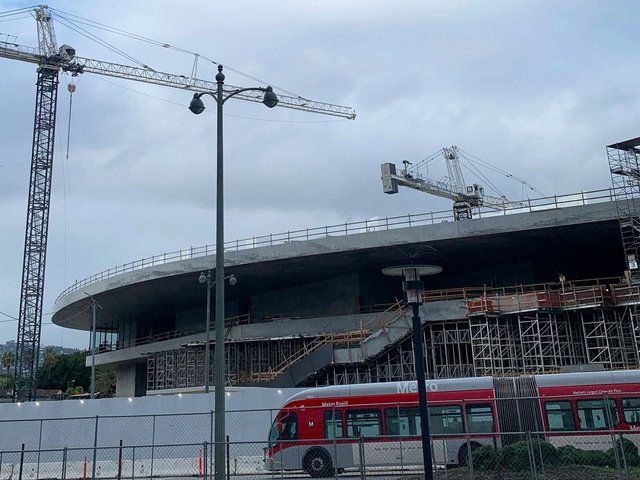
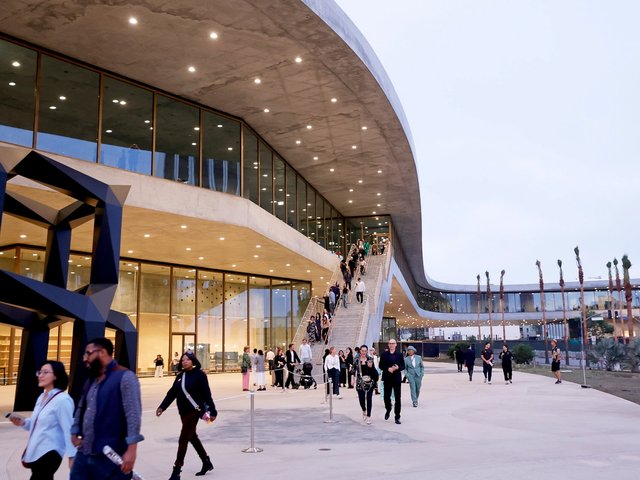
Urban Light is representative of both the big swings and intentional investments that have nurtured the museum from a fledgling offshoot of the catch-all LA Museum of History, Science and Art (now split into the Natural History Museum of LA County) to a world-class art institution. Much like Los Angeles itself, LACMA has a startup mentality and a willingness to take risks that has served it well since it opened the doors to its current location on Wilshire Boulevard in 1965. Every 20 years or so, the museum has committed to a new phase, from the initial move from Exposition Park in the mid-1960s, opening the Pavilion for Japanese Art in the 80s or building the Resnick Pavilion in 2010, to today’s David Geffen Galleries.
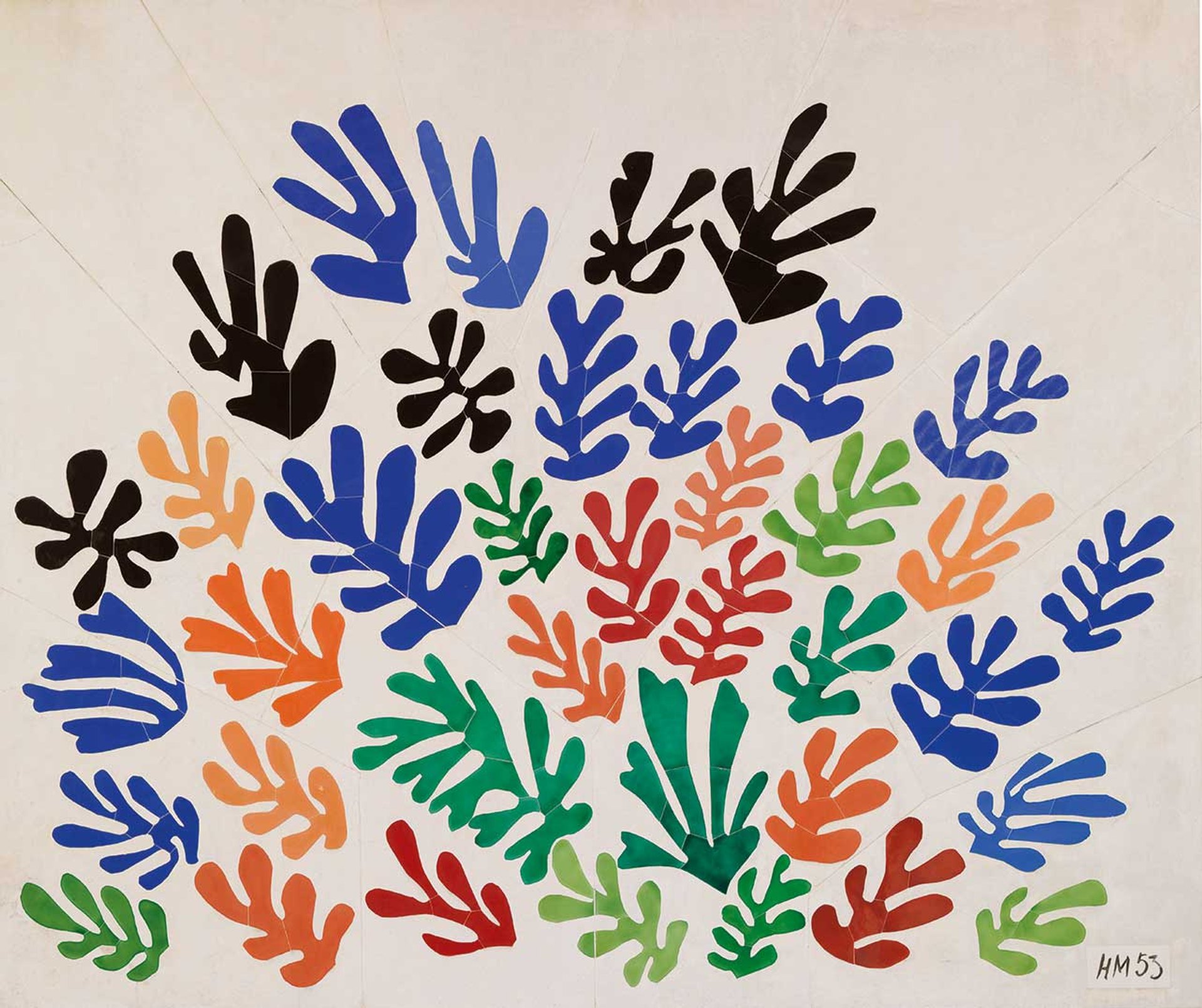
Henri Matisse’s La Gerbe (1953), which has been carefully moved into a new location in the David Geffen Galleries
© Succession H. Matisse/Artists Rights Society (ARS), New York; photo: © Museum Associates/LACMA
It’s about cultivating collectors and an audience, and building it slowly
Stephanie Barron, Sharon Takeda and Nancy Thomas have all been at the museum for the majority of the last half-century and have worked in their respective specialty areas to build the current collection.
Barron, the senior curator and head of the department of Modern art, recently celebrated 50 years at LACMA. “For me, it’s about cultivating collectors, cultivating an audience and building it slowly,” she says. “And you realise that, after decades, it has changed profoundly.”
Soon after its founding, LACMA earned its place in the museum world by building a first-class exhibition programme. With a growing population, LA was hungry for a grand space to see the wonders that regularly came through other big cities in the US and abroad. “Purchasing art is hard when you don’t have a lot of money,” Barron says, noting that strong local relationships, like the longstanding one with the Ahmanson Foundation for the European collection, were built over time. “That is a perfect example, I think, of how a teaspoon at a time will eventually fill the pail.”
LACMA also began using its strength in hosting and organising exhibitions as a tool for acquiring art for the permanent collection. “One of our ways of getting great pieces was that we organised major international loan shows,” Takeda, the senior curator and department head of costume and textiles, and Japanese art, says. She notes that early exhibitions with the Tokyo National Museum and the National Museum of Japanese History were key to this approach.
“It was the opportunity to hang or find a major piece for your collection so something in LACMA’s collection was in that exhibition. That was a good way of getting something really major,” says Takeda. She adds that because most catalogue publishing in the US used to be centred on the East Coast, developing its own exhibition catalogues also helped to establish LACMA as an important institution.
These early moves set the stage for the current chief executive and director Michael Govan’s leadership, with the permanent collection additions picking up pace in the past quarter century. “When Michael came, his first meeting with the curators [set out the aim] to raise the bar high in terms of acquisitions, and not be afraid of prices,” Takeda says. She adds that Govan encouraged his team to make “newsworthy” choices, like the Fashioning Fashion: European Dress in Detail, 1700-1915 exhibition, which inaugurated the Resnick Pavilion in 2010 before travelling to the Musée des Arts Décoratifs in Paris and beyond.
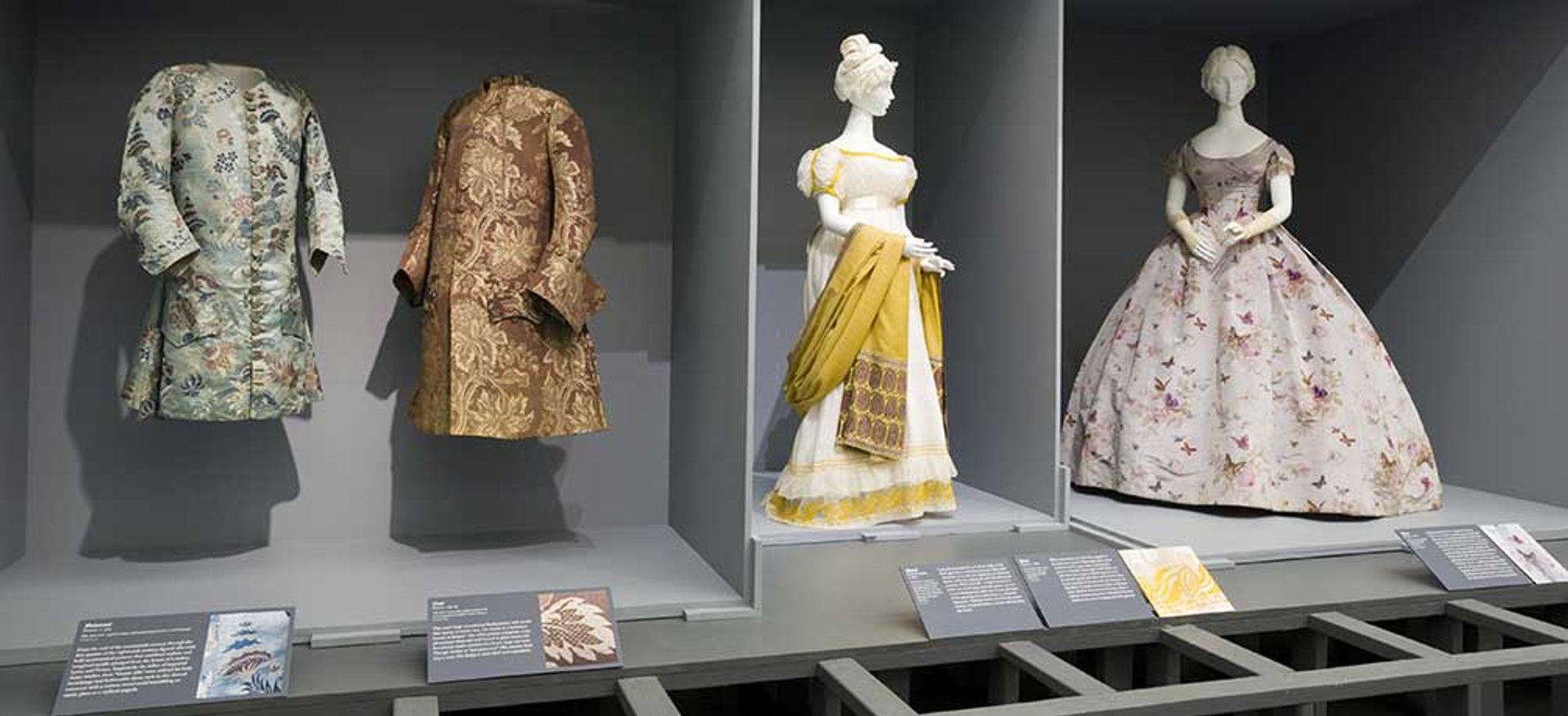
The 2010 exhibition Fashioning Fashion: European Dress in Detail, 1700-1915 © Museum Associates/LACMA
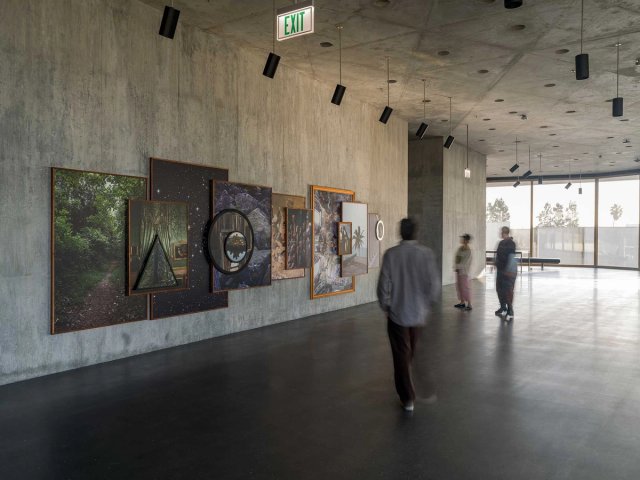
Thomas, a senior deputy director for art administration and collections, is spending the majority of her time on the David Geffen Galleries and says that much of the art there is new to the museum. “If you look at the checklist for the Geffen installations, it reflects acquisitions largely from the last 20 years, with some major exceptions,” she says. “So when you look at the installations in the Geffen galleries, they’re really built upon the curators’ interests and thematic recognition of the collections that we have built most recently.”
Barron says that museum visitors will see some familiar works when they come into LACMA anew—and that is on purpose. “There is one big Modern piece in the new galleries. Matisse’s La Gerbe (1953),” she says. “The large ceramic piece was very, very carefully moved into its new home... and you can see it from the plaza. It’s like an old friend greeting you.”